REVIEW · KATHMANDU
Everest Base Camp Trek
Book on Viator →Operated by Nepal Trekking Routes Pvt. Ltd · Bookable on Viator
Flying into Lukla feels like you’re cheating physics. From there, this Everest Base Camp trek builds its magic around iconic Khumbu stops, Sherpa culture, and that big payoff at Kala Patthar.
Two things I really like: you get a stunning Kathmandu-to-Lukla flight early on, and you also spend time in places that explain the Khumbu beyond the postcard, like Namche Bazaar (trade hub plus Sherpa Museum) and Tengboche Monastery. One possible drawback to plan for: the trek involves serious altitude work, including reaching 5,380m, so you’ll want solid moderate fitness and a realistic pace.
In This Review
- Key Things That Make This Everest Base Camp Trek Worth It
- The Lukla Flight: your first Everest gut-check
- Namche Bazaar and the Sherpa Museum: the Khumbu reality check
- Tengboche Monastery and Sagarmatha National Park: spiritual plus big-views planning
- Climbing toward 5,380m: how this trek tests your pacing
- Everest View Hotel and Kala Patthar: the moment the map becomes real
- Price and Logistics: is $1,290 actually good value?
- Guides, communication, and real safety on a high-altitude trail
- Who should book this Everest Base Camp trek (and who might rethink it)
- Should you book it?
- FAQ
- Where does the Everest Base Camp trek start?
- How long is the Everest Base Camp trek?
- What is the highest elevation reached on this trek?
- What is included in the $1,290 per person price?
- What is not included in the tour price?
- What group size should I expect?
- Can I cancel and get a full refund?
Key Things That Make This Everest Base Camp Trek Worth It
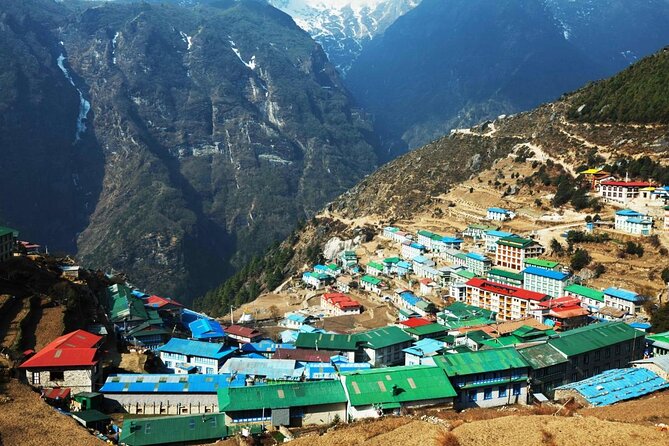
- Kathmandu to Lukla by air: your trip starts with a dramatic, high-stakes flight into the Tenzing Hillary Airport area.
- Namche Bazaar time: the Khumbu’s business center, plus the Sherpa Museum for context before you head higher.
- Tengboche Monastery visit: the largest monastery in the Khumbu region, on the slopes of Mt. Ama Dablam.
- Sagarmatha National Park access: you’re trekking in the UNESCO-protected zone tied to the Everest story.
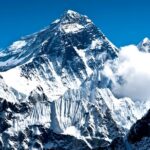
- Kala Patthar for 360-degree peak views: the famous panoramic moment aimed at Mount Everest and neighboring giants.
- High-altitude comfort check: a meal break at Everest View Hotel (breakfast or lunch) helps you rest and watch the mountain mood change.
The Lukla Flight: your first Everest gut-check
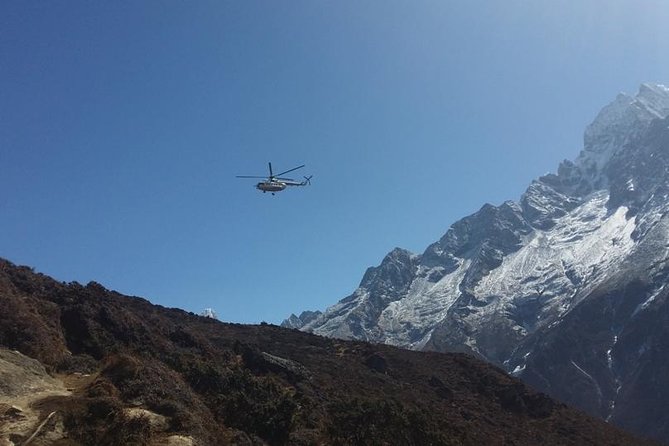
This trek starts the way good Everest trips should: with the Kathmandu to Lukla flight into Tenzing Hillary Airport (at about 2,860m). Even before you start walking, you’re already dealing with altitude. And yes, it’s a little nerve-making in the moment. That’s part of the deal.
What I like about starting here is that it immediately shrinks the distance between Kathmandu and the high Khumbu. Instead of spending days getting into the Everest region, you’re dropped near the beginning of the trekking corridor and can focus on the real work: acclimatize, hike smart, and enjoy the rhythm of the villages.
Practical tip: build in a mental buffer. Mountain weather and small-airport operations can affect flight schedules, and you’ll feel it as part of the trip energy. The good news is that this company’s people are used to coordinating around real-world changes, including delays and cancellations that can happen while getting to Lukla.
You can also read our reviews of more tours and experiences in Kathmandu.
Namche Bazaar and the Sherpa Museum: the Khumbu reality check
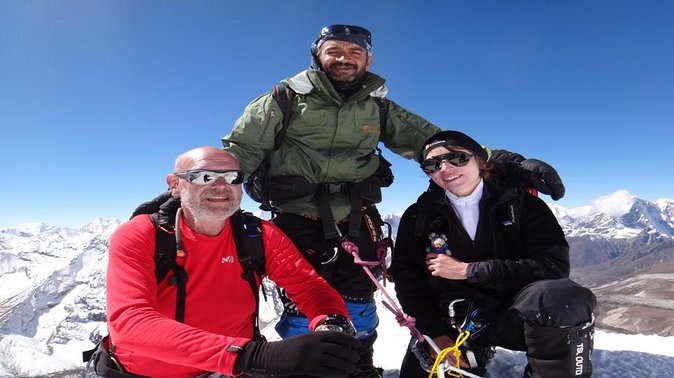
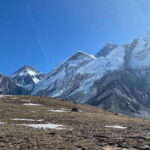
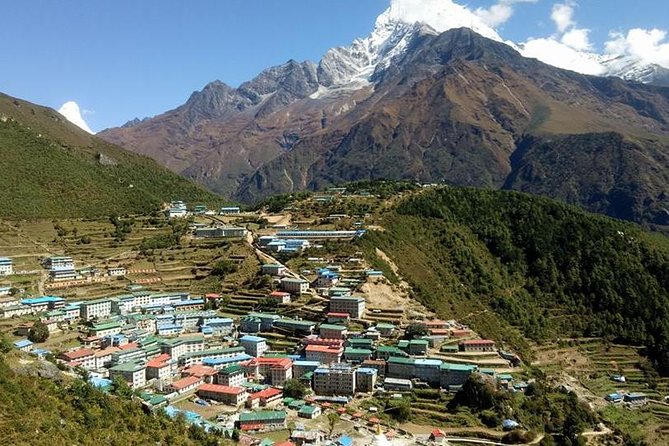
After Lukla, you head toward Namche Bazaar, the trade center for the entire Khumbu region. This stop matters more than it sounds. It’s not just a place to sleep or pass through. Namche is where you start understanding how life works at altitude: where supplies come from, how communities connect, and why the Sherpa presence is so strong here.
You also get Sherpa Museum time in Namche Bazaar. That’s a smart move because it changes what you notice later. When you see prayer flags, watch daily routines in tea houses, or hear stories tied to mountaineering pioneers, you’ll know what you’re looking at instead of guessing.
A bonus angle: Namche is also your first bigger “view checkpoint” mindset. You’ll likely feel the tug of Everest even before you’re close to it. This is where the trip turns from logistics into anticipation.
Tengboche Monastery and Sagarmatha National Park: spiritual plus big-views planning
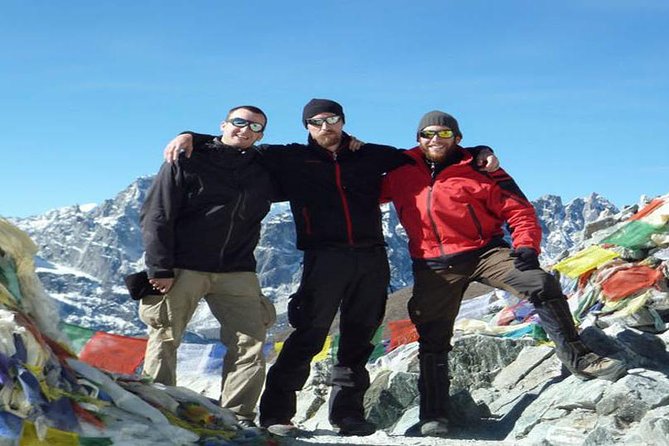
Trekking in the Everest region isn’t only about altitude numbers. It’s also about the cultural landmarks that structure the landscape and daily life. Here, Tengboche Monastery is a key moment. It’s described as the largest monastery in the Khumbu region, situated on the lap of Mt. Ama Dablam.
Why that’s valuable: monasteries are calm places, and in the Khumbu they’re also strong reference points. You’ll likely feel the shift from “travel” mode into “ritual and observation” mode. Even if you’re not a monastery person, it’s one of the places where the trip becomes more than steps.
You’ll also trek in Sagarmatha National Park, which is UNESCO-listed. The practical payoff is that your hike is tied to a protected, well-recognized conservation zone, not some random patch of trail. That matters for both the experience and how responsibly the area is managed.
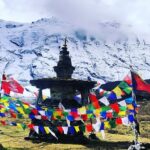
One consideration: monasteries and park zones don’t mean you’ll be insulated from cold wind. Bring layers and treat prayer-flag photos as the side quest, not the main event. The main event still requires steady movement.
Climbing toward 5,380m: how this trek tests your pacing
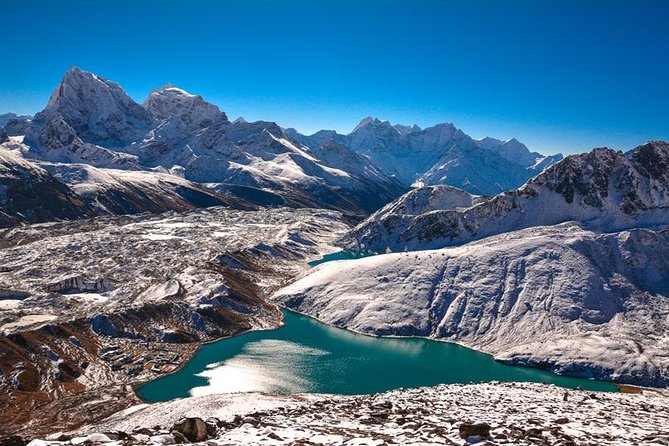
The headline goal is Everest Base Camp, with a high point listed at 5,380m (17,600ft). That’s why this trek sits in the “ultimate dream” category for so many people. But it also explains why it can be hard at times, especially toward the end when the air gets thinner.
What you’ll want to understand up front is how this kind of trek succeeds for regular humans: it’s not about sprinting. It’s about gradual progress, smart breaks, and listening to your body. The trek can be manageable, but you should expect fatigue and a noticeable change in breathing, especially on the final stretch.
You’ll also be surrounded by Sherpa villages, with a chance to observe local culture, tradition, and typical cuisines. That part is not filler. Village stops give you a chance to slow down, eat real food, warm up, and reset your pace. Tea houses and lodge life at altitude are simple by design—so pack for comfort and accept that showers are not the main plot.
Altitude reality check: if you already train in Alps-style hiking, you still might find Everest-region altitude different. The route may feel fine one day and harder the next as you stack elevation. That’s normal. The best strategy is consistent steps and not “saving yourself” for later.
Everest View Hotel and Kala Patthar: the moment the map becomes real
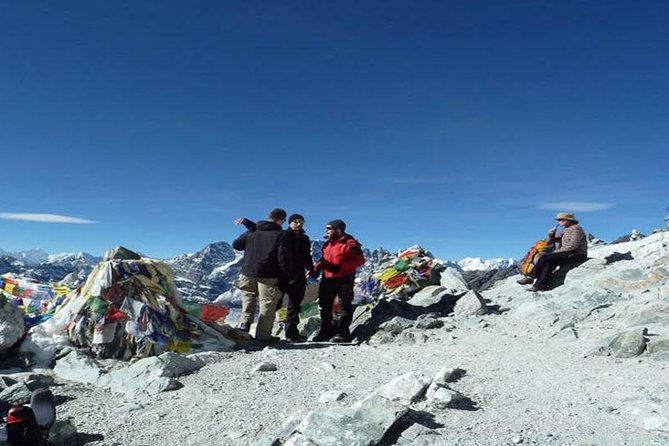
You get a built-in morale boost with a meal break at Everest View Hotel, where breakfast or lunch is part of the experience. This is one of those stops that helps you feel the altitude without panic. You can sit, regroup, and watch the light shift on the peaks while you’re still functional.
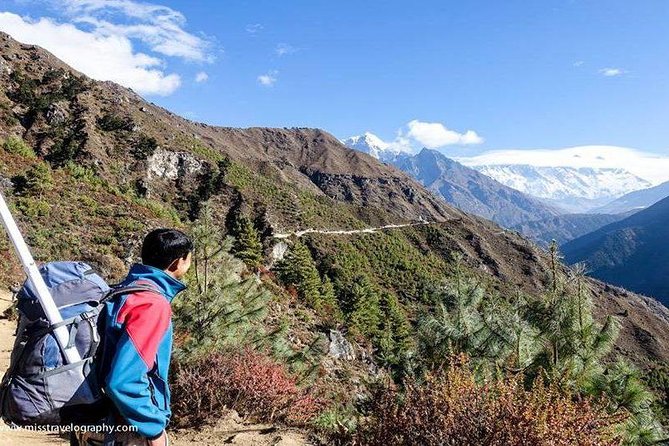
Then comes Kala Patthar, the place known for a 360-degree panoramic view of Mount Everest and nearby snowcapped peaks. This is the view people chase. It’s also the reason trekking to Everest Base Camp stays a legendary life goal even for those who don’t care about summits.
Here’s the value of that last big viewpoint: it ties together everything you’ve walked past. Sherpa villages make sense. Monastery moments make sense. Even the park context starts to click. You’re seeing the region as a whole, not as a series of huts and signposts.
Practical tip: plan your schedule so you can enjoy the view, not just arrive to take pictures. Cold air moves fast. If you wait too long to organize your layers, the panorama will be there, but your body won’t be happy.
Price and Logistics: is $1,290 actually good value?
At $1,290 per person, the price may look “high” until you check what’s inside. Your included costs are:
- Overnight accommodation
- Airport/Departure Tax
- National Park fees
That combination matters. It means you’re not trying to solve those bills mid-trek. You’re paying for access and for nights in the trekking corridor.
What’s not included is also clearly listed:
- Alcoholic beverages
- WiFi on board
- Personal expenses
- Nepal arrival visa (noted as an arrival visa system)
- International flight fare
- Tips for guide and porter
To budget smart, think about two buckets: big-ticket travel and day-to-day trail spending. International flights are usually the biggest variable outside the trek price. On the mountain side, personal expenses and tips are what can creep up if you don’t plan.
Also note the group size: maximum 15 travelers. Smaller groups often mean better control of timing and less chaos around meals and photo stops. It’s not a guarantee of comfort, but it usually helps.
Finally, this trip offers pickup and uses a mobile ticket. Those sound like tiny details, but they reduce stress when you’re landing in Kathmandu and trying to get moving.
Guides, communication, and real safety on a high-altitude trail
What stands out from the experience stories is how strongly the trip depends on competent local leadership. Names that come up include Shailesh (the local owner and organizer), with guides such as Bishnu, Navien, Nawin, Hari, and support staff including Santa and Tek.
Here’s the practical angle: good guides don’t just know trails. They manage the human side of altitude—pacing, rest decisions, and safety awareness. One traveler specifically credited Hari with making sure they were safe the whole way through. Another mentioned clear advice on coping with height and thin air, which is exactly what you need when your body gets stubborn.
Communication also matters on Everest itineraries. Multiple people described fast, reliable responses and a professional approach from the start—especially around the tricky parts of getting to Lukla. If flight delays or cancellations happen, your ability to stay calm and adjust your plan usually depends on whoever is coordinating you on the ground.
So, when evaluating this trek, look at the vibe of the organization: are they quick to answer, organized with logistics, and flexible about your preferences? The strongest signals here point to that kind of team.
Who should book this Everest Base Camp trek (and who might rethink it)
This is a strong fit if:
- You want the classic Everest storyline: Lukla flight, Namche Bazaar, Tengboche, Sagarmatha National Park, and Kala Patthar.
- You like cultural stops, not only summit-chasing.
- You’re aiming for a trek that feels structured, with a team that can handle schedule bumps.
It might be a harder fit if:
- You’re not comfortable with altitude exposure up to 5,380m.
- You want guaranteed “easy mode.” This trek can be hard at times, and thin air shows up toward the end.
- You’re hoping for lots of creature comforts. Lodges and meals will be simple, and that’s part of how the trek works.
If you’re the kind of traveler who enjoys learning as you go—Sherpa villages, monastery visits, and local food—you’ll get more out of this route than just the view.
Should you book it?
If you want Everest Base Camp without turning it into chaos, I’d seriously consider booking this trek with Nepal Trekking Routes Pvt. Ltd. The value is helped by what’s included (accommodation, park fees, key taxes), and the experience seems built around the exact places you’ll remember: Namche Bazaar, Tengboche Monastery, Everest View Hotel, and Kala Patthar.
I’d book it if you can handle altitude and you’re ready for steady hiking, simple lodge life, and a trip where weather can affect flights. If that sounds like your kind of challenge, you’ll likely love the way the Khumbu story unfolds from Kathmandu to the high wall of Everest views.
FAQ
Where does the Everest Base Camp trek start?
The meeting point is Tribhuvan Airport in Kathmandu, Nepal.
How long is the Everest Base Camp trek?
The duration is listed as 14 days (approx.).
What is the highest elevation reached on this trek?
The trek reaches a high point of 5,380m (17,600ft).
What is included in the $1,290 per person price?
Included costs are overnight accommodation, airport/departure tax, and national park fees.
What is not included in the tour price?
Not included: alcoholic beverages, WiFi on board, personal expenses, Nepal arrival visa (arrival visa system), international flight fare, and tips for guide and porter.
What group size should I expect?
This activity has a maximum of 15 travelers.
Can I cancel and get a full refund?
Yes. You can cancel up to 24 hours in advance for a full refund. If you cancel within 24 hours of the start time, the amount paid is not refunded.