REVIEW · KATHMANDU
15 Days Round Annapurna Trek with Poon Hill from Pokhara
Book on Viator →Operated by CAN Travels · Bookable on Viator
A high pass day and Poon Hill sunrise in one trip. This 15-day Round Annapurna Trek with Poon Hill mixes big mountain views with real village walking, and I like that it includes an English-speaking, government-licensed guide plus permits and documents so you’re not juggling paperwork. You’ll also get a very intentional timing for the Poon Hill sunrise. The only real drawback to think about is the early, cold starts—especially the 3:30 a.m. pass day feel—so you’ll want solid fitness and warm layers.
What makes this itinerary interesting is the pacing and how it handles altitude. You’re not sent straight upward with no warning. You get a dedicated acclimatization day around Manang, and then the route gradually shifts from greener valleys into rockier, windier terrain.
For planning value, I also like that it’s packaged around practical logistics: pickup/drop-off, Kathmandu and Pokhara hotel nights, guesthouse stays on trek, and round-trip transfers by shared bus/jeep. Still, the trek is active and food is on you, so you should budget for meals and drinks during the days you’re hiking.
In This Review
- Key moments that make this trek worth your time
- Kathmandu start: meeting up, getting oriented, then rolling downhill
- Syange to Dharapani: gorge views and the shift into trekking mode
- Chame and Pisang: forests to river valleys with real village texture
- Manang: more views, but also the acclimatization reset
- Yak Kharka and Thorung Phedi: the arid, windier feel you have to respect
- The big pass day to Muktinath: early start, cold exposure, and the payoff
- Tatopani and the Jomsom checkpoint rhythm: buses in the middle of the trek
- Ghorepani to Poon Hill: sunrise that justifies the climb
- From Pokhara lakeside back to Kathmandu: staying efficient after the hard days
- Price and value: what $790 covers (and what it doesn’t)
- Guides and organization: the human factor you should watch for
- Comfort and daily reality: guesthouses, shared routes, and pacing
- Who should book, and who should rethink it
- Should you book this 15-day Round Annapurna + Poon Hill trek?
- FAQ
- How long is the Annapurna Circuit with Poon Hill trek?
- What’s included in the price of $790 per person?
- Is food included during the trek?
- What accommodations will I stay in?
- What is the meeting point and start time?
- Do I need my own trekking permit?
Key moments that make this trek worth your time
- Manang acclimatization built in so you can move higher with more sense and fewer surprises
- Very early pass-day timing aimed at reaching the high point before wind ramps up
- Poon Hill sunrise from the Pokhara side with changing dawn colors and mountain silhouettes
- A route that changes “feel” fast from river valleys and forests to exposed, higher air
- Simple guesthouse trekking structure with an included first-aid kit and a guide who manages the plan
Kathmandu start: meeting up, getting oriented, then rolling downhill
Your journey starts in Kathmandu, not on a random trailhead. You meet at SPOT ON 376 Hotel HazelJadibutti at 9:45 pm, and a representative helps you get from the airport to your hotel the night before trekking really kicks in. That late meeting time matters: it usually means you’ll spend the evening getting checked in and briefed, then be ready to head out early the next day.
The first big win here is structure. Someone is coordinating the basics—hotel transfer and briefing—so you can focus on the real job: building a rhythm for the days ahead.
The day-by-day pace also sets expectations early. You’re not getting a “gentle stroll” right away. By the second day, you’re moving a long distance by road (about 190 km over roughly 6.5 hours to Besisahar) and then switching to a jeep drive to Syange (around 3,609 ft). So if you hate long travel days, be aware: this trek starts with them.
You can also read our reviews of more tours and experiences in Kathmandu.
Syange to Dharapani: gorge views and the shift into trekking mode
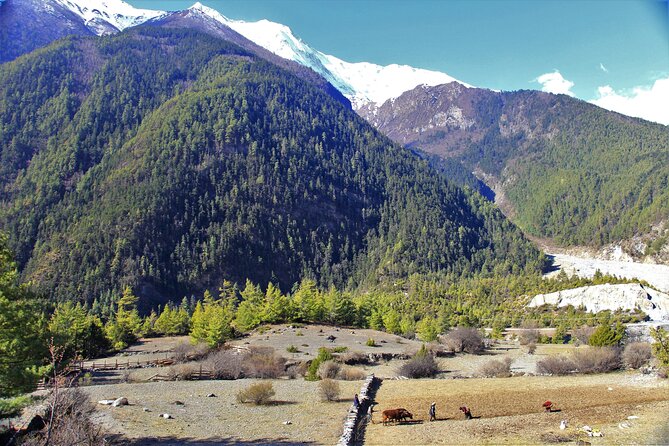
After the road to Besisahar, the trek begins to feel like trekking. The route to Syange is a mix of movement and first views, and that’s the point. Your body wakes up to changing air and the slower pace that comes with walking days.
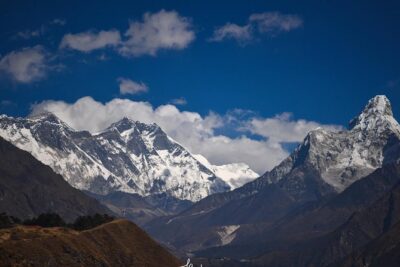
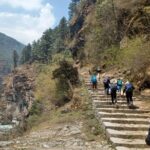
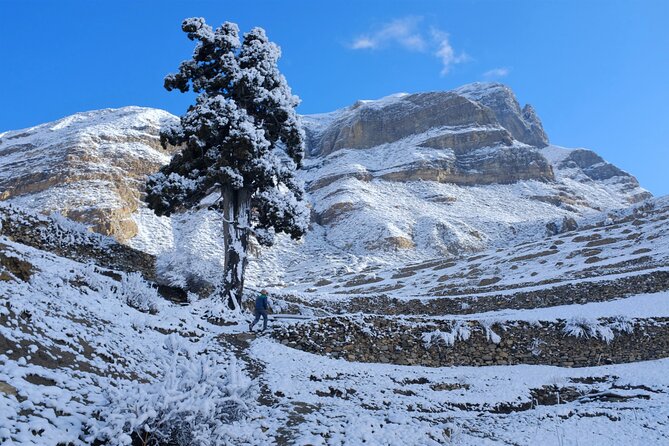
On the way to Dharapani, you take a road above a gorge so you can look down at vegetation and occasional waterfalls. You also get snow-covered peaks visible from the road at times. It’s not the dramatic summit view yet, but it’s the “yes, this is really the Himalayas” moment—quick hits that make the later big panorama days feel earned.
One practical note: these days combine road time with walking time. If you’re the type who relies on caffeine and strong morning routines, bring your usual habits with you. It’s easier to stay steady when you know what works for your nerves.
Chame and Pisang: forests to river valleys with real village texture
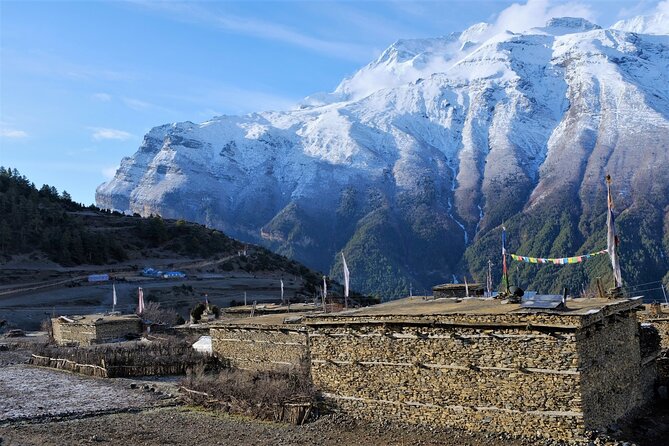
Higher you go, and the vegetation and temperature change. Chame is where that shift becomes obvious. The route goes through forested areas until Bagarchhap, described as a typical Tibetan-style village alon g the trail. That detail matters because it’s not just “we walked near scenery.” You’re passing through places with a distinct cultural look, and it helps you understand why this region feels different from the more general trekking routes.
Then comes Pisang. The route follows the northern bank of the Marsyangdi River, passing pine forests and small villages. You’ll cross over via a bridge after reaching Bratang, and then face a steep ascent. This is one of those days where trekking feels like effort followed by reward: the climb is noticeable, but the river corridor and village stops make it feel less like a slog.
If you’re traveling with knees that get cranky on steep ascents, you’ll feel this day. Go slower than you think you need to. With altitude, your legs get tired faster.
Manang: more views, but also the acclimatization reset
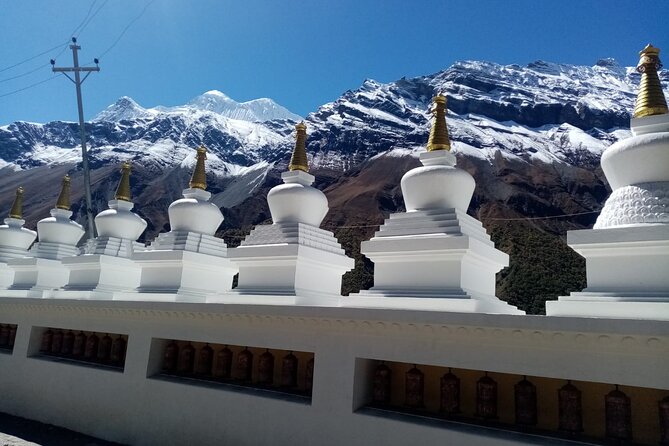
By Manang, the views are improving and snow-covered peaks show up more often. The description hints at a gradual move upward onto hills that open sightlines—exactly what you want before higher altitude days.
Then you hit an important part: a specific acclimatization day in Manang. This is not a wasted day. It’s the part of the plan that helps prevent the classic mistake of “I feel okay, so I’ll push higher.” You stay active, you can take a short trek, and you give your body time to adjust before the air gets thinner.
This is also where your trekking strategy gets real. Use the acclimatization day to:
- keep your pace gentle
- drink water consistently
- pay attention to how you sleep and how your breathing feels
If you ignore this kind of built-in breathing room, later days (especially exposed ones) feel harder than they need to.
Yak Kharka and Thorung Phedi: the arid, windier feel you have to respect
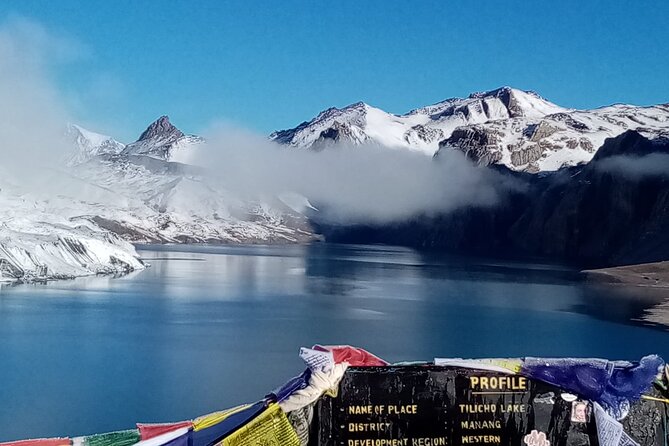
Leaving Manang, the trail heads to Yak Kharka. The description emphasizes more dramatic views of peaks like Annapurna II, Gangapurna, and Chuli, while the terrain becomes arid. That shift is common as you climb higher in the Annapurna region, but you should treat it seriously: dry air can make dehydration sneak up on you.
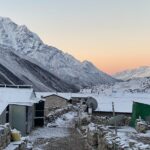
Then Thorung Phedi is where the route starts warning you about conditions. You’ve got a steady climb to a tiny settlement with views of those peaks again, and then the terrain becomes bleaker and exposed to high winds. This matters because the plan includes a major early-morning push the next day.
If you’re used to warm, stable weather, this is your reality check. Pack for wind. Layers that you can peel on and off quickly are more useful than a single heavy jacket.
The big pass day to Muktinath: early start, cold exposure, and the payoff
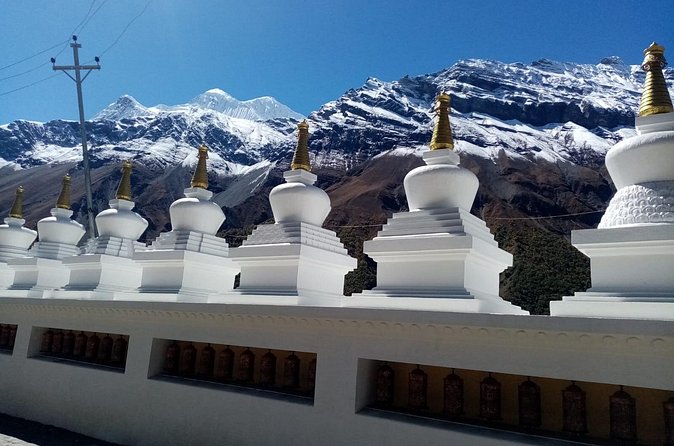
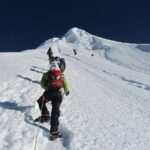
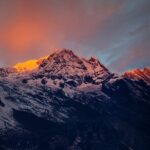
Day 10 is the “don’t hit snooze” day. It’s designed with a reason: you need to reach the high pass before wind picks up later. The start time is around 3:30 a.m., and the route is described as potentially cold, blustery, and exposed.
This is one of the most praised parts of the trek logic, even if not everyone loves the start time. The schedule protects you from worse weather later and helps you keep the day manageable.
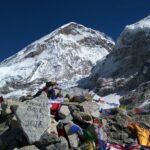
After the pass, the plan brings you to Muktinath, which is a momentous day by the itinerary’s own framing. You’re also moving from the high, exposed zone back into a place where the trek feels more grounded.
Practical takeaway: if you’re a “cold hands” person, plan to be proactive early. You’ll still be warm enough later in the day, but the start can be brutal.
Tatopani and the Jomsom checkpoint rhythm: buses in the middle of the trek
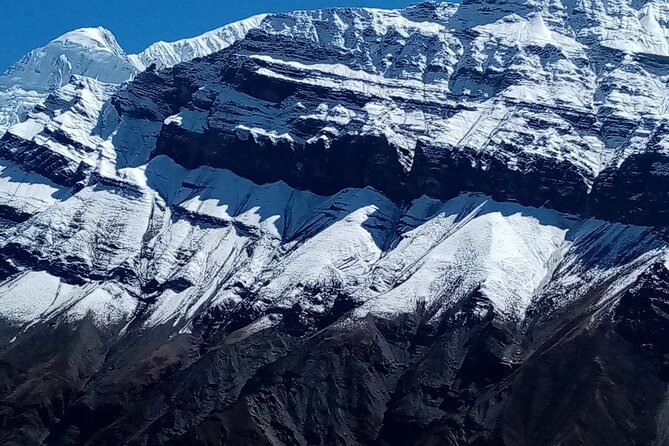
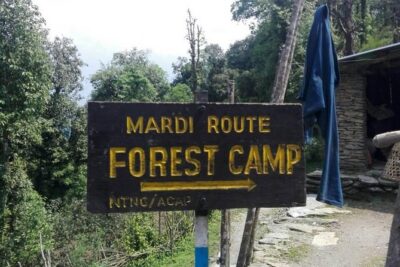
On day 11 you’re not only hiking. You’re riding—a bus ride to Tatopani that takes about 5–6 hours. The plan includes an ACAP checkpoint at Jomsom (Annapurna Conservation Area Project). The trek becomes a mix of walking and transportation again, which is normal for this combined circuit + Poon Hill extension itinerary.
The benefit of this bus segment is it gives your body some recovery time. The drawback is you lose the steady hiking “heartbeat” and replace it with road vibration and longer sitting. Pack a small travel kit: water, a light snack, and something warm for the vehicle.
Then the scenery changes again, and you walk into Tatopani (a common name in the region tied to the idea of hot springs, though your specific inclusions aren’t detailed here). Either way, this is a good day to reset your legs before the Poon Hill climb.
Ghorepani to Poon Hill: sunrise that justifies the climb
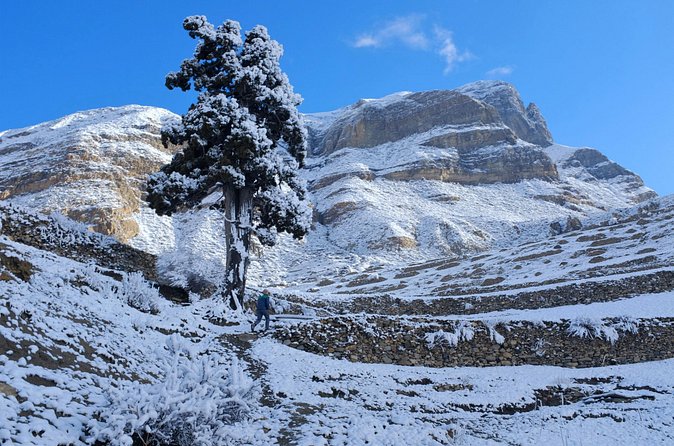
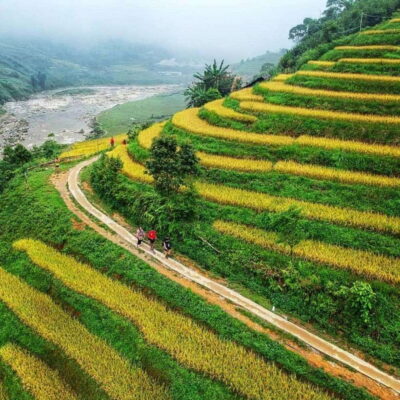
Day 12 takes you to Ghorepani. After breakfast, you descend first to a suspension bridge, cross it, and then it’s uphill again through small villages and terraced cultivation.
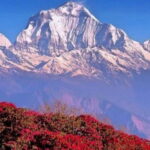
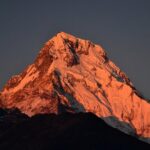
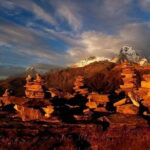
Day 13 is your payoff: an early morning start to walk up to Poon Hill for sunrise. The itinerary makes the experience feel almost like a timing puzzle—dawn arrives, colors shift, and the mountain views change as light spreads across peaks. It’s described as eye-opening and breathless, which fits the way sunrise hikes usually feel in this region: short in distance, intense in effort, and worth every heavy step.
This is also where your earlier acclimatization and conditioning show up. If you managed your pace earlier, Poon Hill feels like a highlight, not a punishment.
From Pokhara lakeside back to Kathmandu: staying efficient after the hard days
After the Poon Hill day, the plan moves you to Pokhara Lakeside and then back toward Kathmandu on day 14. Your drive back takes about 6–7 hours, with rest stops.
What you’ll like here is that the tour doesn’t end abruptly. You’re not handed a chaotic “good luck” moment. You have a structured return, and day 15 then sends you to the airport about 3 hours before departure.
If you want a little flexibility, this is also where you can plan side ideas around Kathmandu or relax before your flight home, since the schedule is built around getting you out on time.
Price and value: what $790 covers (and what it doesn’t)
At $790 per person, the value comes from what’s included rather than just the total number.
Included items:
- Kathmandu 2 nights and Pokhara 1 night in a 2-star label hotel with breakfast
- trek guesthouse accommodation during the hike
- trekking permit and official documents
- a government-licensed English-speaking guide
- hotel pickup and drop-off and round-trip transfers by shared bus or jeep
- emergency first-aid kit with the guide
- private tour structure (only your group participates)
- guide food, accommodation, and expenses
Not included:
- food and drinks (you buy along the way)
- gratuities (optional)
So here’s the honest math: you’re paying for a guided, permitted, and organized trek with lodging and key transportation handled. You’re still responsible for day-to-day meals and any extras you want to add. If you eat modestly and avoid pricey “tourist add-ons” at altitude, this package can feel very reasonable for what it handles.
If you hate uncertainty and you’d rather spend money to reduce stress, this pricing makes sense. If you’re hoping for a super-budget solo trekking style, you’ll likely find other options cheaper—but they usually shift the coordination work onto you.
Guides and organization: the human factor you should watch for
This trip’s biggest strength in real feedback is the guide experience and the sense of order. The reviews mention guides such as Krishna and Biru and highlight that they’re friendly, careful about safety, and good at explaining details. Another review even calls out that the team was well-organized and that arrangements were on time.
That matters because on a trek like this, “good” means more than friendly manners. You’re dealing with:
- early starts
- altitude and acclimatization logic
- wind exposure on the high day
- road segments mixed into trekking
A competent guide helps you keep your day plan realistic. They also reduce the stress of knowing where you’re going and what the next day will feel like.
Comfort and daily reality: guesthouses, shared routes, and pacing
You’ll stay in guesthouses during the trek. The exact room setup isn’t spelled out, so you should assume simple village lodging. What you can expect, based on the plan, is that someone has arranged these stays in advance, which is a big deal when you’re moving through multiple settlements.
Also note: there are road legs by shared bus or jeep. That means you’ll have some sitting time. Bring layers and a way to pass time if you get bored easily.
As for pacing, the itinerary spans 15 days across multiple elevation changes. The “six hours” style days show up often, meaning it’s not a short walk every day. You’ll want to train for sustained trekking, not just one big summit day.
Who should book, and who should rethink it
This trek suits you if you:
- can handle early mornings and cold starts
- have strong physical fitness
- want both a classic circuit-style route and the famous Poon Hill sunrise
You might rethink if you:
- get hit hard by altitude and aren’t confident in your acclimatization approach
- want a purely comfortable vacation pace (this is active travel)
- dislike windy, exposed conditions on high-altitude days
If you’re prepared to walk, slow down when you need to, and respect the acclimatization plan, this combination tour gives you a lot of variety for your time.
Should you book this 15-day Round Annapurna + Poon Hill trek?
I’d book it if you want a structured, guide-led Annapurna experience that includes permits, documents, hotels, guesthouse lodging, and the logistics that usually make trekking stressful. The big reason is the mix: you get the high-pass day planning with wind-aware timing and then you finish with a Poon Hill sunrise that’s scheduled to feel special at the start of morning light.
I’d hesitate only if the idea of 3:30 a.m. starts and exposed conditions sounds like a deal-breaker. This route rewards people who take cold and altitude seriously and who walk patiently.
If that’s you, it’s a strong value package for seeing a wide range of Annapurna scenery without doing the planning grunt work.
FAQ
How long is the Annapurna Circuit with Poon Hill trek?
It’s listed as 15 days (approx.).
What’s included in the price of $790 per person?
The tour includes hotel pickup and drop-off round trip, a government-licensed English-speaking trekking guide, trekking permits and official documents, Kathmandu 2 nights and Pokhara 1 night in 2-star label hotels with breakfast, guesthouse accommodation during the trek, emergency first aid kit with the guide, and round trip transfers by shared bus or jeep.
Is food included during the trek?
No. Food and drinks are not included and are available for purchase.
What accommodations will I stay in?
You’ll have 2-star label hotels in Kathmandu (2 nights) and Pokhara (1 night) with breakfast, and guesthouse accommodation during the trek.
What is the meeting point and start time?
The meeting point is SPOT ON 376 Hotel HazelJadibutti, Kathmandu, and the start time is 9:45 pm.
Do I need my own trekking permit?
The tour includes the trekking permit and all official documents, so you don’t handle that separately.