REVIEW · LOMBOK
2D-1N Hiking Rinjani To Rim Senaru – Dewa Trekking
Book on Viator →Operated by Dewa Trekking · Bookable on Viator
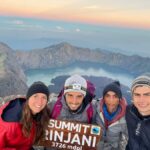
Rinjani rim rewards hard legs. This 2D-1N Senaru hike to Mt. Rinjani’s crater rim is built for one big payoff day: a long climb through rainforest, then camping at 2,641m for sunset over the volcano and crater lake. I love how it’s private, meaning your guide can slow down or speed up to match your group instead of herding you along.
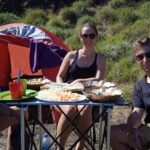
I also like that the trip is set up like a real trek, not a skim-tour. Food, water, and even camp setup support are included, so you can focus on stepping up the mountain and watching the views stack up hour by hour. Your camera will get a workout, and you’ll get two headline moments: sunset on Day 1 and sunrise on Day 2.
One consideration: this is not a stroll. You climb fast from about 601m in Senaru to the crater rim at 2,641m, and you’ll need decent physical fitness. Also, key comfort items like a headlamp/hand torch and trekking shoes are not included, so plan your packing before you arrive.
In This Review
- Key things to know before you go
- Why the Senaru crater rim trek feels different
- Dewa Trekking and the value behind the $237 price
- Day 0: arriving in Senaru and getting set up
- Day 1: forest hiking, Pos 3 lunch, then up to the rim
- Sunset at 2,641m: the payoff moment (and what to expect)
- Day 2: sunrise, breakfast, and the return to Senaru
- What’s included in your trek kit (and what you still need)
- Included by Dewa Trekking
- Not included (you should plan these early)
- How private guiding changes the experience
- Who should book this Mt. Rinjani rim trek
- Should you book Dewa Trekking for the 2D-1N Rim Senaru hike?
- FAQ
- How many days is the Mt. Rinjani trek to the crater rim from Senaru?
- What altitude do I start from, and what altitude do I reach?
- Is it a private tour?
- What is included in the price?
- Do I need to bring trekking shoes and a headlamp?
- Where do you sleep during the trek?
- Who is this trek best suited for?
Key things to know before you go
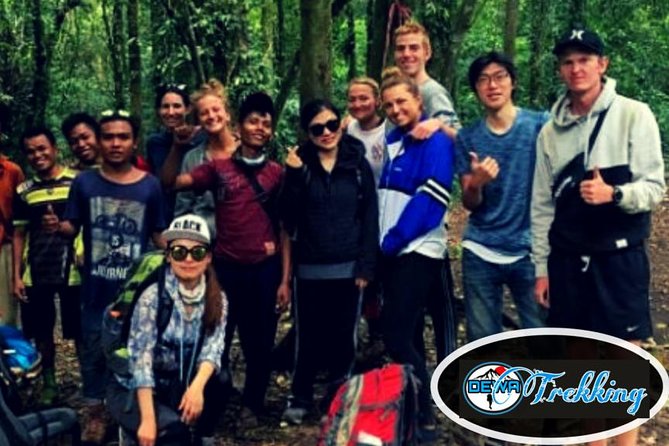
- Crater rim camping at 2,641m gives you sunset plus an easy morning sunrise plan
- Private pacing lets your guide manage effort levels and rest breaks for your group
- Support team handles the camp: guides, porters, cooking gear, and camping equipment
- Food and water are part of the deal, including 3 litres mineral water per person per day on the trek
- Forest to grassland changes fast, so expect the trail to feel steeper as altitude climbs
- Rinjani National Park entry is included, with registration at the trek centre on Day 1
Why the Senaru crater rim trek feels different
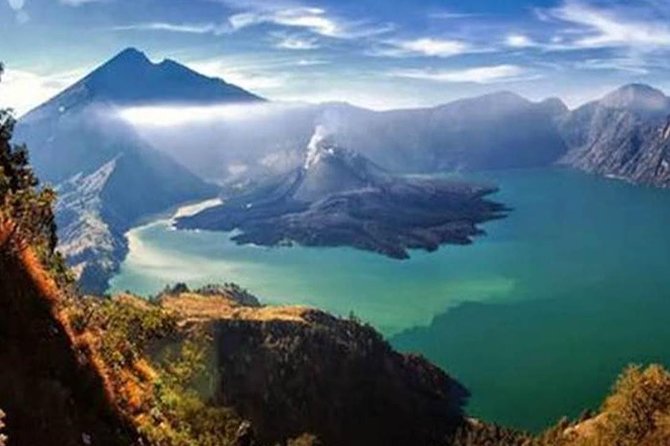
If you’re aiming for Mt. Rinjani without doing the full mega-expedition, the Senaru-to-rim route hits a smart middle ground. You start in Senaru at roughly 601m, then work your way up to the crater rim at 2,641m. That elevation shift is the whole point: the terrain changes, your breathing changes, and the views go from “nice” to “how is this real?”
Day 1 is the classic build-up. The trail begins in dense tropical forest, so the early portion feels shaded and grounded. As you climb, the forest gives way to grassland and the gradient gets more serious. That rhythm matters because it spaces the effort. You’re not going straight from sea-level flatness to thin air.
Then comes the part many trekkers remember most: you camp overnight at the crater rim. Sleeping up there turns the mountain into a full 24-hour experience. You don’t just pass the viewpoint; you live with it for a night.
You can also read our reviews of more tours and experiences in Lombok.
Dewa Trekking and the value behind the $237 price
At $237 for about 3 days (2 days of hiking plus an arrival night in Senaru), the value is mostly in what you’re not forced to organize yourself.
Here’s what’s included that usually costs extra on “DIY” hikes:
- Pickup and transfer, before and after the trek
- National park entrance fee
- An English-speaking guide
- Porters to carry cooking gear and camping equipment
- Accommodation in Senaru before the trek
- Meals and drinking water on the trek (including 3 litres mineral water per day/person)
- Camp support gear: tents, toilet tent and paper, sleeping bags, and mattresses/pillows
The practical takeaway: your personal load can stay smaller than what you might expect. Even if you still need to carry a small day pack, the big “camp logistics” are handled for you.
The private-tour note matters too. When it’s just your group, it’s easier for your guide to manage your pace. One big theme from real trip experiences is that guides can be supportive through the ups and downs—physical and mental. A good guide isn’t just navigation; they help you keep steady rhythm, take the right breaks, and arrive less cooked than you planned.
Day 0: arriving in Senaru and getting set up
Your arrival day is basically the calm before the climb. You’ll be picked up within Lombok island and transferred to Senaru, where you check in and sleep.
This matters more than it sounds. Senaru isn’t just a random starting point; it’s where your body adjusts and your plan turns real. You also get time to settle your gear the night before registration, so you’re not making decisions in the dark while everyone else is already stretching.
You’ll also be dealing with a very trek-specific schedule. Day 1 starts with an early breakfast, followed by registration at the Rinjani Trek Centre. A smooth Day 0 helps you show up mentally ready instead of rushed.
Day 1: forest hiking, Pos 3 lunch, then up to the rim
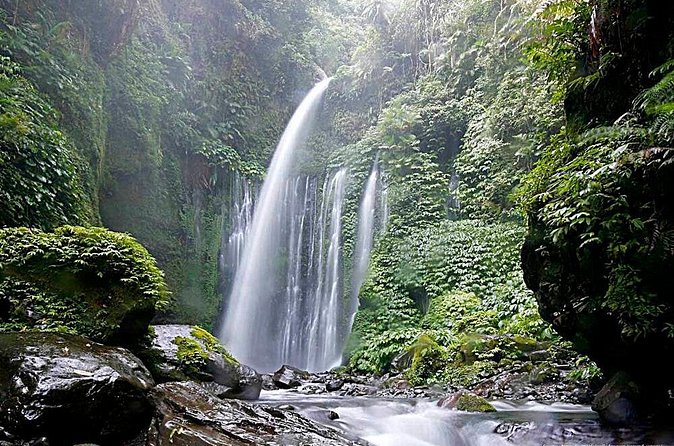
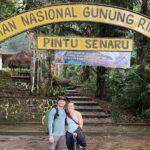
Day 1 is the long climbing day. After early breakfast, you register at the Rinjani Trek Centre and then start hiking. The first stretch goes through dense tropical forest. You’ll likely feel good here, because the shade and tree cover make the climb feel more manageable.
Along the way, you stop at named positions on the route:
- Pos 1 and Pos 2 for rest breaks and snacks
- Pos 3 (2,000 m) for a longer lunch break
- Then the continued push upward to the crater rim
That structure is useful. Rest breaks at Pos 1 and Pos 2 are there so you don’t burn out early. Pos 3 at 2,000m is a key point because lunch at higher altitude helps you recharge before the steeper final section.
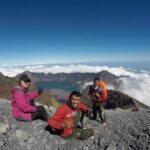
As you climb, the trail becomes increasingly steep as the environment shifts into grassland. This is the part that tests your pacing skills. You don’t need to sprint. You need consistency—short steps, steady breath, and the willingness to keep going even when you feel like the mountain is asking questions.
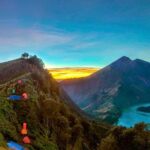
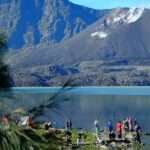
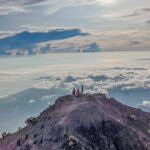
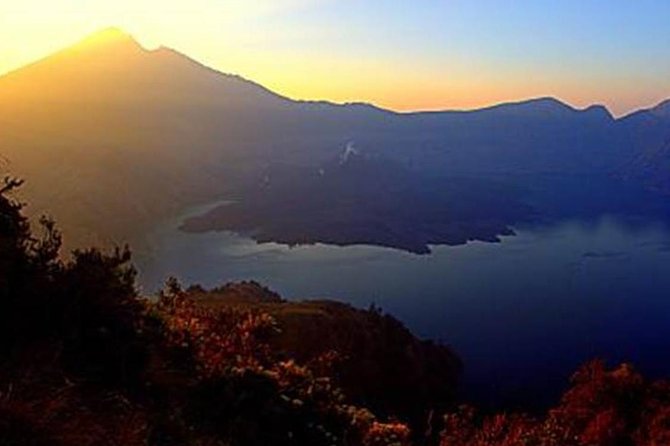
When you reach the end of the day, you camp at the Senaru Crater Rim (2,641m). This is where the trekking stops feeling like exercise and starts feeling like a view you’ll remember for years. The goal isn’t just reaching the rim; it’s watching sunset unfold over:
- Mt. Rinjani
- the crater lake
- a small volcanic cone inside the crater
You’ll be tired, camera-ready, and very glad you didn’t skip the overnight.
Sunset at 2,641m: the payoff moment (and what to expect)
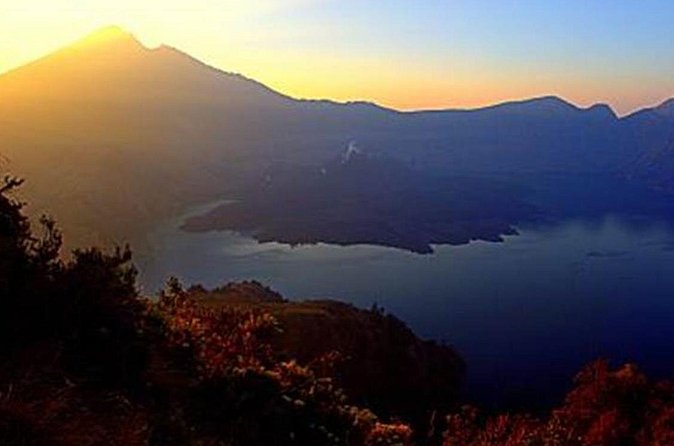
Sunset at the crater rim is the emotional highlight of the whole program. You’ll arrive late enough in the day to get that fading-light effect, and your camp location sets you up to stay and watch instead of rushing onward.
Practically, this is also where your comfort choices matter. The trek includes sleeping bags and mattresses, plus tent and basic camp setup. Still, you’re at high altitude and in open conditions near a volcanic rim. So you should come prepared for changing weather.
Your gear list is split between what’s included and what you must bring. Included camp items help a lot, but you still need personal items like:
- a headlamp/hand torch for nighttime movement
- a daily pack
- trekking shoes
If you’re hoping to photograph the rim, bring a camera plan that fits real trekking life: battery management matters, and you’ll want to be able to step away for composition without digging through your whole pack.
Also, the guide and porter team matters here. Several trips with Dewa Trekking have highlighted how helpful guides are through the climb, and how courageous porters can be with the heavy cook-and-camp loads. That support reduces stress when you’re most likely to feel it—right when you’re climbing, sweating, and thinking about the night ahead.
Day 2: sunrise, breakfast, and the return to Senaru
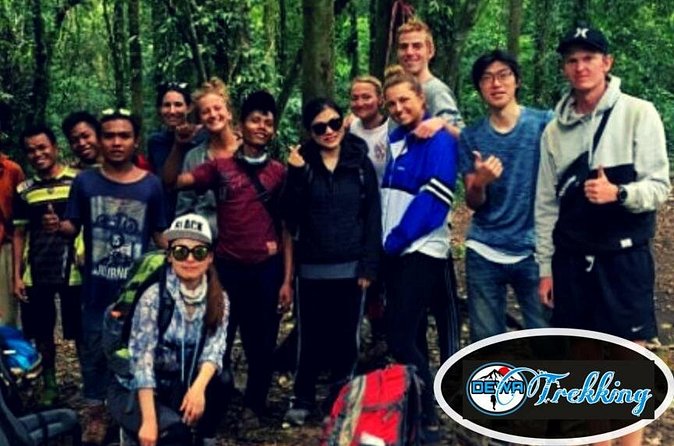
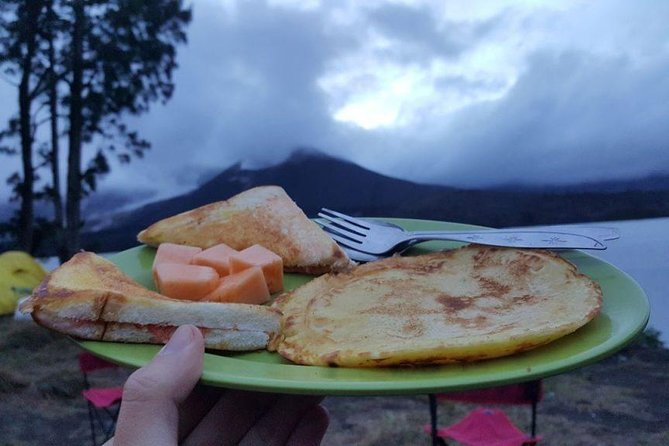
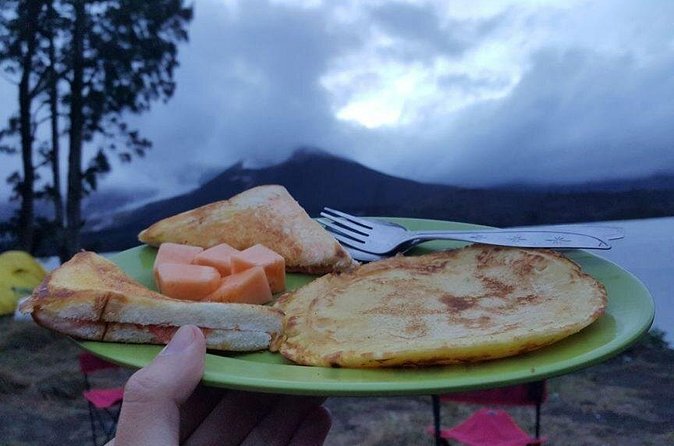
Day 2 starts with sunrise, then a leisurely breakfast before the hike down. That’s a great setup because it lets you enjoy the rim instead of immediately turning it into “just transit.”
Once you start descending, the route follows the earlier rhythm with snack and rest stops. You’ll pause at the positions again, including:
- Pos 2 for a longer lunch break
- several rest and snack breaks along the way
The descent is often mentally easier but physically tricky in different ways. Your legs do more braking than climbing. This is where a guide who knows pacing helps you avoid that last-bit soreness that can ruin the rest of your day.
You’ll arrive back in Senaru at about 1pm, and then you’ll transfer to your next destination. That timing is useful because it gives you a recovery window without wasting your full day. It also makes this trek easier to slot into a Lombok travel itinerary.
What’s included in your trek kit (and what you still need)
To pack smart, separate your needs into three piles: camp gear, personal comfort, and footwear/tech.
Included by Dewa Trekking
- Tents and toilet tent + paper
- Sleeping bags, plus mattress and pillow
- Guide and porters, including cooking gear and camping equipment
- Food and drinking water on the trek (3 litres mineral water per day/person)
- National park entry
- Accommodation in Senaru before the trek
Not included (you should plan these early)
- Head lamp/hand torch
- Small bag/daily pack
- Trekking shoes
- Rain jacket, long pants, gloves
- Tips for guide and porters
- Extra porter for your own luggage
The packing tip here is simple: don’t show up thinking you’ll borrow gear. The included items get you to camp comfort, but you still need personal safety tools and appropriate clothing.
If you want a smoother experience, bring rain protection even if skies look clear at sea level. Mountain weather can change fast, and the route moves from forest to grassland—two very different feeling conditions.
How private guiding changes the experience
This hike is private, so it’s not about crowds or scrambling for a pace. That matters because the crater rim trek is physically demanding. A private format lets your guide tailor:
- rest frequency
- snack timing
- how quickly you move during the steep parts
The best guiding shows up when motivation dips. Multiple experiences with Dewa Trekking mention guides who stay kind and supportive through the physically hard sections, not just the scenic ones. Names that have come up include Din, Windy, Dean, Seki, and Ady/Adi. You might not get the exact same person, but the style matters: patient coaching, clear planning, and porters who take the heavy camp work off your shoulders.
Who should book this Mt. Rinjani rim trek
This is a good match if you:
- have moderate physical fitness
- want real hiking with a clear goal (crater rim at 2,641m)
- care about sunrise and sunset, not just reaching a viewpoint
- prefer a private experience with guides and porters handling camp setup
It may not be your best choice if you:
- hate steep climbs or uncertain footing
- don’t want to prepare personal gear like shoes and a headlamp
- want a casual walk with minimal altitude impact
Should you book Dewa Trekking for the 2D-1N Rim Senaru hike?
If you want the best value blend of support + real mountain time, this one makes sense. You’re getting the hard-earned view moment—sunset and sunrise from the crater rim—without having to manage camp logistics yourself. The included meals, 3 litres of mineral water per trek day, and the carried cooking/camping gear are big deal money-savers and sanity-savers.
I’d book this if you’re comfortable with a steep, altitude-heavy day and you’ll pack the essentials they don’t provide (shoes, headlamp, rain protection, and a small day pack). If that sounds like you, you’ll likely find this trek not just scenic, but satisfying in that end-of-day way—when you look back at the route and realize you earned the view.
FAQ
How many days is the Mt. Rinjani trek to the crater rim from Senaru?
The program is listed as 2 days 1 night hiking. It includes an arrival day in Senaru (Day 0), then Day 1 hike to the crater rim for an overnight camp, and Day 2 sunrise and return to Senaru (arrival around 1pm).
What altitude do I start from, and what altitude do I reach?
You start in Senaru at about 601 meters above sea level and hike up to the Senaru Crater Rim at 2,641 meters.
Is it a private tour?
Yes. It’s described as a private tour/activity, with only your group participating.
What is included in the price?
Included items cover pickup before and transfers after the trek, a night accommodation in Senaru before the trek, an English-speaking guide and porters, national park entrance fee, food and drinking water during the trek (3 litres mineral water per day/person), and camping gear like tents, sleeping bags, and mattresses.
Do I need to bring trekking shoes and a headlamp?
Yes. Trekking shoes and a head lamp/hand torch are not included, and you should also bring a small daily pack.
Where do you sleep during the trek?
You sleep overnight in a tent at the Senaru Crater Rim (2,641m).
Who is this trek best suited for?
The guidance says travelers should have moderate physical fitness, since the hike is challenging and includes steep sections as you gain altitude.