REVIEW · KATHMANDU
Annapurna Circuit Trek with Tilicho Lake (16 Days)
Book on Viator →Operated by Sole Encounters Adventures · Bookable on Viator
A high mountain detour is the point. This 16-day Annapurna Circuit trek with Tilicho Lake adds one of Nepal’s biggest altitude surprises—then you still earn the iconic Thorong La Pass crossing—while staying in real teahouses and meeting everyday village life along the Marsyangdi and Kali Gandaki valleys.
I really like the way this trip builds in multiple “why we’re here” altitude steps (especially around Manang and Siri Kharka), plus the hands-on logistics that keep you from spending vacation time lost at checkpoints. I also like that the trek team is set up for support, with porters for your overnight bag and an assistant guide added for extra attention.
The main drawback to consider is that this is still a high-altitude trek with a very big pass day and a lake detour at 4,919m—so you need solid fitness and you should be ready for cold nights, basic teahouse comfort, and weather-driven schedule changes.
In This Review
- Key things that make this trek worth your time
- Annapurna Circuit with Tilicho Lake: why this route hits harder
- Getting started in Kathmandu and the ride to Dharapani
- Manang and the villages that teach your body to climb
- The Manang acclimatization days (this is where good trekking happens)
- Tilicho Lake: the detour day that turns the trip into a story
- The Thorong La Pass day (5,416m): what to expect
- Lower Mustang toward Jomsom and the ride back to Pokhara
- Teahouses, meals, and comfort: how to plan your budget and energy
- Guides, safety, and the human side of this trek
- Price and value: what $1,800 covers (and why it matters)
- Who should book this trek, and who should slow down
- Should you book the Annapurna Circuit with Tilicho Lake through Sole Encounters Adventures?
- FAQ
- What is the total duration of this Annapurna Circuit trek with Tilicho Lake?
- Where does the trek start and end?
- How much does the tour cost?
- What is the highest point on this trek?
- What permits are included?
- Are meals included during the trekking days?
- Do I need travel insurance?
- Is drinking water included?
- What’s the group size limit?
- Does the tour include help like porters and an assistant guide?
Key things that make this trek worth your time
- Tilicho Lake detour (4,919m): one of the highest foot-accessible lakes in the world, tied to both Hindu and Buddhist reverence
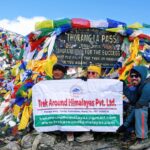
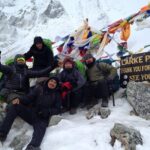
- Thorong La Pass (5,416m): the signature achievement of the Annapurna Circuit, reached by a strenuous pre-dawn climb
- Real village rhythm: pine-and-apple orchards around Bhratang, Tibetan-influenced settlements in Manang/Upper Pisang, and desert-like Mustang country after Muktinath
- Support built into the trekking team: porters (2 trekkers to 1 porter) and an assistant guide per 5 trekkers
- Practical transportation plan: shared jeep out to Dharapani, then public transport back to Pokhara, which keeps the trek from feeling like an endless private chauffeured route
- Value in included basics: ACAP + TIMS permits, first-aid trained guide, Kathmandu and Pokhara hotels with breakfast, plus some included meals
Annapurna Circuit with Tilicho Lake: why this route hits harder
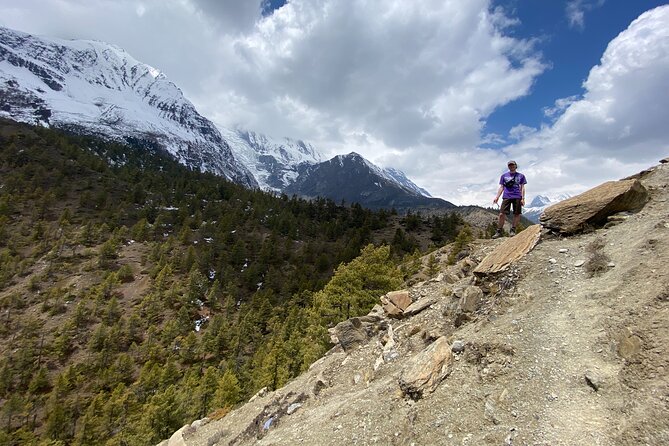
Most Annapurna Circuit treks give you the classic arc. This one adds the Tilicho Lake detour, and that changes the whole feel of the trip.
You start the journey in the Marsyangdi Valley with pine forests and hillside villages, then you climb into the Manang region where Tibetan-influenced towns start to shape the culture and architecture. After you’ve had time to get used to altitude, Tilicho Lake pulls you into a much harsher, glacier-sculpted high basin at 4,919m—a place that feels remote even when you’re sharing it with other trekkers.
Then you still go over Thorong La (5,416m) and continue down into Muktinath and the Lower Mustang-style stretch toward Jomsom. The net effect: you get both the “I’m trekking through inhabited valleys” experience and the “I’m hiking in big high-alpine country” experience, without skipping the cultural stops that make Annapurna more than just a summit quest.
You can also read our reviews of more tours and experiences in Kathmandu.
Getting started in Kathmandu and the ride to Dharapani
Day 1 is built around a calm landing. You’re met after arriving at Tribhuvan International Airport and transferred to a 3-star hotel in Thamel for check-in and rest.
Day 2 is your first reality check: you’re traveling a lot before your boots touch trail. The route follows the Prithvi Highway alongside the Trishuli River, with a stop at Mugling at the junction of the Trishuli and Marsyangdi rivers, then onward to Besisahar (the Annapurna Circuit launching point) and finally Dharapani in the Marsyangdi Valley.
What I like about this setup for you is simple: it gets you out of Kathmandu’s traffic and into the trekking rhythm without turning the first day into chaos. The tradeoff is time. By the time you reach Dharapani (1,960m), you’ll have a full day of road travel behind you, so go easy on effort until the trek days begin.
Manang and the villages that teach your body to climb
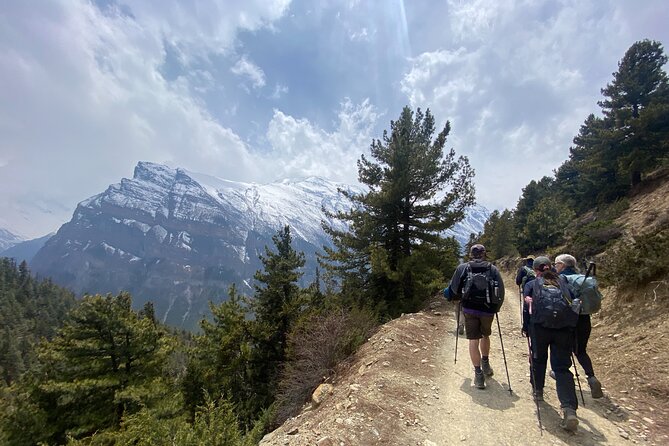
The trek proper starts with an easy-to-moderate ascent through villages and changing terrain. You pass Tachi Bagarchhap (2,160m) with white-washed houses and Buddhist chortens, then reach Chame (2,670m), the Manang District hub.
From there, you continue through the narrow gorge area around Bhratang (2,850m), including apple orchards and small juice farms. It’s a nice contrast day because the trek is still in the forest-to-hillside phase, not yet the harsh high-alpine feel.
Then you reach Upper Pisang (3,300m), a Tibetan-style settlement above the Marsyangdi River with views toward Annapurna II and Pisang Peak. The important value here is not just views—it’s that the culture and the building styles shift as altitude and region shift. This is when the Annapurna Circuit starts feeling different from a generic mountain hike.
The Manang acclimatization days (this is where good trekking happens)
The itinerary schedules you at Manang (3,540m) and then gives you an acclimatization day with choices of hikes you do in consultation with your guide. That’s not filler. Around this altitude, your body needs time to adjust, and your trekking pace needs to match what your lungs can actually handle.
You then move to Siri Kharka (4,060m), a remote ridge-top settlement with broad views of Gangapurna and the Chulu range. The climb from Manang to Siri Kharka is described as steady through juniper shrublands, which is a great kind of grind—long enough to feel training value, not so chaotic that you’re constantly stopping.
Tilicho Lake: the detour day that turns the trip into a story
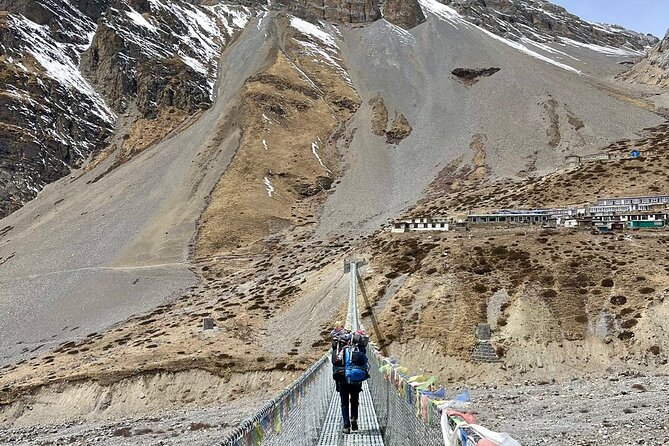
Tilicho Base Camp comes next at 4,150m, and the trail is described as short but intense, including narrow paths along landslide areas. That matters because it’s not just about distance—it’s about terrain stress.
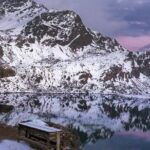
Day 9 is Tilicho Lake at 4,919m. You get a brief stop length listed for Tilicho Lake (about 45 minutes), which tells you something about the real goal: reach the lake, soak in the views and the sense of high-altitude isolation, then don’t waste daylight because you still have to recover for what comes next.
Tilicho Lake is revered in both Hindu and Buddhist traditions, and you’ll be surrounded by towering snow-covered peaks. What I think you’ll love is the contrast: the trek shifts from inhabited settlements into a glacial, big-vertical world where the air feels thin and the terrain feels like it belongs to a different planet.
A consideration: the lake is at serious altitude, so treat it like a performance, not a sightseeing stroll. If you push too hard, you’ll pay for it later. This is exactly why the itinerary includes those earlier acclimatization steps.
The Thorong La Pass day (5,416m): what to expect
After Tilicho, you head to Yak Kharka (4,050m), a high-altitude settlement used as an acclimatization and staging point before Thorong La.
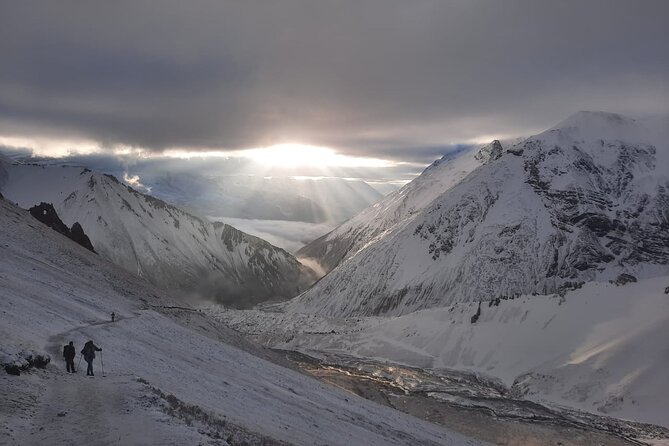
Then comes Thorong Phedi (4,540m), the final overnight before the pass. The itinerary notes that Thorong La is reached by a strenuous pre-dawn climb of over 900 meters from Thorong Phedi. Pre-dawn matters because your body temperature, your energy, and the weather window can all make or break comfort.
Crossing Thorong La (5,416m) is the headline achievement of this specific trek. The altitude is the point: you’re going to feel the thin air in your effort, not just in how you think about it. After the pass, you descend toward Muktinath (3,760m), with the itinerary describing roughly 1,600 meters of descent through rocky terrain and desert-like valleys.
Then you reach Muktinath, one of Nepal’s revered pilgrimage destinations. This is one place where the trek stops being only about your personal goal. People come here for religious reasons, and you’ll feel that atmosphere as part of the route’s meaning.
Lower Mustang toward Jomsom and the ride back to Pokhara
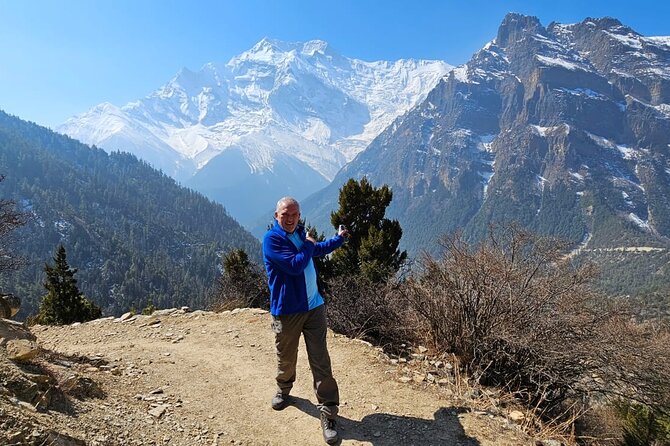
From Muktinath, you continue into Kagbeni (2,810m), a centuries-old village at the confluence of the Kali Gandaki and Jhong rivers, known as a gateway to Upper Mustang. The itinerary highlights the red-walled monastery vibe and narrow stone alleys—this is where the route starts to look and feel more arid, more wind-shaped, and more Mustang-like.
Then you continue to Jomsom (2,720m). The trail follows the Kali Gandaki River and descends around 250m through windswept country. Jomsom is also described as an administrative center and a major stop on the lower Annapurna Circuit.
Day 14 mixes trekking-and-transport energy. You go from Jomsom down via Kalopani (2,530m), which is described as one of the greener villages in Mustang and a sharp contrast to the arid surroundings above. Then you continue by bus from Jomsom area through Beni (850m) and finally arrive in Pokhara.
This is where the value shows up: after days of walking and altitude effort, you transition to a real rest city. You finish at Pokhara Lakeside, then you get another full day in Pokhara before you head back toward Kathmandu.
Teahouses, meals, and comfort: how to plan your budget and energy
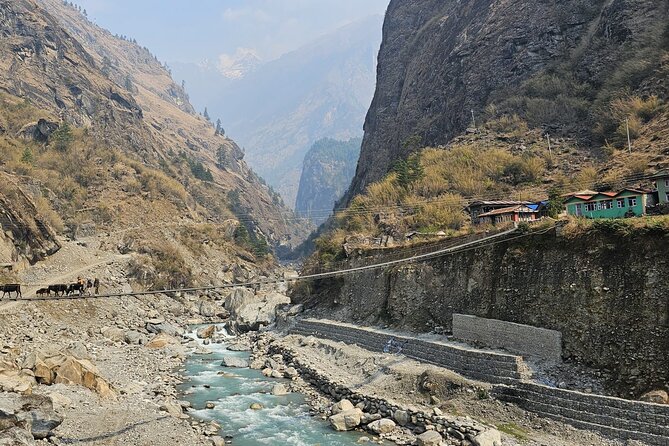
You stay in standard teahouses during the trek. The listing also notes that hot showers, battery charging, and Wi-Fi are usually available for an extra fee at most teahouses, so don’t build your budget around free comfort.
Meals are partly included. The tour includes hotel breakfasts and the itinerary indicates breakfast (3) and dinner (2), but it also clearly says meals during the trek are not included. Practically, that means you should expect to pay for lunch and most dinners along the way, typically in the teahouse/restaurant model.
Drinking water is also not included. The listing recommends bringing a filter bottle or purification tablets, which is smart in a place where water quality varies by location and altitude.
Porter and support logistics also affect comfort. Your overnight bag is carried by porters at a 2 trekkers to 1 porter ratio, so you keep your own day pack lighter. You also get an assistant guide per 5 trekkers, which can reduce stress when someone’s pace drops, weather shifts, or altitude symptoms need quick attention.
Guides, safety, and the human side of this trek
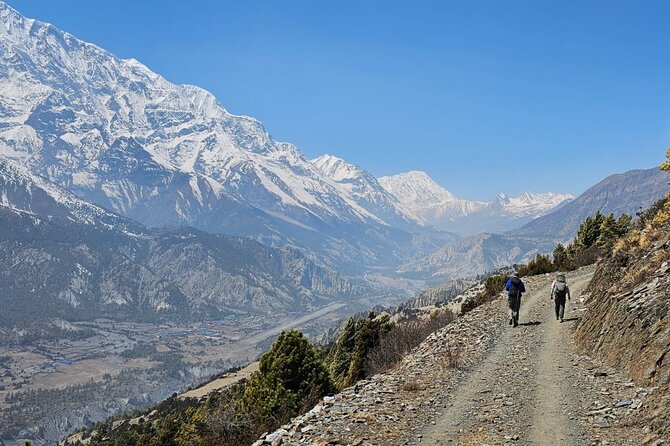
The tour includes a professional, government-licensed, first-aid trained trek guide, plus insurance coverage for the trekking crew (guides, assistant guides, and porters). That’s the kind of detail you’ll appreciate on a long mountain route when conditions change fast.
Names mentioned in the feedback point to strong communication before arrival and attentive day-to-day support. People specifically praised Raj Rai and Suman for professional, safe guidance, and Pemba Sherpa for calm, supportive direction. Others singled out Prashant for clear pre-arrival communication and Prem for guided support during the trek.
That matters because trekking isn’t just a route—it’s a sequence of decisions. A good guide system helps you choose the right acclimatization pace, handle the pre-dawn pass day sensibly, and keep the group moving without turning every hour into a debate.
Also note the group size: the experience has a maximum of 14 travelers. Smaller groups generally feel easier to manage on narrow trails and in busy teahouse areas, and the presence of an assistant guide helps with crowd control at key moments.
Price and value: what $1,800 covers (and why it matters)
At $1,800 per person, this trek costs more than some budget-only packages, but you’re not only paying for scenery. You’re paying for the non-glam parts that cost real money in Nepal: permits, licensed guiding, porter support, and the transport handoffs.
What’s included (and why it’s valuable):
- ACAP permit + TIMS permit included (government requirements for the trek)
- Insurance coverage for trekking crew included
- Kathmandu and Pokhara hotels with breakfast (3-star in Thamel and Lakeside)
- Porters for overnight bag and assistant guide support for group care
- Airport pickup/drop-off and the return transport plan (including the tourist bus back to Kathmandu and ending near the meeting point)
What’s not included:
- International airfare
- Government fees: $50 per person (separate from the permits named as included)
- Travel insurance (required, and must cover emergency evacuation and the trek’s highest altitude reached)
- Most meals during the trek
- Drinking water
- Extra comfort costs like charging and hot showers
So the real question isn’t whether $1,800 is cheap. It’s whether you want to trade your energy and time for smoother logistics. If you’d rather show up, walk, and focus on altitude and the views, this kind of package is easier to trust.
Who should book this trek, and who should slow down
This trek clearly says it’s for people with a strong physical fitness level. That’s not marketing fluff. You’re dealing with high points like Tilicho (4,919m) and a pass day over 5,416m, plus long walking days in altitude where energy drains faster.
You’ll likely enjoy it most if:
- you want a classic Annapurna Circuit with a serious altitude detour
- you like village trekking and not just summit chasing
- you appreciate organized acclimatization and support staff rather than DIY navigation
- you’re okay with teahouse simplicity and paying for many meals on the trail
You might think twice if:
- you’re nervous about pre-dawn pass climbs
- you don’t handle cold well at altitude
- you’re hoping for lots of included meals, free charging, or frequent hot showers (those are extra or not included)
Should you book the Annapurna Circuit with Tilicho Lake through Sole Encounters Adventures?
If your dream mix is high-altitude drama plus culture, this itinerary makes sense. The Tilicho Lake detour turns it into more than a standard circuit, and the inclusion of permits, licensed first-aid guiding, porter support, and assistant guide coverage is practical value when you’re at altitude and weather can change plans.
My advice: read the meal and water notes twice before you book. This is not an all-inclusive feeding-and-bathing service; you’ll be budgeting for lunches and most dinners, and you’ll want your own water purification plan. If you’re good with that trade, you’ll likely end up with the kind of trek where the pass day and the lake day both feel like personal milestones.
FAQ
What is the total duration of this Annapurna Circuit trek with Tilicho Lake?
It’s listed as 16 days (approx.).
Where does the trek start and end?
The start meeting point is Thamel, Kathmandu 44600, Nepal. The activity ends back at the meeting point.
How much does the tour cost?
The price is $1,800 per person.
What is the highest point on this trek?
The highest trekking pass is Thorong La Pass at 5,416m. Tilicho Lake is listed at 4,919m.
What permits are included?
The tour includes the Annapurna Conservation Area (ACAP) Permit and the Trekkers’ Information Management System (TIMS) Permit.
Are meals included during the trekking days?
Only some are included. The tour lists breakfast (3) and dinner (2), and it also says meals during the trek are not included.
Do I need travel insurance?
Yes. Travel insurance is not included, and it must cover emergency evacuation and the trek’s highest altitude reached.
Is drinking water included?
No. Drinking water is not included, and you’re advised to bring a filter bottle or purification tablets.
What’s the group size limit?
The maximum group size is 14 travelers.
Does the tour include help like porters and an assistant guide?
Yes. Porters carry your overnight bag at a 2 trekkers to 1 porter ratio, and there’s 1 assistant guide per 5 trekkers.