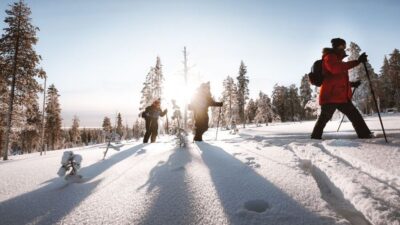
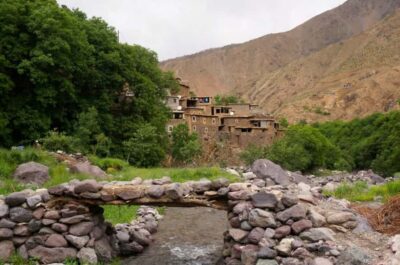
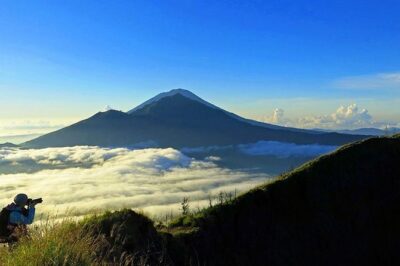
Some mornings change how you see mountains. This Poon Hill trek is built around the big sunrise payoff, with time on trails that run through small villages and rhododendron forests, plus serious views of the Himalayas in a tight, family-friendly route.
Two things I like right away: the private door-to-door style transport (airport pickup and transfers) and the focused, guided trekking setup with guesthouse stays, full-board meals on trek days, and a crew ratio of 2 guests to 1 porter. One thing to consider: this plan is weather-dependent and Day 3 and Day 4 include lots of stairs and steep climbing, so you’ll want comfortable shoes and a steady pace.
In This Review
- Key Things You’ll Notice on This Poon Hill Trek
- Why Poon Hill Sunrise Is the Main Event Here
- Kathmandu Setup: Pickup, Briefing, and Getting Your Bearings
- Day 2’s Long Drive to Pokhara: Views, Timing, and Reality Checks
- Day 3 to Ulleri Starts: Stair Work, Meadows, and Village Life
- Day 4: Ulleri Stairs Through Rhododendrons (and Maybe Langurs)
- Day 5: The Poon Hill Sunrise, Kali Gandaki Views, Then Hilly Trek to Tadapani
- Day 6: Down to Ghandruk, Then Back to Pokhara to Finish Strong
- Day 7: Pokhara Back to Kathmandu
- What’s Included (and Why That Can Be Real Value)
- The Human Part: Guides and Porters You’ll Actually Feel
- Comfort and Practicalities: What to Pack and What to Expect
- Price and Logistics: Is $450 a Good Deal for What You Get?
- Should You Book This Poon Hill Trek with Nepal Trek Hub?
- FAQ
- What time does the trek start from Tribhuvan Airport?
- How long is the Poon Hill trek experience?
- Is airport pickup and transportation included?
- Are meals included during the trekking days?
- Do I need to pay for the Annapurna area permits?
- What is not included in the price?
Key Things You’ll Notice on This Poon Hill Trek
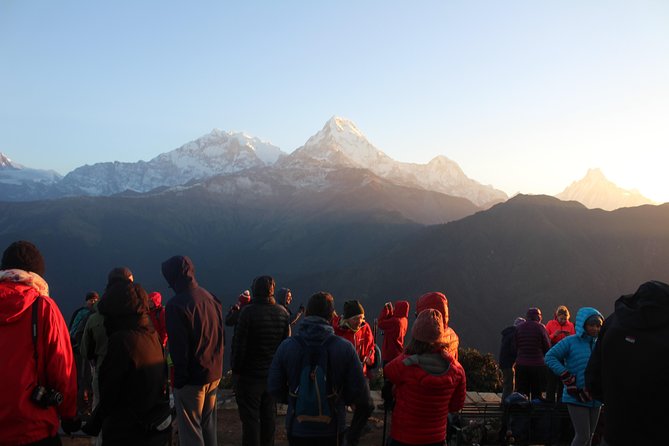
- Sunrise-first viewpoint planning at Poon Hill, timed for the best chance at clear views
- Big-name Himalayan views in one shot, including Dhaulagiri (8167 m) and Annapurna (8091 m)
- Rhododendron and magnolia forests on the uphill sections, with a real scent-and-sounds feel
- Gurung and pun culture along the route, not just scenery
- Small-group feel with private participation, plus a porter for luggage support (2:1)
- Professional, English-speaking guidance and crews covered by guide/porter insurance
Why Poon Hill Sunrise Is the Main Event Here
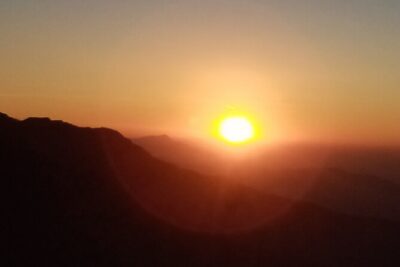
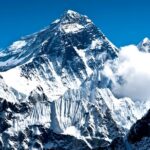
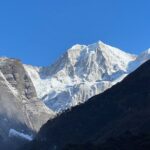
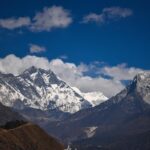
If you like early starts, you’ll love how this trek is structured. The day at Poon Hill begins early, then you get that moment when the peaks light up in the morning glow. On this route, the sunrise view is set up to show you multiple Himalayan giants at once, including the famous names tied to the Annapurna and Dhaulagiri region.
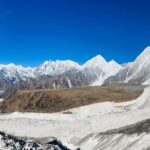
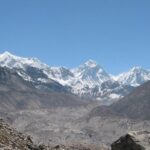
What makes Poon Hill special on this plan is that it is sold as a wide-angle moment: you’re not just craning for one peak. You’re aiming for a panoramic view over high country, with a range of peaks visible in the morning light. The trek also highlights the Kali Gandaki Gorge (described as about 6,000m deep) and the way the trans-Himalayan ranges create the visual border area between Nepal and Tibet.
The other thing I appreciate is that the route doesn’t end at the viewpoint. After sunrise and late breakfast, you return to trekking and keep moving. That means you get the emotional hit of sunrise and then the grounding of actual hiking through forests and villages.
You can also read our reviews of more tours and experiences in Kathmandu.
Kathmandu Setup: Pickup, Briefing, and Getting Your Bearings
Day 1 is all about easing you into Nepal without turning it into a puzzle. You start at Tribhuvan Airport with a pickup and a private transfer to your hotel, then you get a briefing on how the trek will work.
This matters more than it sounds. When you’re about to start early-morning trekking, you want clarity on what’s coming next: how you’ll move, how long drives take, where to be at specific times, and what you’ll likely need during the hike. Even a short briefing helps you relax and pack smarter.
You also get a mobile ticket as part of the tour setup. That’s one less thing to chase down on arrival day.
Day 2’s Long Drive to Pokhara: Views, Timing, and Reality Checks
Day 2 is a big travel day: you drive from Kathmandu to Pokhara, and the trip takes about 8–9 hours. You’ll also get mountain-range views on the way, which is a nice warm-up if you like seeing the Himalayas gradually appear as the road climbs and bends.
This is one of those days where you should plan your energy. Even though it’s not trekking, you’re still moving for most of the day. If you’re sensitive to long rides, consider bringing neck support and hydrating well. The more comfortable you are in the van, the easier it is to enjoy Pokhara when you reach it.
Lunch and dinner in Kathmandu and Pokhara city aren’t included, so you’ll want to budget for those meals on arrival and settling days.
Day 3 to Ulleri Starts: Stair Work, Meadows, and Village Life
Day 3 begins with a drive to the trekking start point. The plan takes you from Pokhara toward Hile, with a drive time around 3–4 hours. Once you arrive, you have lunch and then start hiking.
This first trekking day includes a lot of stairs. That doesn’t mean it’s a stunt trek, but it does mean you’ll feel it in your legs. The payoff is that the day is described as full of variety: you pass through countryside with meadows, jungle-like stretches, and local villages along the way.
You’re also already moving through cultural heartland. This trek is noted for passing areas tied to Gurung and pun communities, so you’re not just walking through “pretty wilderness.” You’re walking through lived-in places—where the trails connect homes, farms, and guesthouses.
A practical tip: treat the first day as a warm-up for the uphill rhythm. If you rush, the stairs will punish you later. If you pace, you’ll arrive feeling satisfied instead of wrecked.
Day 4: Ulleri Stairs Through Rhododendrons (and Maybe Langurs)
Day 4 is where the route leans into steep climbing. You head up what’s locally known as the Ulleri Stairs. The description here is vivid for a reason: the path isn’t just brutal steps. It winds through forests of magnolia and rhododendrons, and if you’re hiking during flowering season, the sights and scents are a highlight.
This day is also where you may get a bit of wildlife drama. The route notes a chance of spotting the Nepal grey langur monkey chirping and moving through the treetops. It’s not guaranteed, but that kind of detail tells you the trail is active with more than just rocks and trees.
If your knees are temperamental, consider trekking poles. Even if the tour doesn’t mention them, poles can make a huge difference on stair-heavy days. And if you’re traveling with kids or anyone returning from injury, this is the day to be especially honest about pace.
Day 5: The Poon Hill Sunrise, Kali Gandaki Views, Then Hilly Trek to Tadapani
This is the long-feel day in the best way: start early, get the big panorama, then keep hiking with real variety.
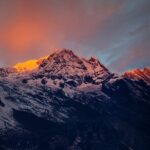
First comes Poon Hill again, with a sunrise panorama described around three Himalayan peaks: Dhaulagiri I, Annapurna I, and Manalsu. You also get wider geographical context—views tied to the Kali Gandaki Gorge and a visual sense of the Nepal–Tibet boundary area formed by trans-Himalayan ranges.
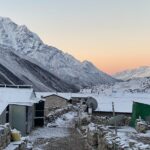
After that, you return to the lodge for a late breakfast. Then the trek continues from Ghorepani to Tadapani. This stretch is described as notoriously hilly with plenty of up-and-down. So yes, after the sunrise “wow,” your legs still need to do work.
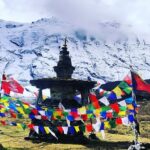
The good news is that the scenery is described as dense and flowering forest. That matters because hilly trekking can feel repetitive. When the route stays interesting—tree cover, forest color, and trail changes—it’s easier to keep going without counting minutes.
Day 6: Down to Ghandruk, Then Back to Pokhara to Finish Strong
Day 6 is a relief day in the best sense: you trek down to Ghandruk, then drive to Pokhara. The way the tour ends trekking here means you’re not looking at a final grind that stretches past the point where people feel done.
That “trek down” detail matters. After several stair-and-up days, downhill can still be hard, but it often feels mentally easier. You can focus on steady steps and letting gravity help instead of constantly clawing uphill.
You’ll also be done with your trekking accommodation portion after this day. From here, you transition back to city driving and the end of the hike.
Day 7: Pokhara Back to Kathmandu
On Day 7, you drive back to Kathmandu. This is the last leg, and it’s built to complete the loop: Kathmandu in, trekking days in the hills, trekking out, and then a final transfer home base.
Because the trekking portion is concentrated and structured, you don’t spend the whole week “in transit.” You still have travel time, but the tour uses that time to connect you to the trailheads instead of wasting days.
What’s Included (and Why That Can Be Real Value)
The price is $450 per person, and what you get matters more than the number.
Included highlights that genuinely reduce hassle:
- Private transportation and airport transfer by private vehicle
- Fully escorted trek with an English-speaking licensed guide
- Guesthouse basis accommodation during trekking days
- Meals on full board during the trekking days (breakfast, lunch, dinner)
- Annapurna Conservation Area Project permits
- Trek crew support: each 2 guests 1 porter, plus a first aid box
- Tourist bus transfers (Pokhara to Kathmandu for guest and guide, plus tourist bus transfer to Pokhara)
- Insurance for guide and porter
- Duffle bag if you need it, and seasonal fruits if possible
That meal and accommodation structure is a big deal. When someone else handles where you sleep and what you eat on trek days, your day-to-day choices shrink. You can spend more energy on walking and enjoying the route.
The Human Part: Guides and Porters You’ll Actually Feel
One of the strongest themes in the provided feedback is how people describe staff attention.
You’ll see recurring names like Mr. Shree Ram (planning and coordination), Mr. Nabaraj, porter Ashuk, and guides including Sheeram, Ashish, Abishek, and Bimal. The details also point to real-world problem solving: adapting to weather when needed, caring for trekkers through the itinerary, and adjusting plans when conditions aren’t cooperating.
That’s exactly what you want in a trek like this. Sunrise days hinge on weather. Stair-heavy days hinge on pace. A good guide keeps you moving safely and also keeps morale steady when the route gets tiring.
Comfort and Practicalities: What to Pack and What to Expect
This trek includes guesthouse stays, full-board trekking meals, and no mention of modern hotel comforts during the hike.
Plan on:
- No hot shower during trekking (hot shower is not included)
- No battery charging during trekking included
- Laundry, phone calls, and drinks not covered
- You’ll need your own personal trekking clothing and equipment
Even if the tour provides a duffle option, you still control what fits your routine. I’d focus on layers for cool mornings (especially around sunrise) and footwear ready for stair days.
The tour also emphasizes it’s suitable for all types of trekkers and family holiday attendees, but your body still has to handle stair climbing. Treat that as “achievable,” not “effortless.”
Price and Logistics: Is $450 a Good Deal for What You Get?
For $450 per person, the best value here is the bundle of transport plus guided, escorted trekking plus permits plus full-board meals on trekking days.
You’re not just paying for the trail view. You’re paying for:
- airport pickup and transfers
- a guide and porters
- guesthouse logistics
- permits for the area
- meals during trekking days
Then you pay a few things that are not included: your Nepal entry visa fee (listed as $40), plus lunches/dinners in cities, and your personal gear.
Tips for the crew are noted as not compulsory but highly expected. That’s pretty standard for Nepal trekking. If you want to travel responsibly, budget for it.
Should You Book This Poon Hill Trek with Nepal Trek Hub?
I’d book this if you want one of Nepal’s best morning mountain experiences without turning the trip into an organization project. The combination of sunrise planning, guided support, and structured logistics makes it a strong choice for couples, solo hikers, and even families who want a guided setup.
I wouldn’t book it if:
- you hate early mornings
- you’re not comfortable with steep stair sections
- you’re traveling during a period where weather reliability worries you a lot (the trek requires good weather)
One smart decision rule: if you have the patience for stairs and you’re okay with weather being the boss, this trek is the kind of itinerary that delivers big views for a manageable trekking week.
If you’re flexible on dates, you’re also in a better position if conditions aren’t ideal. The experience can be offered on a different date or refunded if canceled due to poor weather.
FAQ
What time does the trek start from Tribhuvan Airport?
Pickup from Tribhuvan Airport is listed with a start time of 7:15 am.
How long is the Poon Hill trek experience?
The duration is listed as about 7 days, with the trekking portion described as a 4-day hike within that trip.
Is airport pickup and transportation included?
Yes. The tour includes Kathmandu international airport transfer by private vehicles, plus private transportation as described in the itinerary.
Are meals included during the trekking days?
Yes. The tour includes full-board meals during trekking days: breakfast, lunch, and dinner each trekking day.
Do I need to pay for the Annapurna area permits?
Permits are included. The tour lists Annapurna Conservation Area Project permits as included.
What is not included in the price?
Not included are the Nepal entry visa fee (US$ 40), lunch and dinner in Kathmandu and Pokhara city, personal trekking equipment and clothing, hot shower during trekking, battery charges, drinks, and tips for the crew (not compulsory but highly expected).