Kareri Lake is the kind of trip that feels bigger than its price tag. I love that this is a guided trek up to a real destination (not just a walk), and I also like how the trip handles the basics: meals, tents, and round-trip transport are baked in. You get lake-time, plus the stop at the Lord Shiva temple near Kareri Lake, which adds a spiritual pause to the hike.
One thing to think about before you book: you’ll need moderate fitness for the trekking days, and you’re camping in tents. If you’re expecting hotel comfort or a super-easy stroll the whole way, this may feel like more work than you want.
In This Review
- Key Things to Know Before You Go
- Why This 3-Day Kareri Lake Trek Works as a Quick Mountain Reset
- Day 1: Dharamshala to Kareri Village, Then Rioti Campsite by Evening
- Day 2: Trek to Kareri Lake, Temple Time, and Big View Breaks
- Day 3: Return to Kareri Village and Back to Dharamshala by Evening
- Camping Comfort That’s Actually Listed: Tents, Sleeping Bags, Mattresses, Washroom Tent
- The Value Equation: Price, What’s Included, and What You Still Need
- Fitness, Weather, and Group Size: The Practical Side
- Who This Trek Fits Best (and Who Should Skip It)
- Packing Tips That Keep You Comfortable (Without Overthinking)
- Should You Book the Kareri Lake Trek?
- FAQ
- What is the starting point and meeting time for the Kareri Lake trek?
- How long is the trek?
- Is round-trip transportation included?
- What trekking and camping gear is included?
- Are meals included?
- Do I need a porter?
- What fitness level do I need?
- What is the maximum group size?
- What happens if weather is poor?
Key Things to Know Before You Go
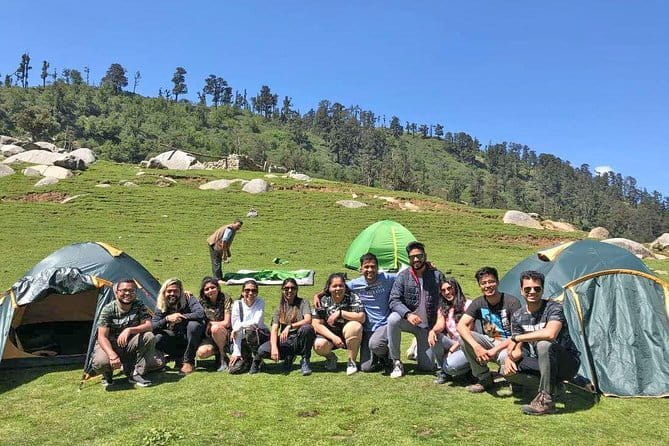
- Beginner-friendly pace with a real trek: described as moderate and doable for first-timers if you take it steady
- Tents + sleeping bags + mattresses included: you’re not left scrambling for gear
- Meals are included for the main trekking rhythm: breakfast, lunch, and dinner across the days
- Kareri Lake viewpoints plus a temple visit: sightseeing is built into the second day
- Offbeat feel in quieter seasons: more peaceful trekking time when conditions are right
- Winter-ish rewards are possible in March: late March can bring snow and a frozen lake look
Why This 3-Day Kareri Lake Trek Works as a Quick Mountain Reset
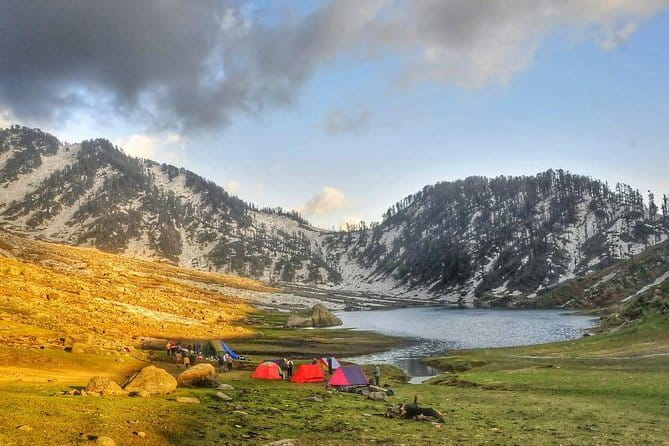
If you’ve got limited time in the Dharamshala area, this trek gives you a focused goal without turning your whole trip into a logistics nightmare. It’s short (about 3 days), and it runs on a clear rhythm: travel and ease in on day one, work toward the lake on day two, then return to town on day three.
The value is strong because a lot of the expensive headaches are already handled. You’re paying for: a guide, transport between Dharamshala and Kareri village, camping equipment, and a full set of included meals. For many hikers, that’s the difference between thinking about the mountains and actually getting there.
The trek is also a good fit if you want something off the main circuit. People talk about the experience as peaceful, especially in off-season periods, and you’ll still get that sense of effort with things like water crossings and stream sections. Translation: you get outdoors time without needing advanced training.
You can also read our reviews of more tours and experiences in Dharamsala.
Day 1: Dharamshala to Kareri Village, Then Rioti Campsite by Evening
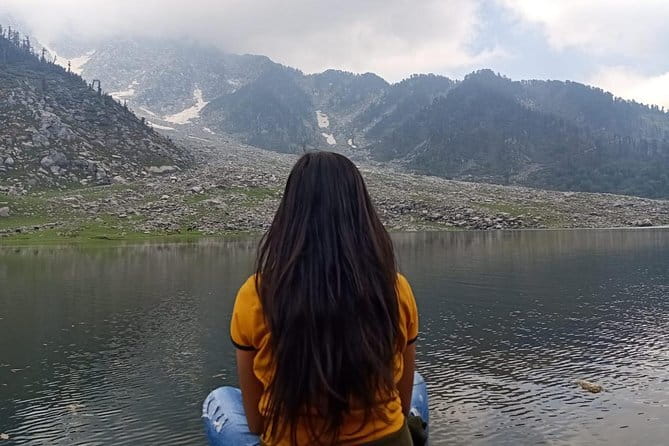
Day one starts with a straightforward morning plan. You arrive in Dharamshala, then you’ll transfer toward Kareri village from the bus stand area (about 25 km). This is one of those steps that matters more than it sounds. You’re not trying to figure out how to reach the trailhead while carrying questions, water, and energy you don’t have yet.
Timing is flexible based on when your arrival lines up. Lunch is served depending on your schedule, so don’t assume a perfectly timed meal the moment you step off the vehicle. After lunch (or whenever your timing allows), you begin the trek toward Rioti campsite.
The goal of day one is not to exhaust you. It’s to get you onto the route and into camping mode. You reach Rioti by evening, and you’ll settle in for night with your provided gear. If you’re a first-timer, this day is your “learn the rhythm” day: how fast you can walk, how to pace uphill, and how your body handles altitude and exertion.
Practical takeaway: go out on day one at a pace you can maintain. Saving energy here makes day two feel more like a satisfying hike than a survival test.
Day 2: Trek to Kareri Lake, Temple Time, and Big View Breaks
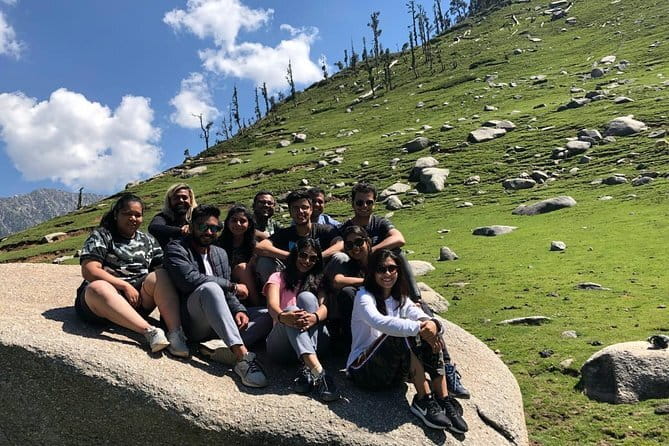
Day two is the main event. You’ll have breakfast, then start trekking toward Kareri Lake. This is where the adventure turns from “getting there” into “you’re actually on the route.”
When you reach Kareri Lake, you get sightseeing time at the Lord Shiva temple. It’s not just a quick photo stop either—this part gives you a reason to slow down, absorb the setting, and shift from hiking mode into visitor mode.
You also get a packed lunch at the lake site. That detail is genuinely useful. It means you’re not stopping to hunt for food or getting stuck with decision fatigue while you’re already tired and the views are pulling your attention in every direction.
From there, you have time for full sightseeing views of Kareri Lake. This is also the day when weather swings can change what you experience. If you go around the third week of March, there’s a real possibility of snow and a frozen lake look. That’s a huge difference from “normal summer photos,” and it’s exactly why this trek is popular around shoulder seasons.
One more thing to note: several people highlight natural water sections, including waterstreams and river crossings. Those moments make the trek feel more alive and less like a straight line hike. They also mean you should be careful with footing—especially on mixed terrain.
Day 3: Return to Kareri Village and Back to Dharamshala by Evening
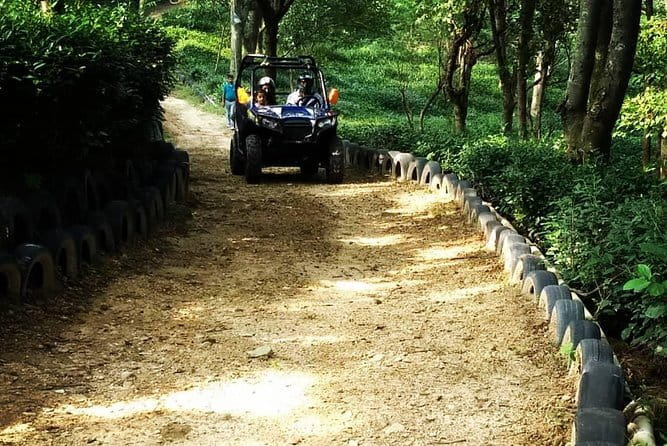
Day three is all about the descent and recovery. You start with breakfast, then trek back toward Kareri village. The route is the reverse of the way in, but that doesn’t mean it’s easy. Going down uses different muscles, and your knees feel it if you walk too fast.
Once you reach Kareri village, you’ll be transferred back to the Dharamshala bus stand. The aim is to return by evening, so you can plan a normal dinner back in town instead of spending the night still thinking about trekking logistics.
If you can, treat day three like a “finish strong” day. Take shorter steps downhill, keep your balance, and don’t try to outpace the group just to prove something. The reward is getting back with enough energy to actually enjoy your last hours in Dharamshala.
Camping Comfort That’s Actually Listed: Tents, Sleeping Bags, Mattresses, Washroom Tent
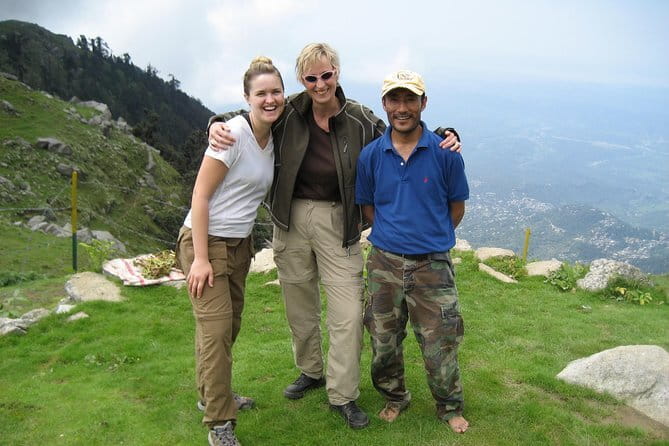
Camping is where many low-cost treks can get sketchy. Here, at least the core gear is included. You’ll get tents, sleeping bags, and mattresses, plus a washroom tent.
That washroom tent detail matters. It won’t be glamorous, but having designated facilities makes a difference for comfort after a full day of walking. It also helps you sleep better, which you’ll appreciate because day two starts with trekking early.
Still, keep expectations realistic. You’re outdoors. Nights can feel chilly depending on the season, and you may want to bring layers even if your daytime hike feels warm. The trek provides sleeping gear, but it doesn’t replace common sense layering.
If you’re worried about sleeping on a mattress, test your expectations at home. You’ll likely manage fine if you’re okay with a basic outdoor setup and you rest when you can.
The Value Equation: Price, What’s Included, and What You Still Need
At $31 for an about-3-day experience, this is priced in the “budget but structured” category. You’re not just paying for a trail. You’re paying for the stuff that otherwise costs money and time: transport, guide support, meals, and camping equipment.
Here’s what’s included:
- Camping equipment: tents, sleeping bags, mattresses, washroom tent
- Private transportation between Dharamshala and Kareri village (round-trip)
- An experienced trek guide
- Meals: 2 breakfasts, 2 dinners, 2 lunches
- Adventure admissions: listed as admission ticket included for the scheduled days
Here’s what’s not included:
- Tips or extra gratitude for guides
- Porter support
- Extra personal trekking equipment (like shoes)
- Any special personal refreshment or energy drinks
So what should you do with that info? Plan as if you’ll need your own footwear and personal trekking basics. Don’t assume the provided sleeping kit means you’re covered for everything else. If you show up without proper shoes, you’ll feel it fast on rocky sections and slippery crossings.
Also, because the trip starts at 10:00 am, you’ll want your Dharamshala morning set up so you’re not rushing. Build a small buffer for check-in and any last-minute questions.
Fitness, Weather, and Group Size: The Practical Side
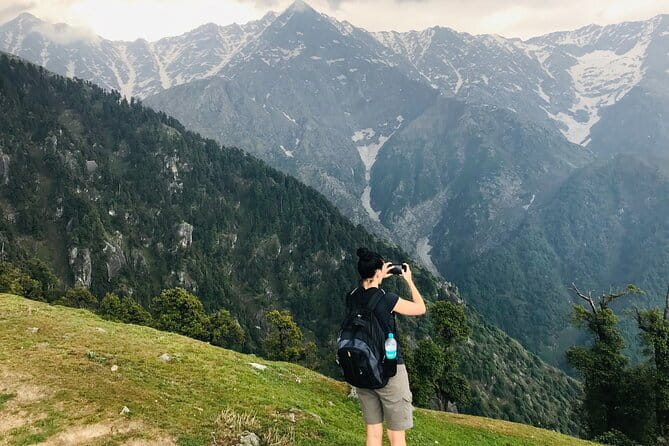
This trek is listed for travelers with moderate physical fitness. That matches what you’d expect from a short mountain itinerary: you’ll walk enough to feel it, but you’re not trying to conquer something technical over days of high-altitude climbing.
Group size is capped at 20 travelers. That’s usually a sweet spot. It’s not so large that you feel lost in the crowd, and it’s big enough that the logistics stay organized.
Weather is a real factor. The experience requires good weather, and if it’s canceled due to poor conditions, you’ll be offered a different date or a full refund. That’s important to remember because the mountains don’t care about your schedule.
A little humor for your planning: mountains don’t do calendar promises. They do weather promises. If conditions are unsafe, the operator will adjust.
Who This Trek Fits Best (and Who Should Skip It)
I’d point this toward you if:
- You’re a beginner who still wants a proper trekking goal
- You want an offbeat, peaceful feeling (especially in quieter seasons)
- You like the mix of walking plus a clear sightseeing stop at the lake and temple
- You want a guide and gear support without paying a premium
I’d be cautious if:
- You need high comfort sleeping and indoor bathrooms
- You’re looking for a totally flat, easy walk with no uneven or wet sections
- You don’t think you can handle a moderate trekking schedule over consecutive days
The reviews also hint at beginner ease when pacing is sensible. One trek participant described it as a small and easy trek with a beginner-friendly challenge level, including waterstreams and river crossing as memorable highlights. That tracks with how the itinerary is structured: day one sets the pace, day two does the work, day three brings you back.
Packing Tips That Keep You Comfortable (Without Overthinking)
Since extra personal trekking equipment isn’t included, focus on the essentials:
- Proper trekking shoes for uneven ground and water crossings
- Layers for cooler evening camping temperatures
- A small daypack for snacks, water, and a light jacket
- A personal water bottle (and any personal refreshment you like)
The rest is personal. If you’re going in late March and you might see snow or a frozen lake look, plan for colder conditions at the lake viewpoint—even if the hike starts warmer. That’s the trick with mountain mornings: your first hour can feel mild, and your lake hour can feel sharper.
Should You Book the Kareri Lake Trek?
If you want a short, guided mountain escape with real scenery and built-in structure, I think you should book it—especially for the price and the way the trip covers the basics (guide, transport, tents, and meals).
Where you should slow down is if you’re sensitive to uneven terrain or you expect hotel comfort. This is camping trekking. You’ll get comfort items, yes, but you’re still outdoors.
My recommendation: book if you’re ready for a moderate trek, you’ll bring the right shoes and layers, and you’re excited for that lake-and-temple day. If late March is on your radar, the chance of snow and a frozen lake makes this trek even more interesting.
FAQ
What is the starting point and meeting time for the Kareri Lake trek?
The trek starts in Dharamshala, Himachal Pradesh, and the start time is listed as 10:00 am.
How long is the trek?
The itinerary runs for about 3 days.
Is round-trip transportation included?
Yes. Round-trip transportation between Dharamshala and Kareri village is provided.
What trekking and camping gear is included?
The package includes tents, sleeping bags, mattresses, and a washroom tent.
Are meals included?
Yes. Breakfast (2), lunch (2), and dinner (2) are included.
Do I need a porter?
Porter service is not included.
What fitness level do I need?
The tour is listed for travelers with a moderate physical fitness level.
What is the maximum group size?
The trek has a maximum of 20 travelers.
What happens if weather is poor?
The experience requires good weather. If it’s canceled due to poor weather, you’ll be offered a different date or a full refund.