REVIEW · KATHMANDU
Private Lobuche East Peak Climb and Mt Everest Base Camp Trekking
Book on Viator →Operated by Three Jewels Adventures · Bookable on Viator
A summit in Nepal beats armchair trekking. This trip strings together Everest Base Camp via the Gokyo Valley, then adds the big-moment effort of Lobuche East and the dramatic work of Chola Pass. You get a true mix of long trekking days and one memorable climb, without it turning into a months-long expedition.
What I like most is the variety built into the route—Gokyo Valley doesn’t feel like a detour, and Chola Pass makes the scenery feel earned. I also really appreciate the hands-on support side: you’re doing this as a private trip with the climbing permit and climbing equipment handled, and the guides are praised for focusing on safety and making the summit attempt work.
The main thing to keep in mind is that this is high-altitude, weather-dependent travel. Expect the altitude and cold to feel like the real boss, and know that the operator can shift plans if weather turns bad.
In This Review
- Key highlights worth your attention
- Lobuche East and Everest Base Camp in one go
- Kathmandu start, pickup, and how private support changes everything
- Everest Base Camp via Gokyo Valley: a route with built-in variety
- Chola Pass: where planning and pacing matter most
- Lobuche East Peak at 6,119 m: short climb, big payoff
- Meals, camping, and what you should pack for yourself
- Gear, permits, and fees: how the inclusions affect your budget
- Who this trip fits (and who should think twice)
- Quick take: should you book this Lobuche East + EBC combo?
- FAQ
- How long is the trip?
- What climb is included, and what altitude is it?
- Where does the trekking go on the Everest Base Camp side?
- Is this a private tour?
- Are meals included?
- What’s included in the price besides guiding?
- What isn’t included?
- Is there pickup in Kathmandu?
- What’s the cancellation policy?
Key highlights worth your attention
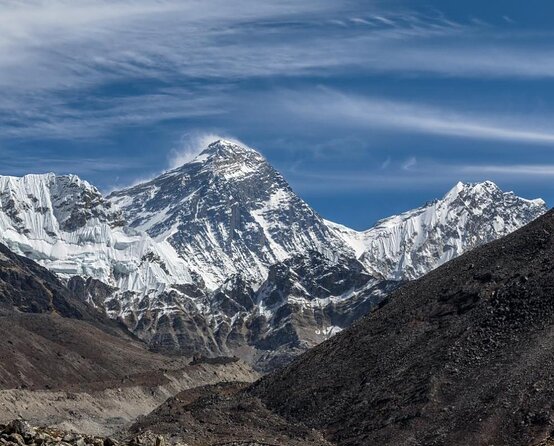
- A rare combo route: Everest Base Camp plus Gokyo Valley, Chola Pass, and the Lobuche East climb in one itinerary
- Lobuche East is a shorter, focused summit: at 6,119 meters, it’s more achievable than a full mega-expedition style project
- Private group setup: only your group participates, with dedicated guiding support
- Meals and caffeine covered: coffee/tea plus meals included from day 03 to day 15
- Permits and fees handled: climbing permit, entrance fees, and taxes are included
- A weather reality check: the experience requires good weather, so flexibility matters
Lobuche East and Everest Base Camp in one go
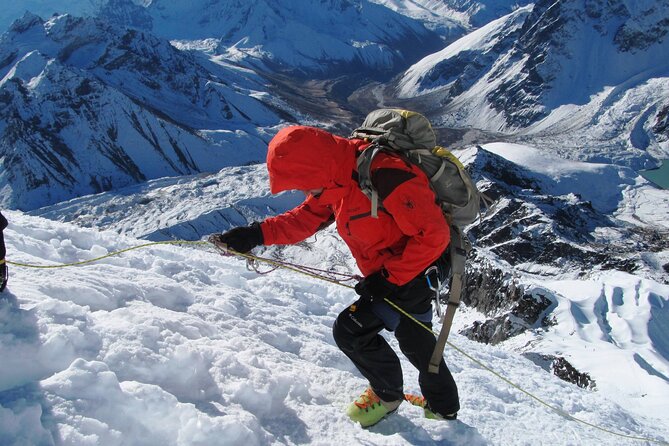
If you like your mountain trips with a clear arc—build, work hard, then earn your view—this itinerary fits. It’s built around two headline experiences: the trekking route to Everest Base Camp (going via Gokyo Valley) and the climb to Lobuche East at 6,119 meters. That’s a lot of wow packed into about 17 days.
The value here isn’t just the mileage. It’s the way the route layers different kinds of effort. Trekking days are about steady endurance and moving with the mountains. The climb day turns that endurance into something sharp and summit-focused.
You can also read our reviews of more tours and experiences in Kathmandu.
Kathmandu start, pickup, and how private support changes everything
This is based out of Kathmandu, with pickup offered and mobile ticket support. That matters because these kinds of trips can go sideways when logistics are sloppy. Having pickup and clear ticketing reduces the stress in your first day, when you’re already trying to get ready for cold temperatures and higher elevations.
This is also a private tour/activity, meaning only your group participates. In real terms, that can make a difference on pacing, rest stops, and how quickly questions get answered. If your group has specific needs—experience levels, walking pace, comfort preferences—private support usually helps.
The operator’s meeting hours are listed as 7:15 AM to 7:15 PM every day, and the meeting point is described as near public transportation. If you’re arriving with a tight schedule, that wider window can be handy for coordinating early connections.
Everest Base Camp via Gokyo Valley: a route with built-in variety
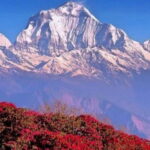
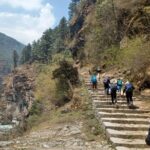
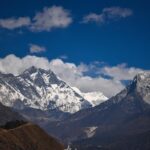
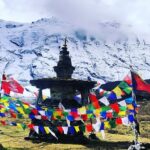
Going to Everest Base Camp via Gokyo Valley gives you more than just one kind of mountain day. Instead of feeling like you’re repeating the same valley shape over and over, you get a route that’s known for dramatic mountain views and changing terrain character as you go.
Practically, this kind of route works well when you want a classic destination (Everest Base Camp) but don’t want the trek to feel one-note. Gokyo Valley also gives you visual variety that helps break up the monotony some people feel on long high-altitude trails.
One real consideration: longer treks at altitude can punish impatience. You’ll do best if you accept that progress may feel slow some days. That doesn’t mean anything is wrong—it’s just the rhythm your body needs at height.
Chola Pass: where planning and pacing matter most
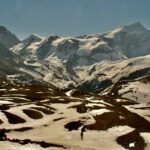
A pass day is different. It’s not just “another trek day.” The Chola Pass section tends to be the part where weather, wind, and temperature can change your experience fast—especially when you’re already tired from previous elevation days.
This is why the weather note in the trip details matters. The experience is described as requiring good weather. When that’s the case, you want your guide team to have the flexibility to adjust timing or approach if conditions aren’t safe.
On a personal level, I’d treat Chola Pass as a day to focus on rhythm, not hero moments. Consistent movement, careful footing, and listening to your leader’s advice usually beat trying to push “because you feel good right now.” The pass experience is what turns the route from a walk into a proper crossing.
Lobuche East Peak at 6,119 m: short climb, big payoff
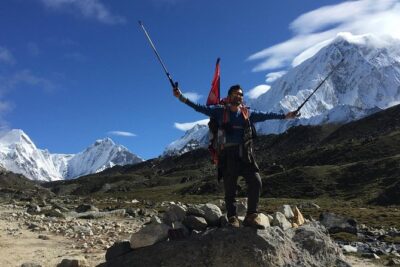
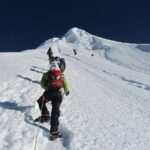
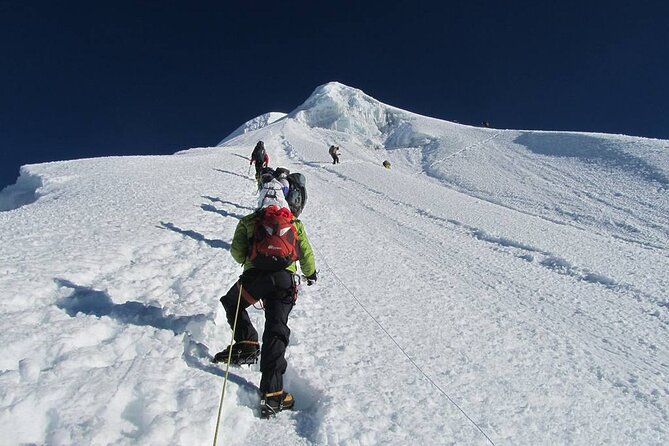
Lobuche East sits at 6,119 meters, and the operator describes it as one of the best short and fairly easy climbing trips in the Himalayas. That phrase is useful—because it signals the climb is shorter in time commitment than many peaks, and the overall structure is meant to be more achievable.
But “fairly easy” in the Himalaya still means you’re dealing with altitude and cold. This is not the kind of climb where you can wing it. The guide team’s job is making sure you’re prepared, moving efficiently, and attempting the summit with good decision-making.
This is where the reviews really point to what you care about: guidance that focuses on safety and a summit attempt that’s handled professionally. The climbing support is also backed up by what’s included—your climbing permit and climbing equipment are part of the package, so you aren’t stuck trying to source critical gear at the last minute.
If you want one big “I did it” moment that’s tied directly to an actual summit, this climb is built for that feeling.
Meals, camping, and what you should pack for yourself
From day 03 to day 15, all meals are included. There’s also coffee and/or tea included, which sounds small until you’re a few cold days into high altitude and start realizing caffeine is basically morale in liquid form.
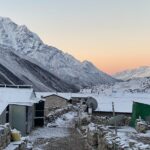
You’ll also be traveling with camping and climbing equipments included, which removes a lot of the hassle that can come with Himalayan treks. Still, the trip details are clear that personal trekking gears are not included. That’s the part you should take seriously.
My practical take: build your personal packing around cold weather comfort and day-to-day trekking function. If you skimp here, you’ll feel it on the trail—not in Kathmandu. And because you’re mixing trekking and climbing, your personal kit needs to work for both movement types: long walking days and the more focused climb effort.
Also, alcoholic beverages are not included. If your group plans on celebrating at altitude, you’ll want to handle that thoughtfully.
Gear, permits, and fees: how the inclusions affect your budget
Let’s talk money in a grounded way. The price is $2,470 per person for a private 17-day experience. What makes that number feel more reasonable is what’s included:
- All meals from day 03 to day 15
- Camping and climbing equipment
- Entrance fees
- All fees and taxes
- Climbing permit
- Coffee and/or tea
- Pickup offered, and mobile ticket support
What’s not included is also clearly stated: personal trekking gears plus emergency, insurance, and alcohol.
So you’re not just paying for someone to hand you a map. You’re paying for a managed operation that covers the pricey basics: permits, fees, and the equipment and food logistics that tend to add up fast.
The only caution I’d give on value is this: the price assumes you’ll bring the right personal kit. If you end up needing to buy or replace gear mid-trip, that cost and stress can wipe out the value quickly. Do your prep before you arrive.
Who this trip fits (and who should think twice)
This is best for people with moderate physical fitness who want a real mountain achievement without committing to the length and complexity of the biggest expedition-style climbs.
You’ll likely enjoy it if:
- you like structured adventure (trekking plus a summit attempt)
- you’re happy with high-altitude effort and cold conditions
- you want private guiding and group-specific pacing
You might want to think twice if:
- you’re looking for a purely casual hike
- your schedule can’t handle weather-related changes, since good weather is required
- you aren’t willing to prepare seriously for altitude and cold through your personal gear
One more point: since the climb is at 6,119 meters, the “short” part of the climb still doesn’t mean the altitude part is short. Build in humility.
Quick take: should you book this Lobuche East + EBC combo?
I’d book this if you want one trip that hits two major Everest-area goals—Everest Base Camp and a real summit at Lobuche East—while still keeping the climb side structured and supported. The included climbing permit, climbing equipment, and long stretch of meals make it feel like a full service package, not a bare-bones outline.
I’d hesitate if you hate uncertainty or you’re not ready for weather and altitude to shape your day-to-day. High mountains don’t care about your calendar, and this experience explicitly depends on good weather.
If your group is ready for that reality and you’ve got the right personal trekking gear lined up, this is a strong “do both” plan.
FAQ
How long is the trip?
It’s listed as approximately 17 days.
What climb is included, and what altitude is it?
The trip includes a climb to Lobuche East Peak, at 6,119 meters.
Where does the trekking go on the Everest Base Camp side?
The route goes to Everest Base Camp via Gokyo Valley, and it includes Chola Pass.
Is this a private tour?
Yes. It’s a private tour/activity, and only your group participates.
Are meals included?
Yes. All meals are included from day 03 to day 15, and coffee and/or tea is included.
What’s included in the price besides guiding?
Included items listed are camping and climbing equipment, entrance fees, all fees and taxes, and the climbing permit.
What isn’t included?
Not included are alcoholic beverages, personal trekking gears, and emergency, insurance.
Is there pickup in Kathmandu?
Pickup is offered, and the trip meeting hours are 7:15 AM to 7:15 PM daily. The meeting point is described as near public transportation.
What’s the cancellation policy?
You can cancel for a full refund up to 24 hours in advance of the experience’s start time. The policy also notes that the experience requires good weather; if it’s canceled due to poor weather, you’ll be offered a different date or a full refund.