REVIEW · POKHARA
3 Day Mardi Himal Base Camp Trek from Pokhara
Book on Viator →Operated by CAN Travels · Bookable on Viator
Three days to Mardi Himal Base Camp magic. This short trek in Nepal’s Annapurna region packs big mountain views into a schedule that still feels human, with tea-house stops and a calm trail compared to longer hikes. You’ll start from Pokhara via Dhampus, climb through forest and rhododendron, and finish at Mardi Himal Base Camp for early-morning panoramic payoff.
What I especially like is the way the itinerary balances effort with reward: you’re hiking long enough to feel like a real trek, but the distances stay doable for most people with moderate fitness. And the focus on the guide matters too—past hikers named Amrita, Krishna, and Prakash, and the common thread is friendly, professional support that helps the day feel smoother.
One thing to consider: meals aren’t included, so you’ll budget for food and drinks along the way, and you’ll be hiking around 7 to 9 hours on trek days. If you’re hoping for an all-inclusive experience, you’ll need to plan for that.
In This Review
- Key highlights you’ll feel right away
- How the Mardi Himal Base Camp trek fits a 3-day schedule
- Getting to Dhampus: the private jeep ride that sets the tone
- Day 1 to Forest Camp: Pothana forest walking and the quiet trail feel
- Day 2 to Mardi High Camp: rhododendron climbs and altitude reality
- Day 3 to the base camp: viewpoint timing, warm start, and headlamp logic
- Tea houses, guesthouses, and the real food situation
- Guides and group feel: what CAN Travels seems to get right
- Price and value: is $299 fair for a 3-day base camp push?
- What to pack (based on what the trek expects)
- Should you book the 3 Day Mardi Himal Base Camp trek?
- FAQ
- How long is the 3 Day Mardi Himal Base Camp trek from Pokhara?
- What is included in the price?
- Are meals included?
- Do I need to pay for a porter?
- What kind of accommodation will I have during the trek?
- Do I need a headlamp?
- What fitness level is this trek for?
- Is this trek private or shared with other groups?
- What is the cancellation policy?
Key highlights you’ll feel right away
- Private jeep transfers between Pokhara, Dhampus, and Siding cut down on hassle.
- English-speaking guide who keeps things organized and helps you move at a comfortable pace.
- Short 3-day format that still reaches base camp without weeks of trekking.
- Rhododendron forests and alpine views that shift scenery multiple times.
- A headlamp start on Day 3, which is key for reaching viewpoint/base camp timing.
- Guesthouse nights during the trek so you’re not carrying extra gear for sleeping.
How the Mardi Himal Base Camp trek fits a 3-day schedule
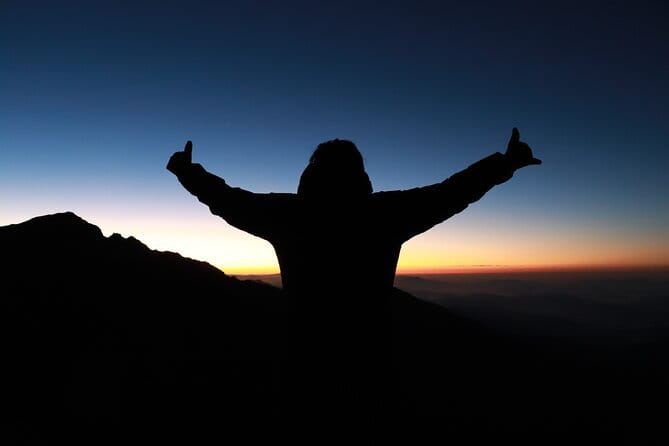
A lot of Annapurna treks ask for a serious time commitment. This one is different because it’s designed to get you from Pokhara to Mardi Himal Base Camp in about 3 days, without pretending it’s easy.
In practical terms, you’ll hike enough to feel the altitude and rhythm. But the timeline is tight enough that you’re not spending days just getting to the next place to sleep. That means the views come faster—and it often feels less crowded than routes that attract longer-stay trekkers.
This is also a good option if you want a base camp experience without a huge logistics load. The trek includes permits and the official documents, plus pickup and drop-off, so you’re not stuck figuring out paperwork on your travel day.
You can also read our reviews of more tours and experiences in Pokhara.
Getting to Dhampus: the private jeep ride that sets the tone
Your trip starts in Pokhara with hotel pickup and drop-off, then you transfer by private jeep to Dhampus. This matters more than it sounds. Starting with car time helps you save energy for the hiking portion, and it reduces the stress of coordinating buses, changing taxis, and timing connections.
From Dhampus, you’ll move toward the trail area with a checkpoint stop. Then you transition into the early hike through forest and toward the first longer walking segment. The first day is where you get used to trekking tempo—steady, not rushed.
Day 1 is listed as about 7 hours, and it typically feels like a warm-up day even when it’s not “short.” You’re walking long enough to feel accomplishment, but the scenery starts rewarding quickly, especially once you’re moving through green forest sections.
What to watch for: forest days can be deceiving. Shade feels cool, but you still work up a sweat. Wear layers you can adjust, and plan to drink even when you don’t feel thirsty.
Day 1 to Forest Camp: Pothana forest walking and the quiet trail feel
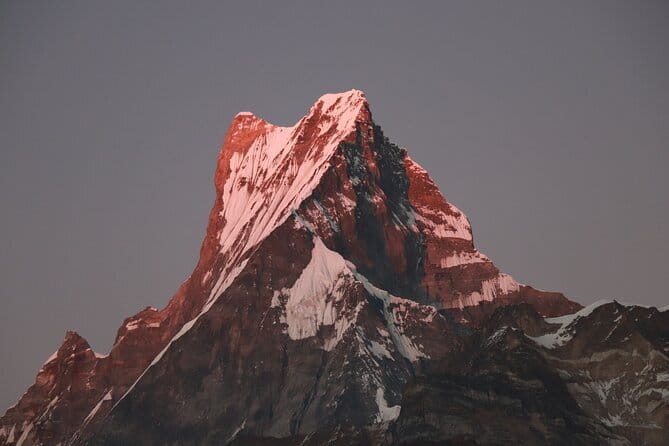
On the first trek day, you’ll head from the forest area toward Pothana, then continue onward to Forest Camp for the night. The description highlights green forests on the way, and that’s a big part of why this trek feels pleasant: you’re not staring up at steep rock the whole time.
Forest walking is often easier on your mind than constant exposed climbing. It gives you small breaks from the harshest angles, and it makes the day feel more like a journey than a grind. You’ll also get glimpses of Himalayan scenery when the canopy opens up, which keeps things exciting without requiring maximum effort all day.
For many people, this is the day you’ll notice your walking rhythm. If you go out too fast, you’ll pay for it later. If you keep it steady, Day 2 feels more manageable.
You’ll also get guesthouse accommodation on the trek nights. That’s one less thing to plan. You’re focused on the trail, not figuring out sleeping gear.
Possible drawback on Day 1: you might underestimate how long 7 hours feels when you’re adjusting to hiking mode. The best move is to treat the day as training—settle in early and don’t chase speed.
Day 2 to Mardi High Camp: rhododendron climbs and altitude reality
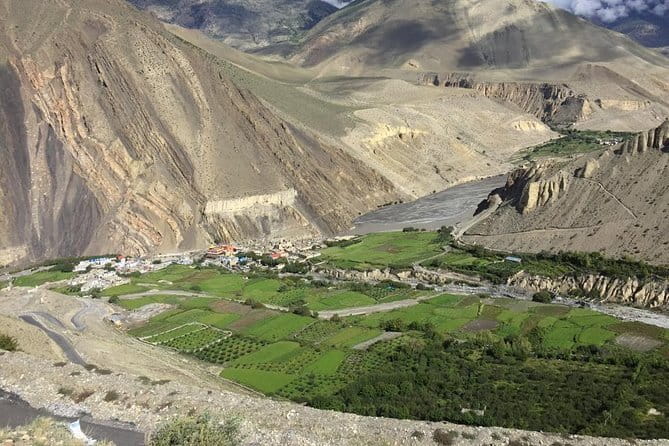
Day 2 is another 7-hour walking day, and it’s where the trek starts to feel more “alpine” in mood. The route goes through rhododendron forests, then you climb toward Mardi High Camp.
Rhododendron forests are special for trekking because they add texture to the hike. It’s not just dirt and stone; you get a more varied trail environment with seasonal color and a cooler-feeling shade. Even if you’re trekking outside peak bloom, rhododendron areas tend to feel distinct from the lower forest sections.
This is also the day you’ll likely notice altitude more. Not because it becomes dangerous instantly, but because your body starts to ask for slower breathing. If you’re used to city pace, you’ll feel the difference fast. A guided trek helps here because the guide can keep you from overdoing it in the first hour.
Breakfast on Day 2 is described as paired with a Himalayan view, and that’s a nice pattern. You’re hiking hard enough to feel progress, but you still get rewarded before you move again.
Why High Camp matters: reaching a high sleeping point sets you up for the early summit-style morning on Day 3. You’re not doing the biggest effort on zero rest. You’re building toward the viewpoint and base camp with a staging overnight.
Day 3 to the base camp: viewpoint timing, warm start, and headlamp logic
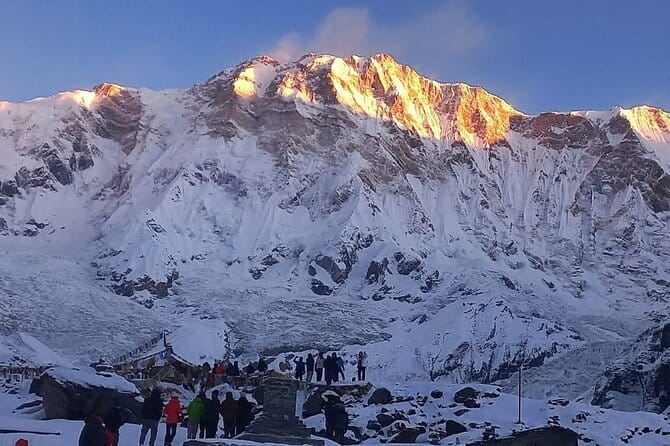
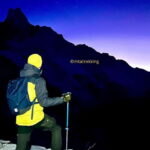
Day 3 starts early—there’s hot tea, warm clothing, and practical items like a bottle of water and a headlamp. That headlamp detail is worth taking seriously. Early starts aren’t for vibes; they’re for timing and safer footing while the trail is darker.
The hike includes about 2 hours from High Camp to the Viewpoint, and the point is clear: you’re moving upward in a way that makes early light and visibility important. Then you continue on to Mardi Himal Base Camp, aiming for the panoramic payoff most people come for.
Day 3 is listed as 9 hours, so it’s the longest day. It can be manageable because you’re already acclimated a bit from Day 2. But mentally, it helps to know you’re not done after the viewpoint. Think of the day as two phases: viewpoint first, then base camp finishing work.
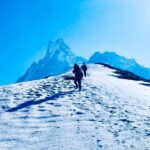
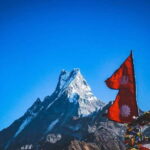
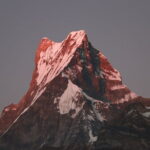
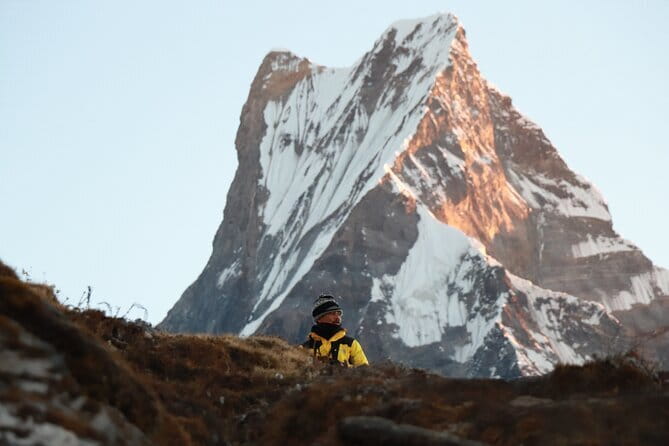
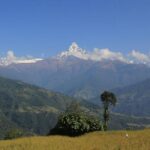
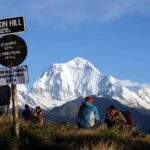
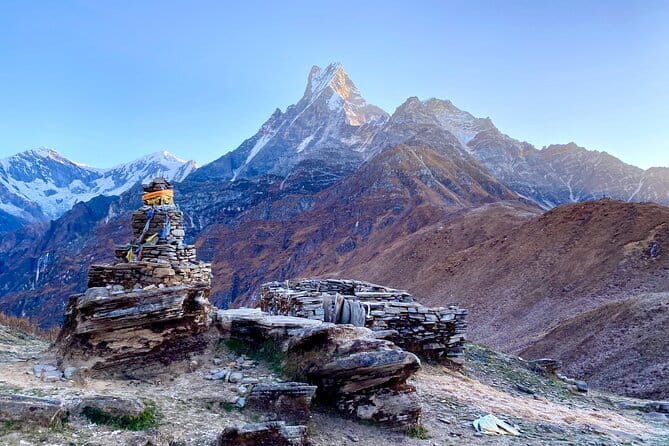
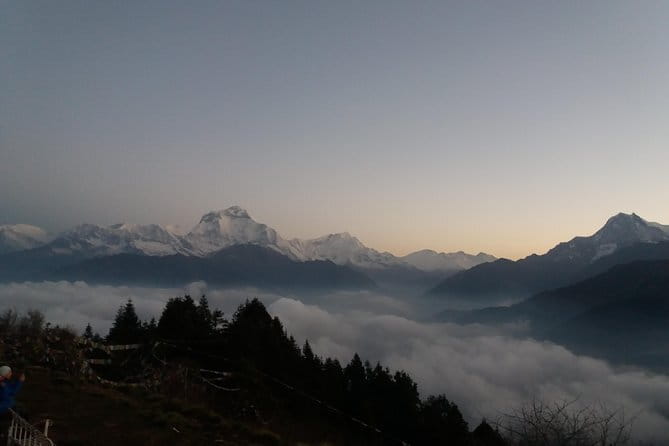
What you get at the end is the big reason people pick Mardi Himal at all. From the information provided, hikers are especially impressed by views involving Machhapuchhre and Annapurna, plus the less-crowded feel on this route compared to other popular base camp options.
Tip: if you’re sensitive to cold mornings, plan for it. Warm layers aren’t optional when you’re starting before sunrise and moving on high trail.
Tea houses, guesthouses, and the real food situation
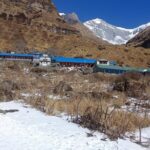
One honest part of this trek: food and drinks aren’t included. They’re available for purchase, and you’ll be staying in a guesthouse during the trek. That’s pretty typical for tea-house routes, but it changes your travel budget and your packing decisions.
Because meals are pay-as-you-go, I recommend bringing a money plan and a flexible appetite. Small stops add up across 3 days. Also, you’ll often want a hot drink after early starts—especially on Day 3 when you’re already dressed for cold.
The overview also highlights cozy tea houses and the camaraderie of fellow adventurers. Even when your trek is private, you’ll still share the trail with other walkers sometimes. When routes are shorter, that social overlap can feel more comfortable—quick hellos, fewer long stretches of silence.
A practical approach: plan on breakfast being part of your routine each morning, but treat lunch and snacks as optional add-ons you’ll buy as you go. Pack light extras for yourself too, like simple energy snacks, so you don’t depend entirely on when you find the next meal.
Guides and group feel: what CAN Travels seems to get right
This is described as a private tour, meaning only your group participates. That’s a real comfort upgrade for many people. You don’t have to worry about getting stuck behind random pacing differences or adjusting to someone else’s pace.
The trek also includes an English-speaking, guide-friendly experience. Past feedback repeatedly praises the guide’s support and professionalism. Names mentioned include Amrita, Krishna, and Prakash, and the praise clusters around being helpful and making the trip feel memorable through on-trail care.
Even with a private group, the guide is doing more than route navigation. They’re helping you keep your pace stable across long walking days, and they manage the small logistics that otherwise eat time: permits, documents, timing, and the practical flow between transfers and trail segments.
You also get an emergency normal first aid kit with the guide. That doesn’t remove risk, but it adds peace of mind.
Where this shows up day to day: when you’re tired, it’s not the views you struggle with—it’s the mental friction. A good guide reduces that friction by keeping your plan clear and your questions answered quickly.
Price and value: is $299 fair for a 3-day base camp push?
At $299 per person, the value story is strongest because several costly basics are included:
- hotel pickup and drop-off
- private jeep transfers between Pokhara–Dhampus and Siding–Pokhara
- trekking permit and official documents
- guesthouse accommodation during the trek
- an English-speaking guide, plus an emergency first aid kit
- private tour setup
Meals are not included, and gratuities are optional. Also, there’s a porter option listed at $25 per day, with one porter for two people. But note: the trek includes guesthouse nights, permits, and private transfers—those are the parts that often make low-cost trekking proposals feel cheap until you add the extras.
This price can make sense especially if you want a short itinerary that still hits base camp. You’re paying for concentrated time and for avoiding a DIY paperwork and transfer headache.
Who gets the best deal: people who like guided pacing, want permits handled, and don’t want to negotiate transport in the middle of their trip.
Who should think twice: if you’re extremely budget-focused and plan to do lots of your own logistics, you might find cheaper options elsewhere. But they usually come with trade-offs you’ll notice once you’re on the ground.
What to pack (based on what the trek expects)
The provided details mention warm clothes, a bottle of water, and a headlamp for the early start on Day 3. That’s your clearest “what matters” indicator.
Beyond that, pack for a short mountain trip where temperatures can swing: you’ll be walking for 7 to 9 hours on consecutive days, likely in cool mornings and warmer midday periods. Layering beats one giant jacket.
A few smart priorities:
- headlamp (useful on early mornings)
- water bottle (the itinerary specifically mentions having one)
- warm layers for start times
- comfortable day-hiking shoes (not brand-new)
- small snacks for when you want extra energy between meal buys
Note on gear: porter support is optional. If you choose a porter, remember the porter cost listed is $25 per day, and it’s described as one porter for two people.
Should you book the 3 Day Mardi Himal Base Camp trek?
If you want a guided, short, and view-focused Mardi Himal experience from Pokhara, this one is a strong fit. It’s built for people with moderate fitness who want base camp without a long trek calendar. The guide attention, private setup, and included permits and transfers all reduce friction.
I’d say book it if:
- you want a 3-day plan that still feels like a real trek
- you care about having an English-speaking guide and clear logistics
- you like the idea of rhododendron forest hiking and a high-morning finish
I’d think twice if:
- you’re counting on food being included
- you’re not ready for 7–9 hour hike days even on a short itinerary
- you hate early mornings and headlamp-style starts
FAQ
How long is the 3 Day Mardi Himal Base Camp trek from Pokhara?
The trek is listed as about 3 days, with hiking durations of about 7 hours on Day 1, about 7 hours on Day 2, and about 9 hours on Day 3.
What is included in the price?
The package includes hotel pickup and drop-off, an English-speaking trekking guide, trekking permit and official documents, private jeep transfers (Pokhara to Dhampus and Siding to Pokhara), guesthouse accommodation during the trek, a private tour setup, and an emergency normal first aid kit with the guide.
Are meals included?
No. Food and drinks are not included, but they are available on purchase along the trek.
Do I need to pay for a porter?
Porter service is not included. You can arrange a porter at $25 per day, and the information notes one porter for two people.
What kind of accommodation will I have during the trek?
You’ll stay in a guesthouse during the trek.
Do I need a headlamp?
The Day 3 description mentions starting with a headlamp, along with warm clothes and a bottle of water, so plan on having one.
What fitness level is this trek for?
The information says travelers should have a moderate physical fitness level.
Is this trek private or shared with other groups?
It’s a private tour/activity. Only your group will participate.
What is the cancellation policy?
Free cancellation is offered, with full refund if you cancel up to 24 hours in advance of the experience start time. If you cancel within 24 hours, the amount paid is not refunded.