REVIEW · POKHARA
3 Days 2 Nights Poon Hill Trekking
Book on Viator →Operated by Peak to Peak Tours and Treks Pvt Ltd · Bookable on Viator
Sunrise at Poon Hill is the whole point, and this 3-day trek is built for it with incredible morning Himalayan views and a licensed mountain guide handling the details like permits and fees; the one drawback is you’ll need moderate fitness for daily uphill and downhill hiking.
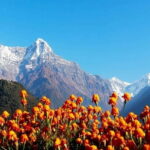
You’ll walk through dense lower Himalayan evergreen forests, then spend time in the traditional village of Ghandruk. The route also includes the classic stops of Ghorepani and Poon Hill, so you get the “big view” payoff without a long, complicated trek.
I like that the package feels hassle-free: private transportation from Pokhara, tea-house accommodation during the trek, and guidance are handled up front. Food and drinks are on you, and rescue costs are not included, so budget a bit extra beyond the $228.47 price.
In This Review
- Key Highlights You’ll Feel on the Trail
- Why Poon Hill Works So Well in Just Three Days
- Day 1 From Uleri to Ghorepani: Forest Steps and Tea-House Nights
- Day 2 Early Trek to Poon Hill Sunrise and the Walk Back to Ghandruk
- Day 3 Ghandruk to Nayapul: A Satisfying Finish Loop
- What the Licensed Guide and Permits Actually Change for You
- Price and Logistics: Is $228.47 Good Value?
- Trekking Day Rhythm: What to Expect From the Trail Style
- Tea Houses, Meals, and Budget Reality
- Who Should Book This Poon Hill Trek (and Who Might Not)
- Should You Book This 3 Days 2 Nights Poon Hill Trek?
- FAQ
- How long is the Poon Hill trekking experience?
- Where does the trek start?
- Is this a private trek or a group tour?
- What’s included in the price?
- What is not included?
- What fitness level do I need?
- Can I cancel for a full refund?
Key Highlights You’ll Feel on the Trail
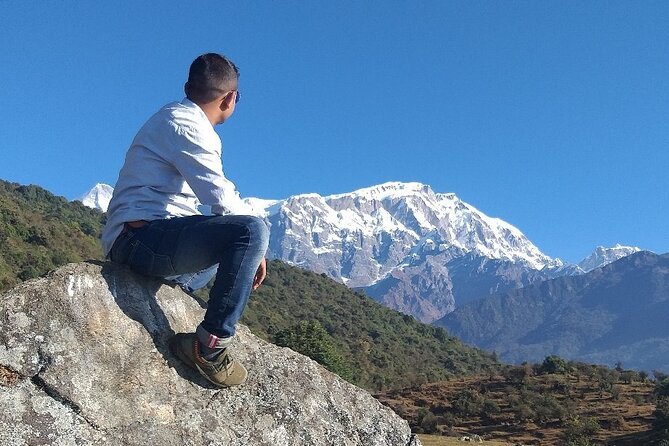
- Sunrise-first timing on Poon Hill to catch the Annapurna-area mountain views while the world is still waking up
- Tea-house accommodation included for the trekking nights, so you can focus on the walk, not planning
- Ghandruk village visit for a traditional stop in the Himalayan foothills, not just scenery
- Permits and entry fees covered along with a licensed mountain guide, reducing admin stress
- Private tour setup where it’s only your group, with the option of group discounts
- Meals are a separate line item since food and drinks are available for purchase
Why Poon Hill Works So Well in Just Three Days
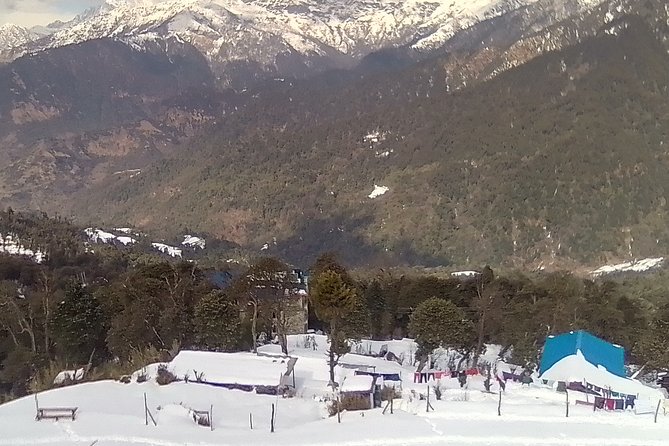
If you want big Himalayan views but don’t have a week (or two), Poon Hill is one of the smartest targets in the Annapurna region. This trek is short enough to stay manageable, yet long enough to feel like a real trekking experience instead of a quick photo stop.
The setup is also practical. You’re not just dropped somewhere and told good luck. With a licensed mountain guide and the permits handled, you can spend your energy on the trail and your breath, not paperwork. One of the most praised parts of this trip is the sunrise experience, and that makes sense: Poon Hill is the kind of spot where getting up early actually pays off.
The other reason it works: the itinerary mixes forest walking with village life. You’re trekking through dense lower Himalayan evergreen forest, then you shift into the traditional rhythm of Ghandruk. That blend is why this route tends to feel more complete than a pure viewpoint-and-back plan.
You can also read our reviews of more tours and experiences in Pokhara.
Day 1 From Uleri to Ghorepani: Forest Steps and Tea-House Nights
Day 1 starts with a drive out of Pokhara toward Uleri, then you hike up to Ghorepani. The trek day is long enough to get moving, but not so extreme that it’s all suffering and no payoff.
What I like about this first day is the way it builds you into the trek. You begin with a transportation leg, then ease into walking as you head toward Ghorepani. That matters because you’ll likely be thinking about stamina, layers, and how your body is handling altitude (even on shorter treks, you still feel the change).
You’ll spend the night in a tea house in the Ghorepani area. Since accommodation during the trek is included, you’re not juggling where to sleep or trying to coordinate that while you’re tired. Meals and drinks are available to purchase, which is normal in Nepal trekking, but it means you should plan to add extra budget for dinner and breakfast.
Practical tip: since Day 2 is an early start toward Poon Hill sunrise, Day 1 is where you set yourself up to succeed. I’d keep the “I’ll pack it later” energy low—charge your phone if you can, and have your layers ready so morning is not a clothing scramble.
Day 2 Early Trek to Poon Hill Sunrise and the Walk Back to Ghandruk
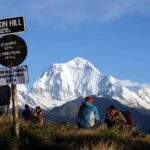
Day 2 is the heart of the experience: an early-morning trek to Poon Hill for sunrise, followed by a hike back to Ghandruk. This is the day that turns a walk into a memory.
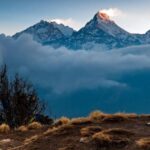
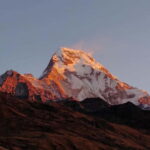
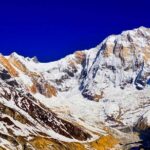
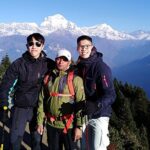
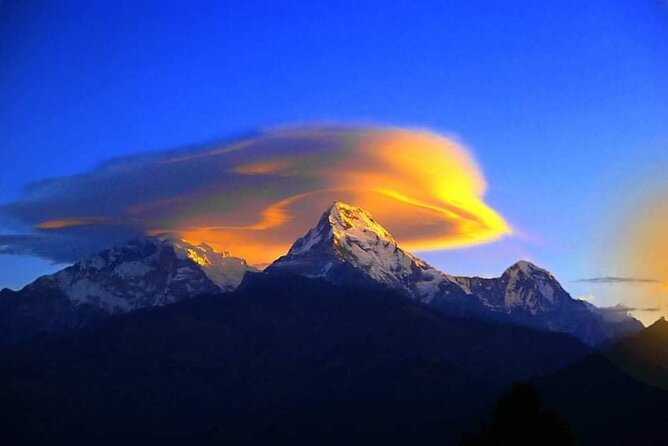
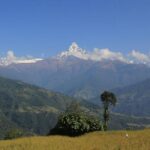
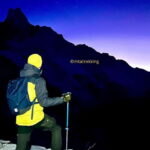
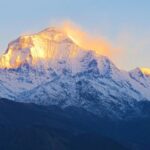
The sunrise part is the big selling point, and it’s easy to see why. You’re hiking in the early hours for a payoff that’s simple but powerful: a sweeping view of Himalayan ranges in the Annapurna area. It’s not just one peak; it’s the scale of the mountains that hits you—snow-capped scenery, morning light, and that quiet before the day gets loud.
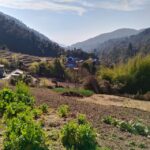
After sunrise, you shift gears. Instead of spending the afternoon only walking for walking’s sake, you head back toward Ghandruk, which gives your legs a purpose beyond views. Ghandruk is a traditional village in the Himalayan foothills, and that cultural contrast is valuable. It’s where the trek stops feeling like only geography and starts feeling like people and place.
From a pacing perspective, this day can feel like two mini-treks glued together: early hours up to Poon Hill, then a longer downhill and village approach toward Ghandruk. If you’re someone who hates being rushed, embrace the fact that sunrise hikes have a schedule. You don’t want to oversleep the best light.
Also, watch your spending habits here. Tea-house meals are on purchase, so it’s smart to treat lunch and snacks like part of your trek plan, not an afterthought.
Day 3 Ghandruk to Nayapul: A Satisfying Finish Loop
Day 3 is your finish: you hike from Ghandruk to Nayapul. This last section is often where people feel both relieved and strangely proud. You’ve already done the big view day, you’ve already moved through forest and village, and now you’re closing the loop.
This is the day that turns your effort into a practical outcome. Once you reach Nayapul, your included private transportation helps connect you back toward Pokhara. That matters because many treks end with a vague “good luck onward” feeling. Here, you’re still in the guided, organized flow, which keeps the end of the trip from getting messy.
I also appreciate that Day 3 isn’t just a random wander. Ending with Nayapul makes the trek feel like a complete route instead of an out-and-back. It’s a more satisfying structure for a short 3-day itinerary.
What the Licensed Guide and Permits Actually Change for You
A licensed mountain guide is included, along with guide expenses and permits/entry fees. That sounds administrative, but on the ground it’s huge.
First, it saves time and confusion. Trekking in the Annapurna region involves fees and permissions, and you don’t want to be figuring those out while already planning routes, timings, and luggage. Having the permits covered means you can move with confidence.
Second, a good guide makes the trail feel less stressful. You’re walking through forest sections and along village routes, and those paths can be easier to navigate when someone is guiding the timing and direction. Even if you’re a confident hiker, sunrise days benefit from someone who knows how to keep the group aligned.
The company behind this tour has strong service vibes too. Names that show up in customer feedback include Ravi Gyawali, who is mentioned for making the trip smooth, and Madhu Sudan Dahal, who appears as a key contact in responses. I can’t guarantee which guide you’ll meet, but it does point to a company culture that pays attention to coordination and hospitality.
Bottom line: the guide and permits aren’t extra perks. They’re what turn a potentially complicated logistics puzzle into an actual trek you can enjoy.
Price and Logistics: Is $228.47 Good Value?
At $228.47 per person, this trek can feel like a “real deal” if you compare what’s included. You’re getting:
- Private transportation
- Licensed mountain guide and guide expenses
- Permits and all entry fees
- Tea-house accommodation during trekking (your overnight stays on the trail)
What’s not included is equally important: food and drinks are on purchase, and rescue costs in case of emergency are not included. Gratitude is also optional.
So where does the value come from? Mostly from the part that’s hard to DIY well: guides, permits, and trek-night lodging. If you’ve ever tried to assemble a short trek on your own in Nepal—finding a guide, arranging lodging night-by-night, and handling fees—this kind of package often ends up being less work for a similar total cost once you factor in time.
That said, price alone doesn’t tell the whole story. If you already have a guide and you’re comfortable sourcing tea-house rooms yourself, the package may feel more expensive than truly necessary. If you want a clean plan, this is the kind of itinerary that can save you energy.
My advice: treat the trek price as the foundation, then budget separately for meals and drinks, plus small trek-day expenses like hot drinks and snacks.
Trekking Day Rhythm: What to Expect From the Trail Style
This trek is designed for moderate physical fitness. That usually means you should be comfortable with steady hiking days and early mornings. The route includes forest trekking and village transitions, so you’re not just walking on flat ground.
Here’s the rhythm you’ll feel:
- Day 1: drive + hiking to Ghorepani (building blocks)
- Day 2: very early hike to Poon Hill, then continued walking to Ghandruk (two phases)
- Day 3: hike out to Nayapul (closing day)
Because it’s a private tour/activity where only your group participates, you should expect a bit more tailored pacing compared to a larger group scene. The pace still depends on the guide and conditions, but at least you’re not sharing your experience with a huge crowd.
One more practical note: this tour is listed as being near public transportation. That can help if you want flexibility before or after the trek in Pokhara, where you’ll likely be managing your own timing around the start.
Tea Houses, Meals, and Budget Reality
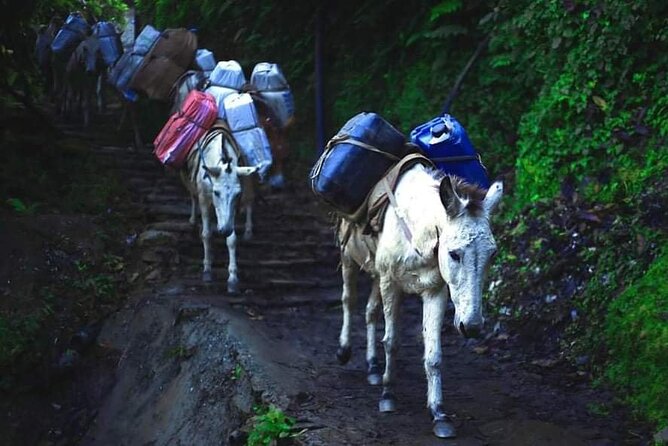
Tea-house trekking is simple: you sleep in basic lodge-style accommodations and eat at places along the route. In this package, accommodation during the trek is included, which is a big win. But meals and drinks are not included.
That means your food costs will vary depending on what you order. The good news is you’re not locked into one meal plan. You can usually choose what suits your appetite after a morning hike—warm drinks, simple meals, and snacks that help you keep going.
A smart move is to plan for the fact that sunrise days often create a smaller appetite early on. You might want something easy and warm before or after Poon Hill, then a proper meal later. If you budget this in advance, you won’t end up doing math with tired legs.
Who Should Book This Poon Hill Trek (and Who Might Not)
This trek is ideal if you want:
- A short 3-day route from Pokhara
- Classic sunrise views at Poon Hill
- A mix of forest trekking and a real village stop at Ghandruk
- A setup that includes permits, a licensed mountain guide, and trekking-night accommodation
You should also feel good about your fitness if you can handle daily hiking with uphill and downhill sections. The tour specifically calls for moderate physical fitness, so it’s not meant to be a couch-to-ridge challenge.
Who might skip it? If you want food fully included, or if you’re looking for a trek without any early start, this may not match your style. Also, because rescue cost isn’t included, you’ll want to be responsible about travel insurance and emergency planning—especially when trekking involves remote areas.
Should You Book This 3 Days 2 Nights Poon Hill Trek?
If you want the Poon Hill sunrise experience with organized logistics, I’d say yes. The price is reasonable for what you’re getting—private transport, a licensed guide, permits handled, and tea-house accommodation during the trek. For a short trek, that’s the kind of structure that keeps your trip enjoyable instead of stressful.
Choose it confidently if:
- You like the idea of sunrise views and you can get up early
- You want Ghandruk and not only mountain photos
- You prefer a guide-led plan where major decisions are made for you
Think twice if:
- Your fitness level is below moderate and you’re worried about daily hiking
- You’re hoping meals are included in the package price
- You don’t want any responsibility for arranging food purchases along the way
FAQ
How long is the Poon Hill trekking experience?
It runs for 3 days (approximately 3 days) with 2 nights during the trekking.
Where does the trek start?
The experience is based in Pokhara, and pickup is offered.
Is this a private trek or a group tour?
It’s a private tour/activity, meaning only your group participates.
What’s included in the price?
Private transportation, guide expenses, a licensed mountain guide, all fees and taxes, permits and all entry fees, and accommodation in tea house during the trekking are included.
What is not included?
Food and drinks are not included (you can purchase them during the trek). Rescue cost in case of emergency is also not included, and gratitude is optional.
What fitness level do I need?
You should have a moderate physical fitness level.
Can I cancel for a full refund?
Yes. You can cancel up to 24 hours in advance for a full refund. If you cancel less than 24 hours before the start time, the amount paid is not refunded.