If you want gorillas without a long trip, this route is for you. This 2-day safari links Kigali to Bwindi Impenetrable Forest with a straightforward plan, including an optional Kigali city tour and a full day dedicated to gorilla trekking.
I like the way it keeps things efficient: you get that classic Southwestern Uganda forest experience without spending extra days on a bigger circuit. I also love the private feel, since it’s just your group with a licensed English-speaking guide and a driver handling the big moving parts.
One thing to think about: the schedule is early and active. You start at 6:00 am, there’s a 4–5 hour drive to Bwindi after crossing at the border, and you’ll be hiking in rugged forest trails for several hours on Day 2.
In This Review
- Key Highlights You’ll Feel Immediately
- The Fastest Path to Bwindi Gorilla Trekking From Kigali
- Kigali First: Museum, Genocide Site, and Kimironko Market
- Day 1 Timing and Border Crossing: Katuna or Chanika
- The Bwindi Trek Day: What 2–6 Hours in the Forest Really Means
- Comfort, Packing, and Fitness: The Stuff That Keeps You From Getting Miserable
- Price and Value: Is $1,800 Per Person Fair?
- Private Group Feel: When the Trip Runs Smoothly
- Should You Book This 2-Day Gorilla Trek From Kigali?
- FAQ
- FAQ
- What time does the tour start?
- Where is the meeting point?
- Do you cross the border, and which routes are used?
- Is the Kigali city tour included?
- How long will the gorilla trek take?
- What should I bring for the trek?
- What’s included in the price?
- What’s not included?
- Can I cancel and get a refund?
Key Highlights You’ll Feel Immediately
- Short route from Kigali to Bwindi with only about 2 days total
- Optional Kigali city tour featuring the museum, genocide memorial site, and Kimironko market
- Border crossing support via Katuna to Kabale or Chanika to Kisoro
- Gorilla trek time window of 2–6 hours in Bwindi Impenetrable National Park
- Licensed English-speaking guide plus private group setup
- Admission ticket listed as free in the trip inclusions
The Fastest Path to Bwindi Gorilla Trekking From Kigali
This is one of the more time-friendly ways to do gorilla trekking in Uganda. Instead of stitching together a longer, slower itinerary, you move from Kigali into Bwindi in roughly a day, then use the next day for the trek itself. If your schedule is tight, that matters a lot.
I also like the way the trip is designed around real logistics. You’re not just “going to see gorillas.” You’re crossing the border, driving into Kabale/Kisoro, connecting toward Bwindi Impenetrable National Park, and then returning back toward Kigali after the trek. That flow reduces the chances you’ll be scrambling for timing or transport once you’re already in the thick of it.
The private structure is another practical win. You’re with your own group for the duration, which usually means fewer delays and less waiting around compared with shared options. And if you care about asking questions—about the forest, the process, or what you’re seeing—having a guide who’s with you throughout helps.
You can also read our reviews of more tours and experiences in Kabale.
Kigali First: Museum, Genocide Site, and Kimironko Market
If you choose the optional Kigali city tour, it adds depth before you head into the forest. It’s not a long add-on, but it does cover three very different parts of the city.
First is the museum, which helps you understand the country you’re about to visit. Then you’ll visit the Kigali genocide site, which is emotionally heavy but important for context. Finally, you’ll stop at Kimironko market, described as one of the biggest markets in Kigali. That’s the kind of place that gives you everyday texture—what people buy, how goods move, and the rhythm of local life.
The practical upside: you also get a bit of momentum. You start Day 1 with your bearings, then settle for leisurely lunch before heading out toward the border. It’s a smart way to keep the first day from feeling like one exhausting commute with no payoff.
Potential downside? If you’re the type who gets worn out by museums or memorial stops, you might prefer skipping the city tour and using that time to rest. It’s optional for a reason.
Day 1 Timing and Border Crossing: Katuna or Chanika
Your day starts at 6:00 am. The meeting point is at the Katuna Border Post on the Kabale–Katuna–Kigali road. That early start isn’t just for show. It gives you time to handle crossing procedures and still reach the Bwindi route with daylight and less stress.
The itinerary has two border-route options:
- crossing from Katuna to Kabale, or
- crossing from Chanika to Kisoro
From there, you connect toward Bwindi Impenetrable National Park. The drive is listed as about 4–5 hours, and you’ll pass through rolling hills and scenic countryside along the way—exactly the sort of scenery that makes a long road feel less like a punishment.
What you’ll appreciate on a day like this is that someone else is managing the handoffs. This is where a licensed guide and a driver really earn their keep: you’re not trying to interpret your way through border timing while holding documents and a backpack.
One note to plan for: Day 1 is road-heavy. If you hate sitting in a vehicle for hours, pack for comfort. Even the best roads can make your body feel stiff.
The Bwindi Trek Day: What 2–6 Hours in the Forest Really Means
Day 2 is the money day. You start with breakfast, then you head out from the lodge area in comfortable trekking gear, including sturdy boots for Bwindi’s rugged trails.
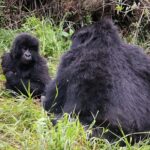
Then comes the core gorilla experience: you should expect about 2 to 6 hours spent searching for mountain gorillas. That range is normal for trekking in Bwindi, and it matters because you should plan your body and mindset for “forest time,” not clock time.
Here’s how to set yourself up for it:
- Bring energy snacks so you’re not running on adrenaline alone.
- Bring plenty of water.
- Keep layers in mind. Even when the air feels warm before you go in, the forest can change how your body feels.
You’re not just walking. You’re listening, scanning, and adjusting as the search unfolds. That’s why trekking gear matters more than style. Good boots and practical layers help you stay steady and focused.
After your gorilla viewing window, you’ll hike back to the starting point. Your driver then takes you back to the lodge so you can unwind and recover before the trip returns toward Kigali.
If you’re hoping for an experience that combines awe with structure, this itinerary does that. It’s built around one clear goal, with the rest of the day designed to support you reaching it.
Comfort, Packing, and Fitness: The Stuff That Keeps You From Getting Miserable
This is listed as suitable for moderate physical fitness. That doesn’t mean you need to be an athlete. It does mean you should be ready for uneven forest terrain, time on your feet, and a trek that can last several hours.
For the most practical approach, treat Day 2 like a real hike day:
- Wear sturdy boots you trust on rough ground.
- Use comfortable trekking clothes you don’t mind getting dusty or damp.
- Pack water and energy snacks as the trek instructions recommend.
- Consider bringing a small rain layer, just in case conditions shift.
Also, plan your expectations. Even when everything goes perfectly, gorilla trekking depends on where the gorillas are and how the tracking proceeds. That’s why the guide’s role is so central: they manage the route, the pace, and the safety-focused rhythm of the trek.
If your body tends to cramp or you get headaches while hiking, take it seriously. A little preparation can make a massive difference between a great day and a painful one.
Price and Value: Is $1,800 Per Person Fair?
At $1,800 per person for a 2-day trip, this isn’t a budget deal. But value isn’t only about the sticker price. It’s about what you get for that money, especially in gorilla trekking where permits and logistics shape the whole experience.
Here’s what’s clearly listed as included:
- Dinner
- Licensed English-speaking tour guide
- Lunch (optional)
- Admission ticket listed as free
- Pickup is offered
- Mobile ticket is included
And what’s not included:
- Alcoholic and soft drinks
So the question becomes: are you paying for a true “handled for you” package? From what’s provided here, yes. You’re paying for a private group setup, a guide who handles the language and on-the-ground explanation, and the transportation and timing needed to make the trek happen within a tight 2-day window.
The biggest value move is the time saved. If you’re comparing this to longer gorilla safari combinations that take more days, your money is partly buying convenience. For many people, that’s worth it.
Where you should be cautious: “private” and “short duration” can mean you’ll feel the pressure of the schedule. If you want lots of free time and slow mornings, you may find this trip a bit intense.
Private Group Feel: When the Trip Runs Smoothly
One of the most helpful elements is the private structure: it’s a private tour/activity, meaning only your group participates. That matters because gorilla trekking can involve decision points—pace, waiting moments, and timing as the search unfolds.
A licensed English-speaking guide also tends to improve the experience because you’ll understand what you’re seeing and why the process works the way it does. And the operator is credited with strong organization and flexibility—people highlight that they can manage permit-related timing even when plans change.
You may also see named drivers in the feedback, including Emanuel, sometimes referred to as Ema. That kind of detail usually points to consistency in who’s behind the wheel, not just who is listed on paper.
Should You Book This 2-Day Gorilla Trek From Kigali?
If you want gorilla trekking but you don’t have weeks to build a longer circuit, I think this is a smart choice. It’s built for efficiency: Kigali sightseeing optional on Day 1, then you’re out in Bwindi on Day 2 with a clear trekking focus.
Book it if:
- You’re short on time but still want the real Bwindi gorilla experience
- You like having a guide and driver handling the logistics
- You can handle early mornings and moderate hiking
Skip it or rethink it if:
- You want lots of downtime and a slow travel pace
- You’re unsure about your ability to hike several hours on forest trails
- You’d rather do a longer itinerary with more flexible buffers
FAQ
FAQ
What time does the tour start?
The meeting/start time is listed as 6:00 am.
Where is the meeting point?
The start is at Katuna Border Post, on the Kabale–Katuna–Kigali Road in Uganda.
Do you cross the border, and which routes are used?
Yes. The route includes crossing from Katuna to Kabale or from Chanika to Kisoro.
Is the Kigali city tour included?
It’s optional. When chosen, it includes the museum, the Kigali genocide site, and Kimironko market.
How long will the gorilla trek take?
The trek and search time is listed as about 2 to 6 hours.
What should I bring for the trek?
You’ll want comfortable trekking gear and sturdy boots, plus energy snacks and plenty of water.
What’s included in the price?
Dinner is included, and a licensed English-speaking tour guide is included. Lunch is listed as optional, and the admission ticket is listed as free.
What’s not included?
Alcoholic and soft drinks are not included.
Can I cancel and get a refund?
You can cancel up to 24 hours in advance for a full refund.