REVIEW · KATHMANDU
Nepal Round Tour with Annapurna Trek 14 Days
Book on Viator →Operated by Sabbatical Explore Nepal (Social Tourism Nepal) · Bookable on Viator
Two worlds, one Nepal trip. This private 14-day loop pairs a 7-day Annapurna trek with Kathmandu Valley and Pokhara culture-and-views days, so you get both the mountains and the everyday feel of Nepal. It also runs with a small-group cap of 15 people, plus pickup offered, which matters when you’re juggling flights, hotel check-ins, and early starts.
I like that the trip keeps the important basics handled for you: lodging on both sides (3-star hotels and trekking guesthouses), required trekking permits, and guided help in the cities and on the trail. The tradeoff is the physical side: you’ll want at least moderate fitness for multi-day trekking, and the overnight comfort on the trail is simpler than the hotel standard.
A possible downside to consider up front: this is a weather-reliant experience. If clouds roll in or conditions change, your trek plans can shift, so you’ll get the most satisfaction if you stay flexible and don’t treat the itinerary like a fixed checklist.
In This Review
- Key things to know
- Kathmandu Valley stops: Pashupatinath, Boudha Stupa, Patan, Bhaktapur
- Pokhara in the middle: why this city break is more than a pit stop
- Annapurna trek: 7 days of guesthouses, villages, and big views
- Value check: does $1,227.78 make sense for what you get?
- Guides and service level: city guide, trekking guide, and Shiva’s touch
- What to pack for Annapurna: gear is on you, but planning isn’t
- Weather and schedule changes: expect flexibility in the Himalaya
- Who should book this Annapurna round tour
- Should you book it?
- FAQ
- How long is the Nepal round tour with the Annapurna trek?
- What city do you start from?
- What does the package include for accommodation?
- Are meals included?
- Are trekking permits and national park fees included?
- Is transportation included?
- Does the tour include a guide?
- What is not included in the price?
- Is the tour suitable for everyone physically?
- Is there a cancellation option if weather is poor?
Key things to know
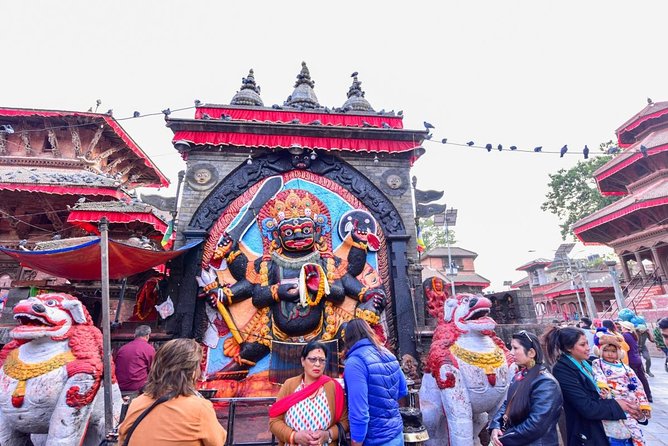
- 7 days on the Annapurna trek focused on mountain views and quiet village life
- Permits and national park fees included, so you’re not scrambling for paperwork
- Kathmandu Valley + Pokhara sightseeing rounds out the trek with real culture stops
- Private service with a small maximum group size (15) keeps it calmer
- Mountain guesthouse nights mean basic comfort during trekking, not hotel luxury
- Pokhara-to-Kathmandu flight included to save time and reduce long travel days
Kathmandu Valley stops: Pashupatinath, Boudha Stupa, Patan, Bhaktapur
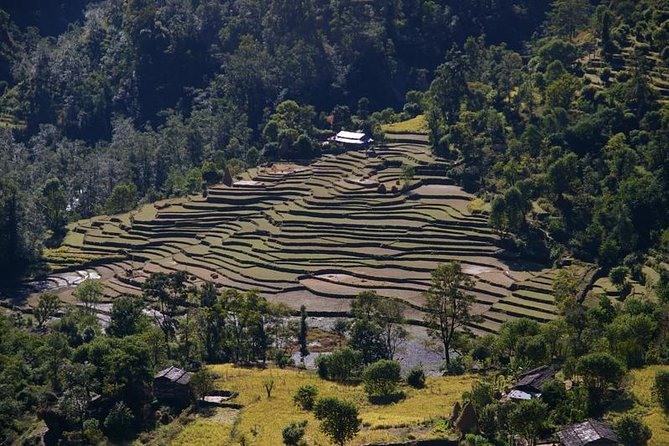
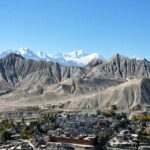
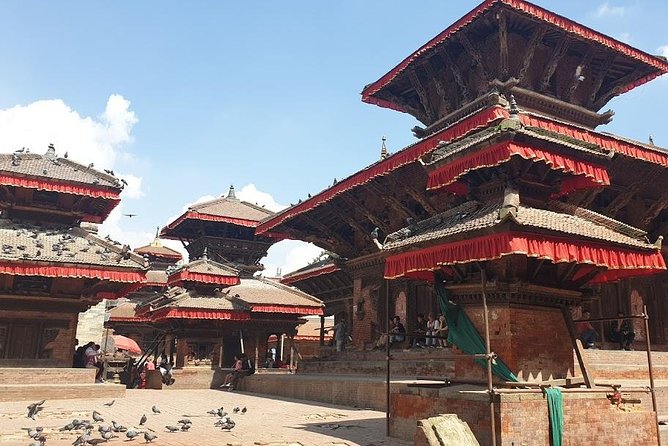
Kathmandu is the part of Nepal that can change how you see the country. Even before the trek starts, you’ll likely spend time at major spiritual and heritage sites—places where religion is not a museum exhibit, but part of daily rhythm.
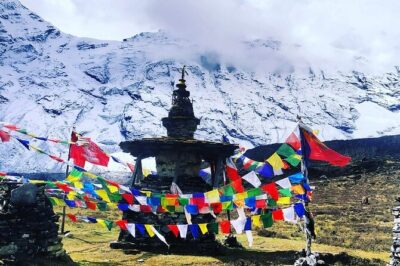
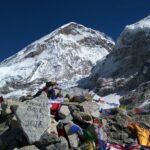
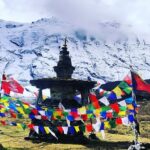
One of the most memorable categories here is the spiritual sites. You may visit Pashupati’s cremation center area, plus Boudha Stupa (often linked with the big prayer flags and that constant hum of devotion). If you’re the type who enjoys watching how people practice, you’ll get a lot out of seeing it firsthand.
Then the trip leans into the older city texture. Patan Durbar Square and Bhaktapur’s culture city vibe are both the kind of stops that help you understand how Newar arts and life shaped Kathmandu Valley. From the tour style described, you also have room for a practical look at crafts—one participant specifically called out a pottery place and meeting the people behind it. That kind of stop turns your trip from sightseeing into context.
What to watch for: Kathmandu days can be busy, and you may do a lot of walking on uneven streets. Wear supportive shoes and plan to take breaks. Also, if you’re sensitive to crowds or strong smells around certain religious sites, I’d mentally prepare for that before you go.
You can also read our reviews of more tours and experiences in Kathmandu.
Pokhara in the middle: why this city break is more than a pit stop
Pokhara is where you often catch your breath—literally and mentally. The tour is designed so you don’t burn the whole trip on transit. Domestic flight time between Kathmandu and Pokhara helps you reach the starting point with less fatigue, which can make a real difference once trekking begins.
Pokhara also functions as a reset before the mountains take over. The itinerary description points to a lively lakeside feel, and you’ll likely enjoy the easier pace there compared to Kathmandu’s denser streets. If you like looking out over water while planning the next day, Pokhara can do that for you.
A practical plus: having a hotel in Pokhara included means you’re not hunting down last-minute lodging while you’re tired from the pre-trek days. It’s also easier to confirm gear needs, organize layers for temperature swings, and sort out small questions with your trekking team before you head into the hills.
What could be a drawback: if your schedule lands on a cloudy stretch, mountain views from the city may be less dramatic than you hoped. That’s normal in Nepal. I’d treat Pokhara as a place to recharge first, not as a guaranteed photo studio.
Annapurna trek: 7 days of guesthouses, villages, and big views
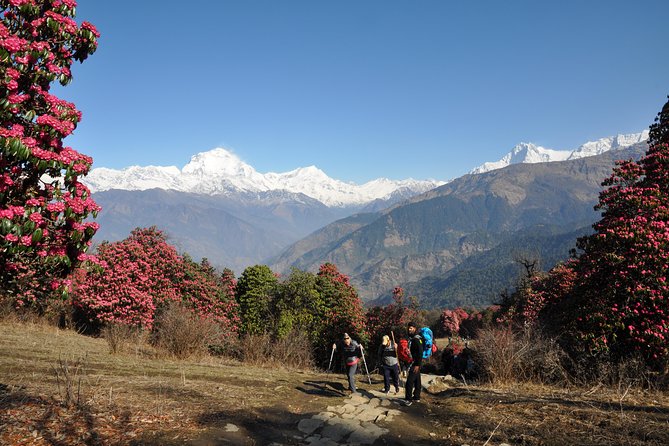
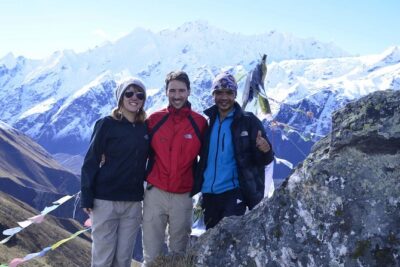
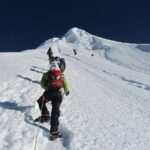
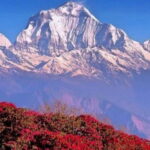
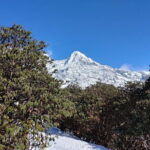
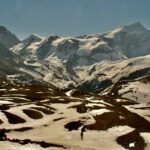
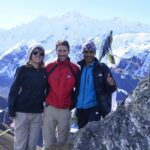
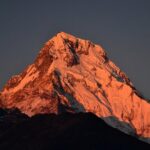
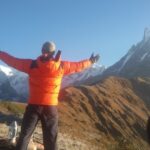
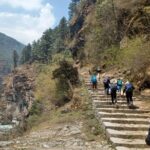
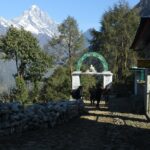
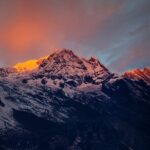
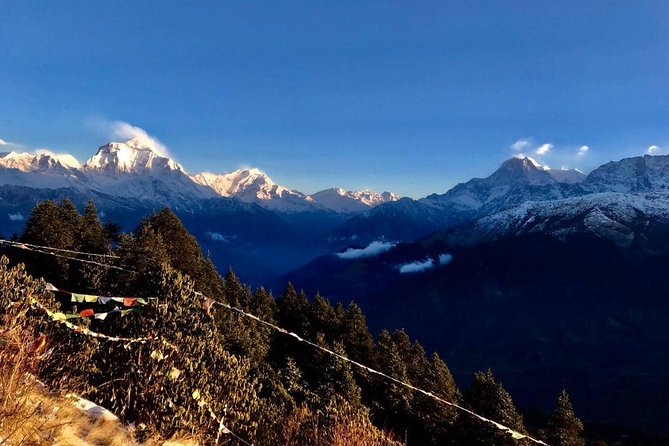
This is the main event: about seven days trekking in the Annapurna region. The big promise is clear—quiet village life plus incredible mountain views around one of the world’s highest regions (Annapurna I is often described as the world’s tenth tallest peak). If you like moving at a human pace, this part is built for that.
The tour includes mountain guesthouse accommodation during trekking, and daily meals on trekking days: breakfast, lunch, and dinner. That matters more than it sounds. When meals are covered, you can focus on walking and staying warm instead of worrying about where you’ll eat at the end of a long day.
Also important for peace of mind: trekking permits and national park fees are included. Paperwork can be stressful even when it’s straightforward. Having it handled helps you start each trekking day with less uncertainty.
How the trekking portion typically feels
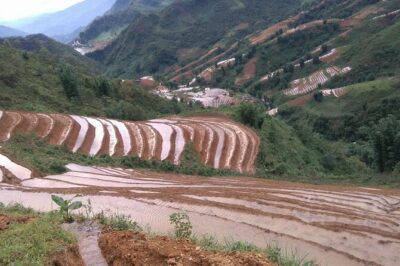
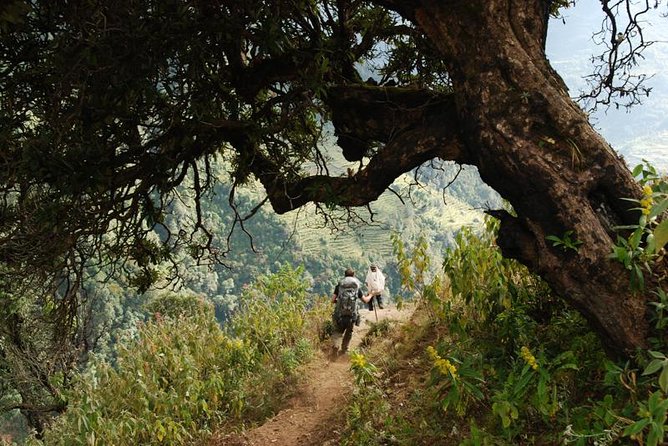
- You’re not just hiking between viewpoints; you’re passing through local communities and day-to-day life.
- You’ll get daily rhythm: walk, rest, eat, sleep, repeat. That rhythm is part of why these treks feel meaningful.
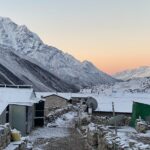
- You’ll be in guesthouses, which means simpler facilities than city hotels. Think of it as comfortable enough for recovery, not as a resort.
Fitness reality check
The info says moderate physical fitness is required. That’s a helpful way to frame it, but it still means you should be ready for steady uphill effort and long walking days. If you’re recovering from injury or you hate being uncomfortable for hours, you might want to choose a gentler alternative.
Altitude note (without overpromising)
Your exact altitude profile isn’t spelled out here, so I can’t give you a day-by-day elevation plan. Still, trekking in the Annapurnas generally means you should take altitude seriously: go slow, hydrate, and tell your guide right away if you feel unwell.
Value check: does $1,227.78 make sense for what you get?
At $1,227.78 per person for a roughly 14-day private tour, you’re paying for a lot of “taken care of” items. The standout value pieces are the ones that reduce hassle and risk.
Here’s what’s included:
- 3-star hotel accommodation in Kathmandu and Pokhara
- mountain guesthouse accommodation during trekking
- all breakfasts, plus lunch and dinner on trekking days
- trekking permits and national park fees
- domestic flight ticket from Pokhara to Kathmandu
- private transportation
- city tour guide and trekking guide
- GST is included
What’s not included:
- trekking gears
- travel insurance
- tips for guides and driver
So is it worth it? For many people, yes—mainly because trekking permits, meals on trekking days, and guided support are often the parts that cost time and energy to coordinate on your own. Add the flight back to Kathmandu, and you’re saving a day of slow travel that can mess with your energy levels.
Where value may be less obvious: if you already have trekking gear and like independent travel, you might feel boxed in by the planned structure. But the tour is also described as customizable to your needs, so you may be able to adjust the balance between culture time and rest time.
One more value point: the group limit (max 15) usually means service doesn’t get drowned by huge crowds. That’s especially helpful when the itinerary mixes city logistics with trekking logistics.
Guides and service level: city guide, trekking guide, and Shiva’s touch
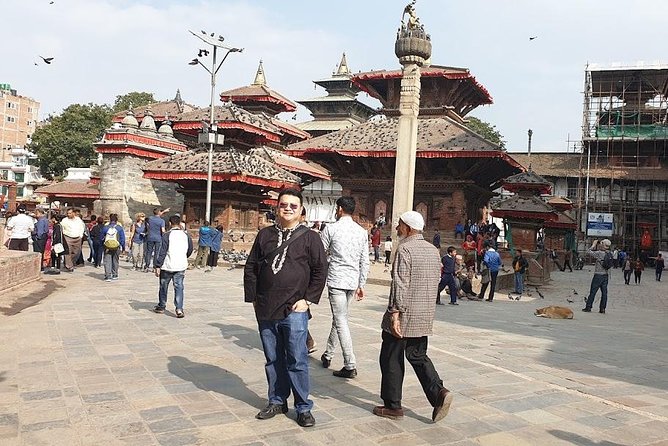
Good guiding is the difference between seeing Nepal and understanding it. This tour includes a city tour guide and a trekking guide. That’s exactly how you want it: cultural context in the cities and on-the-ground decision-making on the trail.
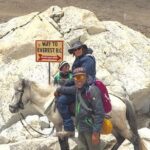
One review specifically credited Shiva as the trip planner, and described how transportation to Pokhara, accommodation, a trekking guide, and even a porter arrangement were handled smoothly. The key detail here isn’t the specific name of every staff member—it’s the service style: friendly, responsive, and practical. You can expect a trip planner mindset, not just a walking buddy.
This matters for safety and comfort:
- In cities, guides help you navigate cultural sites without turning the day into guesswork.
- On trek days, a trekking guide helps with route flow, timing, and adapting to conditions.
Small-group cap is worth repeating. If you hate feeling like you’re on a schedule treadmill, smaller groups can make a real difference when you’re switching locations often.
What to pack for Annapurna: gear is on you, but planning isn’t
Trekking gears aren’t included, so you’ll need to handle the essentials yourself. That part is common in trekking packages, but it’s also the fastest way to ruin a trek if you show up underprepared.
I’d focus on the basics:
- layers for changing temperatures
- rain protection (especially if weather turns)
- comfortable trekking shoes or boots with grip
- a warm hat and gloves if you run cold
- a daypack for water and snacks
If you don’t own gear, you can still solve it before arrival, but you’ll want time to test fit and comfort. The trekking portion is long enough that blisters become more than an annoyance.
Also remember: guesthouses handle your meals, but you handle your comfort. Bring what you need to sleep well and recover. Even if the day ends early, cold nights can still drag.
Weather and schedule changes: expect flexibility in the Himalaya
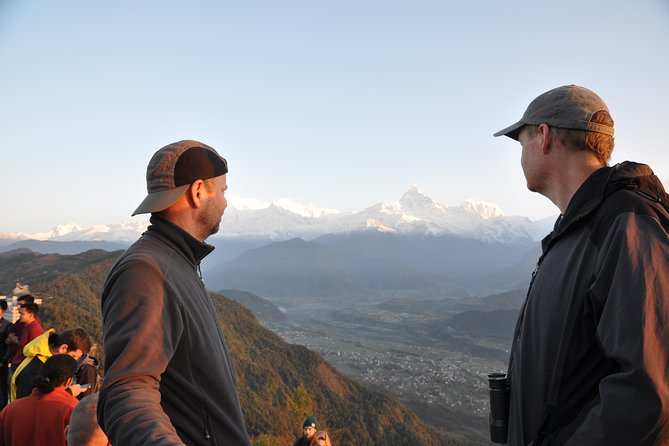
The tour information clearly states the experience requires good weather. That’s not just a legal line—it’s a real operating factor in trekking regions. If conditions are poor, your trekking dates can change.
The good news: the plan accounts for this. You’ll be offered a different date or a full refund if it’s canceled due to poor weather. This is one of the reasons I like choosing operators that take weather risk seriously instead of pushing forward no matter what.
My advice: pack a little patience. Treat your trip like Nepal, not like an airport timetable. If clouds roll in, your best move is to stay practical, follow your guide’s call, and keep your energy for the moments when the views are actually there.
Who should book this Annapurna round tour
This tour fits best if you want three things at once:
- a serious Himalayan trek (about 7 days)
- culture time in Kathmandu Valley
- a recovery stop in Pokhara with hotel comfort
It’s also a good match if you’re planning a sabbatical or gap-year style break. The reviews emphasize spiritual site visits, learning experiences, and meaningful downtime between trekking days.
You should think twice if:
- you’re not ready for moderate trekking effort
- you don’t handle basic guesthouse comfort well
- you want total freedom with no set structure
- you’re hoping for fully predictable weather
If you like guided travel but still want the independence of your own walking pace, this is a strong middle ground.
Should you book it?
Yes, if you want a well-organized blend of Nepal’s spiritual heritage, Kathmandu Valley culture stops, Pokhara pacing, and a real Annapurna trek with permits and meals taken care of. The price feels reasonable when you count guides, meals on trekking days, guesthouse stays, and the included flight back to Kathmandu.
Skip it or reconsider if your schedule is rigid, your fitness level isn’t quite there for moderate trekking, or you’re expecting hotel-level comfort every night on the trail. If weather is a big worry for you, plan a buffer mindset and let the guide handle route decisions.
FAQ
How long is the Nepal round tour with the Annapurna trek?
The tour is listed as approximately 14 days, including about seven days trekking in the Annapurna region.
What city do you start from?
The tour is based in Kathmandu, Nepal.
What does the package include for accommodation?
It includes 3-star hotel accommodation in Kathmandu and in Pokhara, plus mountain guesthouse accommodation during the trekking portion.
Are meals included?
Yes. It includes all breakfasts, and during trekking days it includes lunch and dinner as well.
Are trekking permits and national park fees included?
Yes. Trekking permits and national park fees are included.
Is transportation included?
Yes. Private transportation is included, along with a flight ticket from Pokhara to Kathmandu.
Does the tour include a guide?
Yes. It includes a city tour guide and a trekking guide.
What is not included in the price?
Trekking gears, travel insurance, and tips to the guide and driver are not included.
Is the tour suitable for everyone physically?
The information says you should have moderate physical fitness level.
Is there a cancellation option if weather is poor?
Yes. The experience offers free cancellation up to 24 hours in advance for a full refund, and if it’s canceled due to poor weather you’ll be offered a different date or a full refund.