REVIEW · PORT MORESBY
11 Day Kokoda Trek Australian and Local Guides
Book on Viator →Operated by No Roads Expeditions · Bookable on Viator
Few trips put history and sweat in the same week. This 11-day Kokoda Track trek follows the Owen Stanley Ranges through WWII sites and local villages, with daily climbs, river crossings, and nights in tents. You also get real context along the way, so the story isn’t just names on a plaque.
What I like most is the small-group feel, capped at 14 trekkers, which makes it easier to move as a team and get attention when the trail turns ugly. I also really appreciate that the trek is run with a mix of Australian and local guides, with local knowledge that makes the PNG parts feel grounded instead of staged. The main consideration is the physical demand: you’re looking at steep ascents, swampy ground, and repeated river crossings.
In This Review
- Key Takeaways Before You Walk the Track
- Kokoda Track Trek: What You’re Actually Signing Up For
- Day 1 in Port Moresby: Hilton Hotel, Briefing, and Getting Set
- Day 2: Fly to Popondetta and Step onto WWII Footsteps
- Day 3: Alola and the Isurava Battlefield Memorial
- Day 4: Alola to Templeton’s Crossing 1 (Dump 1)
- Day 5: Mt Bellamy (2,190 m), the Highest Point, and Kokoda Gap Views
- Day 6: A Local Sabbath Option with Seventh-day Adventist Singing
- Day 7: Kagi to Menari and the Brutal Lesson of Brigade Hill
- Day 8: Menari to Nauro with Swampy Terrain and River Crossings
- Day 9: Nauro to Wa-ule Creek through the Maguli Range
- Day 10: Owers’ Corner and the Final Push of Imita Ridge
- Day 11: After Breakfast, Head Home
- What’s Included (and Why That Makes a Difference)
- The Guides and Group Dynamic: Where the Trek Gets Human
- Accommodation and Daily Life: 9 Nights Camping, 2 Nights Hotel
- Who This Trek Is Best For (and Who Might Struggle)
- Should You Book This 11-Day Kokoda Trek?
- FAQ
- Where do I start for the Kokoda trek?
- Do you pick me up from the airport?
- What kind of accommodations are included?
- Is the trek food included?
- Are domestic flights included?
- How big is the group?
- What should I bring in terms of fitness level?
- What’s not included in the price?
- Can I cancel for a full refund?
Key Takeaways Before You Walk the Track
- Small group size (max 14) for steadier pacing and more hands-on guidance when you need it.
- Australian plus local guides bring both WWII storytelling and PNG village context into the same experience.
- Hit the big historical waypoints like Isurava and Brigade Hill, not just passing by them.
- Camping for 9 nights under the stars, plus 2 nights in a hotel, keeps the trip immersive but still organized.
- Food is built in (10 breakfasts, 9 lunches, 9 dinners) with local cuisine on the trail.
- Most logistics are handled: permits, domestic flights, transfers, tents, and cooking gear.
Kokoda Track Trek: What You’re Actually Signing Up For
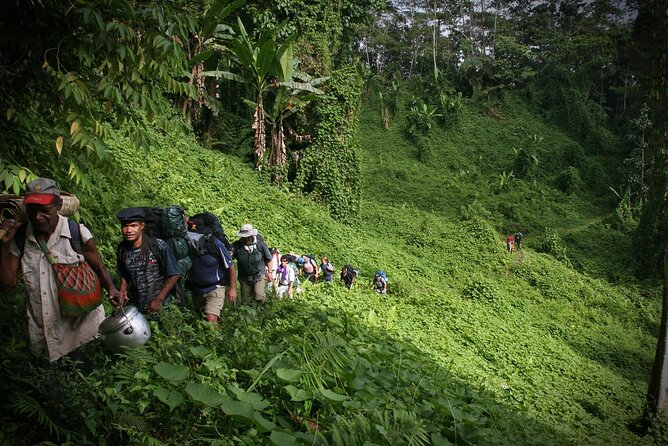
You’re signing up for a real hike through real terrain. The Kokoda Track isn’t a walk in the park and it isn’t a single “big moment,” either. It’s a chain of tough days—climbing away from low ground, dropping into swampy sections, then pushing up ridgelines again—while you also learn why this route matters in Australia’s WWII story.
What makes this 11-day version special is the mix of rhythm: some days start with steady effort, others throw in a sharper climb early or a long grind at the end. You’ll also spend meaningful time at sites like Isurava Battlefield Memorial, Templeton’s Crossing (Dump 1), and Owers’ Corner, so the “why” stays present while your legs do the heavy lifting.
If you’re the type who likes your travel to be purposeful—history you can walk up to, not just read about—this fits. If you’re hoping for soft paths and quick comfort breaks, you may find it exhausting fast.
You can also read our reviews of more tours and experiences in Port Moresby.
Day 1 in Port Moresby: Hilton Hotel, Briefing, and Getting Set
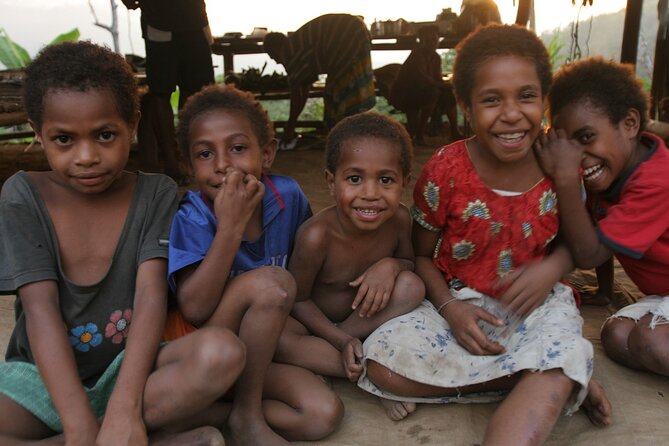
Day 1 is all about getting your bearings. You’ll be picked up from the airport and taken to the Hilton Hotel in Port Moresby, and that evening you’ll have a briefing with your guide.
This matters more than it sounds. The Kokoda Track asks for physical effort, but it also asks for team coordination—how you move, how you handle breaks, and how you treat your gear. A proper briefing the night before the first flight helps you get into “trot mode” instead of “panic mode.”
You’ll also start thinking about the week’s big contrast: two hotel nights now, then 9 nights camping on the trail. So this first night is your chance to sleep like a normal human before you trade comfort for rain forest reality.
Day 2: Fly to Popondetta and Step onto WWII Footsteps
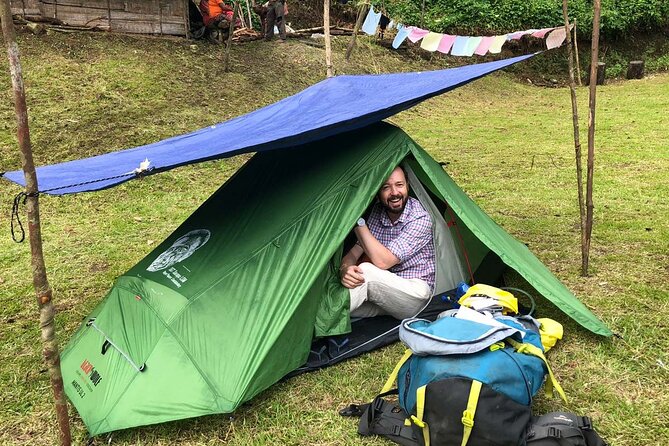
On Day 2 you fly from Port Moresby to Popondetta (about 30 minutes), then travel along the same rugged track once used by the Japanese Imperial Forces during WWII.
This is one of those moments where you can feel the weight of the route. Even if you’re not a WWII nerd, the trail is the point: it’s rugged, it’s bumpy, and it carries the same “get through it” mindset that shaped the historical events here. The first day on a trek like this is often where people either settle in or struggle. Starting with an early flight helps you get time-on-ground sooner, which is useful when the days ahead get tougher.
Practical note: you’ll want a calm start in the morning. If you’re tempted to sleep in, you’ll miss the momentum.
Day 3: Alola and the Isurava Battlefield Memorial
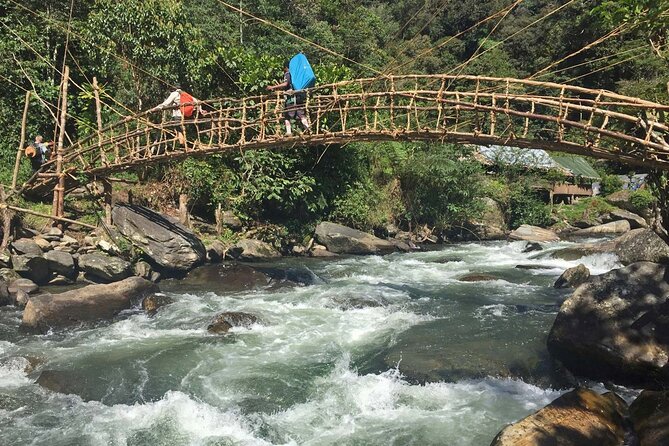
After breakfast, you break camp and trek toward Alola, passing by the Isurava Battlefield Memorial—opened in August 2002.
This stop is powerful because it’s designed to hold a lot of meaning in a relatively small space. It’s not just a memorial photo-op. It gives the broader WWII context so later sites land with more impact. When you see a memorial like this close up, you tend to remember the names and the movement of people, not just the idea of war.
The tradeoff: the day still includes real walking. Memorials slow you down in a good way, but they don’t remove the physical reality.
Day 4: Alola to Templeton’s Crossing 1 (Dump 1)
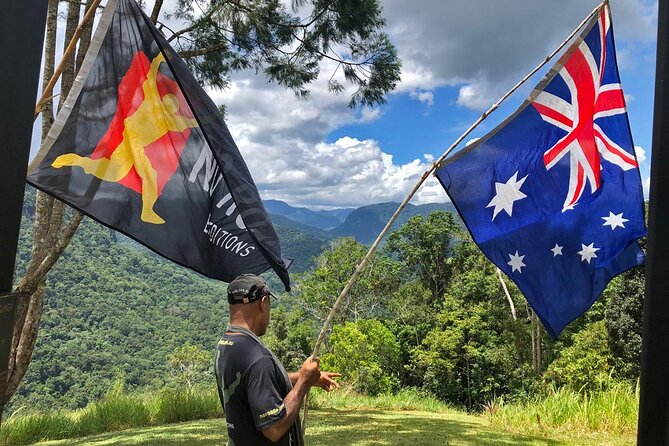
Today takes you from Alola to Templeton’s Crossing 1, also called Dump 1, via Eora Creek, at the base of Mt Bellamy.
This is described as one of the longer days on the track, but also one of the more rewarding. The “rewarding” part usually comes from two things that don’t show up on maps: how the terrain changes as you approach Mt Bellamy, and how the trail’s historical sites connect. Templeton’s Crossing is a key place along the story—so as your body works, your understanding grows.
A consideration here is fatigue management. Longer days can tempt you to rush early and pay later. On a route like Kokoda, steady beats heroic.
Day 5: Mt Bellamy (2,190 m), the Highest Point, and Kokoda Gap Views
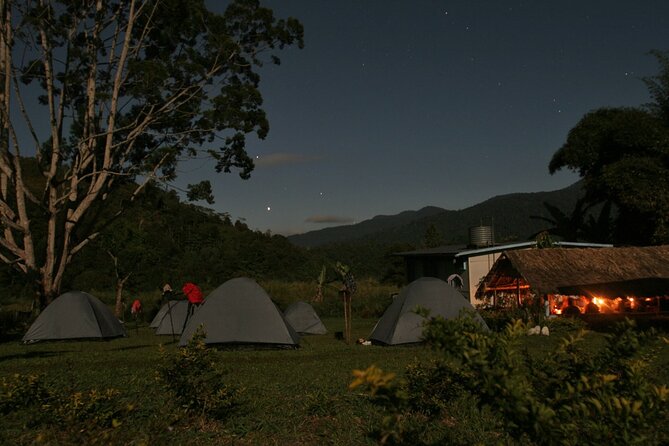
Day 5 is the big climb day: you move from Templeton’s Crossing 1 up toward Mt Bellamy, the highest point on the Kokoda Track at 2,190 metres.
Expect a challenging climb—but the route is set up so you’re climbing toward something you can picture later in the week: sweeping views from the Kokoda Gap (once you reach that higher ground).
This is also the day where your mindset matters. If you think in terms of “top or nothing,” you’ll get frustrated. If you think in terms of step-by-step effort and short resets, you’ll feel better about the grind.
Day 6: A Local Sabbath Option with Seventh-day Adventist Singing
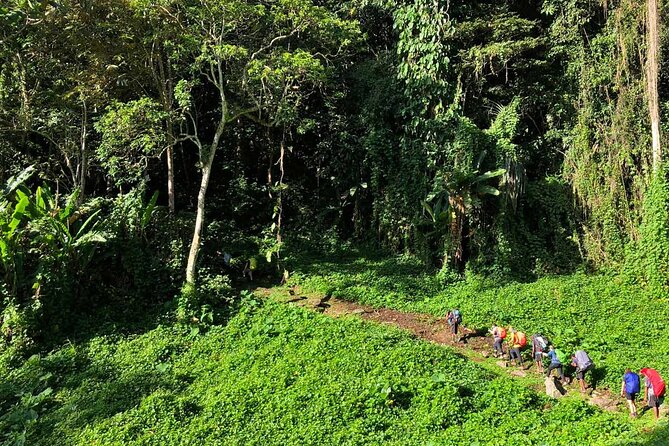
Day 6 is Sabbath day, observed by the Seventh-day Adventist community. You’re warmly invited to attend church service if you want, and it’s also described as a chance to hear their beautiful singing and experience a deeply personal part of life here.
This is one of the parts of the trek that can change the way you remember the whole week. After multiple days of WWII sites, the village rhythm brings you back to PNG as a living place, not a backdrop.
You still trek, too, so it’s not a free day. But it adds meaning beyond the physical challenge. If you’re open-minded and respectful about local customs, this can be a standout day.
Day 7: Kagi to Menari and the Brutal Lesson of Brigade Hill
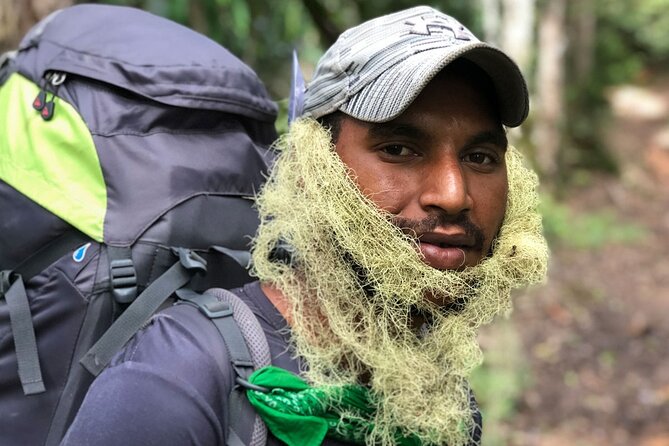
You trek from Kagi to the village of Menari, including a memorable ascent of Brigade Hill.
Brigade Hill is significant both historically and physically, which is a polite way of saying it hits you twice. The trail gives you a physical reminder of the strain people faced here, and your guide’s context helps you link that strain to the WWII story.
Then you begin your descent toward Menari. Descents can feel easier, but they’re often where people get sore knees and tired feet. Keep your pace controlled and protect your form. Think “stay balanced,” not “race downhill.”
Day 8: Menari to Nauro with Swampy Terrain and River Crossings
Day 8 goes from Menari to Nauro, starting with a steep climb over a saddle, followed by descent into the lowlands. The day includes swampy terrain and several river crossings.
This is the kind of day that makes good guidance matter. River crossings aren’t just about bravery; they’re about safety, footing, and moving as a group. Swampy ground also changes how your shoes behave, and it can sap energy because you’re working harder just to move at a normal pace.
Bring a calm attitude. This is not the day to be embarrassed about getting muddy. It’s PNG jungle, and that’s the deal.
Day 9: Nauro to Wa-ule Creek through the Maguli Range
Today you move from Nauro to Wa-ule Creek. You start with a steady climb through open grasslands up to the Maguli Range, then drop down through dense jungle.
That mix—open ground up top, then thick vegetation down below—keeps the trek interesting and varied. It also means you get different kinds of effort: climbing with visibility, then walking with the feeling of being surrounded.
This day often helps you gauge where your body is. By now, you know what pace works for you. If you’ve been pushing too hard in earlier climbs, Day 9 is where you feel it. If you’ve been steady, you’ll likely feel proud.
Day 10: Owers’ Corner and the Final Push of Imita Ridge
Your final day on the track takes you from Wa-ule Creek to Owers’ Corner. The route includes several river crossings, then a long, steep ascent of Imita Ridge—your last big challenge.
Owers’ Corner is the kind of place where the trek’s story wraps into a final location. But it still takes effort to get there. Don’t treat the last day like a victory lap—think of it as a controlled finish.
Imita Ridge is your “legs check” day. If you manage your energy, you’ll cross the finish feeling strong rather than dragged.
Day 11: After Breakfast, Head Home
After breakfast, you head home. It’s a simple end to a complex week, and it can feel strange at first: you’ve spent days focused on step counts and terrain, and then suddenly it’s done.
If you can, give yourself a moment after arrival back to regular life. This trek hits you physically, emotionally, and mentally. It’s not just a holiday stamp; it’s the sort of experience that lingers.
What’s Included (and Why That Makes a Difference)
This trek is priced at $3,442.77 per person, and the value comes from what’s bundled in.
Here’s what’s included that truly matters on the ground:
- 2 nights at the Hilton Hotel in Port Moresby
- All trek permits
- Domestic flights (Port Moresby to Popondetta)
- All transfers
- Tents plus cooking and eating equipment (including knives and forks)
- All trail food: 10 breakfasts, 9 lunches, and 9 dinners
- Trek team size limited to 14, which helps keep the experience manageable
Not included:
- International airfares
- Travel insurance
- Tips for the local team
- 1 dinner on the first night (your first evening at the hotel)
For many people, the biggest practical win here is that you’re not juggling logistics on top of the trek. Permits, flights, and transfers are handled, and you’re fed without having to figure out what to buy each day.
The Guides and Group Dynamic: Where the Trek Gets Human
One of the most praised parts of this journey is the care and guidance from the team. People highlight the mix of Australian and local guides, and how that combination supports you when obstacles show up.
In particular, a guide named Robyn has been singled out for care and support, and the wider Kokoda team has been praised for keeping things organized while staying genuinely human. That kind of leadership matters on Kokoda because the trail demands teamwork. If you’re tired, someone notices. If the group needs to slow, it slows. If a crossing needs attention, you don’t feel alone.
Also, the experience is designed for a maximum of 14 trekkers, so it tends to feel more like a shared effort than a conveyor belt.
Accommodation and Daily Life: 9 Nights Camping, 2 Nights Hotel
You sleep 9 nights camping and 2 nights in a hotel. That split is smart. The hotel nights help you start and reset, while camping keeps you close to the trail and the rhythm of PNG village life.
On camping nights, you’ll have tents and cooking equipment provided, plus trail meals. The practical implication: you can pack and plan for a trek week instead of trying to replicate a camping setup from scratch.
Who This Trek Is Best For (and Who Might Struggle)
This is for you if:
- you have strong physical fitness and you’re comfortable with long days and steep terrain
- you want WWII sites explained in context as you walk past them
- you like travel that includes local culture in a respectful, real way (including the local Sabbath church invitation)
- you want a small-group trek where guidance matters
You might struggle if:
- you’re sensitive to challenging climbs, swampy ground, and frequent river crossings
- you’re expecting an easy, self-guided walk
- you prefer “nice-to-have comfort” over practical trek reality
Should You Book This 11-Day Kokoda Trek?
If your idea of a great trip is a mix of history you can walk to and a team that helps you move safely through tough terrain, I’d seriously consider booking. The value is in the bundled logistics (permits, domestic flights, transfers, food, tents) and the small-group size that keeps you supported.
But be honest with yourself about the physical side. The itinerary includes the highest point on the track, long days, and river crossings in lowlands. This isn’t a check-the-box holiday. It’s a meaningful trek that asks you to show up ready to work.
If that sounds like your kind of travel, Kokoda is the real deal.
FAQ
Where do I start for the Kokoda trek?
The start point is Jackson Field in Port Moresby, with a start time of 9:00 am.
Do you pick me up from the airport?
Yes. On Day 1, you’ll be picked up from the airport and taken to the Hilton Hotel.
What kind of accommodations are included?
You get 2 nights at the Hilton Hotel and 9 nights camping during the trek.
Is the trek food included?
Yes. The package includes 10 breakfasts, 9 lunches, and 9 dinners, with local cuisine on the trail. One dinner on the first night is not included.
Are domestic flights included?
Yes. You’ll include domestic flights as part of the trek schedule (including the flight from Port Moresby to Popondetta).
How big is the group?
The maximum group size is 14 travelers.
What should I bring in terms of fitness level?
You should have a strong physical fitness level, since the itinerary includes steep ascents, steep descents, and river crossings.
What’s not included in the price?
Not included are international airfares, travel insurance, tips for the local team, and 1 dinner on the first night.
Can I cancel for a full refund?
Yes. You can cancel up to 24 hours in advance for a full refund. If you cancel less than 24 hours before the start time, the amount paid is not refunded.