REVIEW · KATHMANDU
Short Everest Base Camp Trek 10 Days
Book on Viator →Operated by Welcome Nepal Treks P.ltd · Bookable on Viator
Everest Base Camp in 10 days sounds wild. What makes this one worth your attention is the fast route in and out of the Khumbu, backed by real logistics support from Kathmandu and a guide who keeps the plan clear. I like that Lukla flights and domestic transfers are handled as part of the package, and you’re not stuck guessing how to connect. I also like the payoff timing: the trek is built around the Kala Patthar sunrise moment and the classic Everest Base Camp day.
The main consideration is that this is a short trek at altitude. The walking days can run long for the height you’re gaining, so you’ll want solid fitness and a calm pace when your body asks you to slow down.
In This Review
- Key Highlights Worth Planning For
- Day 1: Kathmandu to Lukla, Then Your First Steps in Phakding
- Day 2: Namche Bazaar at 3,440 m and the Dudh Koshi Walk
- Day 3: From Namche to Tyangboche (3,867 m) and the Taste of Khumbu Culture
- Day 4: Dingboche (4,260 m), Rhododendron Forest, and an Imja Khola Bridge Moment
- Day 5: Lobuche and the Slow Build Toward Gorakshep Country
- Day 6: Gorakshep to Everest Base Camp (5,140 m and up) via Rocky Paths and Khumbu Glacier
- Day 7: Kala Patthar Sunrise at 5,545 m and Then Down to Pheriche
- Day 8: Returning to Namche Bazaar With Sherpa Village Stops
- Day 9: Lukla Return Day and a Teahouse Night Before Kathmandu
- Day 10: Fly Back to Kathmandu and Close With Bhojan Griha
- Price and Value: What $1,400 Covers, and What You Still Need to Budget
- The Real Role of the Guide (Including Names That Keep Showing Up)
- Small Group Trekking: Why Max 15 Matters on Narrow Trails
- Pacing, Altitude, and Fitness: The Short-Trek Reality Check
- Should You Book This 10-Day Everest Base Camp Trek?
- FAQ
- What is the duration of the short Everest Base Camp trek?
- Where does the experience start?
- Is pickup included?
- Is the Lukla flight included in the price?
- Where will you sleep during the trek?
- Are meals included?
- Do I need travel insurance?
- Are porters included?
- How many people are in the group?
- What is the cancellation policy?
- Who operates the tour?
Key Highlights Worth Planning For
- Lukla flight included: Kathmandu to Lukla and back is part of the deal, so you avoid the biggest travel “unknown.”
- Kala Patthar early-morning climb: you’re positioned for sunrise views at 5,545 m.
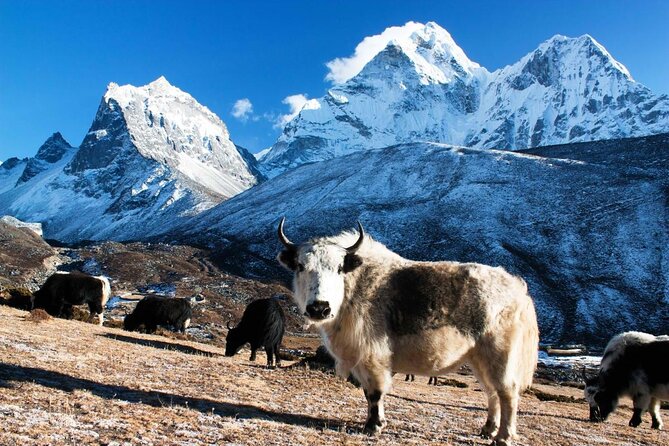
- Real high-country trekking focus: Gorakshep to Base Camp via rocky ground and the Khumbu glacier corridor.
- Small group size (max 15): easier trail rhythm, fewer bottlenecks at tea houses and viewpoints.
- Permits and guide support included: you’re not handling paperwork and logistics while you’re trying to acclimatize.
Day 1: Kathmandu to Lukla, Then Your First Steps in Phakding
Day 1 starts early with a 6:15 am meeting point, then a domestic flight hop to Lukla. Airlines can vary by schedule (Tara, Summit, or Sita Air), but the structure stays the same: fly to Lukla, then trek onward to Phakding for your first real night at altitude.
This day is less about “big achievement” and more about getting your bearings. The trail you begin on follows the Khumbu valley flow, and after the flight, you’ll be surprised how quickly your lungs start to notice the change in elevation. You’ll also feel the rhythm of tea-house trekking right away: simple lodges, shared communal areas, and that early-to-bed pattern that makes later mornings easier.
One small thing to keep in mind: weather and flight timing are always variables around Lukla. The good news is the package covers the flight fare and you’re not coordinating on your own.
You can also read our reviews of more tours and experiences in Kathmandu.
Day 2: Namche Bazaar at 3,440 m and the Dudh Koshi Walk
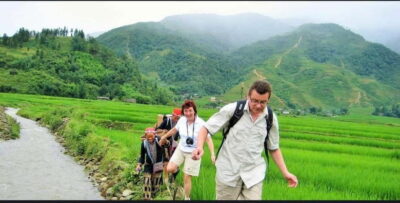
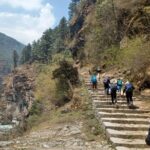
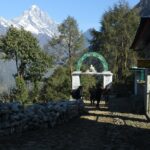
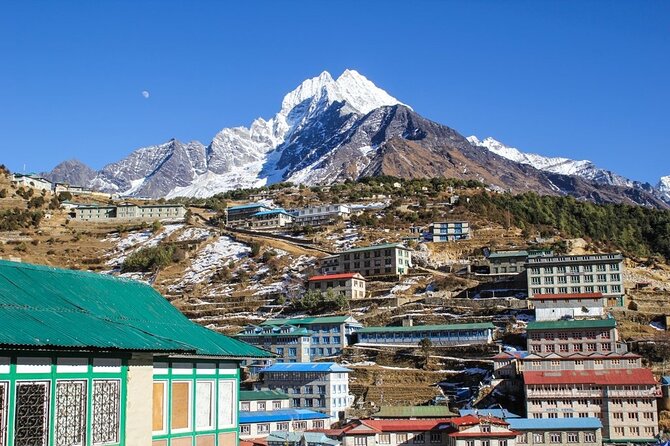
On Day 2, you trek from Phakding up toward Namche Bazaar (3,440 m). The trail follows the right bank of the Dudh Koshi river, while Thamserku towers on the opposite side. It’s a classic “start climbing, then frame the mountains” day, and the landscape is one of the reasons people plan this trek even when they’re short on time.
Namche Bazaar is where the trip starts to feel like the Everest hub. You gain altitude, see bigger views, and you also get that practical advantage of being in a larger trekking town: more choices for charging phones, buying snacks, and sorting small gear needs.
For acclimatization, the key is how you pace. Even though this is a short Everest Base Camp trek, Namche is still high enough that you’ll want to keep your effort controlled and let your breathing find a steady rhythm.
Day 3: From Namche to Tyangboche (3,867 m) and the Taste of Khumbu Culture
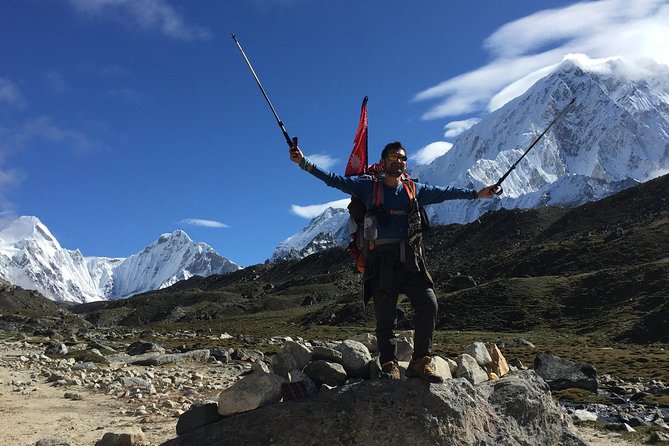
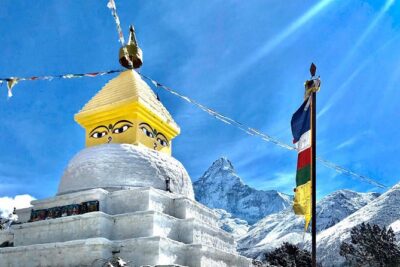
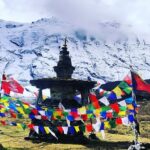
Day 3 pushes you toward Tyangboche (3,867 m). The trail drops you into the drama of terrain quickly, with sections that run alongside steep drops toward the Dudh Kosi. You’ll also spend time in the prayer-flag zone, where Tyangboche’s place in Khumbu life is hard to miss.
This day tends to feel like a turning point. Namche is a base for planning; Tyangboche is more about atmosphere. You’ll likely notice the shift from “town convenience” to “spiritual mountain staging,” with monasteries and village life framing the hiking.
The practical benefit: Tyangboche also sets you up for the next day’s higher village climb. If you walk steadily and avoid sprinting uphill, you’ll be in a better place when the route continues toward Dingboche.
Day 4: Dingboche (4,260 m), Rhododendron Forest, and an Imja Khola Bridge Moment
Day 4 goes from Tyangboche to Dingboche at 4,260 m, and it includes a mix of terrain styles. You’ll descend through a rhododendron forest toward Deboche, cross a suspension bridge at Imja Khola, and keep moving.
That bridge matters more than it sounds. Suspension bridges can be wobbly, especially in wind, and it’s exactly the kind of moment where a steady, focused pace reduces stress. It’s also one of those small scenes that makes the trek feel real: you’re not just climbing altitude, you’re moving through the everyday geography of the Khumbu.
Dingboche is high enough that sleep can feel different. Keep your plan simple: hydrate, eat what you can, and keep your evenings easy. Your guide’s job—keeping the day plan clear and making sure everyone understands what’s next—helps a lot here.
Day 5: Lobuche and the Slow Build Toward Gorakshep Country
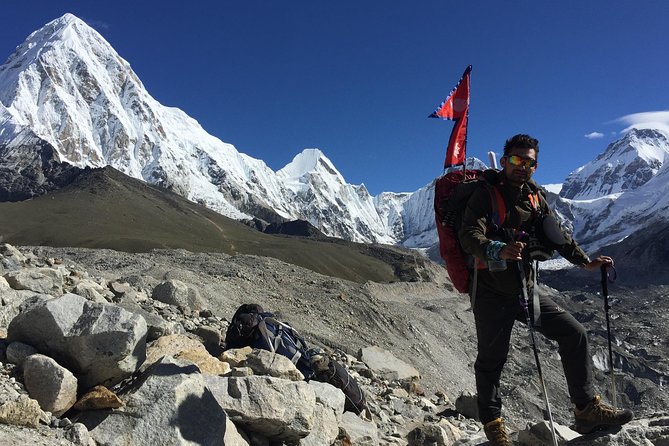
Day 5 brings you from Dingboche toward Lobuche, reaching it after roughly five and a half hours of walking. The route is described as gentle up to Pheriche village, which is a helpful detail for planning your effort. You’re still gaining altitude, but the day is framed so you don’t have to fight the entire way.
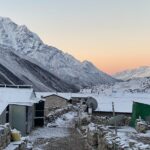
Lobuche is where the trekking mood turns serious in a good way. The air is thinner, the nights are colder, and the terrain begins to feel more “high-alpine.” It’s also a staging point for the biggest push of the whole trek.
If you get nervous about whether you can handle the next day, this is where you steady yourself. Follow your guide’s pacing, keep breaks short, and focus on consistency rather than speed.
Day 6: Gorakshep to Everest Base Camp (5,140 m and up) via Rocky Paths and Khumbu Glacier
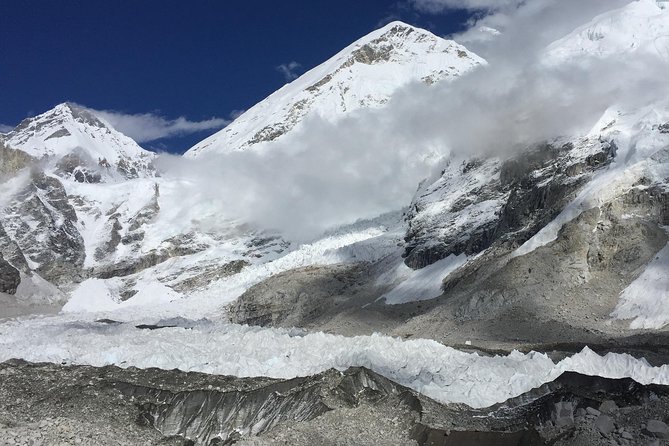
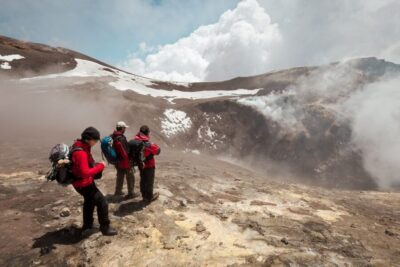
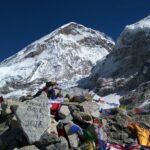
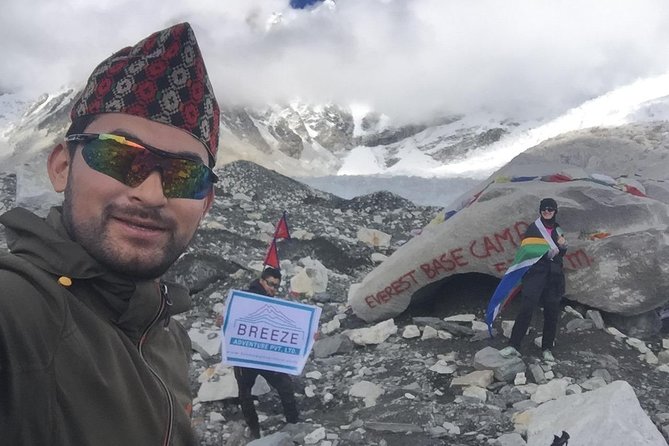
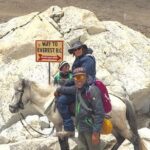
Day 6 is the marquee day: after breakfast in Lobuche, you trek to Everest Base Camp via Gorakshep (around 5,140 m), and it’s listed as about 8 hours. This section winds through rocky paths and the Khumbu glacier corridor, and it’s the point where the trek feels fully “Everest.”
This is also where the scenery hits hard in the best way. The route is described as offering views including Nuptse, and you’re walking in a region where the mountains feel close enough to be part of your day-to-day field of view. Everest Base Camp itself is a magnet, but the real value is the approach—how the glacier terrain and stark rock start to define the day.
Practical consideration: glacier routes and rocky segments can be mentally fatiguing. Even if the trail is manageable, it takes concentration. This is where a good guide helps you stay calm, keep feet stable, and understand the timing of breaks.
Day 7: Kala Patthar Sunrise at 5,545 m and Then Down to Pheriche
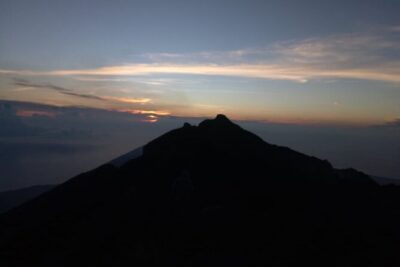
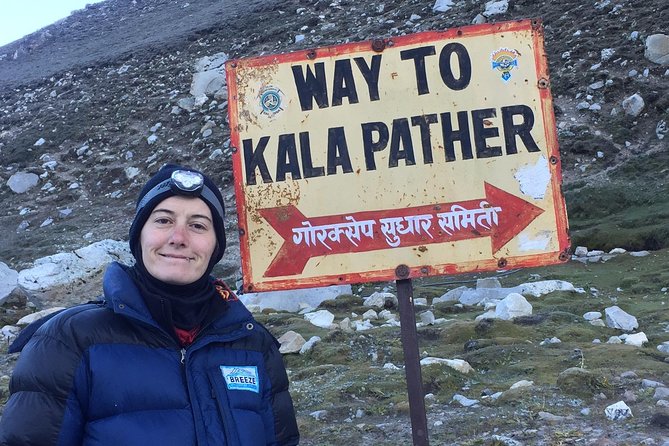
Day 7 begins with the Gorakshep to Kala Patthar move, then trekking onward to Pheriche (4,243 m). You’re given an early start concept: you get ready in the morning to climb Kala Patthar (5,545 m) for sunrise, then enjoy the view as daylight arrives.
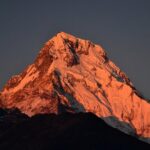
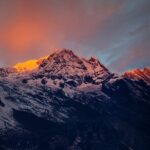
Kala Patthar is famous for a reason, but what you should plan for is the effort. This isn’t a stroll at 5,545 m. Going up for sunrise is an altitude challenge and a cold-morning logistics challenge. Your reward is the view: you’re positioned to see Everest and nearby giants like Pumori, with other major peaks often visible when weather cooperates.
After the sunrise push, you’ll trek down to Pheriche. That descent is a big part of why this trek works in 10 days. It gives you a chance to reset physically after the highest viewpoint moment.
Day 8: Returning to Namche Bazaar With Sherpa Village Stops
Day 8 brings you back toward Namche Bazaar (3,440 m) and takes about four and a half hours. The plan includes visiting traditional villages such as Khumjung, so you’re not just marching downhill—you’re also reconnecting with local culture and daily life.
This is a nice mental day. By now, you’ve done the high-energy pushes, and today feels more like you’re returning to the more human-scale part of the Khumbu. You’ll still be at trekking altitude, but the day’s structure makes it feel lighter.
If you’re tired, this is where you’ll notice the value of having a group and an organized guide. The route is clear, the timings are planned, and you can focus on walking well instead of guessing what comes next.
Day 9: Lukla Return Day and a Teahouse Night Before Kathmandu
Day 9 finishes the trek with the walk back to Lukla, and it’s listed as about 7 hours. Lunch is served on the way, and after arrival, you refresh and rest overnight at a tea house lodge.
This day can feel strangely emotional. You’ve been thinking about Base Camp and Kala Patthar, but now you’re heading back to the place where the trek’s logistics begin and end. It’s a good time to slow down and notice details you might have ignored earlier: smaller prayer flags, the sound of other groups, and the rhythm of tea house life.
When you plan your mindset, remember that 7 hours at altitude still takes energy. Keep your pace steady, drink water regularly, and don’t treat this as an afterthought day.
Day 10: Fly Back to Kathmandu and Close With Bhojan Griha
On Day 10, you board an early flight from Lukla to Kathmandu (listed at about 25 minutes). After you arrive at TIA, representatives receive you, and you transfer to your hotel by private vehicle. In the evening, there’s a farewell dinner served in Bhojan Griha.
This is a practical landing. The tour handles transfers, so you’re not negotiating transport while you’re tired. The farewell dinner also gives you a low-pressure way to decompress and share what you saw—especially if you’re traveling with a small group.
It’s also a nice time to think about what to do next in Nepal. Many people pair Everest treks with a more relaxing section of the trip, and the idea makes sense: your body needs time to come down from altitude.
Price and Value: What $1,400 Covers, and What You Still Need to Budget
At $1,400 per person for a 10-day short Everest Base Camp trek, the value is strongest when you compare what’s included vs. what you’d normally have to arrange yourself. The package covers flight fare (Kathmandu–Lukla–Kathmandu), domestic hotel/airport transfers by private vehicle, and all accommodations during the trek in lodges/tea houses.
It also includes important overhead: trekking permits, government taxes and service charges, and the guide’s and porters’ costs (salary, food, insurance, equipment). Emergency helicopter service is arranged, but it’s explicitly tied to payment by your travel insurance company—so you still must have the right coverage.
The two biggest items not included are meals and your personal trekking equipment. Standard meals (breakfast, lunch, dinner) during the trek aren’t included, so you should plan to pay as you go at tea houses. Tips for the guide and porter are also expected, and porters themselves are available at extra cost (not automatic for every person).
If you’re trying to decide whether this price is fair, here’s a simple test: it’s a package that reduces planning stress around the flights, permits, and guide logistics. You’re mainly paying for support where mistakes would be expensive or exhausting. If you already have flights, permits, and a guide lined up, the price would feel less compelling. If you want a guided, structured Everest route with domestic travel handled, it’s easier to justify.
The Real Role of the Guide (Including Names That Keep Showing Up)
A lot of the trek’s quality comes down to the guide’s work: pacing, briefing the plan, and keeping you safe while still moving efficiently. In the accounts tied to this tour, specific guide names come up often—Mohan, AJ, Padam dai, Padam Bahadur Bhujel, and Anjan. That repetition matters because it suggests a consistent team style rather than a last-minute shuffle.
What to look for in how you’ll be guided is simple:
- You should get clear direction about what you do each day and what time you’ll move.
- You should feel supported when your body wants to go slower at altitude.
- You should be able to ask practical questions without feeling rushed.
You’ll also find that some guides help with day-to-day needs. One account notes gear loan support without charge, which is the kind of small kindness that can save a trip if you forgot something essential.
Small Group Trekking: Why Max 15 Matters on Narrow Trails
This trek runs with a maximum of 15 travelers. That’s not a huge crowd, and it matters in real places: tea houses that get crowded, viewpoints where people bunch up, and trail segments where passing slows down.
A smaller group also tends to make it easier for your guide to manage pacing for different fitness levels. Everest trekking is as much about group dynamics as it is about your legs. When everyone is calmer, the whole day flows better.
If you like meeting people but hate being swallowed by a tour bus vibe, this size is a good middle ground.
Pacing, Altitude, and Fitness: The Short-Trek Reality Check
This is a strong option if you’re aiming for Everest Base Camp but only have limited time. Still, it doesn’t remove the main challenge: altitude and fatigue.
Look at the effort pattern across the days. Walking times range from about 5 to 8 hours, and one of the biggest tests is the 8-hour Day 6 push to Base Camp via Gorakshep. Then Day 7 adds the early ascent to Kala Patthar at 5,545 m, followed by a descent to Pheriche.
So who’s it for? You should have strong physical fitness and be comfortable with long hiking days. You also should be mentally ready for slow moments. Even with a guided plan, altitude makes speed irrelevant. Consistency wins.
If you’re dealing with medical issues or you’re returning from injury, you should talk to your doctor before booking. And if you’re unsure how you handle altitude climbs, you’ll want to build in extra caution and ask your guide to help you pace safely.
Should You Book This 10-Day Everest Base Camp Trek?
Book it if you want a structured short Everest route with the big logistics handled: flights to Lukla, private transfers, permits, tea-house lodging, and an experienced English-speaking guide. The strongest “yes” comes from travelers who value the sunrise-to-views arc around Kala Patthar and want to reach Everest Base Camp without dragging the trip into an open-ended timeline. For a lot of people, pairing this with a relaxing add-on in Nepal is the smart way to finish.
Don’t book if you hate early starts, aren’t comfortable hiking 5–8 hours on most days, or you know altitude usually knocks you out. This trek is short on purpose, and that means there’s less room for slow acclimatization compared to longer routes.
FAQ
What is the duration of the short Everest Base Camp trek?
The trek is listed as approximately 10 days.
Where does the experience start?
It starts in Kathmandu, with a meeting time of 6:15 am and then a domestic flight to Lukla to begin trekking.
Is pickup included?
Pickup is offered.
Is the Lukla flight included in the price?
Yes. Flight fare for Kathmandu–Lukla–Kathmandu with domestic airport tax is included.
Where will you sleep during the trek?
You’ll stay in lodges/tea houses during the trek.
Are meals included?
Standard meals (breakfast, lunch, and dinner) during the trek are not included.
Do I need travel insurance?
Yes. Travel insurance covering emergency high-altitude rescue and evacuation is not included, and the helicopter service arrangement is paid by your travel insurance company.
Are porters included?
Porters are available at an extra cost (listed as 1 porter for 2 people).
How many people are in the group?
There is a maximum of 15 travelers.
What is the cancellation policy?
Free cancellation is available. You can cancel up to 24 hours in advance for a full refund; within 24 hours, there is no refund.
Who operates the tour?
The provider is Welcome Nepal Treks P.ltd.