REVIEW · KATHMANDU
Everest Base Camp Trek 15 days | Local Guide | Flexible Itinerary
Book on Viator →Operated by Life Himalaya Trekking · Bookable on Viator
Everest calls fast, but this plan keeps it doable. This 15-day trek is built around the classic Sherpa trail to Everest Base Camp at 5364 m, then pushes higher for the view from Kala Patthar at 5545 m. You’ll also get multiple acclimatization beats in villages like Namche Bazaar and Dingboche, which matters more than most people expect.
I like two things a lot: first, the emphasis on altitude-sickness avoidance with a day set aside for acclimatization (including time at higher villages). Second, the value comes from real “big-ticket” inclusions—your Lukla flights, permits, an English-speaking license-holder guide, porters, and lodge meals are all packaged in, not tacked on later.
One key consideration: you’re doing high-altitude trekking with early, weather-sensitive flights to Lukla, and on the trail you shouldn’t plan on hot showers or reliable battery charging. That’s normal here, but you need to plan your comfort expectations around it.
In This Review
- Quick highlights (what stands out)
- Planning Your Everest Base Camp Trek: What the 15 Days Really Feel Like
- Kathmandu Arrival Day: Start Clean, Not Stressed
- Lukla Flight Day: The Gateway With Real Logistics
- Namche Bazaar Via Hillary Bridge: Where Acclimatization Becomes Real
- Hotel Everest View Day at 3440 m: The Extra Buffer That Helps
- Tengboche Gompa Day: Culture and Cold-Air Views
- Dingboche and the Acclimatization Rhythm: A Smart Pause
- Thugla and the Run to Everest Base Camp: The Long Day That Pays Off
- Kala Patthar at 5545 m: Sunrise-Style Ambition, Built Into the Schedule
- Descent via Pangboche and Phorste: Less Crowded Legs
- Day 12’s Trail Connection Toward Gokyo: A Route Variation With Big Views
- Back Toward Lukla: The Finish Line Walk You’ll Remember
- Day 14 Flight Back to Kathmandu: One Last Cold Morning Check
- What’s Included in the Price: Why $1,890 Can Be Fair Here
- Lodge Comfort and Food Reality: Hydration, Warmth, and Charging Limits
- Guides and Porters: The Human Part That Makes the Trek Easier
- Who This Trek Fits Best (and Who Should Rethink)
- Should You Book This Everest Base Camp Trek?
- FAQ
- What permits are included for the Everest region?
- Are flights to Lukla included, and what baggage allowance is provided?
- What trekking gear is provided?
- Are meals included on the trek?
- Is hot showering or battery charging included?
- What kind of guide support will I have?
Quick highlights (what stands out)
- Safety-first pacing with acclimatization days and an itinerary designed to reduce altitude stress
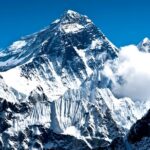
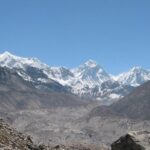
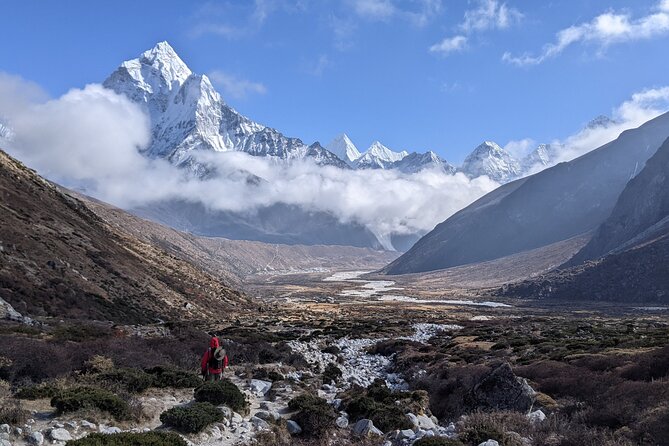
- Kala Patthar at 5545 m for the classic big-mountain view over Everest, Lhotse, Nuptse, and more
- Lukla flights included plus clear domestic luggage allowances (10 kg checked + 5 kg hand carry)
- English-speaking, license-holder guidance with an assistant guide when the group is 5+
- Porters and gear support (including provided trekking poles, sleeping bag, and down jacket)
Planning Your Everest Base Camp Trek: What the 15 Days Really Feel Like
Everest Base Camp is not just a single destination. It’s a sequence of climbs and recoveries. This itinerary is designed like that on purpose: you don’t run straight upward every day. Instead, you gain altitude gradually, then stop long enough to let your body adjust before going higher again.
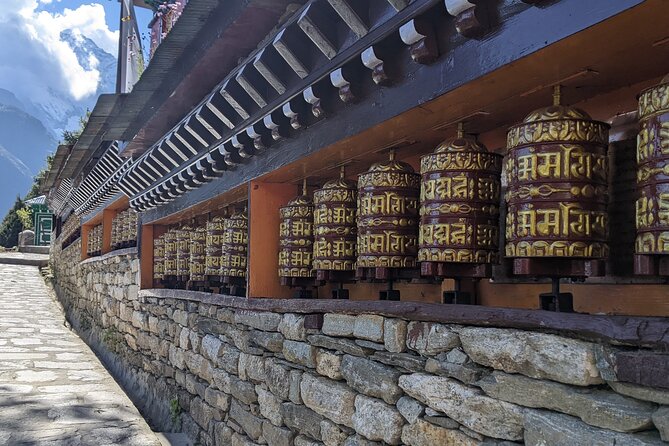
The “feel” of the trek is also about villages. You’ll spend time in Sherpa hubs and tea house stops where you can actually reset—eat something warm, walk at a manageable pace, and talk with locals and guides. Places like Namche Bazaar and Tengboche add culture and rhythm, not just distance.
If you’re the type of traveler who gets nervous when schedules look too tight, I’d be encouraged by this plan. It explicitly aims to reduce altitude problems and supports comfort in practical ways, like lodge-based sleeping and managed meals.
You can also read our reviews of more tours and experiences in Kathmandu.
Kathmandu Arrival Day: Start Clean, Not Stressed
Your trek begins in Kathmandu with an airport welcome and transfer to your hotel. That first evening is underrated. After international travel, you want a smooth handoff, not a scavenger hunt for SIM cards and bus routes.
This trip includes private transportation, so you don’t waste your first day figuring out local transit. You’ll also get a guide-oriented handoff before the trek starts, which helps when you’re trying to pack for cold nights and high winds.
What to watch: Kathmandu can throw you off with traffic and late-night energy. Try to eat early, drink enough water, and keep your sleep as normal as you can. Your body is already gearing up for altitude soon.
Lukla Flight Day: The Gateway With Real Logistics
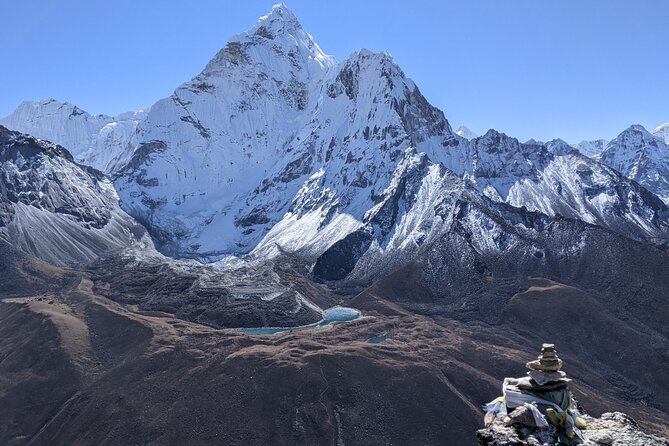
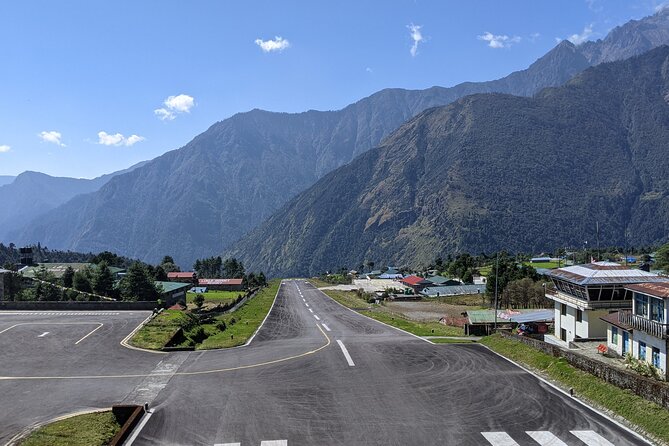
Day 2 includes the flight from Kathmandu (the program notes Kathmandu/Ramechap) to Lukla. It’s a short hop by distance, but it’s a big change in altitude and atmosphere. Lukla sits at about 2810 m, and it’s also where your trek “starts for real.”
This part is included end-to-end: flights going up, and flights returning later on Day 14. Domestic flights also come with a clear luggage plan: you get 10 kg for your bigger bag plus 5 kg hand carry, totaling 15 kg per person.
Why this matters: if you’re used to bringing a lot of “just in case” gear, you’ll need to trim. The packing list you follow should match those exact limits, or you’ll end up stressed at check-in.
Also, if weather shifts, flights can change. The trek provider flags good weather as important for the experience. So keep a little mental slack in your schedule.
Namche Bazaar Via Hillary Bridge: Where Acclimatization Becomes Real
After an early start and breakfast at a tea house, you’ll walk toward Namche Bazaar, with a notable stop at Hillary Bridge along the way. Reaching Namche is a turning point because you’re now in the main Sherpa hub for the Everest region.
This is where the trek’s “slow gain, smart recovery” logic shows up. The higher you go, the more your pace has to match your breathing, not your ambition. Tea house trekking works because you can adjust day-to-day without losing the whole plan.
What you’ll like here: Namche Bazaar gives you a real place to refuel, not just a pass-through. It also gives you time to settle into the altitude.
Hotel Everest View Day at 3440 m: The Extra Buffer That Helps
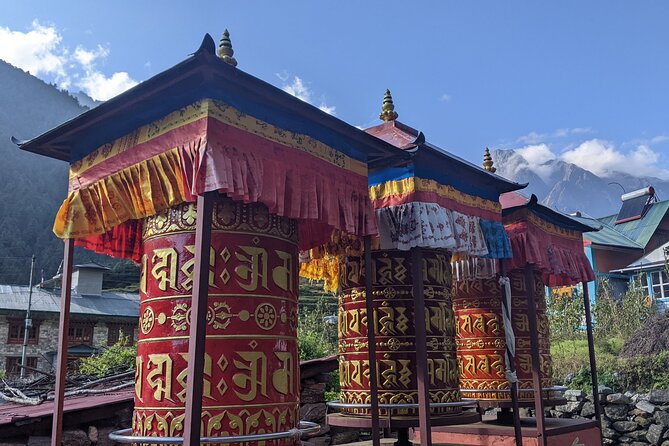
At 3440 m, the itinerary builds in an essential buffer day. The plan notes you’re already high enough to stay one extra day for acclimatization and side excursions.
This is exactly the kind of detail that separates a comfortable trek from a “why did I come so fast?” trek. A small altitude adjustment in your schedule can make a huge difference in how you feel later, especially when the route climbs toward Dingboche and beyond.
You don’t need to overdo the side walk. Think of this as a day to manage your effort, eat well, and sleep smart.
Tengboche Gompa Day: Culture and Cold-Air Views
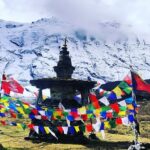
Day 5 focuses on Tengboche Gompa. This is a classic stop because you’re walking uphill through Sherpa region trails, and you’re also heading into a place strongly tied to local spirituality.
This day matters beyond scenery. When you’re at altitude, your mind needs variety too. Tengboche adds a cultural anchor to the trek, so you’re not just thinking about your next breath.
The practical drawback: cold gets real as you climb. Layering matters, and your daypack should stay organized. If you rely on rummaging every time you feel chilly, you’ll burn energy fast.
Dingboche and the Acclimatization Rhythm: A Smart Pause
You’ll continue toward Dingboche through river crossings and trail segments that split the route toward higher areas. Then the program gives you another acclimatization day at Dingboche.
This pattern—reach higher, then stop—helps your body adjust to thinner air. It also gives you options for gentle side excursions. The idea is to keep your body moving without forcing big altitude jumps.
What I’d emphasize for you: on acclimatization days, slow down. The temptation is to “celebrate” the pause by walking longer. But altitude doesn’t reward ego. If you feel tired, treat that as useful information.
Thugla and the Run to Everest Base Camp: The Long Day That Pays Off
Eventually the trek pushes toward Thugla, then onward to Everest Base Camp at 5364 m. Day 9 is the big one: the walk to the main destination.
This is usually the longest stretch mentally, because it’s the day you’ve been planning around from the start. Even if your legs are tired, the route gives you a steady progression of tea house stops and mountain views.
A practical note: at Base Camp, conditions can be changeable. Your warmth strategy matters more here than in Kathmandu. Keep your core warm and don’t let yourself soak in sweat and then chill.
If you’re hoping for that “arrived” moment, this day is it—paired with lodge and menu-based meals that keep the day structured instead of chaotic.
Kala Patthar at 5545 m: Sunrise-Style Ambition, Built Into the Schedule
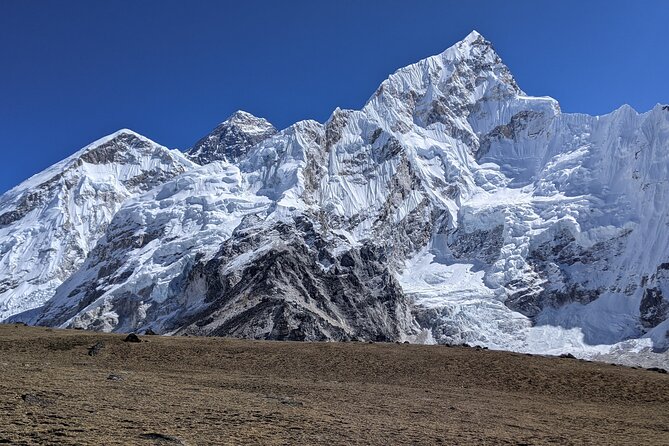
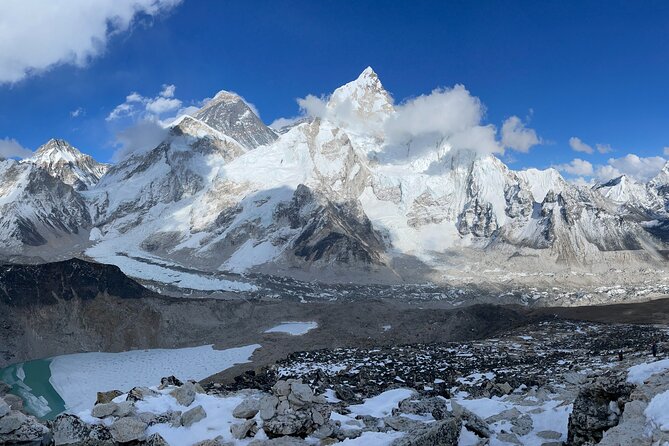
Day 10 starts early for the hike to Kala Patthar. This is the altitude push at the top of the trip, reaching 5545 m.
The itinerary frames the goal clearly: the most breathtaking views of Everest and surrounding peaks like Lhotse and Nuptse. And because it’s planned as an early start, you’re not gambling your timing at the last minute.
The consideration here is simple: cold plus thin air. Start slow, drink water, and keep moving at a pace that matches your breathing. If you go too fast early, the final effort feels harder than it needs to.
Descent via Pangboche and Phorste: Less Crowded Legs
After Base Camp and Kala Patthar, the trek turns toward Pangboche and then toward Phorste via a new, less crowded route. You’ll pass views of Amadablam, Thamserku, and the Tengboche monastery area along the way.
For many trekkers, the descent can be a relief—and also a trap. Relief makes it tempting to speed up. Don’t. Your knees still feel altitude effects, and your legs are already doing a lot.
This day is also a nice reset. You’re moving through a route that spreads people out rather than funneling everyone into the same path.
Day 12’s Trail Connection Toward Gokyo: A Route Variation With Big Views
Day 12 describes trekking down to a river area, connecting the trail toward Gokyo at Phorste Thanga (3680 m), and climbing up to Mong Danda. It’s not just a return to earlier paths—it’s a route choice that keeps the trekking feeling varied.
Why that’s valuable: after the big effort of Everest Base Camp, a slightly different route helps break up monotony. You also keep your legs working without repeating every exact same segment.
Just keep your expectations grounded. This is still high-altitude trekking. You’ll still need the same “pace with breathing” mindset, even when the itinerary feels like a detour.
Back Toward Lukla: The Finish Line Walk You’ll Remember
Day 13 takes you back along the route you used going up, passing Toktok, Phakding, and Ghat, then Cheeplung before the final stretch to Lukla. The itinerary notes the trek is completed and you can enjoy the evening in Lukla.
This is where you feel both tired and proud. The body may be done with the grind, but your spirit gets a little louder. Use that energy to rest properly in Lukla—your flight day is coming.
Day 14 Flight Back to Kathmandu: One Last Cold Morning Check
Day 14 includes an early possible flight to Kathmandu, then check-in and leisure time. Since you’ll likely feel the altitude in your sleep and appetite, don’t plan anything too ambitious the rest of the day.
Also note: the itinerary reserves time for the day, including the possibility of getting through formalities smoothly after your flight.
What’s Included in the Price: Why $1,890 Can Be Fair Here
At $1,890 per person, this trek isn’t “cheap,” but it’s also not a barebones approach. For Everest region trekking, the cost makes sense when you look at what’s bundled in:
- Flights to and from Lukla, using Kathmandu/Ramechap links
- Permits (Sagarmatha National Park permit, TIMS permit, and a local rural area permit)
- An English-speaking, experienced, license-holder guide (with an assistant guide if 5+ guests)
- Porters (1 porter for every 2 people) to carry up to 20 kg total per porter
- Provided gear: trekking poles, sleeping bag, and a down jacket (returned after the trek)
- Trail map and an achievement certificate
- Meals on the trek: breakfast, lunch, and dinner are included for most days, with food selected from the lodge menu
This is the key value point: you’re not paying extra at the last minute for everything that makes the trek workable.
Lodge Comfort and Food Reality: Hydration, Warmth, and Charging Limits
On the trail, the plan is lodge accommodation with clean, comfortable stays. Food is described as hygienic and chosen from the lodge menu.
What’s not included is also clear: hot showers and battery charging during the trek. That means you should treat electricity like a bonus, not a requirement. Bring a power strategy you can live with—offline entertainment, a light plan for photos, and enough device storage for the days you might not charge.
Also, the trip provides a sleeping bag and down jacket to help with cold nights. Still, your base layers and gloves matter. You’ll feel colder than you expect if your layers are wrong.
Guides and Porters: The Human Part That Makes the Trek Easier
The strongest praise pattern here is about people—especially the guide and porter team. Names like Raj, Ram, Sagar, and Rabin show up as leads, paired with porters such as Suren, Sonam, Phurpa, and Prakash. Across those examples, the consistent theme is support that’s both practical and encouraging.
You’ll feel that in real moments: when you slow down, when the air changes, when you need help adjusting your pace, or when something feels harder than it should.
This is also why the porter ratio matters. With 1 porter for 2 people, you’re not trying to carry everything at high altitude. The itinerary also states the porter system is designed around specific weight limits, which helps keep it organized.
Who This Trek Fits Best (and Who Should Rethink)
This is for you if you want:
- A classic Everest Base Camp route with planned acclimatization
- An English-speaking license-holder guide and real porter support
- Lodge-based comfort and menu-driven meals
- A structured plan that aims to avoid altitude sickness through pacing and stopovers
It’s not ideal if you:
- Have limited fitness or doubt your ability to walk day after day at altitude
- Expect hot showers and charging to be routine
- Want zero logistics complexity in the face of weather-dependent Lukla flights
Given the trek’s stated requirement of strong physical fitness, I’d be honest with yourself early and train for uphill hiking, not just flat walking.
Should You Book This Everest Base Camp Trek?
If you want an Everest Base Camp trek that feels organized, safety-aware, and built for altitude realities, this one is a strong choice. The included flights, permits, guide, porters, and key gear make it easier to focus on the actual trek instead of managing a shopping list of extras.
Book it if you like structure, want help staying within a smart acclimatization rhythm, and you can accept that cold mornings and no hot showers are part of the deal.
Don’t book it if you need reliable electricity, hot showers, or a low-effort experience. Also, if you’re unsure you can handle the physical demands, train first or consider a shorter altitude plan.
If you’re ready for the classic challenge—and you want a team that prioritizes safety and comfort—you’ll likely appreciate how this itinerary is put together.
FAQ
What permits are included for the Everest region?
The trip includes a Sagarmatha National Park permit, a TIMS permit, and a local rural area permit.
Are flights to Lukla included, and what baggage allowance is provided?
Yes. Flights from Kathmandu/Ramechap to Lukla and back are included. The domestic luggage allowance is 10 kg for a big bag and 5 kg hand carry, for 15 kg total per person.
What trekking gear is provided?
You get trekking poles, a sleeping bag, and a down jacket. The down jacket and sleeping bag are provided for the trek and are to be returned after the trek.
Are meals included on the trek?
Yes. Breakfast is included for 14 days, lunch for 12 days, and dinner for 13 days. Food is selected from the lodge menu.
Is hot showering or battery charging included?
No. Hot showers and battery charging during the trek are not included.
What kind of guide support will I have?
You’ll have an English-speaking, experienced, license-holder guide. If there are 5 or more guests, the program includes an assistant guide as well.