REVIEW · PUERTO PRINCESA
From Puerto Princesa: Trek to Batak Tribe Village
Book on GetYourGuide →Operated by Corazon Travel & Tours · Bookable on GetYourGuide
River-crossing meets living tradition. This 5-hour private trek to the Batak village is interesting because you’re not just looking at people—you’re learning how daily life works, while hiking mountain trails and river crossings to get there. I really like the chance to see daily life up close with a licensed guide, and I also like that your visit includes a practical token for the community (coffee, rice, sugar, and other basics). The one drawback to factor in is that it’s a real trek in the sun, so comfort and energy matter more than a relaxed sightseeing pace.
A good guide changes everything here. When you get someone sharp and warm like Rich or Wilson, the trip feels organized and respectful, with clear context about Batak customs and history while you’re walking and sitting with villagers. If your main goal is dramatic performances and lots of ceremonial stage moments, keep your expectations realistic—this is usually about meeting people and understanding routine, not a guaranteed “show.”
In This Review
- Key Points Before You Go
- From Puerto Princesa to the Batak Visitor Center in Barangay Conception
- The Trek: Mountain Trails, River Crossings, and the Pace Reality Check
- Arriving at the Batak Village: Token Gift, Greetings, and What You’ll Actually Do
- The Guide Makes It Real: Rich and Wilson as the Difference You Can Feel
- Shopping at the Visitor Center: Practical Souvenirs With a Purpose
- Price and Value: Is $216 Per Group Worth It?
- What to Pack and How to Prepare for the Sun + River Factors
- Should You Book This Batak Tribe Village Trek?
- FAQ
- Is the tour private?
- How long does the trek take?
- Where do you meet for the Batak visit?
- What is included in the price?
- Is lunch included?
- What is the token gift to the tribe?
- What language is the guide?
- Do I need to pay entry fees separately?
- What should I wear?
- Who should avoid this tour?
Key Points Before You Go
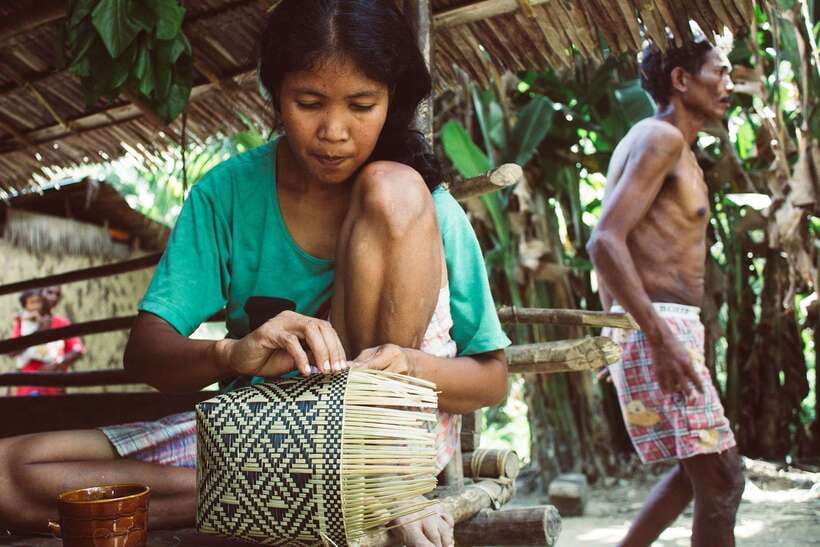
- Private, guide-led visit focused on Batak culture and daily life
- 75–120 minutes of hiking on mountainous terrain, often including river crossings
- Barangay Conception visitor center stop with locally made products you can buy
- Token gift included (coffee, rice, sugar, plus other basic needs)
- Lunch is optional and food is not included as part of the base price
From Puerto Princesa to the Batak Visitor Center in Barangay Conception
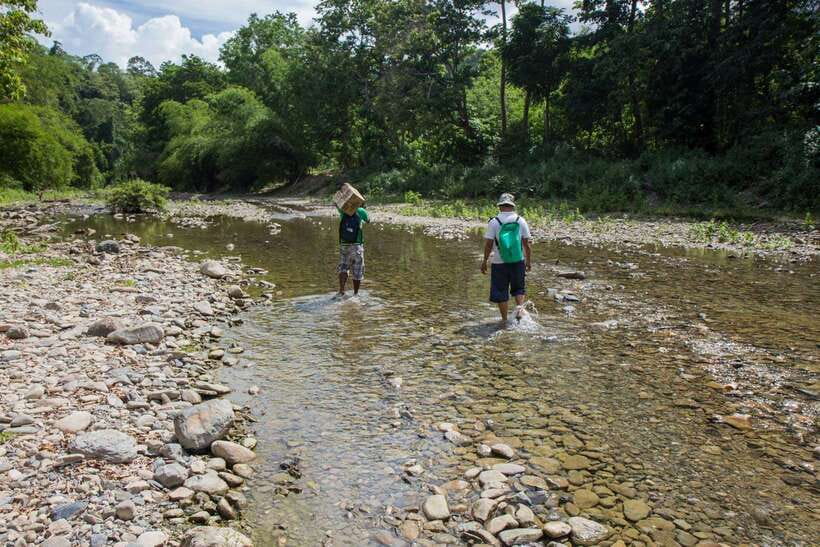
Your day starts with pickup from your place in Puerto Princesa. The service covers hotels within 15 kilometers of Puerto Princesa City Airport, and then you’ll head out roughly 70 kilometers to a local starting point in Barangay Conception.
This drive matters more than it sounds. Puerto Princesa is famously tied to beaches and tours to the Underground River, so this route gives you a different slice of Palawan—one that’s about inland communities and indigenous culture. You’ll also have time to settle in before the trek starts, which helps if you don’t love being rushed on vacation.
Once you arrive, you get to the Batak Visitor Center. This is where you’ll find locally made products connected to the tribe, so you can pick up gifts or souvenirs that feel tied to the visit instead of mass-market shopping. I like that the center is a clear “official” handoff point: you’re not guessing where to go, and you’re not scattered around.
One thing to consider: because you’re traveling to a rural area and then hiking, this tour isn’t built around wandering slowly or taking lots of extra detours. It’s a straightforward, guided flow—good for people who like a plan, less ideal if you want free time to roam.
You can also read our reviews of more tours and experiences in Puerto Princesa.
The Trek: Mountain Trails, River Crossings, and the Pace Reality Check
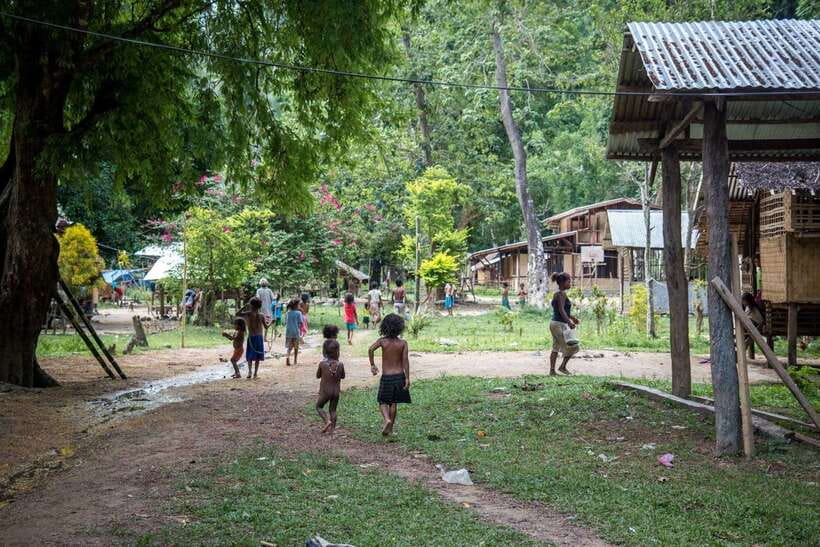
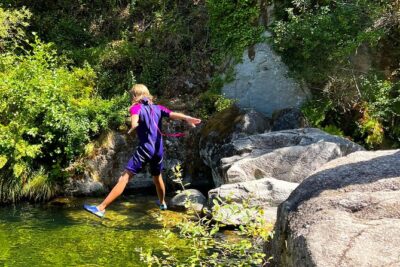
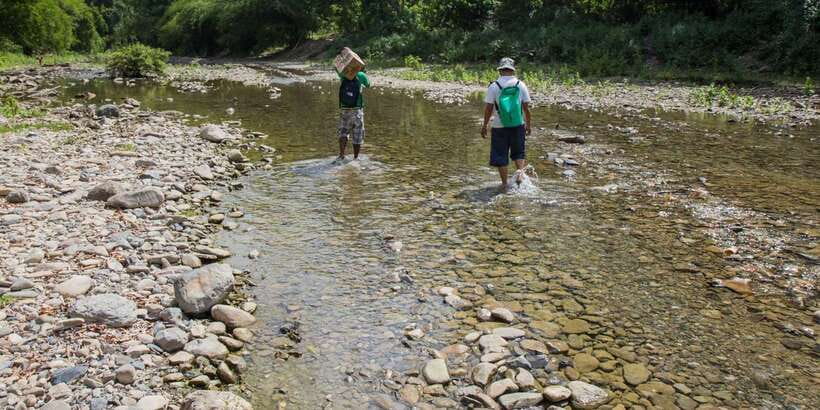
The hike is the heart of the experience. After the visitor center stop, you’ll trek across mountainous terrain and cross several rivers to reach the village.
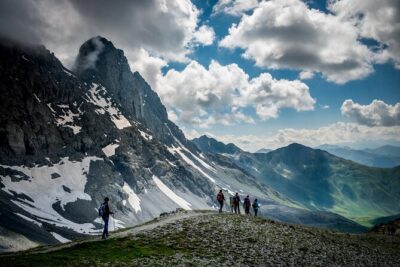
The hiking time is typically 75 to 120 minutes, and it depends on your group’s pace. That wide range is your clue that conditions and walking speed can affect how you feel afterward. Plan on wearing comfortable clothes and being ready for uneven ground. Also, keep in mind that the trek is described as happening in full sun with limited shade—so sun protection is not optional if you burn easily.
Here’s what that means for your comfort:
- Wear comfortable clothes that can handle heat and contact with outdoor surfaces.
- Bring a plan for sun (hat, sunscreen, and light clothing you don’t mind getting dusty).
- Expect that river crossings and rocky paths can slow you down, especially if you’re not used to hiking.
This is also the moment where the tour’s “private group” style can help. If you have a smaller group with a steadier pace, the trek often feels more manageable. If your group includes very different fitness levels, the pace can stretch and the slower hikers can feel rushed. The guide will manage it, but your body will feel it too.
Most importantly: this is not recommended for people with limited mobility, pregnant women, wheelchair users, or anyone with serious medical conditions. Even if you consider yourself generally healthy, the combination of sun, uneven ground, and water crossings is still a challenge.
Arriving at the Batak Village: Token Gift, Greetings, and What You’ll Actually Do
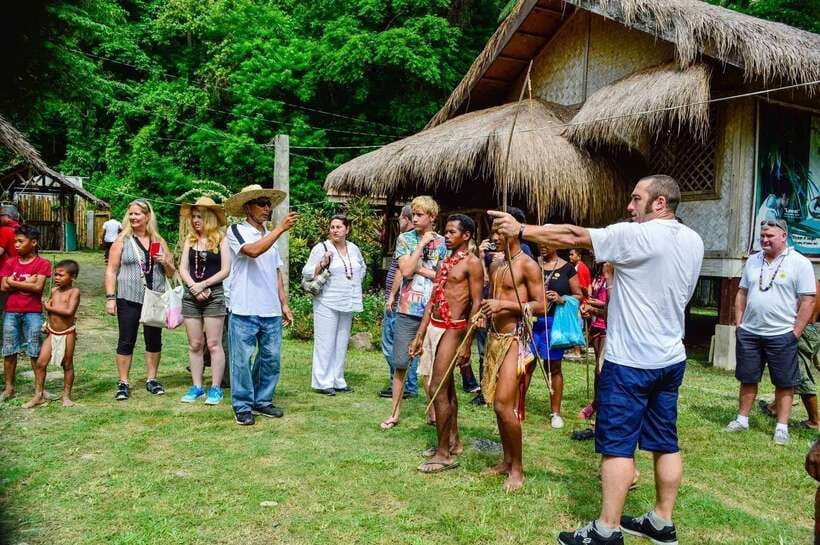
Once you reach the village, the tour shifts from movement to connection. You’ll present a token gift to the Batak community. The token includes items like coffee, rice, sugar, and other basic needs.
That detail matters. It’s not just a photo stop with a goodbye. The gift is framed as a practical support element, and it’s one of the clearest moments where your visit connects to real life rather than just tourism.
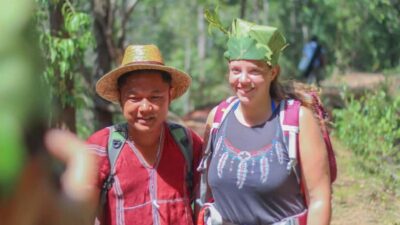
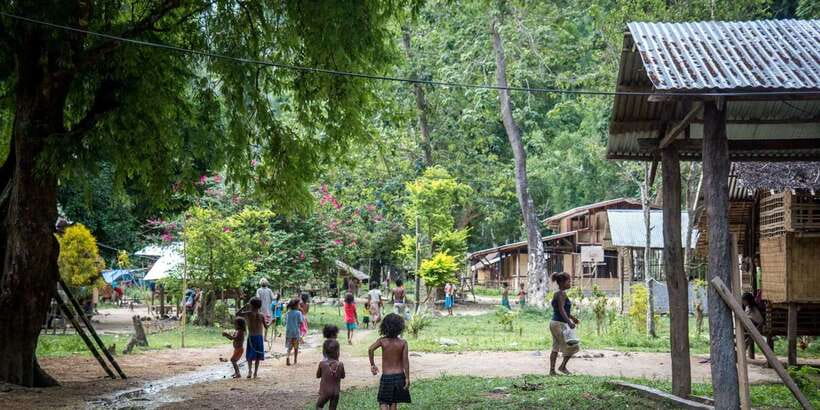
After the token, you’ll say hello and spend time seeing how people handle daily routines. Your guide will share information about Batak history and customs, and you’ll get a sense of how the village life works day to day.
Based on what people tend to value most on this trip, this is usually where the experience becomes memorable:
- You get time to sit and observe instead of rushing through.
- The guide provides context so you understand what you’re seeing.
- The atmosphere is more human-scale than theatrical.
A balanced warning to keep you grounded: some visitors hope to see more visible rituals, special outfits, or specific activities. It’s possible that those elements may be limited depending on the day and schedules. Some communities also have school-age routines, so you might not see every group member at the same time. If your goal is cultural learning rather than staged entertainment, you’re much more likely to leave satisfied.
The Guide Makes It Real: Rich and Wilson as the Difference You Can Feel
This trip runs with a licensed tour guide, and the tour language options are English and Tagalog. When the guide is genuinely invested, the entire visit improves—because you’re not just walking and photographing, you’re interpreting.
Some people highlight guides such as Rich and Wilson for being enthusiastic and caring, and that kind of energy shows up in how the information lands. Good guiding here means:
- Explaining customs in plain terms
- Helping you understand what’s happening during greetings and daily routines
- Keeping the group moving safely on trails and around river crossings
I recommend choosing this tour based on guide strength if that’s your priority. Culture visits are fragile: if the guide is flat or too rushed, you lose the “why” behind everything. When the guide is warm and clear, you feel like you’re being taught, not merely taken along.
Also note: your experience is “private group,” so the guide can often adjust pacing and questions to the group size. That helps if you like asking follow-ups rather than collecting quick answers.
Shopping at the Visitor Center: Practical Souvenirs With a Purpose
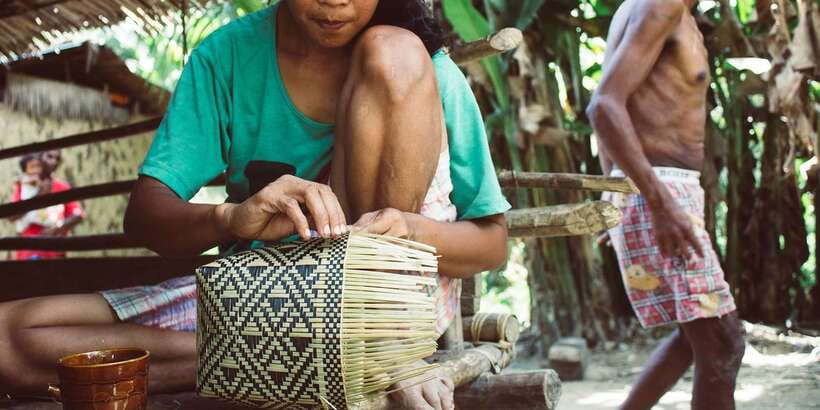
At the Batak Visitor Center, you can buy local products made by the tribe. This is one of the few guaranteed chances during the day where you can slow down, browse, and choose what to bring home.
I like this setup because it’s not tacked on randomly. You’re already in the right place, with the right people around. If you want your souvenir to feel connected to the visit, this is where you can do it.
If you’re sensitive to the idea of tourism exchanges, keep it simple: browse, buy only what feels fair to you, and treat the village gift token as part of the visit itself (since it’s already included).
Price and Value: Is $216 Per Group Worth It?
The price is $216 per group up to 4 for a total duration of about 5 hours. Food isn’t included.
To judge whether this is worth it for you, look at what you get beyond the hike:
- Hotel pickup and drop-off within 15 kilometers of Puerto Princesa City Airport
- Air-conditioned van transport
- Entry fees and permit processing
- Licensed tour guide
- Token gift to the tribe
- Bottled water
That’s a lot of admin and logistics handled for you. For a culture trek that includes permits and a protected access setup, the price can make sense—especially if you’re traveling as a small group and split costs.
Where the value conversation gets tricky is expectations. If you’re paying for a “high drama” cultural show, this might disappoint. If you’re paying for a walking route to a real village visit with time to meet people and hear customs explained, it can feel more aligned with what you actually get.
One more reality note: lunch is available as an option, but base food is not included. Some people report lunch being served at a nearby restaurant rather than as part of a village meal. So if your ideal day includes local village food, you might want to confirm what the lunch option looks like on your specific date.
What to Pack and How to Prepare for the Sun + River Factors
You don’t need a long gear list, but you do need smart comfort.
What to bring:
- Comfortable clothes
- Clothes you don’t mind getting dirty
- Sun protection, because the trek can be exposed
- Simple footwear you trust on uneven ground
What not to bring:
- Luggage or large bags (this is a common “keep it light” rule for treks)
If you’re thinking about booking, also self-check your physical limits. This is not a gentle stroll. With river crossings and a couple hours of hiking time, you’ll want to be comfortable handling heat and changing footing.
Should You Book This Batak Tribe Village Trek?
Book it if:
- You want a real Palawan day outside the usual beach circuits
- You like culture experiences that are based on meeting people and learning routine
- You’ll appreciate a guide-led explanation more than a staged performance
- You can handle hiking in the sun and don’t mind uneven ground
Skip or rethink it if:
- You’re looking for guaranteed ceremonial shows, specific activities like archery, or lots of special costumes
- You’re not comfortable with sun exposure, river crossings, or physical exertion
- You have mobility limits, are pregnant, use a wheelchair, or have serious medical conditions
FAQ
Is the tour private?
Yes. It’s a private group experience.
How long does the trek take?
The hiking portion to reach the village is typically 75 to 120 minutes, depending on the group’s pace.
Where do you meet for the Batak visit?
You start with pickup from your hotel (within the specified area), then travel to the Batak Visitor Center in Barangay Conception before trekking to the village.
What is included in the price?
The price includes hotel pickup and drop-off within 15 kilometers of Puerto Princesa City Airport, a licensed tour guide, entry fees, processing of tour permits, the token to the tribe, air-conditioned van transport, and bottled water.
Is lunch included?
Food is not included. Lunch is available as an option.
What is the token gift to the tribe?
The token gift includes items such as coffee, rice, sugar, and other basic needs.
What language is the guide?
The live tour guide provides English and Tagalog.
Do I need to pay entry fees separately?
No. Entry fees are included.
What should I wear?
Bring comfortable clothes suitable for hiking.
Who should avoid this tour?
It’s not recommended for limited mobility, pregnant women, wheelchair users, or anyone with serious medical conditions.