REVIEW · KATHMANDU
Ghorepani Poon Hill Trek 6-Days
Book on Viator →Operated by NEPAL LION TOURS AND TREKS PVT LTD · Bookable on Viator
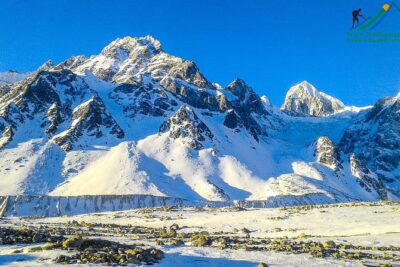
Sunrise from Poon Hill is pure magic. This 6-day trip from Kathmandu blends Pokhara time on Phewa Lake with trekking in the Annapurna Conservation Area to Poon Hill at 3,210 m. The payoff is a sweeping sunrise panorama across major Himalaya giants, from Mt. Dhaulagiri and Mt. Annapurna to Mt. Ganesh and more.
I also like that the route is designed to feel manageable. Most of the walking happens at lower elevations, so you get the mountain trekking experience without needing marathon stamina. One thing to keep in mind: you’ll start early (the activity begins at 6:15 am from Thamel), and mountain weather can shift how crisp the views feel.
In This Review
- Key highlights at a glance
- Why Ghorepani and Poon Hill work so well in just 6 days
- Pokhara time: Phewa Lake and Mt. Fishtail as your warm-up
- Kathmandu to the start of trekking: pickup, mobile ticket, and a 6:15 am launch
- Trekking in the Annapurna Conservation Area without the wall-to-wall grind
- Poon Hill sunrise at 3,210 m: Dhaulagiri, Annapurna, Ganesh, and the rest
- How the guided experience makes the trek feel safer and smoother
- Price and value: what you pay for and what you’ll need to budget
- What to pack and how to prepare for an early sunrise hike
- Who should book this 6-day Poon Hill trek?
- Should you book the Ghorepani Poon Hill Trek (6 days)?
- FAQ
- What is the meeting point and start time?
- Where does the trek end?
- How long is the Ghorepani Poon Hill Trek?
- How high do you go on this trek?
- Are meals included?
- What’s included in the price?
- What is not included?
- Do I need to cancel far in advance for a refund?
- FAQ
- Can you cancel for free?
- Is there a group size limit?
- Is moderate fitness required?
- Is pickup offered?
Key highlights at a glance
- Poon Hill sunrise at 3,210 m with wide-ranging Himalayan views
- Lower-elevation trekking that keeps the effort more moderate
- Professional English guide plus a small-group cap of 15
- Pokhara warm-up with Mt. Fishtail views and time around Phewa Lake
- Well-organized support, including help with getting your gear ready
Why Ghorepani and Poon Hill work so well in just 6 days
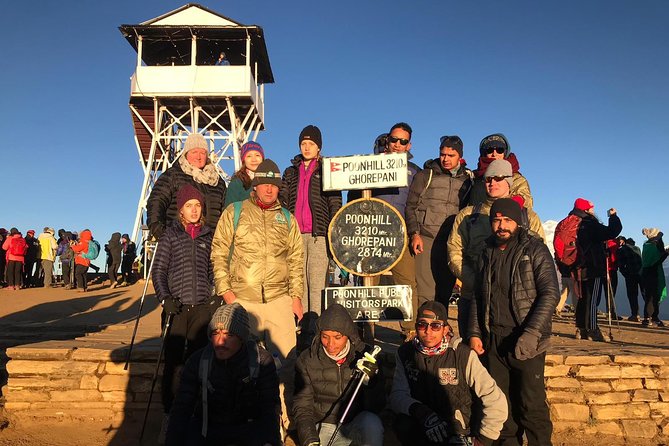
If you want big Himalayan views but don’t want a punishing schedule, this is one of the smartest ways to do it in the Annapurna region. The whole point of Ghorepani Poon Hill is straightforward: walk in a scenic part of the Annapurna Conservation Area, then get up to Poon Hill for panoramic sunrise.
What makes it especially appealing is the balance. You still get the classic trek feeling—fresh air, changing views, and that sense of moving through real mountain terrain. At the same time, the trekking is designed around lower elevations for most of the route, which helps make the experience more realistic for people with only moderate fitness.
And because it’s framed as a cultural and ethnic journey, you’re not only watching mountains. You’re also passing through communities and daily life connected to the trail. That means the walk has rhythm beyond just “how far today.”
The practical takeaway: this tour fits best if you want the highlights—especially the sunrise—without turning the trip into an endurance contest.
You can also read our reviews of more tours and experiences in Kathmandu.



Pokhara time: Phewa Lake and Mt. Fishtail as your warm-up
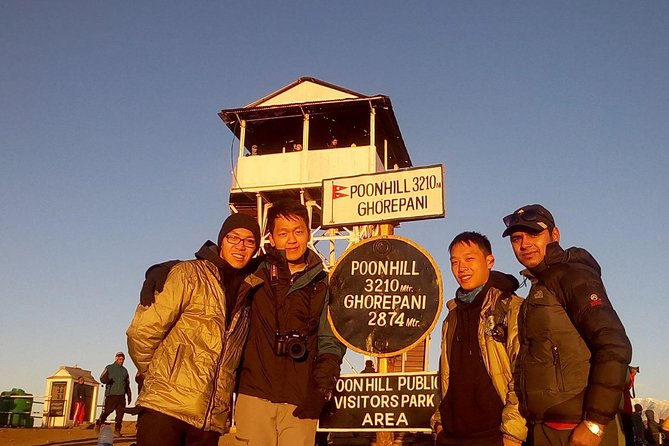
Before you start hiking, you get a visit to Pokhara, and that matters more than people think. Pokhara is one of those places that helps your body and mind transition into trekking mode. You’re not jumping straight from Kathmandu traffic to mountain cold.
The views are a big part of the experience. The program specifically notes stunning views of Mt. Fishtail along with Phewa Lake. Even if the weather isn’t perfect every single day, Pokhara’s setting gives you a visual “baseline” for what you’ll chase later on the trail—layered ridgelines, changing light, and the feeling of living close to the mountains rather than just visiting them.
You also get a simpler day where you can get oriented: manage your layers, check your pack, and pace yourself for that early start. When you’re heading into sunrise trekking, having a calmer setup day is a real advantage.
In short: Pokhara isn’t just a stop. It’s your buffer.
Kathmandu to the start of trekking: pickup, mobile ticket, and a 6:15 am launch
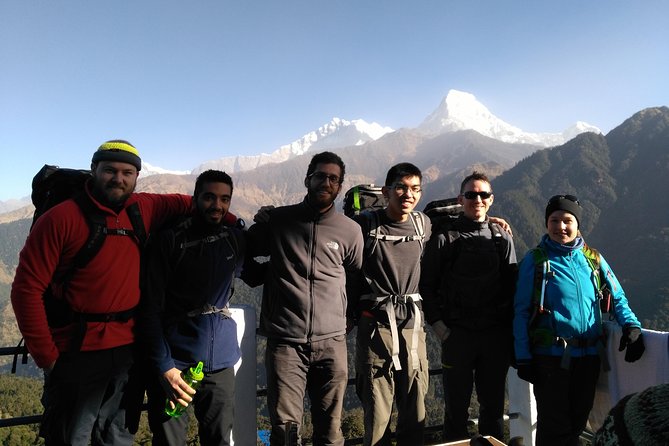
The tour meets in Thamel, Kathmandu (44600, Nepal) and begins at 6:15 am. That early start is normal for mountain sunrise plans, but it’s good you know it up front so you can sleep accordingly.
Logistically, you get hotel pickup and drop-off, so you’re not stuck figuring out transport before the trek begins. You also receive a mobile ticket, which reduces the hassle of having to coordinate paperwork day-of.
A small-group limit of 15 travelers is another detail I’d pay attention to. Smaller groups usually mean smoother pacing and easier communication with your guide—especially when you’re trying to time photo stops and manage the early morning climb.
My advice: plan the night before like you’re going to an airport at dawn. Keep your essentials accessible, avoid late dinners, and don’t overpack your bag with things you won’t use on the trail.
Trekking in the Annapurna Conservation Area without the wall-to-wall grind
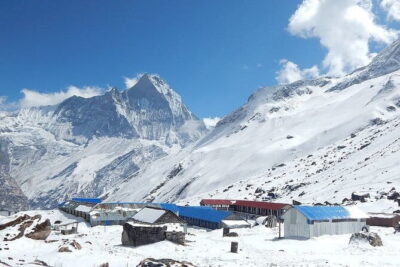
This trek runs through the Annapurna Conservation Area, which is part of why the experience feels grounded. You’re in a protected region where the trail is tied to local life and seasonal mountain rhythms.
The big selling point for a 6-day version: most walking happens at lower elevations, so the challenge is more about steady effort than brutal altitude. That matters if you’re hoping to enjoy the journey, not just survive it.
What you can realistically expect is a mix of uphill and downhill days with breaks that give you time to look up and breathe. You’ll also have cultural and ethnic touring woven into the trek—meaning you’re not only moving through scenery, you’re learning the context around it.
The only caution I’d add: even when the elevations are lower, you still need consistent hiking stamina. “Moderate” fitness is your target, not couch-to-summit. If you’re unsure, focus on building walking endurance at home—short hikes that get longer over time are the best prep.
Poon Hill sunrise at 3,210 m: Dhaulagiri, Annapurna, Ganesh, and the rest
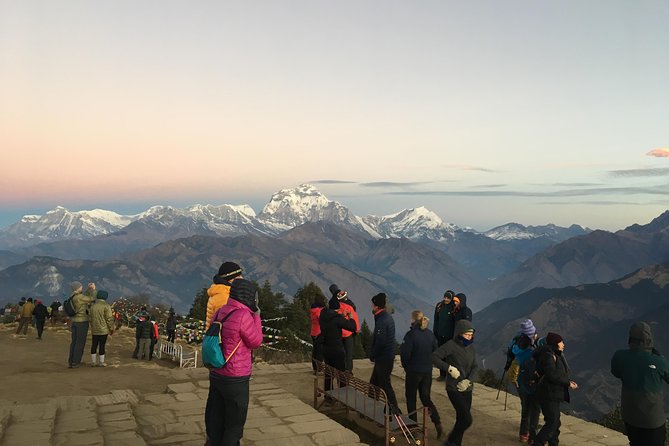
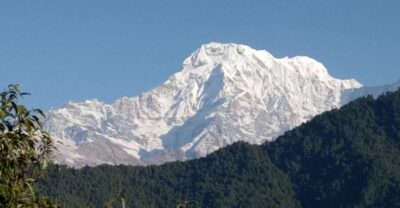
Let’s talk about the reason you came: Poon Hill (3,210 m) at sunrise. The program’s promise is clear—an astonishing panorama view with Mt. Dhaulagiri, Mt. Annapurna, and Mt. Ganesh plus additional Himalayan ranges such as Lamjung Himal and Manaslu.
This is one of those viewing moments where timing and weather matter. If visibility is good, the mountains can look sharp and close. If clouds hang around, you’ll still see the play of light, but you may not get the same crispness. Either way, sunrise from a viewpoint like this is usually more memorable than midday photos because the light is gentler and the valleys look alive.
Here’s what I like about the way this tour is structured: it’s not only about reaching the top of the hike. It’s about reaching the viewpoint when the mountains put on their best show. You’re also not dealing with an entire multi-day summit push. You’re doing one targeted climb for a giant reward.
If you want to maximize your chance of a great view, keep your expectations flexible and dress for early cold. Sunrise trekking is often chilly even when the lower parts of the trip feel warmer.




How the guided experience makes the trek feel safer and smoother
A trekking guide can make a huge difference on a short trip. You don’t have days to “figure it out” on your own. This tour includes a professional English guide, and the small-group size helps your guide manage the route and your pace.
One of the most praised parts of this experience is how organized it feels. The operator is known for making sure you have the right equipment before you start, which is the kind of practical detail that prevents last-minute stress. I also like that the guidance is described as friendly and knowledgeable, with guides such as Binod Adhikari, Rajendra Lamichane, and Bijay Adhikari highlighted for supporting people through the terrain and helping everyone get back safely.
There’s also a strong “you’re not on rails” vibe. In one of the best accounts of the trip, the guide adjusted the itinerary based on personal preferences. For a 6-day trek, that flexibility can be meaningful—especially if you want a pace that feels right rather than forcing the group’s rhythm onto your body.
My practical suggestion: if you have limits (knees, steepness comfort, pace), say it early to your guide. Short treks work best when communication happens in the first hours, not on the last hill.
Price and value: what you pay for and what you’ll need to budget
The listed price is $468.59 per person. For a 6-day Kathmandu-to-trek setup, that number includes a lot of the stuff that usually costs money and time.
What’s included:
- 5 nights accommodation
- Meals as per itinerary (breakfast, lunch, dinner)
- All taxes, fees, and handling charges
- Professional English guide
- Hotel pickup and drop-off
What’s not included:
- International airfare and visa charges
- Travel and medical insurance
- Extra hotel expenses in Kathmandu or Pokhara after the package ends
- Personal expenses (shopping, bar bills, hot shower, phone, laundry, snacks, and so on)
- Emergency expenses (like a chartered helicopter)
- Tips for guides and porters
Here’s the value angle I’d think about: you’re paying for structure. Meals, lodging, and a guide reduce the daily decision fatigue. You’re not managing logistics while also hiking. For many people, that’s the real cost-saver.
If you’re trying to keep the trip budget under control, the biggest variable usually comes from personal expenses and tips, not from the fixed package price. Keep that in mind when you plan spending in Kathmandu and Pokhara.
What to pack and how to prepare for an early sunrise hike
The tour is aimed at moderate physical fitness, but sunrise treks still demand good basic gear and a smart layering system. Since the program emphasizes organized support and even equipment checks, you’ll likely get help making sure your essentials are in place—but you should still show up ready.
Plan around these realities:
- You’ll be starting early at 6:15 am, so sleep and warm layers matter.
- Sunrise hiking often means cold mornings even if afternoons are milder.
- You’ll want sturdy footwear and a pack you can move with comfortably for multiple days.
- Bring the kind of layers you can add or remove quickly as temperatures shift.
Also, pay attention to the administrative prep: at booking time, you need the passport name, number, expiry, and country for all participants. That’s not glamorous, but it prevents delays later.
One more small pro tip: pack a few comfort items for the viewpoints and breaks. On a Poon Hill sunrise morning, small conveniences can turn waiting time into enjoyment.
Who should book this 6-day Poon Hill trek?
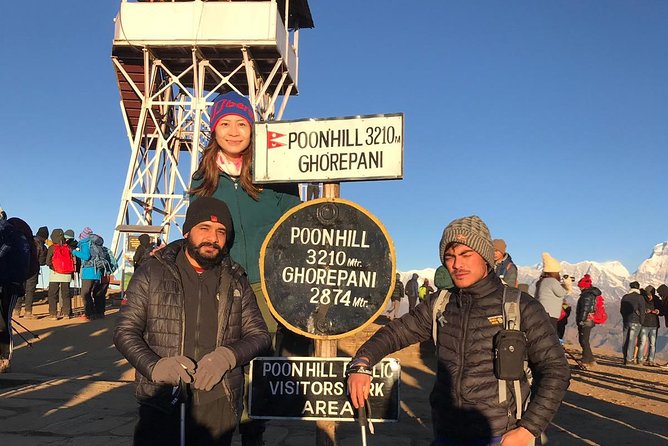
This trek is best for you if:
- You want the Himalayan highlight moment at Poon Hill without committing to a longer, harder itinerary
- You prefer trekking that is mostly lower elevation
- You enjoy cultural and ethnic touring alongside mountain scenery
- You’re comfortable with early mornings and steady walking for several days
It may not be your best fit if you’re chasing a big multi-day, high-altitude training challenge. The focus here is on manageable trekking plus one of the region’s most famous sunrise panoramas.
Given the maximum group size of 15, it also suits people who like a social trip but still want a guide who can stay attentive.
If you’d like even more time for extra add-ons, longer versions exist (including ones that pair Poon Hill with additional sights like hot springs). But for many first-timers, this 6-day pacing hits the sweet spot.
Should you book the Ghorepani Poon Hill Trek (6 days)?
I’d say book it if you’re aiming for one clear outcome: a well-run trek that gets you to Poon Hill sunrise with the right support, in a timeframe that feels doable. The combination of Pokhara views, lower-elevation trekking, and an included guide makes this a strong value option for people who want mountain payoff without a punishing schedule.
Skip it only if you need a fully leisurely pace, hate early starts, or you’re looking for a high-altitude expedition feel. For everyone else, this is a practical way to experience the Annapurna region’s big moments.
FAQ
What is the meeting point and start time?
The tour starts in Thamel, Kathmandu (44600, Nepal) at 6:15 am.
Where does the trek end?
The activity ends back at the meeting point in Thamel, Kathmandu.
How long is the Ghorepani Poon Hill Trek?
It’s listed as 6 days (approx.).
How high do you go on this trek?
The trek reaches Poon Hill at 3,210 m.
Are meals included?
Yes. Meals are included as per the itinerary, with breakfast, lunch, and dinner.
What’s included in the price?
The package includes 5 nights accommodation, meals, professional English guide, and hotel pickup and drop-off, plus all taxes, fees, and handling charges.
What is not included?
International airfare and visa charges, travel and medical insurance, extra hotel expenses after the package ends, personal expenses, emergency expenses (such as charter helicopter), and tips for guides and porters.
Do I need to cancel far in advance for a refund?
Yes. You can cancel up to 24 hours in advance for a full refund, and cancellations within 24 hours do not receive a refund.
FAQ
Can you cancel for free?
You can cancel up to 24 hours in advance of the experience start time for a full refund.
Is there a group size limit?
Yes. The maximum is 15 travelers.
Is moderate fitness required?
Yes. The tour is best suited for moderate physical fitness level.
Is pickup offered?
Yes. Hotel pickup and drop-off are included.