REVIEW · HANOI
3 Day 2 Night Trek
Book on Viator →Operated by Sapa Tribal Trekking · Bookable on Viator
The rice fields start talking on day one. This 3-day, 2-night trek in Sapa is built around small-group village routes, with an English-speaking local guide such as Giang and real homestay nights instead of a hotel shuffle. You’ll walk past H’Mong, Dzao, Tay, Zay, and Xa Pho communities, with time to understand daily life, not just pose for photos.
Two things I really like: the trails are chosen to avoid the most crowded paths, so you spend more time with people and less time behind other tour groups; and the nights are designed to feel like you’re staying with a family, including dinner by an open fire and chatting over local food. One consideration: this is moderate trekking, including a first day trek that’s about 12 km (around 3.5 hours), so comfortable shoes and a steady pace matter.
In This Review
- Key moments worth planning for
- Why this Sapa trek feels different than the usual day tour
- Getting oriented in Sapa: your start at 9:00 am
- Day 1: From colorful ethnic markets to Lao Chai and Ta Van sunset
- Day 2: Bamboo forest views, Su Pan lunch, and Ban Ho homestay night
- Day 3: Sunrise breakfast, Nam Toong villages, and back to Sapa
- Homestays, meals, and the open-fire evening you’ll remember
- Price and value: what $180 buys you here
- Trekking level, timing, and gear reality check
- Who this trek suits best (and who might want a different plan)
- Should you book this tour?
- FAQ
- How long is the trek?
- Where does the experience start, and what time?
- Is pickup offered?
- Are there English-speaking guides?
- What meals are included?
- What kind of accommodation do you stay in?
- What fitness level do I need?
- What happens if weather is bad?
Key moments worth planning for
- Giang and family help shape the route and timing to match your pace and preferences
- Homestay life with wifi and hot showers in many stays, plus sunset time and a warm evening around a fire
- Village-to-village walking through places like Y Linh Ho, Lao Chai, Ta Van, Ban Ho, and Nam Toong
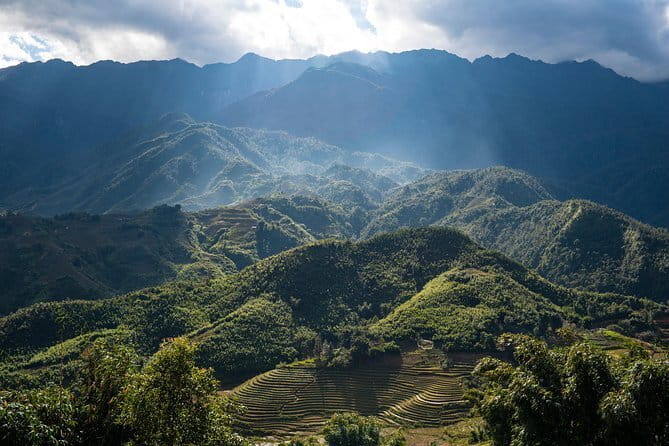
- Rice terraces plus bamboo forest breaks with panoramic views along the way
- Fewer tourists on parts of the route, so you actually get quiet moments in the valleys
- Private-group feel so your group stays together the whole time
Why this Sapa trek feels different than the usual day tour
Most Sapa routes turn into a quick loop: bus, photo stop, back on the road. Here, the pace is slower on purpose. You’re not just passing through villages. You’re walking between them and spending the evening with hosts, so your trip has a rhythm: morning starts, careful trekking, shared meals, then conversation that goes beyond the basics.
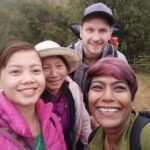
The guide team also matters. The experience is led by one or more expert English-speaking native local guides, and the name that comes up again and again is Giang. In practice, that means you’re more likely to understand what you’re seeing: which group lives where, how the terrain shapes daily work, and why certain villages end up famous for specific crafts or practices. You may also spend time with family guides such as Giang’s niece Zo and others, which adds a real “everyone’s pitching in” feeling rather than a single person doing everything.
You also get something that’s easy to overlook until you’re there: choice of route. The trip is designed to avoid other tourist routes, and you can feel that in the moments where the valley quiets down and your view stretches out across the terraces without constant foot traffic.
You can also read our reviews of more tours and experiences in Hanoi.
Getting oriented in Sapa: your start at 9:00 am
The tour starts at the meeting point in Sapa: 690 Đường Điện Biên Phủ, TT. Sa Pa, Sa Pa, Lào Cai, Vietnam, with a 9:00 am start time. It ends back at the same meeting point, so you’re not left guessing where you’ll finish after the last meal and walk.
Pickup is offered, which is handy because Sapa can feel like a maze if you’re arriving from outside town. The operator also uses a mobile ticket, so you’re not scrambling for paper copies right before you meet your guide. Confirmation comes at booking, so you have one less uncertainty layer.
One practical tip: if you’re heading to Sapa from Hanoi, ask your guide for the best way to time your travel. Giang is specifically known for offering helpful suggestions for getting to Sapa from Hanoi, and she’s been able to arrange a taxi pickup from the bus office and help with luggage storage in some cases. That kind of support can turn a stressful travel day into a smooth one.
Day 1: From colorful ethnic markets to Lao Chai and Ta Van sunset
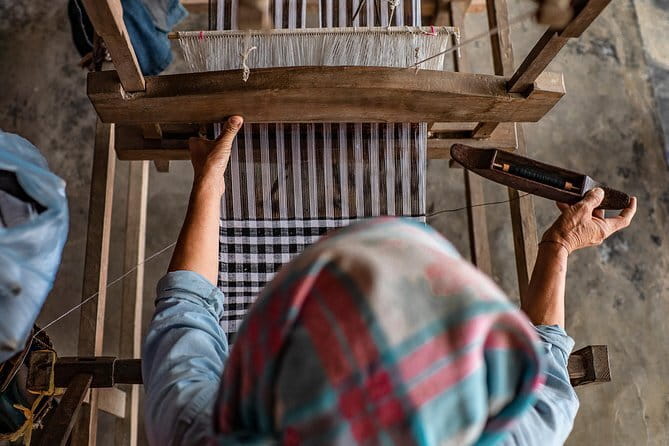
Day 1 is where the trip sets its tone: culture first, then trekking, then a homestay evening where you can actually exhale.
You begin by experiencing the traditional costumes of several ethnic groups, including H’Mong, Dzao, Tay, Zay, and Xa Pho. This isn’t just a quick glance. It’s meant to help you notice details—fabric patterns, colors, and how people present themselves. Then you’ll have lunch either at a restaurant or with a local family, which is a nice early taste of how flexible the day can be.
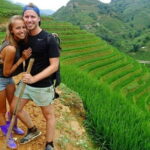
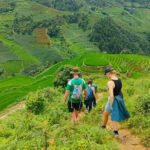
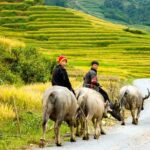
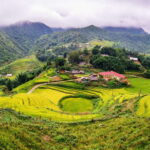
From there, the walking starts around Y Linh Ho. You’ll trek through the rice terraces and along Muong Hoa Stream, moving toward the Black Hmong village of Lao Chai. This stretch is built around views of Hoang Lien Son Mountain and the feel of moving through working farmland, not just scenic viewpoints. You’ll also approach Ta Van village (where Dzay ethnic people live) in the late afternoon, which often makes the colors of the terraces and village edges look their best for the day’s light.
Trekking distance on this first day is about 12 km and roughly 3.5 hours. That’s a good benchmark for planning your pace. If you like steady walking with breaks, you’ll likely feel comfortable. If you expect flat, slow strolls, you might feel the terrain more than you planned.
After the walk, you check in at your homestay or local house, get to know the family, and spend time around sunset. Meals can be shared with the host family or eaten in a quieter rhythm depending on the stay. Then you overnight close to the people and the mountains—no “back to town” scramble.
Day 2: Bamboo forest views, Su Pan lunch, and Ban Ho homestay night
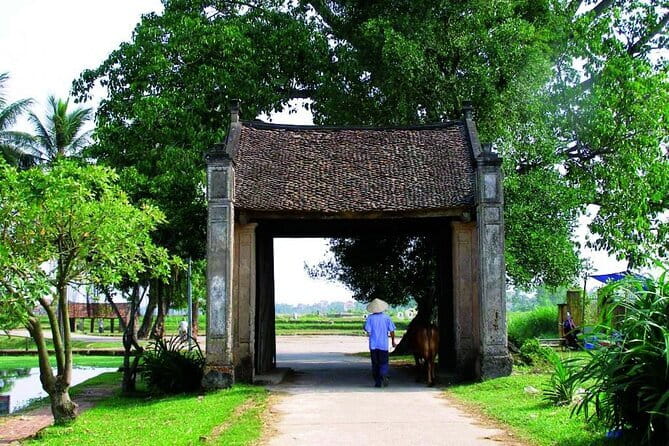
Day 2 starts with breakfast prepared by your host family or the local house. This matters because it reinforces the point of the trip: your day isn’t separated into tourist hours and living hours. It’s one continuous mountain experience.
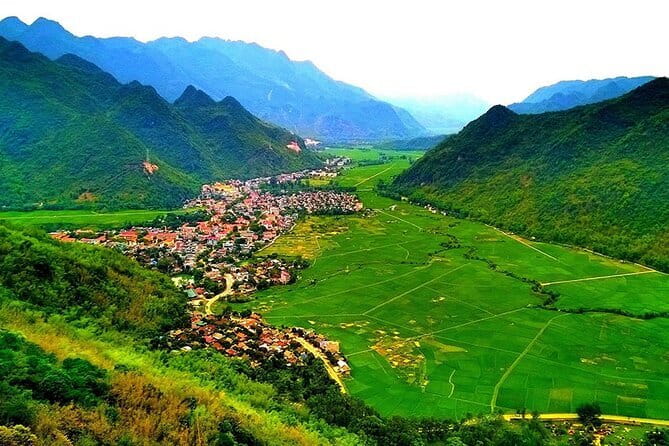
Then you’re back out on the trail, walking through rice fields and into a bamboo forest. Bamboo forests can feel surprisingly cool and shaded, and they’re a nice mental reset mid-trek. You’ll stop for panoramic views across the Ta Van – Giang Ta Chai area, including a broader look at how the villages and terraces fit together along the valley.
Lunch is at Su Pan, at a home of H’Mong or Dzao ethnic people. This is a meaningful shift from the earlier day, because it gives you a second reference point for how different families shape daily life. Even when menus are simple, it’s the context that helps: who prepares it, how it’s served, and what the host family pays attention to while you’re there.
After lunch, you trek through rice terraces and along the valley again—this time with scenery that’s described as peaceful and with a lower chance of running into other tourists. You approach Ban Ho village in the afternoon, check in at your homestay with a Tay People family, and settle into the evening.
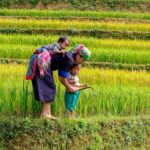
The evening options sound simple, but they’re where the trip becomes memorable. You can attend farming or cooking with your local family, or you can keep it calmer with dinner and time to talk. Either way, you’re not just in a bed for the night. You’re in a home.
Day 3: Sunrise breakfast, Nam Toong villages, and back to Sapa
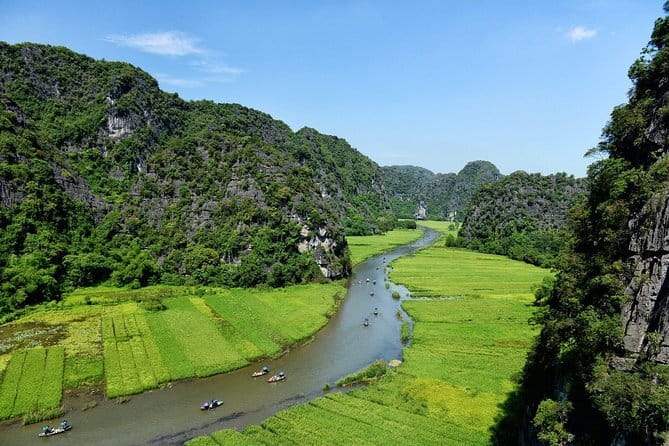
Day 3 is the “soft landing” day. You watch sunrise and have breakfast prepared by the family, so your final morning doesn’t feel rushed. It’s a good moment to notice how the mountains change through the day’s first light, and how village life starts before most tour groups are awake.
After that, you trek through Nam Toong village, home to Tay and red Dzao people. This is a final window into how community life continues across the valley, rather than turning everything into a single highlight reel. Lunch is either at a restaurant or at a local house, and after that you return to Sapa.
Because the tour ends back at your original meeting point in Sapa, your day is easier to plan than treks that finish far outside town. It also means you can keep the rest of your trip flexible—one of the quiet joys of choosing an experience that doesn’t strand you.

Homestays, meals, and the open-fire evening you’ll remember
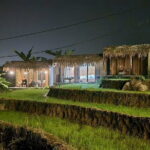
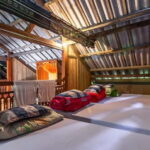
The homestay model here is the heart of the experience. You’ll either stay in a homestay with wifi and hot showers or in an authentic local house with a local family. Not every room will feel like a hotel, and that’s the point. The comfort level tends to be more practical than fancy—clean, warm where possible, and real.
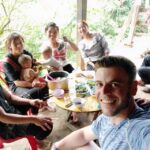
Evenings are built around connection. You’ll huddle around an open fire with rice wine and local delights, then spend time chatting with your host family. This is one of the most praised aspects of the trip because it turns the trek into a full visit to a place, not just a walk through it. If you like conversations—about work, family life, village stories, and what you can learn from daily routines—this format will suit you.
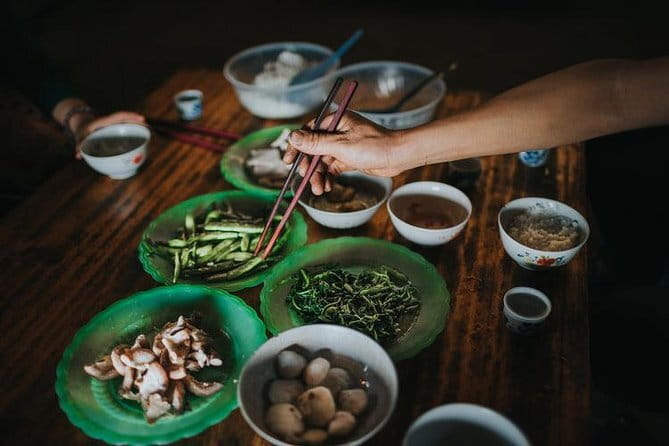
Food is included throughout: breakfast (2), lunch (3), dinner (2). That reduces your day-to-day decision fatigue. More importantly, it keeps you close to what the family is already doing, rather than sending you off to hunt for food after you’ve walked for hours.
Price and value: what $180 buys you here

At $180 per person for a 3-day, 2-night trek, the big question is value: are you paying for scenery, or for time with people?
The best answer here is that you’re paying for the whole package of guided route choice plus community-based lodging and meals. That includes:
- English-speaking local guidance during long walking hours
- Transportation support options like pickup (when arranged)
- Multiple meals with host families or local settings
- Two nights in homestays or local houses
- A route designed to avoid the busiest tourist trails
If you compare this kind of trip to piecemeal bookings—separate guide, separate lodging, separate village experiences—$180 often looks more reasonable. Also, the booking pattern matters: the average booking window is about 65 days in advance, so planning early can help you lock in dates and avoid last-minute price jumps elsewhere.
The other value piece is the social impact angle. The operator emphasizes supporting H’mong guides and local people with fair wages in a region where poverty rates are very high. That doesn’t automatically make every trip perfect, but it does align your money with the people who host you.
Trekking level, timing, and gear reality check

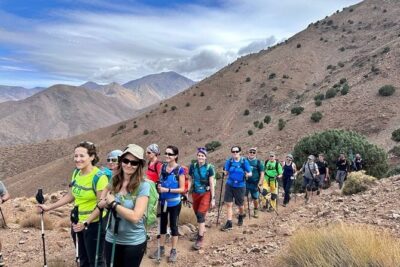
The trip calls for moderate physical fitness, and that’s accurate based on the first day trek being about 12 km for roughly 3.5 hours. The good news is that trekking in this area usually means natural breaks: pauses for views, village visits, and meal stops. You’re also traveling with a guide who can help set a pace that fits your group.
Still, plan for uneven paths and mountain weather swings. The operator also notes that the experience requires good weather. If conditions are poor, you’ll be offered a different date or a full refund, which is exactly what you want for safety and enjoyment.
What to bring isn’t listed in the details you provided, so I’ll keep it practical and general: sturdy hiking shoes, a light rain layer, and water. If you get cold easily, bring layers for the mornings, because sunrise trekking days in Sapa can feel chilly before you’re warmed up.
Who this trek suits best (and who might want a different plan)
You’ll likely love this experience if you:
- Want genuine village time, not just photo stops
- Enjoy meeting families and learning what daily life looks like
- Feel good walking 3 to 4 hours on mountain trails
- Prefer a guided route with an English-speaking local who can explain what you’re seeing
You might think twice if you:
- Want a fully comfortable, minimal-steps trip
- Have medical limitations without clearance from your clinician (the trip asks you to seek advice if you have conditions)
- Expect urban amenities every hour of the day (the homestay model is practical, and while wifi and hot showers are available in many stays, it’s still rural life)
Should you book this tour?
If your goal is a Sapa experience that feels human—walking between villages, staying in homes, sharing meals, and learning from guides like Giang—this is a strong booking. The combo of less-crowded routes, homestay evenings around fire and rice wine, and guided explanations during trekking is the kind of trip that doesn’t fade after a week.
Book it if you’re ready for moderate trekking and you want more than a checklist tour. Skip it if you need a relaxed, low-effort itinerary or if your timing can’t flex with mountain weather.
FAQ
How long is the trek?
It runs for 3 days (approximately) with 2 nights.
Where does the experience start, and what time?
It starts at 690 Đường Điện Biên Phủ, TT. Sa Pa, Sa Pa, Lào Cai, Vietnam, and the start time is 9:00 am.
Is pickup offered?
Yes, pickup is offered.
Are there English-speaking guides?
Yes. You’ll be accompanied by one (or more) expert English-speaking native local guides.
What meals are included?
Breakfast is included 2 times, lunch 3 times, and dinner 2 times.
What kind of accommodation do you stay in?
You’ll stay in homestays or in an authentic local house with a local family. The description notes wifi and hot showers are available with homestays.
What fitness level do I need?
The trek is described as suitable for travelers with moderate physical fitness. One day trek distance is about 12 km and lasts about 3.5 hours.
What happens if weather is bad?
The experience requires good weather. If it’s canceled due to poor weather, you’ll be offered a different date or a full refund.