REVIEW · LOMBOK
Rinjani trekking 2 days 1 night
Book on Viator →Operated by Rinjani Trek Adventure · Bookable on Viator
Rinjani hits hard in two days. This guided overnight trek from Senaru keeps groups small and lets you camp on the Senaru Crater Rim for a proper volcano sunset and sunrise. You’re not just walking through scenery; you’re working for it, step by step, with a guide handling the plan.
I really like that the heavy stuff is handled: you get professional porters, plus food, water, and camp gear (tent, sleeping bag, and a 4 cm mattress). It makes a big difference when you’re moving uphill and trying to enjoy the hike instead of worrying about logistics.
The main drawback is simple: this is tough walking. You start at 601 m, hike to around 2,000 m for lunch, then reach 2,641 m for the night, so you’ll want a solid base of moderate fitness before you go.
In This Review
- Key things I’d focus on before you go
- Senaru Crater Rim in 2 Days: the real appeal
- Day 1 from your hotel to Pos 1, Pos 2, and Pos 3
- Reaching 2,641 m: camping with sunset over Bali and the Gili Islands
- Day 2 sunrise, breakfast, and the return to Senaru
- Group size, guides, and porters: why organization matters here
- Food, water, and camp setup: comfort that keeps you moving
- Price and what you should double-check before paying
- What this trek feels like physically (and who it fits best)
- Planning your expectations for the views
- Should you book this 2 days 1 night Rinjani trek?
- FAQ
- What time does the trek start?
- How many people are in the group?
- What is included in the meals?
- Is camping equipment included?
- Do I need to pay an entrance fee?
- Is pickup and drop-off included?
- Do I need a head lamp or walking stick?
- What if weather is bad?
Key things I’d focus on before you go
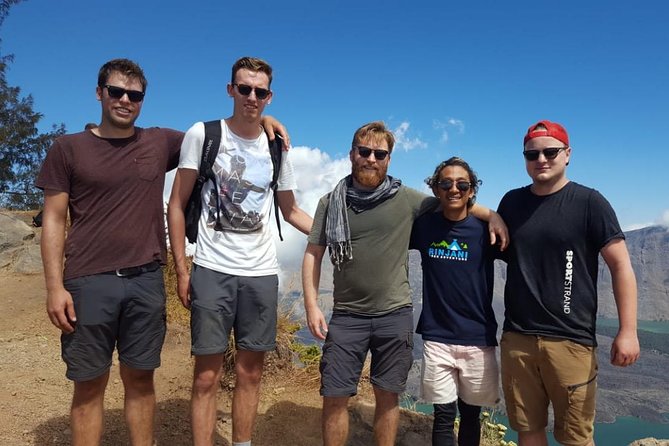
- A small group (max 6 people) means you get more attention and easier pacing on a steep trail.
- Pos 1–Pos 3 structure gives you real breaks, including a longer lunch stop as you climb.
- Crater-rim camping at 2,641 m sets you up for sunset views over Segara Anak, Bali, and the Gili Islands.
- Porters carry camp and food so your pack can stay manageable on the return trek.
- Meals and water are included across breakfast, lunch, and dinner for both days.
- The end is around 1 pm in Senaru, which can make it easier to line up your next stop on Lombok (like Senggigi), depending on timing.
Senaru Crater Rim in 2 Days: the real appeal
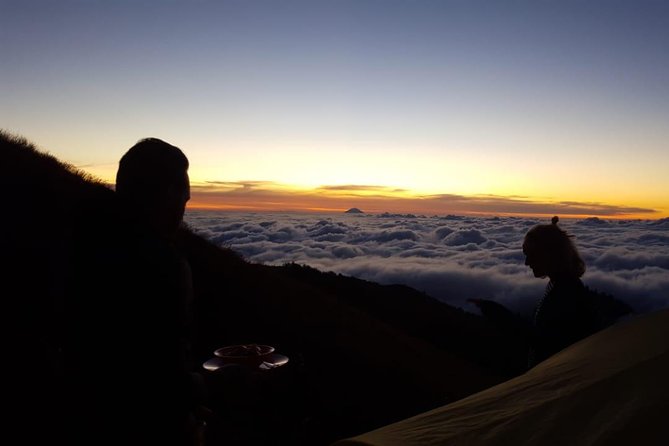
If you only have a weekend, this is the kind of Mount Rinjani itinerary that actually fits your time. You’re not attempting a long multi-day trek; instead, you get a focused climb, an overnight camp, and a sunrise on the crater rim.
What I find valuable here is the balance between challenge and support. You get guided pacing, scheduled stops, and a camp setup that isn’t on your back.
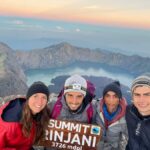
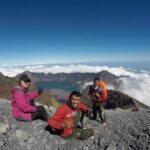
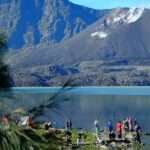
And the views are the payoff. From the crater rim, the panorama includes Segara Anak Lake, Mount Agung in Bali, the Gili Islands, the summit of Rinjani, and even Gunung Baru Jari, a small volcanic cone inside the crater. That’s a lot of “wait, did we really come here?” in one night.
You can also read our reviews of more tours and experiences in Lombok.
Day 1 from your hotel to Pos 1, Pos 2, and Pos 3
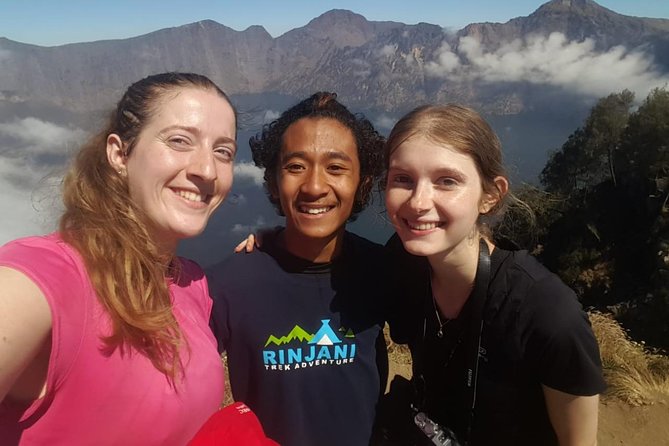
Your day starts with a pickup-style meet at your accommodation, followed by a briefing on how the trek will run. The start time is set for 7:00 am, so you’re not rolling out late and letting the day get away from you.
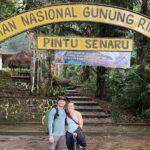
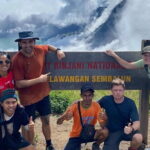
After an early breakfast, you register at the Rinjani National Park office in Senaru (601 m) before starting the hike. This matters more than it sounds, because it keeps your trek grounded in the official flow of park access and tracking.
Then you transition into the forest phase. The trail begins through dense tropical forest, and early on you’ll stop at Pos 1 and Pos 2 for rest breaks and snacks. These pauses are practical: on a steep volcano trail, you don’t want to burn your energy sprinting between viewpoints.
At Pos 3 (2,000 m), you switch from shorter breaks to a longer lunch stop. It’s a smart moment to refuel, because once you leave the higher forest area, the hike changes character.
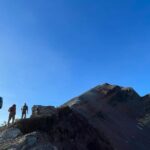
After lunch, the climb continues and the landscape shifts. The forest gives way to grassland, and the trail becomes increasingly steep. That steepness is the part that tests your legs most, not the hours on a clock.
Reaching 2,641 m: camping with sunset over Bali and the Gili Islands
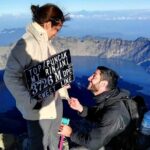
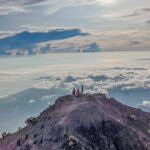
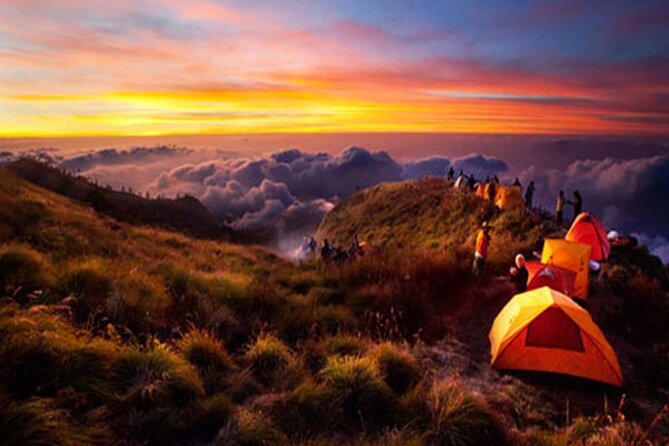
By late day, the trek brings you to the Senaru Crater Rim (2,641 m) for your overnight camp. This is where the itinerary earns its keep.
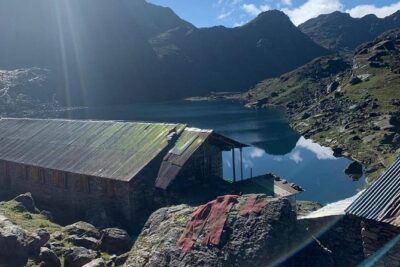
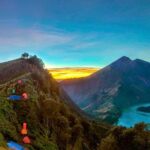
You’re not camping in the middle of nowhere; you’re camping at the edge of a volcano caldera system with dramatic sightlines. When sunset hits, you get views over Segara Anak, Mount Agung (Bali), the Gili Islands, and the Rinjani summit. The crater setting also includes Gunung Baru Jari, which is a small volcanic cone inside the crater.
Two practical upsides here:
- Sleeping on the rim makes sunrise possible without a midnight scramble.
- Having an established camp setup means you can shift your focus from gear to the view.
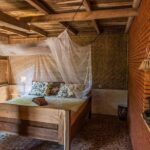
The equipment coverage is a big part of why this is a comfortable overnight. You’re provided a tent, a sleeping bag, a matrass 4 cm, and a toilet tent. That means you’re not trying to improvise camp comfort with a backpack and hope.
Day 2 sunrise, breakfast, and the return to Senaru
Day 2 is built around the morning payoff. You enjoy the sunrise, then have a leisurely breakfast before heading back down.
The return trek still includes breaks. You’ll pause for rest and snack breaks along the way, and there’s a longer lunch break at Pos 2. Arriving with food planned matters because going downhill can still exhaust you, especially when your quads start to protest.
Then it’s back to Senaru, arriving around 1 pm. From there, you’re transported to your next destination.
One small detail I like in this structure: you aren’t stuck hiking until late afternoon. That 1 pm finish helps you plan the rest of your Lombok time more easily, whether you’re heading toward the coast or transferring onward.
Group size, guides, and porters: why organization matters here
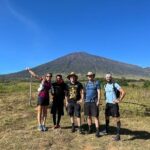
This trek is designed as an intimate experience, with a maximum of six travelers. On a volcano hike, that size is more than marketing. Fewer people means the guide can adjust pacing, check in on slower walkers, and keep the group from stretching out too much.
The guide experience is a core feature, with a local speaking guide included. You’ll also see that there’s mention of language support at the office, which is worth checking when you book so you know what communication style to expect.
Porters are where the “2 days” becomes realistic for most people. You get professional porters to carry your food and trekking equipment. That removes a major variable from the hike: you can focus on your footing and rhythm instead of carrying camp items.
In the reviews, a consistent theme is how guides stay on top of the process and how well the operation runs from the briefing through camp. That kind of organization helps on a trek that’s physically demanding but short enough that you need everything to be smooth.
Food, water, and camp setup: comfort that keeps you moving
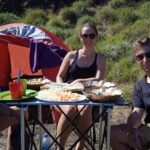
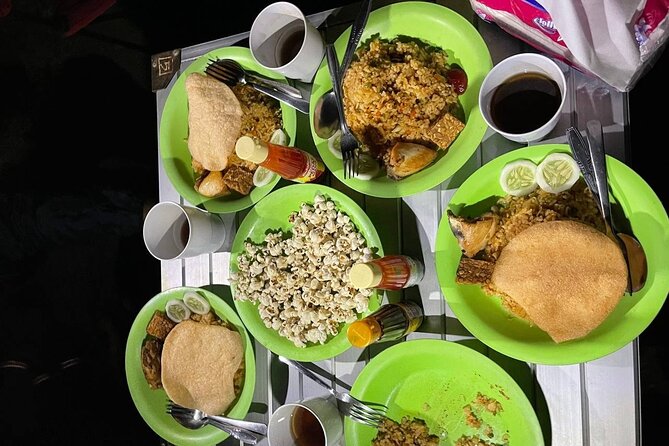
You get food and water during the trek, including breakfast, lunch, and dinner. That’s important for value, but it’s also important for energy.
Most short volcano treks fail if you’re underfed or constantly negotiating snacks. Here, meals are scheduled with the hike, including longer breaks at the higher points, which helps you keep a steadier pace.
Camp comfort is covered in practical terms:
- Tent
- Sleeping bag
- 4 cm mattress
- Toilet tent
It’s not luxury camping, but it’s functional. You sleep without having to source gear last-minute, and you don’t lose daylight time to camp tasks.
One thing you should note: head lamp and walking stick are not included. If you rely on a head lamp for early morning and dim camp conditions, bring one. A walking stick can also reduce stress on your knees on the steep descent, even if you’re not planning to use it the whole time.
Price and what you should double-check before paying
The tour price is $190.00 per person. For this price, you’re paying for the guided trek, meals and water across both days, camping equipment, and porter support. The small-group limit also adds cost pressure that operators usually try to cut, so it’s a positive sign here.
But you’ll want to budget for items listed separately:
- The mt Rinjani entrance fee: IDR 400,000 per person
- Accommodation before trekking: IDR 250,000 per person
- Head lamp and walking stick (not included)
There’s also a bit of overlap around transport. The overview says you get hassle-free pickup and drop-off at Lombok hotels/airport, but the “not included” section says transportation isn’t included. Since the wording conflicts inside the details, treat it as a confirm-before-you-go item. Ask the operator exactly what transport is covered on your dates.
If you get those answers straight, the overall value looks strong because you’re not paying separately for porters and key camp gear. And that’s the difference between “a trek” and “a trek with a fighting chance of enjoying it.”
What this trek feels like physically (and who it fits best)
This trek is listed for travelers with moderate physical fitness. That’s a good match if you’re used to walking uphill and can handle long stretches at a steady effort level.
You should also expect steep sections. The climb goes from dense forest into grassland, and the trail becomes increasingly steep after the lunch portion on Day 1. On Day 2, going back downhill is usually faster but can still feel tough if your legs aren’t used to descending.
If you’re the type who does fine with challenging hikes but doesn’t love long exposure to altitude-like conditions, this format can still work because it’s short and structured.
If you hate steep trails, if you’re recovering from an injury, or if your fitness is currently more “flat walks only,” consider choosing an easier itinerary. Two days can still be a lot when the slope is constant.
Planning your expectations for the views
A common mistake is thinking the views are only at the highest point. On this trek, the visuals stack.
- On Day 1, you’re hiking toward the rim, climbing through changing terrain.
- On the rim, you get sunset views with the volcano caldera feel—Segara Anak and the wider island geography show up in the frame.
- On Day 2, you get the sunrise moment with a calmer pace afterward.
This is why the overnight matters. Day hikes can give you a taste. An overnight gives you time for light changes, which is when volcanic scenery looks most dramatic.
Should you book this 2 days 1 night Rinjani trek?
I’d book it if you want a short overnight volcano trek with a clear structure, small-group feel, and the convenience of meals, water, and camp gear included. The porters plus included tent and sleeping setup are a big deal if you want to hike hard but not scramble.
I’d think twice if you hate steep hikes or you’re unsure about handling the climb to around 2,641 m with a tight two-day schedule. This trek doesn’t pretend to be easy, and that honesty is actually helpful.
If you decide to go, do one simple thing: confirm what transport is included for your dates and where you’ll be taken after the 1 pm arrival in Senaru on Day 2. Once you have that nailed down, you’re set for a very memorable crater-rim night.
FAQ
What time does the trek start?
The start time is 7:00 am, with the meetup at the Rinjani Trek Adventure meeting point or your accommodation for the briefing.
How many people are in the group?
The tour has a maximum of six travelers, so it stays small.
What is included in the meals?
The trek includes food and water during the hike: breakfast, lunch, and dinner.
Is camping equipment included?
Yes. You get a tent, sleeping bag, a 4 cm mattress, and a toilet tent.
Do I need to pay an entrance fee?
Yes. The mt rinjani entrance fee is IDR 400,000 per person, and it is listed as not included.
Is pickup and drop-off included?
The overview states hassle-free pickup and drop-off at Lombok hotels/airport, but the detailed inclusions list says transportation isn’t included. Confirm the exact transport coverage when booking.
Do I need a head lamp or walking stick?
The tour lists head lamp and walking stick as not included, so you should plan to bring them if you want them.
What if weather is bad?
This experience requires good weather. If it’s canceled due to poor weather, you’ll be offered a different date or a full refund.