REVIEW · KATHMANDU
Langtang Valley Trek
Book on Viator →Operated by Alpine Luxury Treks Pvt Ltd · Bookable on Viator
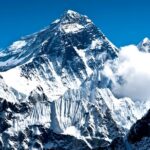
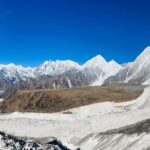
Langtang has that rare calm you feel fast. This trek takes you from a Kathmandu start into the Langtang National Park area, with forests shifting to high-alpine views of Langtang Himal. You also get Tamang culture, prayer sites, and the chance to spot wildlife like the red panda.
What I love most is how the route builds anticipation day by day. The hike to Kyanjin Gompa and onward to Tserko Ri and Kyanjin Ri gives you real payoff time, not just photo stops. I also like that your guide and team focus on more than walking, with past groups praising leaders like Dhruba and Nima for pointing out wildlife, scenery details, and local stories as you go.
One consideration: this is for people with moderate fitness, and the rhythm of hiking uphill plus colder air at higher points can feel demanding. If you’re expecting an easy stroll the whole way, this trek will push back a bit.
In This Review
- Key things to know before you go
- Why Langtang Valley feels different from other Nepal treks
- Getting to Syabrubesi: the start that sets your pace
- Day-by-day: what each stage is really like
- Day 1: Kathmandu to Syabrubesi by drive
- Day 2: Syabrubesi to Lama Hotel
- Day 3: Lama Hotel to Langtang Village
- Day 4: Langtang Village to Kyanjin Gompa
- Day 5: Hike to Tserko Ri and Kyanjin Ri
- Day 6: Return trek to Lama Hotel
- Day 7: Descend back to Syabrubesi
- Day 8: Drive back to Kathmandu
- The views: Tserko Ri and the ridge-hike payoff
- Tamang food, teahouses, and what’s included (and what isn’t)
- Wildlife chances and the gompa trail vibe
- Guides make or break the experience (Alpine Luxury Treks teams get praise)
- Price and value: is $1,050 fair for this 8-day trek?
- Who should book this Langtang Valley Trek
- Should you book this Langtang Valley Trek with Alpine Luxury Treks?
- FAQ
- Where is the trek meeting point and what time does it start?
- Is this tour private?
- How long is the Langtang Valley Trek?
- What meals are included?
- What is not included?
- Does the tour include a drive to and from the trek area?
- What happens if weather is poor?
Key things to know before you go
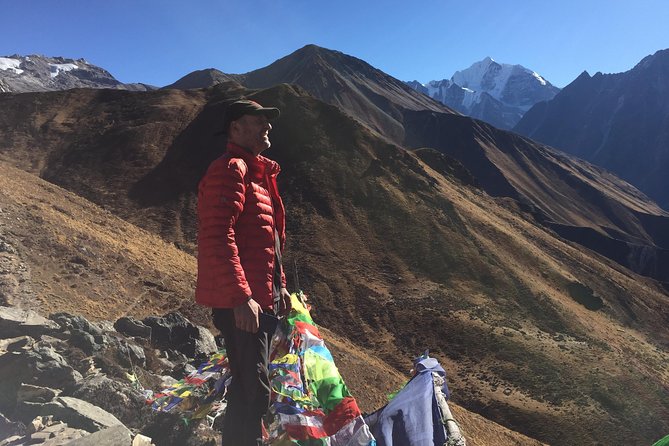
- Tserko Ri + Kyanjin Ri are the big view days, built into a straightforward 8-day pacing.
- Tamg culture + gompas mean the trek is as much spiritual and cultural as it is physical.
- Wildlife in Langtang National Park is possible, including red panda and Himalayan black bear sightings by some groups.
- Teahouse life is part of the experience, and many groups highlight cozy, clean stops plus snacks and local food like yak cheese.
- Private trekking with pickup options keeps the plan flexible for your group.
Why Langtang Valley feels different from other Nepal treks
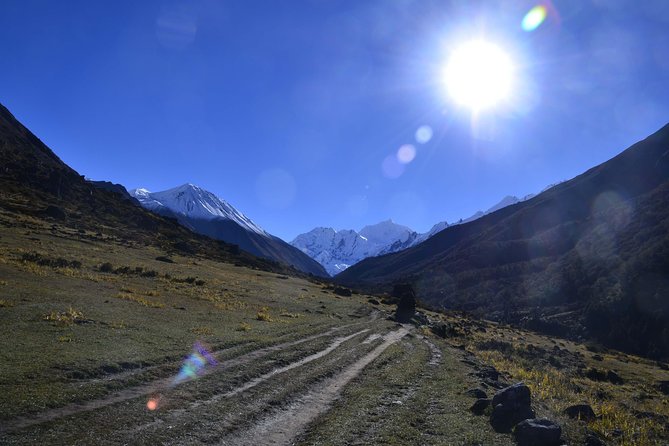
Langtang sits close enough to Kathmandu to feel accessible, yet it still gives you that classic Himalayan isolation. Expect a progression of environments: you start through greener lower areas, then the valley tightens and the air cools as you head toward higher viewpoints. The main attraction isn’t just the mountains in the distance; it’s the way the trail keeps changing your perspective as the valley opens and then rises.
Culturally, Langtang is about the Tamang people. You’re not just passing through villages; you’ll see the everyday rhythm of a community known for strong traditions and hospitality. Add in monasteries and gompas along the way, and the trek has a spiritual thread that shows up in how people live, pray, and keep their places meaningful.
There’s also a bigger reason to care. The experience is framed around supporting community recovery after the 2015 earthquake, with your trekking helping with resilience and preservation of cultural heritage. That doesn’t replace the need to plan your trip smartly, but it does give the days more weight than a checklist tour.
You can also read our reviews of more tours and experiences in Kathmandu.
Getting to Syabrubesi: the start that sets your pace
Your day begins early. You meet at Sorhakhutte, Kathmandu at 6:15 am. Since pickup is offered, you’ll likely get a smoother handoff than those who show up to Kathmandu’s chaos on their own. The trek then starts with a scenic drive from Kathmandu to Syabrubesi, the gateway town for the valley walk.
Day 1’s real value is psychological. A long trek can feel overwhelming until you’ve actually left the city behind. By the time you reach Syabrubesi, you’re warmed up for the experience: you’ve already made the transition from roads to trail. Even if you’re not a “morning person,” this start time helps you finish each day while you still have light and energy.
Also note: this is a private tour/activity, so it’s only your group. That matters when you’re on narrow routes or when someone needs a slower break. It’s easier to manage pacing as a unit, and you’re not stuck matching your rhythm to strangers.
Day-by-day: what each stage is really like
Below is the structure you’ll follow across the 8 days. I’ll focus on what each segment gives you, plus where people can feel it most.
Day 1: Kathmandu to Syabrubesi by drive
This is mostly travel day, but it’s not “wasted time.” The drive positions you for an early start on the trail and helps you avoid losing prime hiking hours later. You’ll also get your first taste of how rural this region feels once you leave the city.
Day 2: Syabrubesi to Lama Hotel
This is your entry into the Langtang region. The trail begins to feel more “Himalaya,” with more frequent turns in scenery and a stronger sense that you’re working through a valley corridor. It’s also a good acclimation day for your legs because you’re moving into the trekking routine without jumping straight to the toughest view targets.
A possible drawback: if you push too fast early, you’ll feel it later when you hit the ridge day. I’d treat Day 2 as “find your pace, don’t prove something.”
Day 3: Lama Hotel to Langtang Village
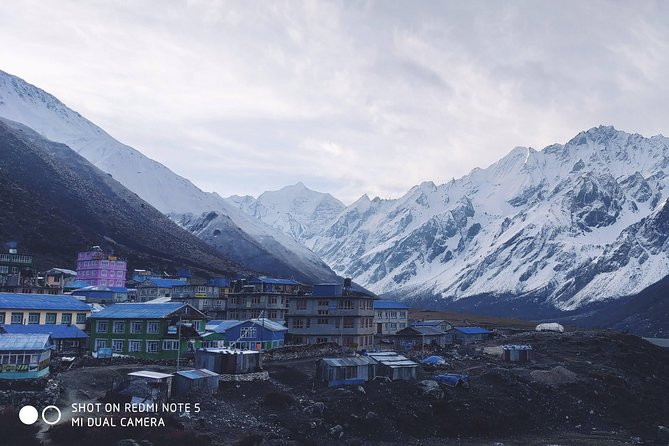
As you go deeper, the valley starts to feel more lived-in. Langtang Village is where the cultural side of the trek becomes more obvious. You’re not just walking through scenery; you’re moving through a community space.
This day also helps you understand what the trek is about: the mountains are the headline, but the people and the day-to-day trail life are the supporting cast that makes the valley memorable.
Day 4: Langtang Village to Kyanjin Gompa
Kyanjin Gompa is where many people feel the trek shift from “nice hike” into “this is why I came.” The gompa adds spiritual atmosphere, and the mountain views start commanding the landscape in a more direct way.
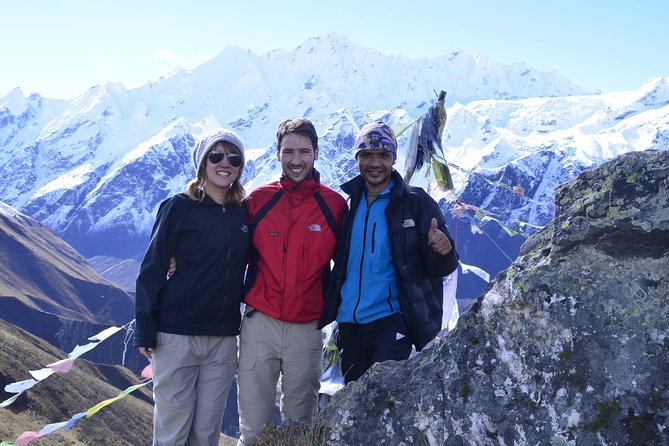
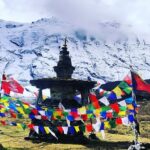
In past trips, clean, cozy teahouses have been a highlight for groups resting here and nearby. You’re likely to see prayer flags and get a sense of the spiritual network that threads through the region.
Consideration: this is also when cold weather can sneak up on you. Even if daytime feels manageable, evenings at higher points can require a real layering mindset.
Day 5: Hike to Tserko Ri and Kyanjin Ri
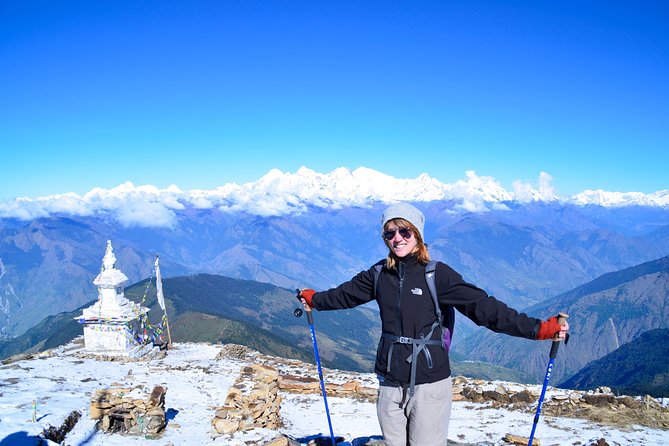
This is your payoff day in a big way. Tserko Ri and Kyanjin Ri are built for panoramic views of the Himalayas. It’s the kind of day where you’ll probably stop more than you plan, just because the views keep changing as you climb and then move between angles.
The good news is that the itinerary makes this day achievable within an 8-day framework. The not-so-fun news is that ridge and viewpoint hikes are where you feel the altitude change in your lungs and the cold on your cheeks, even when the temperature isn’t extreme.
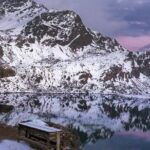
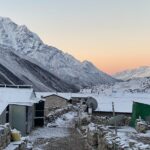
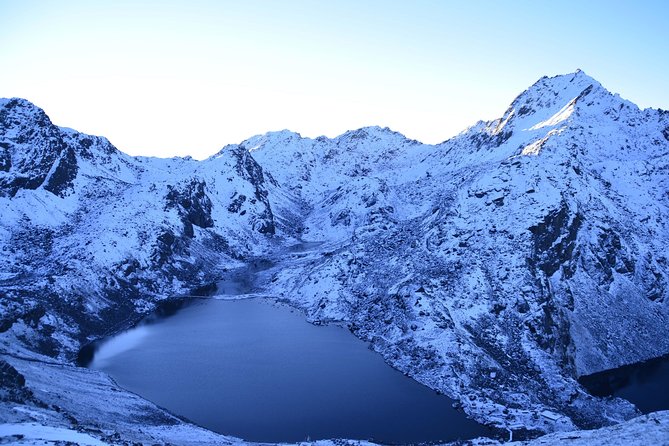
If you’re traveling in winter months, you might encounter snow near Kyanjin Gompa. One group described February conditions that turned a barren look into a more picturesque, snow-covered scene. So pack for a “cold surprise,” not a warm guarantee.
Day 6: Return trek to Lama Hotel
This day gives you a fresh perspective. Going back down the valley can feel easier on paper, but it’s still hiking. The advantage is that your eyes adjust to what you missed going up: small prayer details, subtle wildlife signs, and the way the valley layers look from a different angle.
I like return days because your mental load drops. You’ve already done the hard work of getting higher; now you can enjoy the route you earned.
Day 7: Descend back to Syabrubesi
By now the trail is familiar, but the effort is real. Going down can be tough on knees and calves if you don’t manage your steps carefully. Use short strides on steep sections and take breaks before you’re forced into them.
The reward is landing back in Syabrubesi with that post-trek feeling: tired, happy, and already planning what you’d do differently if you came again.
Day 8: Drive back to Kathmandu
You’re back to Kathmandu after the drive, and the day is mostly about closure. It’s a chance to swap trail boots for real shoes, eat a proper meal, and remember that you’re now the person who walked into Langtang and came back.
The views: Tserko Ri and the ridge-hike payoff
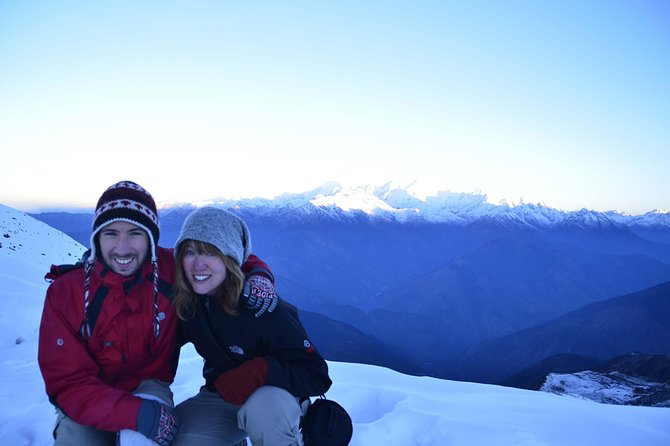
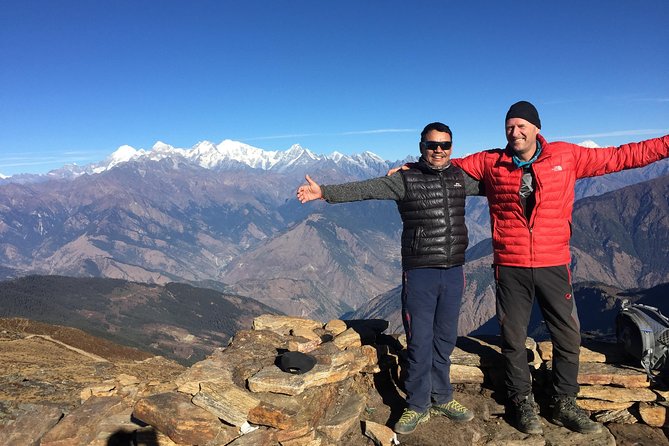
If I had to summarize this trek in one sentence, it’s that your effort starts to feel worth it on the ridge days. Tserko Ri and Kyanjin Ri are the emotional peak. You climb, you slow down, and then the view does what it always does in the Himalaya: it resets your idea of scale.
Many past groups also talked about how guides helped them read the mountains. People have praised guides like Hira and Dhruba for explaining what you’re looking at, not just pointing. That makes a ridge day more than sightseeing; it becomes a learning day while you’re tired.
Tamang food, teahouses, and what’s included (and what isn’t)
Your trekking meals are partly covered. The included items list breakfast, plus one lunch and one dinner during trekking. Everything else is on you: bottled water, snacks, coffee/tea, soda/pop, and alcoholic beverages are not included.
That matters for budgeting. Teahouses are part of the experience, and they often offer local comfort food and small treats as the trail demands extra calories. Groups have highlighted yak cheese, sea buckthorn juice, and Tibetan bread as memorable “tastes of the valley.” If those show up on the menu, it’s a good idea to try them, even if you don’t turn into a yak-cheese superfan.
Water is the other practical issue. Since bottled water isn’t included, you’ll want a simple plan so you’re not rationing sips at the wrong time. If you prefer a consistent drink routine, factor that cost in early.
Wildlife chances and the gompa trail vibe
Langtang National Park is part of the appeal. The tour frames it as a wildlife sanctuary where you might encounter animals such as the red panda, Himalayan black bear, and Himalayan tahr. You’re not guaranteed sightings, but the point is that the valley isn’t only about views. It’s also about paying attention.
Gompas and monasteries add another dimension. Even if you don’t read every prayer detail, you’ll feel the difference in how the route passes sacred places. These stops keep the days from turning into nonstop walking. They give you pauses that feel intentional.
A small practical tip: when you reach a gompa area, slow down. Take a moment for silence and light. It’s easy to rush because you’re excited, but those places are the reason the trek feels more human and less mechanical.
Guides make or break the experience (Alpine Luxury Treks teams get praise)
In Nepal trekking, your guide is your safety net and your translator. In this trek’s case, the biggest praise you’ll see is about guides who handle the whole day flow, from meals to trail interpretation.
Groups have described guides such as Dhruba who looked after everyone each day, from breakfast to dinner, and who pointed out wildlife and details along the way. Others credited Nima for knowing mountains, landscapes, and local people, including stories behind what you see. Lhakpa got strong mentions too, especially for making the trek feel smooth and enjoyable, with a focus on both scenery and helpful guidance.
You’ll also hear names tied to support roles. Porters like Thile and Keshab have been praised for being helpful and making the trail easier to manage. Some groups also mentioned a company coordinator named Badri for planning that felt organized from start to finish.
Here’s the practical takeaway: if you hire a guided trek, you should ask how the guide handles pacing, weather changes, and cultural stops. The best guides don’t just lead; they explain and adjust.
Price and value: is $1,050 fair for this 8-day trek?
At $1,050 per person, this isn’t a budget trek. But it’s also not just “a walk in the mountains.” For the price, you’re getting a private setup, a structured 8-day plan, and guided support through daily segments plus the Kathmandu-to-Syabrubesi and return drives.
What you should weigh is what’s actually included. The included meals are limited (breakfast and one lunch and one dinner during trekking), and you’ll still pay for extras like snacks, coffee/tea, and bottled water. So if you snack heavily or drink lots of tea on the trail, your total cost will rise.
Where the value tends to show up is in the non-tangible parts: having a guide who helps you see wildlife chances, understand gompas and local culture, and move at a safe pace. That’s what many groups praised by name—people remember the feeling of being cared for, and the ability to ask questions when the valley gets confusing.
Also, the trek’s framing includes support for earthquake recovery and heritage preservation. That’s not a reason to ignore price, but it’s a meaningful bonus when you’re choosing where your money goes.
Who should book this Langtang Valley Trek
This trek fits you best if you want:
- A structured 8-day itinerary with built-in viewpoint highlights
- Tamang culture and gompa stops, not only mountains
- A guided experience where your route and daily rhythm feel managed
It may not fit if you:
- Want a purely easy level stroll all week
- Prefer a fully catered package with all drinks and snacks included
- Expect to avoid cold altogether
For solo hikers, this can work well because the tour is private and your guide and porter support are part of the setup. For families, it can also be doable, but only if kids and adults in your group truly handle hiking days and cold evenings. One group mentioned trekking with a 9-year-old child, which suggests it’s possible with the right pacing and support.
Should you book this Langtang Valley Trek with Alpine Luxury Treks?
If you’re choosing between Langtang and more famous routes, I’d give Langtang a strong look. It has mountain drama, yes, but also a quieter pace, Tamang culture, and gompa moments that feel built-in rather than added at the end. The ridge day payoff at Tserko Ri and Kyanjin Ri is a clear reason to commit.
I’d book if you like guided trekking where the team helps you understand what you’re seeing. Look at whether you’re okay planning for extra costs like bottled water, snacks, and tea. If you’re good with that, the $1,050 price starts to feel less like a flat fee and more like paying for a full, guided week that turns into real memories.
FAQ
Where is the trek meeting point and what time does it start?
You meet at Sorhakhutte, Kathmandu 44600, Nepal, with a start time of 6:15 am.
Is this tour private?
Yes. It’s a private tour/activity, meaning only your group participates.
How long is the Langtang Valley Trek?
The duration is listed as 8 days (approx.).
What meals are included?
Included meals are breakfast, plus lunch during trekking (1 meal included) and dinner during trekking (1 meal included).
What is not included?
Not included are bottled water, snacks, coffee and/or tea, soda/pop, and alcoholic beverages.
Does the tour include a drive to and from the trek area?
Yes. Day 1 includes a scenic drive from Kathmandu to Syabrubesi, and Day 8 includes a drive back from Syabrubesi to Kathmandu.
What happens if weather is poor?
The experience requires good weather. If it’s canceled due to poor weather, you’ll be offered a different date or a full refund.