REVIEW · MARRAKECH
2 Days Desert Tour From Marrakech To Zagora And Camel Trek
Book on Viator →Operated by Morocco Global Adventures · Bookable on Viator
Camels at sunrise beat jet lag. This two-day trip mixes the big-mountain drive over the High Atlas with Kasbah visits and a night under a Berber-style tent near Zagora.
I like that the experience is built around real highlights, not just road time. I love how guides such as Mohamed Ouzanzoul (and drivers like Mustapha) make the long day feel safe and smooth, and I love doing the desert camel ride twice—sunset and sunrise—with a comfortable-feeling camp overnight.
One heads-up: it is an early, packed schedule. You start around 7:30am, you’ll spend a lot of time in the vehicle, and if you go in winter you should expect real cold at night and plan layers.
In This Review
- Key points worth knowing before you go
- Marrakech to Zagora in two days: what you really get
- Day 1: High Atlas over Tizi n’Tichka, Kasbah Ait Ben Haddou, then down to Zagora
- Lunch and the Kasbah rhythm
- The camel ride: one hour, real desert feeling
- Ouarzazate stop: Kasbahs plus cinema-studio scenery
- Sunset camel ride and the Berber-style camp: the part you remember
- Day 2: sunrise behind the dunes, breakfast, then back through Draa Valley and the Anti-Atlas
- The return drive: Draà Valley, Agdez, then back over the Atlas passes
- Price and logistics: is $106.02 good value?
- Safety and the human touch that makes the trip feel easy
- What to pack for Zagora: practical checklist
- Who this tour suits best (and who should think twice)
- Should you book this Marrakech to Zagora 2-day tour?
- FAQ
- What is included in the 2-day tour?
- What camel rides do I get, and when?
- How early does the tour start, and how long is it?
- Is lunch included?
- What languages are available for the guide?
- Can I cancel for free if my plans change?
Key points worth knowing before you go
- 7:30am start means you’ll beat crowds and arrive in good light for key stops
- Tizi n’Tichka Pass drives you over the High Atlas with big views and lots of photo breaks
- Ait Ben Haddou with a local guide helps you understand the Kasbah beyond quick photos
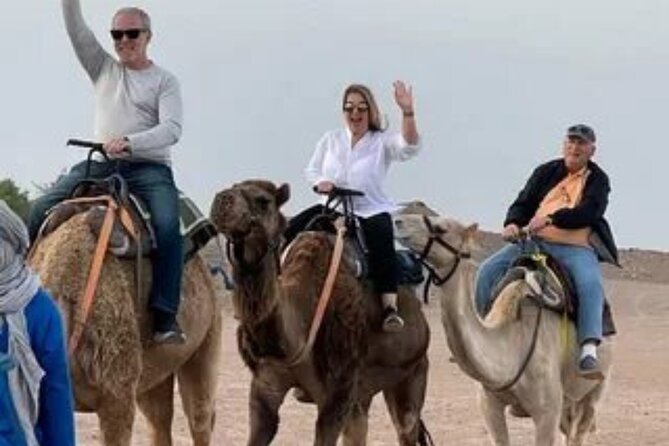
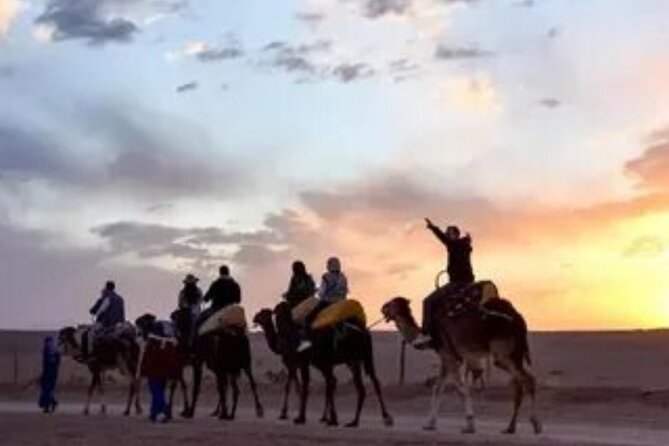
- Camel rides at sunset and sunrise give you two different desert moods (and two chances for great photos)
- Berber-style desert camp includes dinner and a night stay, so you’re not rushing back the same day
- Good guide + driver matches show up repeatedly, including Mohamed Ouzanzoul, Chaima, Mustapha, Hicham, Abdul, and Hammid
Marrakech to Zagora in two days: what you really get
This tour is designed for people who want the desert payoff without turning it into a week-long project. In about 48 hours, you do the long-but-rewarding drive out of Marrakech, see major Kasbah stops, ride camels, sleep in a desert camp, then come back through some of Morocco’s most famous valley routes.
The biggest value here is how tightly the schedule hits the classic Desert-to-Kasbah highlights: High Atlas crossing, Ait Ben Haddou, the Ouarzazate area, and then the Zagora dunes. You also don’t just show up for sunset and leave. You get a second moment the next morning—sunrise camel time—which changes the whole feel of the desert.
It’s also a “guided experience” in the practical sense. You’re not left to figure things out in Arabic-only chaos. The tour includes an in-person and audio guide in English, Spanish, French, Arabic, and Portuguese, and there’s a local guide specifically for Ait Ben Haddou.
You can also read our reviews of more tours and experiences in Marrakech.
Day 1: High Atlas over Tizi n’Tichka, Kasbah Ait Ben Haddou, then down to Zagora
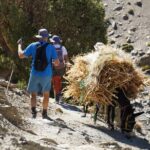
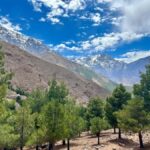
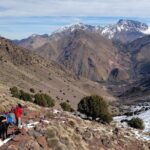
You start at 7:30am from Hôtel Restaurant Café de France in Marrakech. From there, the driving day is the backbone of the trip: the route climbs into the High Atlas and crosses the Tizi n’Tichka pass. This is where you understand why Morocco makes such a strong road-trip case. You get constant scenery changes and a lot of chances to stop for photos without it feeling random.
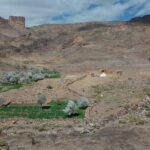
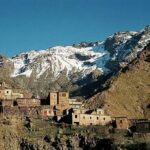
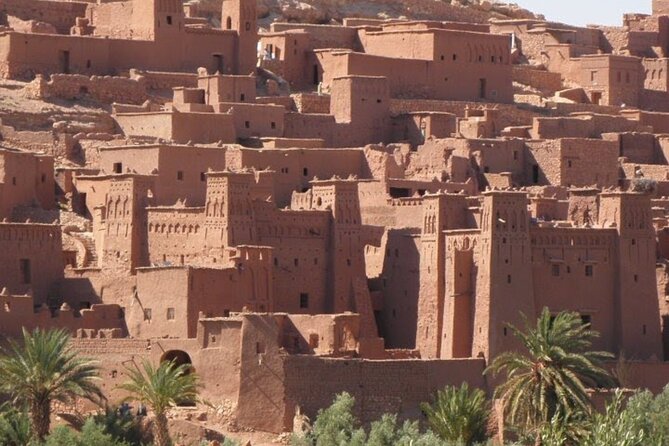
On the way south, you pass through Berber villages and keep moving toward the day’s anchor stop: Kasbah Ait Ben Haddou. This UNESCO-listed Kasbah isn’t just a pile of buildings. With a local guide, you get context for how these Kasbahs worked—why they’re positioned where they are, how the architecture holds up, and why it still matters as a living cultural landmark.
Lunch and the Kasbah rhythm
After Ait Ben Haddou, lunch is provided at a local restaurant. That matters because it keeps you from hunting down food after a long climb and helps maintain the overall timing. Then you head toward Ouarzazate and keep going south.
Later in the day you pass through the Thousand Kasbahs valley and reach the area known for the largest palm grove of Morocco. These are the “in-between” scenes that make the drive feel like part of the story, not just the commute.
The camel ride: one hour, real desert feeling
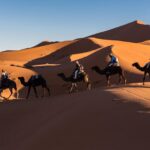
Once you reach the Zagora area, you get a camel ride for about 1 hour. One camel per person is included, and this ride is your first taste of how desert travel feels—slow, steady, and oddly grounding. It’s long enough to enjoy it, not so long that it becomes a chore.
Some departures also include a short exterior stop at Kasbah Taourirt in Ouarzazate. It’s optional, but it’s a nice bonus if you want more Kasbah texture without adding a whole extra stop.
Ouarzazate stop: Kasbahs plus cinema-studio scenery
This route passes through the Ouarzazate area, and the idea is simple: you get a meaningful break from Kasbah-to-desert travel while still staying on schedule. Even when time is tight, Ouarzazate brings a different vibe—more city energy, more road access, and the sense that you’re near Morocco’s film and TV backdrop zone.
If you care about Morocco beyond the postcards, this stop helps connect the desert and Kasbah world to modern Morocco. It also sets up the next day’s return route, since you’ll cross back through the Ouarzazate side again.
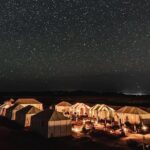
Sunset camel ride and the Berber-style camp: the part you remember
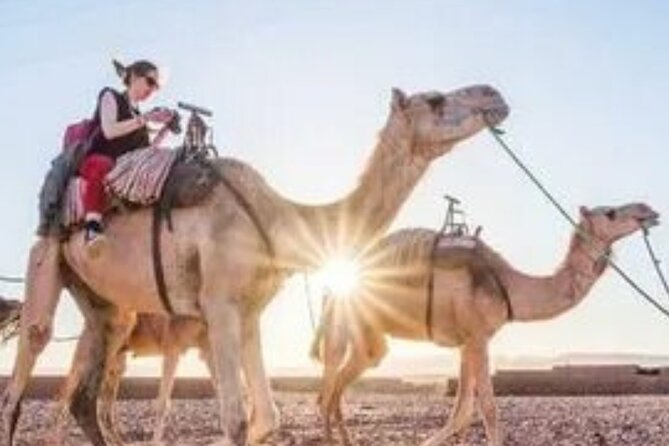
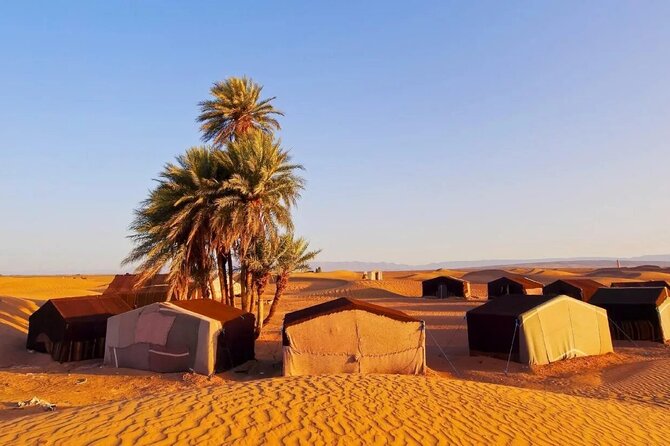
The “main event” of the first day is reaching camp and doing the sunset camel experience. This is exactly the kind of moment where timing matters. The light changes quickly, and the high-heat of the day cools down fast. That’s when the desert stops feeling like a location and starts feeling like a mood.
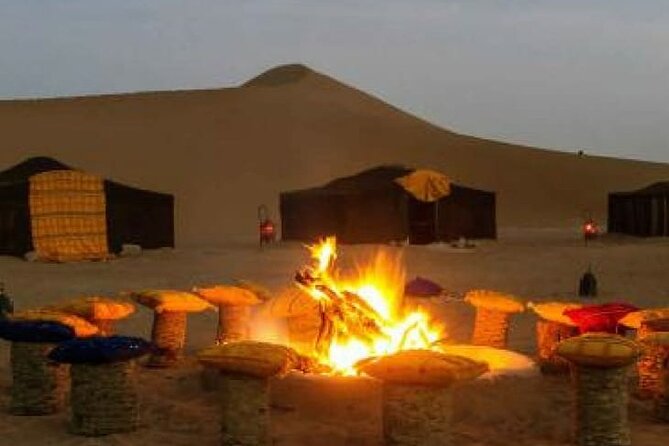
Then you sleep in a desert camp under a Berber tent. Dinner and one night accommodation are included, so you’re not stuck improvising food or searching for basic facilities after dark. In several experiences I’ve seen, the camp is specifically described as comfortable, with everything you need in place rather than a bare-minimum setup.
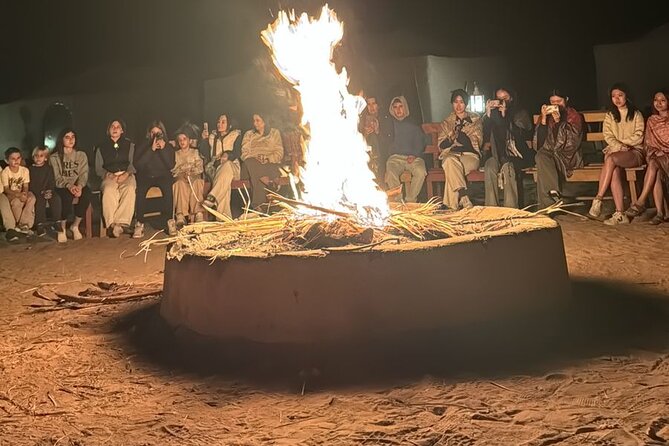
You’ll also get a practical reality check: desert nights can feel cold, especially in winter. One piece of advice that shows up clearly is to bring thermal wear if you’re traveling in colder months.
Day 2: sunrise behind the dunes, breakfast, then back through Draa Valley and the Anti-Atlas
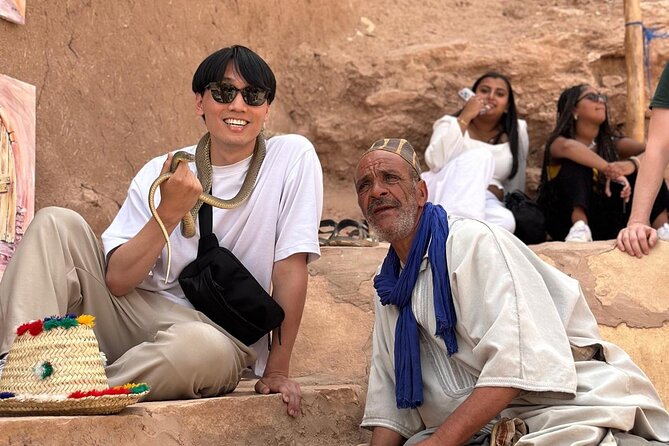
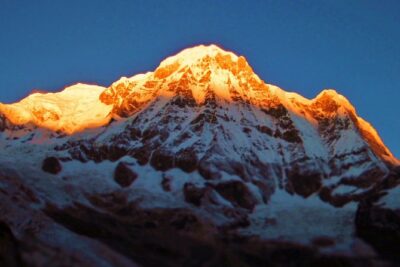
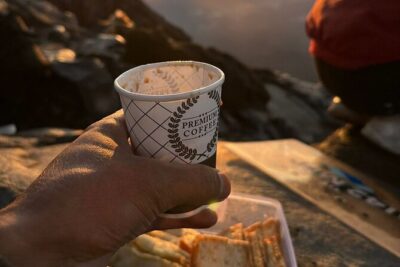
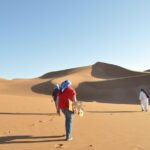
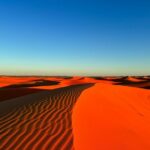
You wake up early again, this time for sunrise. The day starts with a sunrise behind the mountains and small dunes of the Zagora desert, then a traditional breakfast. Doing this so early is the difference between seeing the desert and experiencing it.
After breakfast, you reach your hotel in Zagora by camel, then you get a shower and freshen up. That matters more than people think. After a night in tent sleeping conditions, you’ll be grateful you’re not spending the rest of the day dusty and exhausted.
The return drive: Draà Valley, Agdez, then back over the Atlas passes
The return leg follows a classic line of valleys and mountains. You cross the Draà Valley again through Agdez, then you go back across the Anti-Atlas to reach Ouarzazate. A typical restaurant lunch is included partway through the return drive, then you pass over the Tizi n’Tichka pass again and head back to Marrakech for drop-off at your accommodation.
This is the part of the tour where the “two days” feeling can either work for you or annoy you. It works if you’re okay with long highway time for the reward stops. It might annoy you if you expect lots of wandering on foot in every city. The tour’s strength is the driving corridor and the desert night—not hours of museum time.
Price and logistics: is $106.02 good value?
At $106.02 per person for two days, this tour is priced like a “high-impact shortcut.” The value comes from what’s included:
- breakfast and dinner (so you’re not building a separate food budget each day)
- one night accommodation
- camel rides twice (sunset and sunrise, plus the included camel ride timing)
- air-conditioned vehicle with fuel included
- guide support, including an Ait Ben Haddou local guide
The main extra cost you should expect is lunch. Lunch between 13 and 15 EUR per meal is not included, and drinks start from 1 EUR and up. Tips are also not fixed. So the real total depends on your eating and drink habits.
What I like about this pricing setup: it encourages you to carry a simple budget and not stress about meals at key times. What I’d watch: if you drink a lot, or if you spend more than one meal’s worth on drinks during the return day, the final cost rises quickly.
Safety and the human touch that makes the trip feel easy
This is one of those tours where the driver and guide really matter because you’re traveling long distances with changing terrain. In the experiences shared, the trip is repeatedly described as feeling safe and well-organized.
Guides and drivers named in positive feedback include:
- Mohamed Ouzanzoul with Mustapha
- Chaima with Hicham
- Abdul
- Hammid
The consistent pattern isn’t just praise for friendliness. It’s responsiveness: people report that requests were listened to and that the team kept the experience fun. There’s even a standout birthday mention where the guides brought a cake—small detail, but it shows they pay attention to more than just the itinerary boxes.
What to pack for Zagora: practical checklist
Based on what’s explicitly part of the experience (camel rides, camp overnight, early morning), pack for comfort and temperature swings:
- warm layers for sunrise and night in the desert (especially in winter; thermal wear helps)
- comfortable shoes for short Kasbah walking and photo stops
- a light jacket even in warmer months, since desert evenings can cool quickly
- water and snacks if you know you get hungry between included meals (drinks are available, but additional cost applies)
- cash or card for the lunches that aren’t included, plus drinks if you want them
Who this tour suits best (and who should think twice)
This is a strong fit if you:
- want camel time and an actual desert overnight without booking extra nights
- like guided structure: you want the big stops handled with explanations, not guesswork
- are comfortable with early starts and long travel days
It’s less ideal if you:
- hate long hours in a vehicle and prefer slower, city-based itineraries
- expect lunch to be included all the way through (it isn’t)
- plan to travel in peak cold season with no warm gear
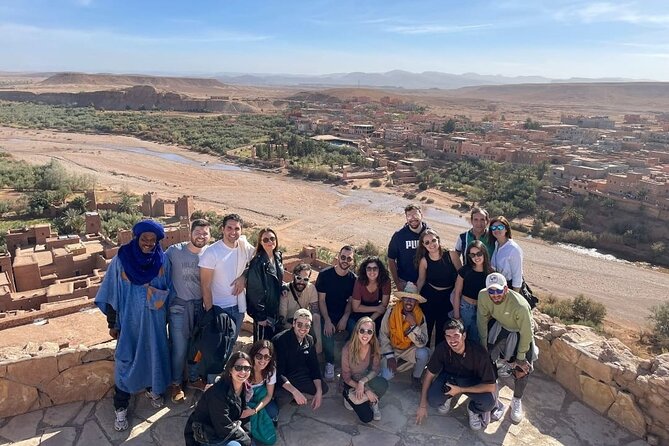
If you’re traveling with friends, families, or as a group (including students), this style often works because the team keeps things organized while still leaving room for photos and small choices like optional exterior stops.
Should you book this Marrakech to Zagora 2-day tour?
If you want the classic Zagora experience—High Atlas crossing, Ait Ben Haddou, camel rides at sunset and sunrise, and a desert camp night—this is a well-paced way to do it in just two days.
Book it if you’re the type who enjoys a plan with freedom inside it: you like seeing multiple key sights, you’re happy to ride in an air-conditioned vehicle for long stretches, and you’ll value the early morning sunrise moment.
Hold off if you’re sensitive to cold nights or you’re hoping for lots of downtime in towns. In those cases, you might want a longer stay in one area so you’re not racing the clock.
If you do book, my best advice is simple: pack for temperature changes, budget for lunches and drinks, and plan to enjoy the ride days as part of the story—not just the route to the desert.
FAQ
What is included in the 2-day tour?
Breakfast and dinner are included, along with 1 night accommodation in the desert camp. You also get camel rides for both sunset and sunrise (1 camel each), an air-conditioned vehicle with fuel included, and guide support in English, Spanish, French, Arabic, and Portuguese. Ait ben Haddou includes a local guide.
What camel rides do I get, and when?
You get camel rides for sunset and sunrise, with 1 camel per person for each ride. The day 1 camel ride is about 1 hour, and day 2 includes sunrise camel time.
How early does the tour start, and how long is it?
The tour starts at 7:30am from Hôtel Restaurant Café de France in Marrakech. Duration is listed as approximately 2 days.
Is lunch included?
Lunch is not included. Lunch between 13 and 15 EUR per meal is listed as not included, and drinks starting from 1 EUR and up are also not included.
What languages are available for the guide?
The tour includes an in-person and audio guide in English, Spanish, French, Arabic, and Portuguese.
Can I cancel for free if my plans change?
Yes. Free cancellation is available if you cancel at least 24 hours before the experience’s start time for a full refund.