REVIEW · CHIANG RAI
Akha & Lahu village trekking 1 day
Book on GetYourGuide →Operated by บริษัท ทัวริสต์ อินฟอร์เมชั่น เซ็นเตอร์ จำกัด · Bookable on GetYourGuide
Jungle day trips beat mall days. I like the way this Akha village visit stays outside the mass-tour loop, plus the hands-on bamboo cooking that turns lunch into the highlight of the day. One thing to consider: the trekking has some harder sections, and at least one viewpoint isn’t a perfect valley panorama.
This is a 1-day private trekking experience designed for people who want real hill-tribe life, not a quick photo stop. You’ll walk through jungle and farmland, eat what’s cooked on bamboo, and get waterfall time if you feel like cooling off. If you’re expecting an easy, perfectly scenic walk the whole way, manage your expectations and focus on the process.
You’ll go with an English/Thai-speaking guide (the name Acha shows up often in real trip experiences), and you’ll also have a coffee/tea start to the day. The route also includes a temple stop, but temple entrance isn’t included, so you’ll want a little extra cash ready.
In This Review
- Key highlights you’ll remember
- A One-Day Akha and Lahu Trek from Chiang Rai: What You’ll Really Do
- Why the Akha Village Visit Feels Different (and How to Show Respect)
- Trekking Through Bamboo Jungle, Rice Fields, and Pineapple Plantations
- Mae Sai Waterfall Time and the Swim-Worth-It Moment
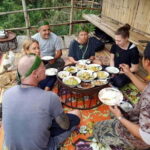
- Bamboo Cooking Lunch: The Meal That Makes the Day Worth It
- The Lahu Village Stop and the Handmade-Pouch Moment
- Price and Value: Is $87 for a 1-Day Trek Fair?
- Practical Tips That Make This Trek Easier on Your Body
- Who This Akha & Lahu Trek Fits Best
- Should You Book This Trek?
- FAQ
- What tribes do I visit on this 1-day trek?
- Is lunch included?
- Do I need to pay anything at a temple?
- How hard is the trekking?
- Can I swim at the waterfall?
- What languages are offered?
- Is there a refund if I cancel?
Key highlights you’ll remember
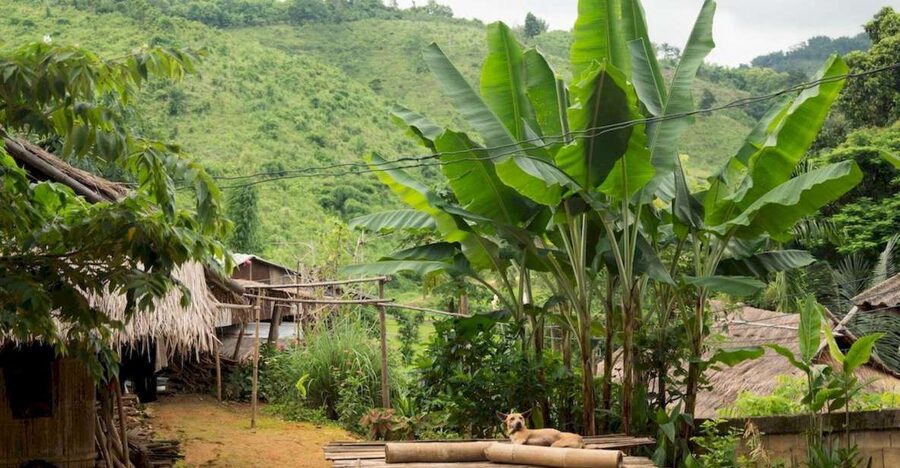
- Akha + Lahu in one day: two hill-tribe communities without needing multiple tours
- Bamboo cooking lunch: your meal is prepared with bamboo sticks, not a restaurant setup
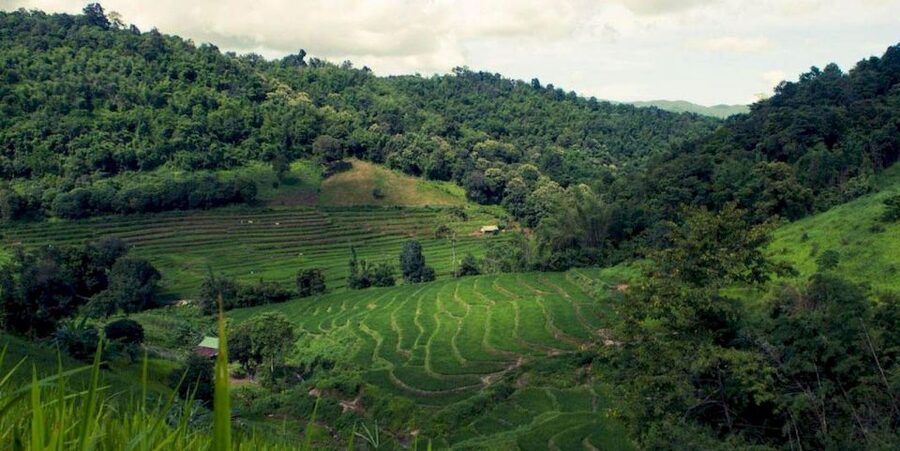
- Jungle and farmland walking: bamboo forest stretches plus rice fields and pineapple areas around the village
- Waterfall time (Mae Sai): plan for a swim if you want to cool down
- A guide who explains plants: you may learn how bamboo supports daily life, and hear about local crops like cocoa, lemon, coffee, and lemongrass
- Worth noting for your budget: temple entrance costs extra, and there can be a sales moment at the Lahu village
A One-Day Akha and Lahu Trek from Chiang Rai: What You’ll Really Do
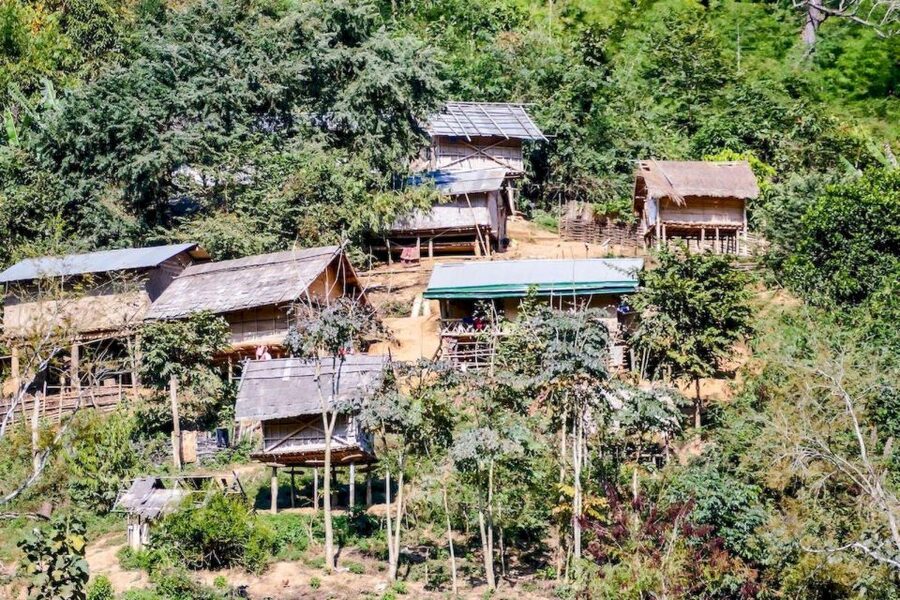
This is the kind of Chiang Rai trek that makes sense when you only have a day and you still want culture and nature, not just a road trip. The core idea is simple: walk with a local hill-tribe guide through the jungle around their home, eat lunch cooked with bamboo, then visit a neighboring Lahu village area.
I like that it’s structured enough to feel complete while still staying informal. You’ll move through different environments—bamboo forest, rice fields, and pineapple plantations—so the day doesn’t blur into one long trail.
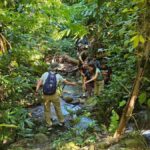
You should also know what matters for comfort. The trekking includes some challenging stretches, and the terrain is outdoorsy, so good shoes are not optional. If you want to breeze through, this may feel like work rather than a stroll.
You can also read our reviews of more tours and experiences in Chiang Rai.
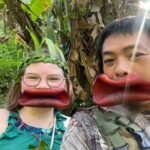
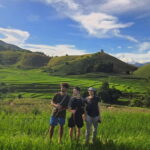
Why the Akha Village Visit Feels Different (and How to Show Respect)
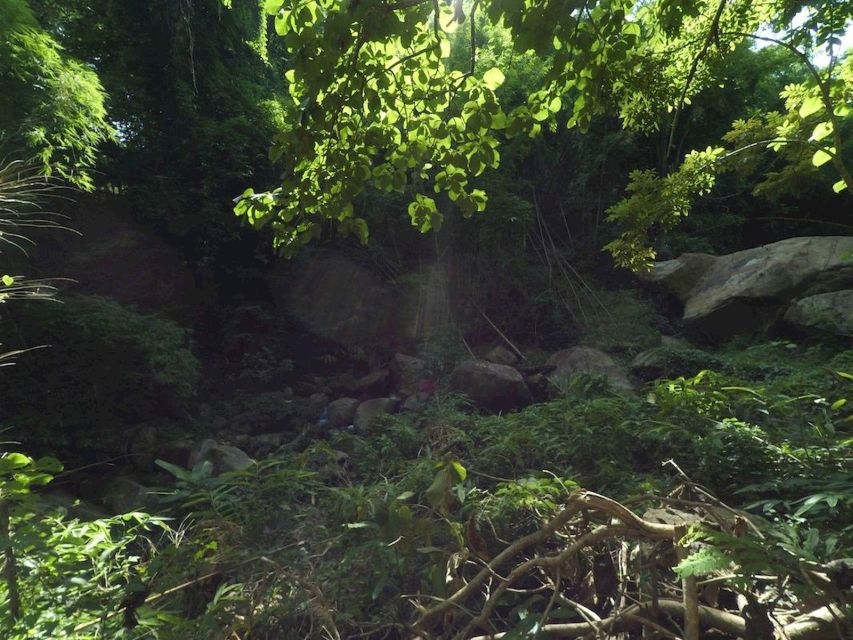
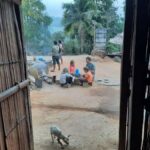
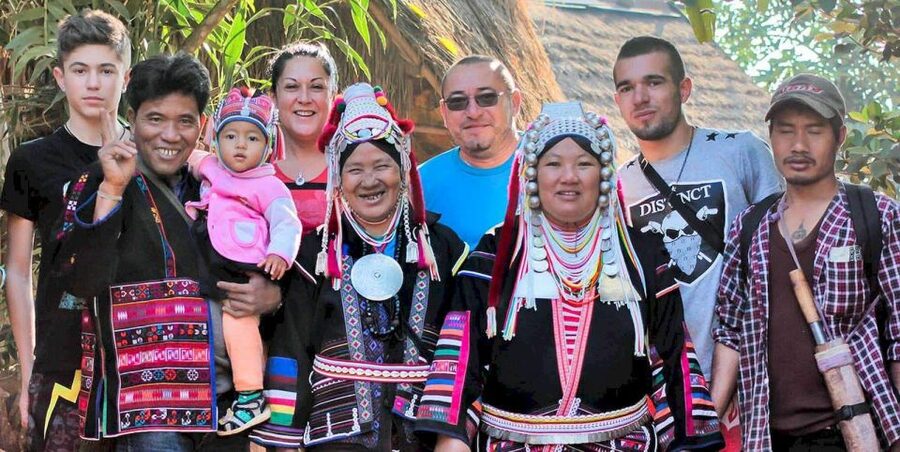
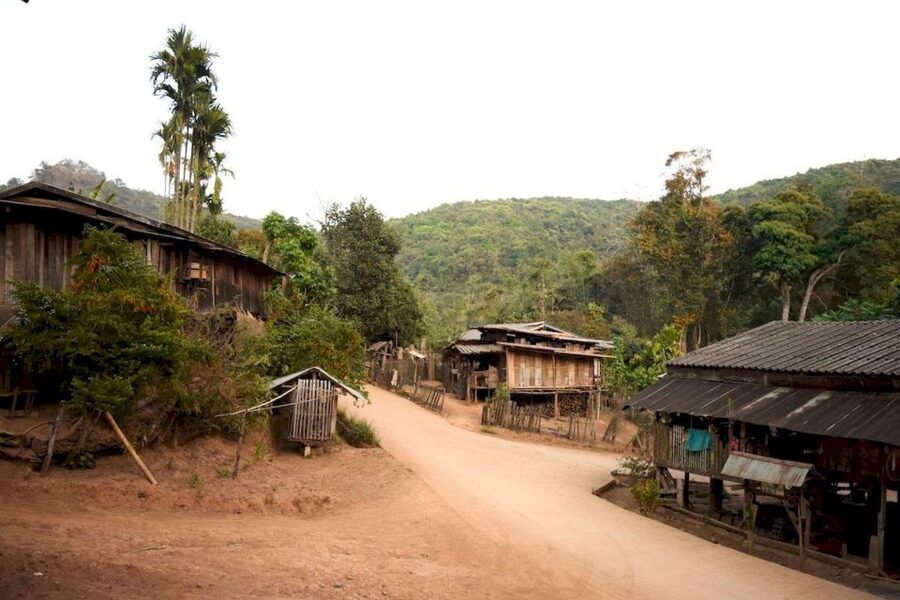
The biggest value here is the Akha village component. This isn’t presented as a polished “show.” It’s a working village environment where you’ll meet people, see how life works day to day, and learn customs and plant knowledge from your guide.
That “warm hospitality and cheerful greetings” is part of why this tour gets strong ratings. It’s less about performance and more about relationship—especially when your guide explains what you’re seeing instead of rushing you along.
How to do it right:
- Be calm and slow in your movements when you’re in village spaces.
- Ask questions through your guide instead of pointing at everything.
- Keep your tone respectful. In small communities, your energy lands quickly.
Also, the village setting means you’re not getting a postcard viewpoint every five minutes. The payoff is in the people and the lived-in setting, not in endless dramatic vistas.
Trekking Through Bamboo Jungle, Rice Fields, and Pineapple Plantations
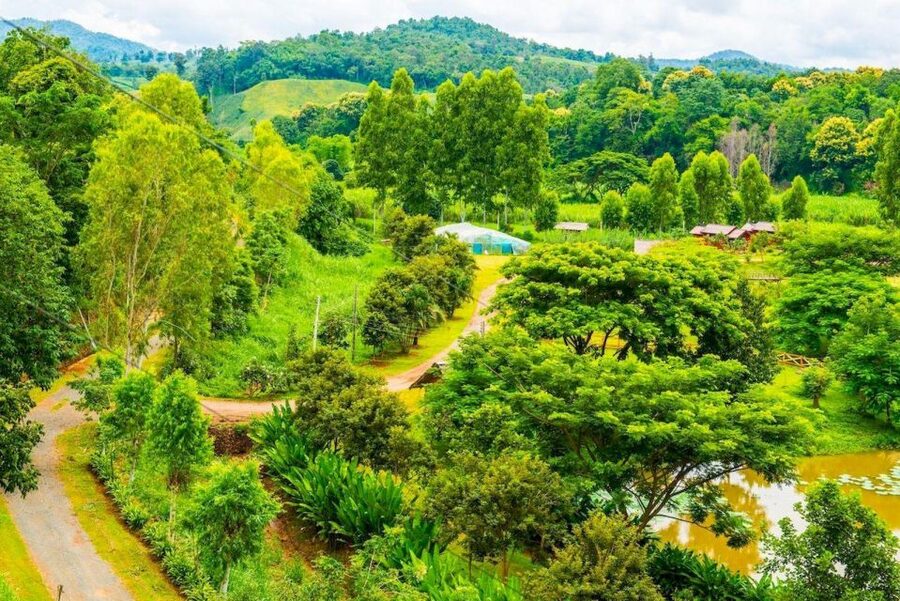
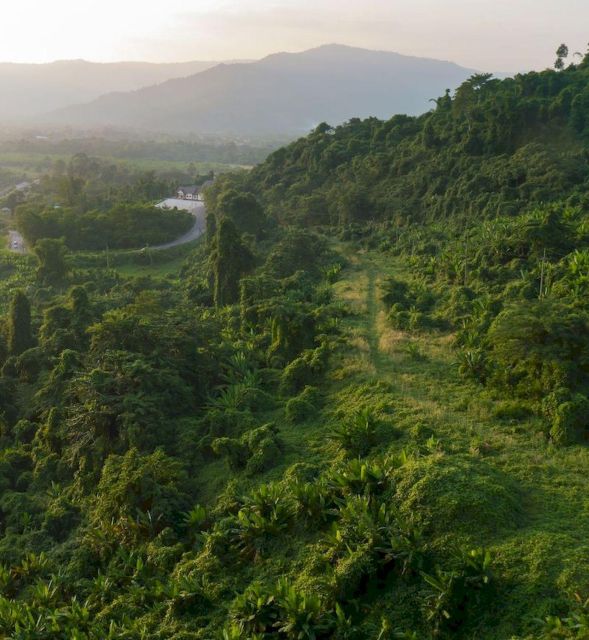
The walking itself is the backbone of the experience. You’ll trek through lush jungle areas and you may spend time in bamboo forest, which is a big part of why this tour centers on bamboo cooking.
One of the more practical things you’ll notice: the trail mixes shade and open areas. That changes how hot it feels, and it affects your energy. Plan for the day to run on your feet more than on big scenic stops.
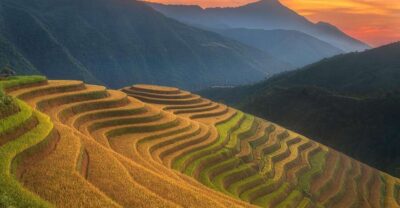
You’ll also pass surrounding farmland—rice fields and pineapple plantations. This is useful context. A lot of visitors think of hill tribes only in terms of forests, but the day shows you how farming and daily subsistence sit right alongside trekking routes.
What to watch:
- Some sections are described as challenging. If you’re not used to uneven ground, take your pace slow.
- You’ll likely want to keep your hands free for balance on steeper bits.
Mae Sai Waterfall Time and the Swim-Worth-It Moment
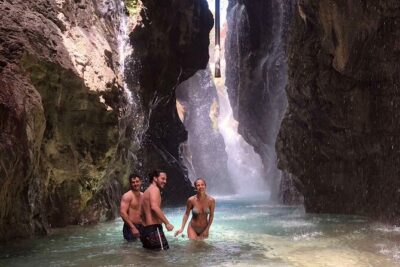
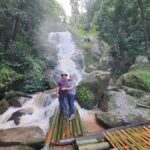
There’s waterfall time built into the day, and one specific spot that comes up is Mae Sai waterfall. If you’re in the mood to cool off, bring swimwear—people do exactly that during this tour.
This is the kind of stop that can either feel like a quick splash or like a genuine reset, depending on your headspace. If you time it right, it’s a welcome break from trekking effort and heat.
Two reality checks:
- Waterfalls mean slippery rocks and uneven footing. Treat it like a nature spot, not a man-made swimming pool.
- If you don’t want to swim, you can still enjoy the pause and photo angles, just stay aware of where you step.
Bamboo Cooking Lunch: The Meal That Makes the Day Worth It
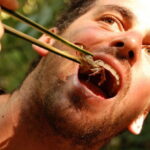
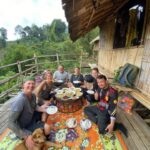
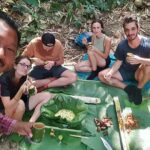
If you only remember one thing about this tour, make it the lunch. The plan is bamboo meals cooked for you using bamboo sticks, and this is the moment where the whole day clicks.
A real standout in trip experiences is how guides explain bamboo’s everyday usefulness. You’ll often hear that bamboo isn’t just a quirky Thailand detail. It’s a plant that supports daily life in practical ways—food prep included.
From the experiences shared, lunch isn’t treated like a rushed snack. It’s a sit-down break where your guide can connect what you’re eating to what you’ve been walking through. People also mention the lunch as delicious and unique, which matters because a lot of one-day tours end with bland, forgettable food.
Also, your morning includes coffee and tea, plus water during the day. That small comfort is a nice balance to the more rustic parts of the trek.

The Lahu Village Stop and the Handmade-Pouch Moment
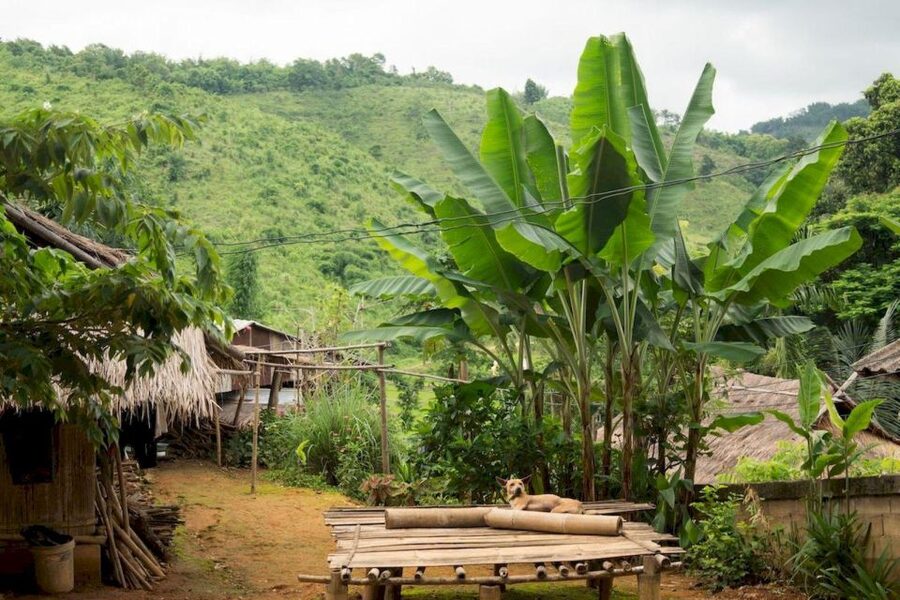
After your Akha-side walking and meals, you’ll visit a neighboring village associated with the Lahu hill tribe.
This part adds variety, and it gives you a clearer sense of how different communities can share the same mountainous region while having their own customs. Your guide can help explain what you’re seeing so it doesn’t turn into a random walk-and-point situation.
One consideration: there can be a moment where a local welcomes you and you may feel a gentle pressure to buy something handmade—like a pouch. It’s not guaranteed, but it shows up as a small negative in at least one account. If you hate shopping moments, go in calmly. You can simply look, smile, and decide later. If you do buy, treat it as a choice, not a requirement.
Price and Value: Is $87 for a 1-Day Trek Fair?
At $87 per person, this isn’t a “cheapest possible” option, but it also isn’t priced like a luxury lodge day. The value comes from what you actually get:
- Private trekking with a guide who explains local life and plants
- A full day experience that combines Akha + Lahu village time, farming areas, and jungle walking
- Lunch cooked in bamboo (and that’s not just a novelty photo)
- Included drinks: morning coffee/tea and water during the day
Think of it like this: you’re paying for human time and local expertise, not just transport. A one-day trek gets expensive fast when it includes guides, meals, and access to village spaces. Here, the structure is tight enough that you’re not paying for half-day filler.
Where you should budget carefully: temple entrance fees are not included. If you’re tight on cash, add a little buffer so you don’t end up scrambling.
Practical Tips That Make This Trek Easier on Your Body
This trip is very doable for many people, but the details matter. Here’s what I’d plan for before you go.
Shoes: Bring solid hiking shoes. Some sections are described as challenging, and your footing matters on jungle trails. Sandals won’t cut it unless you like sprains.
Clothing: Expect humidity and lots of outdoor movement. Dress in breathable layers you can handle if you get warm on uphill bits.
Water + timing: Water is included, but don’t treat that as a reason to ignore thirst. Keep sipping and pace yourself.
Swim option: If you want that Mae Sai waterfall cool-down, pack swimwear. A quick change can also save you from feeling chilled after.
Temple stop mindset: Temple entrance isn’t included, so you’re better off arriving with small bills or extra spending flexibility if you care about seeing everything.
Finally, go in with the right goal. This isn’t a “collect stamps” tour. It’s about learning and sharing time with a mountain community, with bamboo cooking and nature as the bridge.
Who This Akha & Lahu Trek Fits Best
This experience fits best if you:
- Have only one day in Chiang Rai and want more than the standard day-trip loop
- Like walking outdoors but also enjoy conversation and learning
- Care about seeing how people live, including farming areas and jungle-based knowledge
- Appreciate a guided day that connects culture to the landscape you’re actually walking through
It may be less satisfying if you:
- Want a mostly flat, easy stroll
- Expect big valley viewpoints all day (some scenery isn’t as panoramic as people hope)
- Strongly dislike any shopping moments during village visits
Should You Book This Trek?
I’d book it if you want a real hill-tribe experience in one day with bamboo cooking as the centerpiece. The best part is that the day is built around people, plants, and daily life—plus you get waterfall time and a meal you can’t easily replicate on your own.
Skip it or adjust expectations if you’re chasing constant dramatic viewpoints. Even with beautiful jungle walking, you should think of the experience as cultural and practical, not purely scenic.
If you do book, your best move is simple: wear good shoes, bring swimwear if you want the waterfall break, and keep your focus on learning and respectful interaction. That’s where the $87 turns into more than a checkbox day.
FAQ
What tribes do I visit on this 1-day trek?
You’ll discover the Akha hill tribe during the village trekking, and you’ll also visit a neighboring Lahu village.
Is lunch included?
Yes. Lunch is included and it’s served as bamboo meals. Coffee and tea are also included in the morning.
Do I need to pay anything at a temple?
Temple entrance is not included, so you should expect an extra cost if the temple stop is part of your route that day.
How hard is the trekking?
Some sections are described as challenging, so bring good walking shoes and be ready for uneven outdoor paths.
Can I swim at the waterfall?
If you want to cool off at the Mae Sai waterfall, you should bring swimwear. The option depends on conditions and your comfort.
What languages are offered?
The tour provides guidance in English and Thai.
Is there a refund if I cancel?
Cancellation is allowed up to 24 hours in advance for a full refund, based on the tour’s stated policy.