REVIEW · CHIANG RAI
Chiang Rai Trek: 4 Hilltribes Villages & Waterfall Only Walk
Book on GetYourGuide →Operated by LocalCNXTours · Bookable on GetYourGuide
A jungle hike that ends in a soak. I like the way the route links four hilltribe villages—Lisu, Chinese, Akha, and Lahu—with a real sense of everyday life, and I also love the bamboo hut cooking over firewood plus the chance to swim at Huay Kaew Waterfall (Chiang Rai’s second largest waterfall). One thing to plan for: this is not a flat stroll; you’ll be doing a solid uphill hike with about 10 km of walking.
The day runs from Chiang Rai and back to Chiang Rai, with hotel pickup by car to the Lam Nam Kok National Park area. Expect small-group energy, an English-speaking guide, lunch included, and a long loop that finishes with a mineral hot spring bath before returning you to your hotel.
In This Review
- Key things I’d circle before you go
- Entering The Hill Forest: What This Trek Is Like
- Pickup, Pace, and the Real Walk Time
- Lisu Village and the Bamboo Hut Lunch You Can Smell
- Chinese Village, Tea Plantation Time, and Local Farms
- Huay Kaew Waterfall: Swim, Cool Down, Repeat
- Akha and Lahu Village Walks: Farming, Views, and Community Pace
- The Mineral Hot Spring Bath at the End
- Guide and Small-Group Feel: How the Day Stays Personal
- Price and Value: Is $82 a Fair Deal?
- What to Bring (So the Day Feels Easy)
- Who This Tour Suits Best (and Who Should Skip)
- Final Decision: Should You Book This Chiang Rai Trek?
- FAQ
- How long is the walking time?
- Where does the tour start and end?
- What’s included in the $82 per person price?
- Is lunch provided, and how is it prepared?
- Do I need swimwear and a change of clothes?
- What should I bring besides swimwear?
- Is this tour suitable for children or older adults?
- Are pets and alcohol allowed?
- What is the cancellation policy?
Key things I’d circle before you go
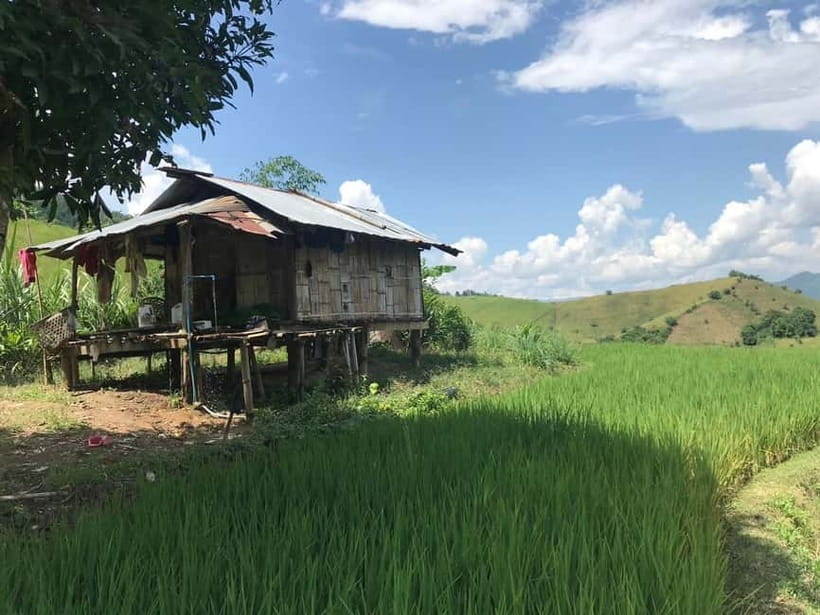
- Four hilltribe villages on foot: Lisu, Chinese, Akha, and Lahu communities in the Chiang Rai area
- Bamboo hut lunch cooked the old way: traditional kitchen, cooked with firewood (no LPG)
- Huay Kaew Waterfall swim time at Chiang Rai’s second largest waterfall
- Tea plantation visit in the Chinese village area, plus time moving through local farmland
- Hot spring mineral soak after the hike, so your legs get a real breather
Entering The Hill Forest: What This Trek Is Like
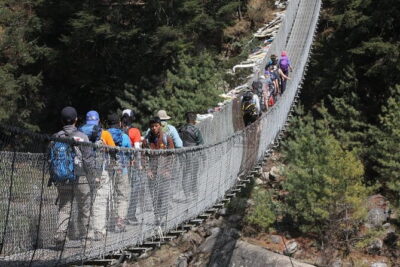
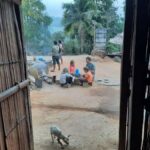
This trek is built for people who want Thailand that feels lived-in, not staged. You spend most of the day walking through forest paths and farming areas, with stops that connect you to hilltribe village life and local food culture.
What makes this one special is the rhythm. You’re not just hopping between viewpoints—you’re walking long enough to feel the change in scenery: bamboo forest, village paths, tea-growing land, then waterfall time, and finally the hot spring to close it out.
You can also read our reviews of more tours and experiences in Chiang Rai.
Pickup, Pace, and the Real Walk Time
You start in Chiang Rai and ride by car to the trekking area around Lam Nam Kok National Park. Then you begin walking from the hot spring area through forest and bamboo, with the day continuing village-to-village before ending back at Chiang Rai.
The total walking time is about 5 hours, but plan for a full day overall. One of the key practical notes is that the hike includes steep uphill sections and no flat, easy walking the whole way, so comfortable shoes matter. If you’re used to daily city walking, you’ll probably be okay; if you rarely walk longer distances, give yourself time to adjust.
Lisu Village and the Bamboo Hut Lunch You Can Smell
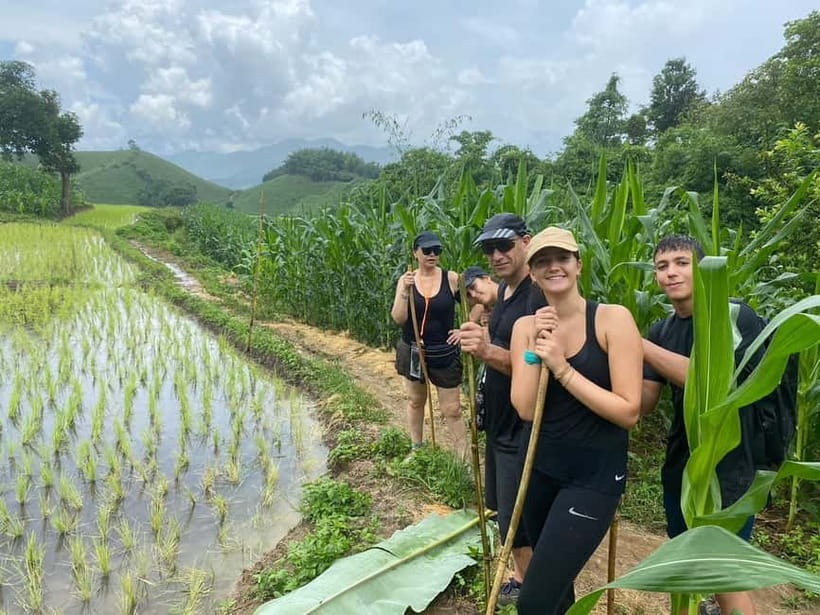
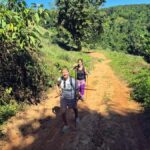
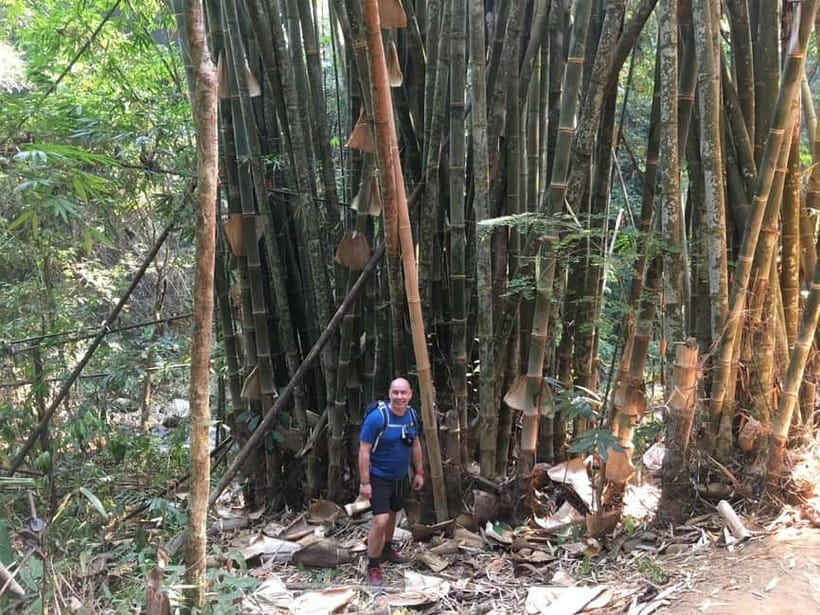
The morning starts with the walk through the forest and bamboo stretch toward the Lisu village. This is where you get the feeling of being in the mountains: cooler air under trees, dirt paths underfoot, and the kind of quiet that makes you notice plants and small details more than you would on a bus tour.
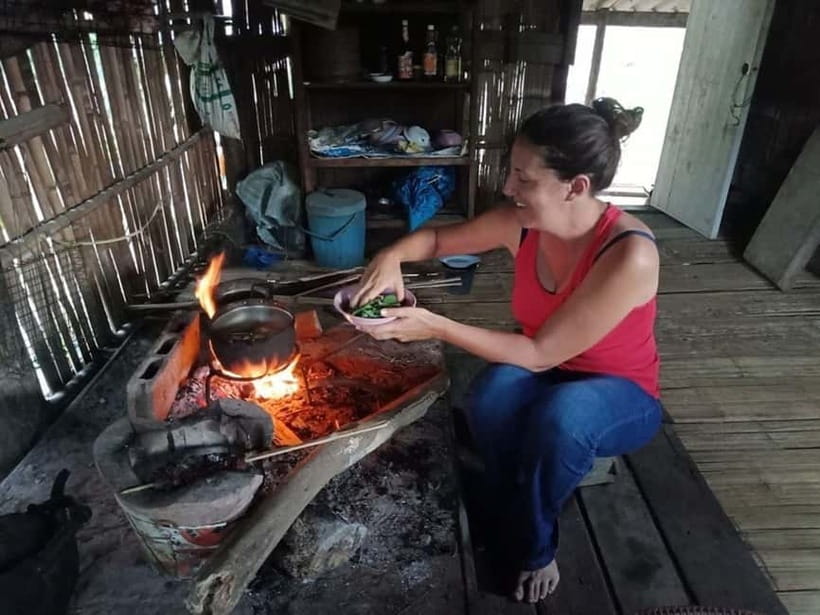
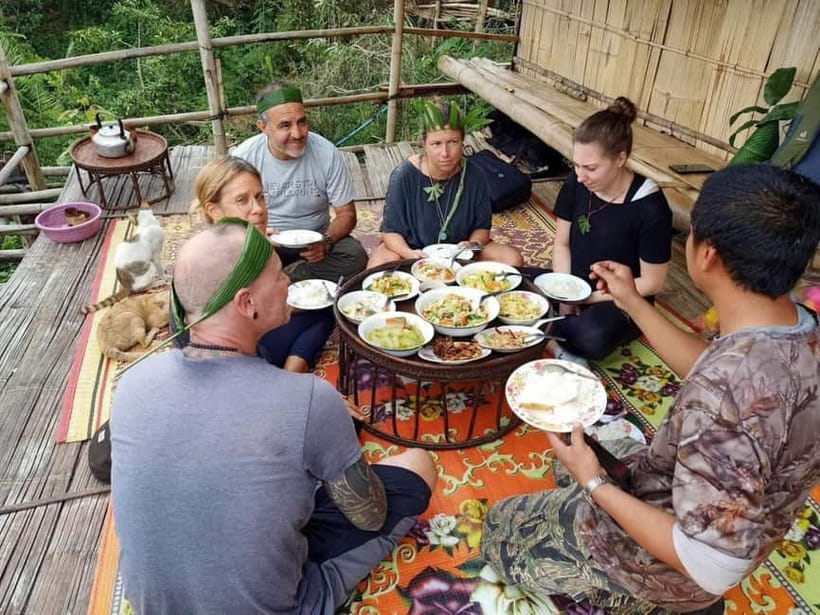
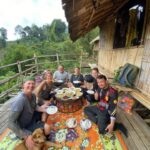
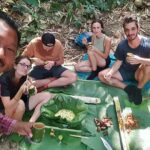
Then comes the part I think you’ll remember: bamboo hut cooking in a traditional kitchen. Lunch is prepared in a bamboo hut, using firewood rather than LPG. That means you see how heat, tools, and ingredients work together in a simple setting.
This stop isn’t only about eating. It’s about understanding daily rhythm—how meals are made, how locals use the kitchen space, and how guides explain what you’re seeing. If you enjoy hands-on moments, you’ll likely feel more connected here than at a quick photo stop.
Chinese Village, Tea Plantation Time, and Local Farms
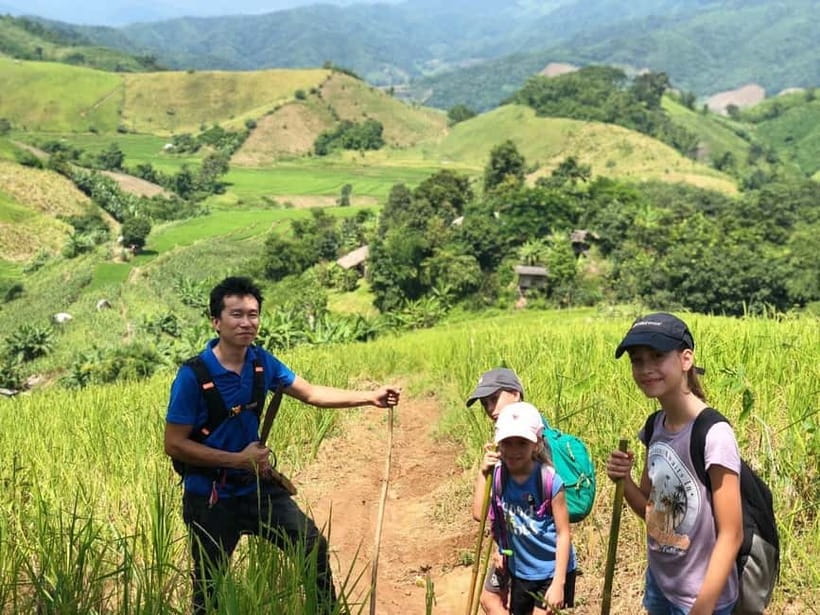
After lunch, the route continues to the Chinese village area. The highlight here is the tea plantation visit, where you walk through tea-growing land and get context for how people work and live around their crops.
From there, you keep moving through farmland scenery linked to the hilltribes on this walk. You’ll pass through areas tied to local agriculture, and you may get chances to try different fruits and leaves your guide points out along the way. It’s a good way to learn by doing, even if you’re not the type who likes long explanations.
Practical tip: keep your water handy. Even though drinking water is included, you’ll still want to sip regularly during uphill and warmer stretches.
Huay Kaew Waterfall: Swim, Cool Down, Repeat
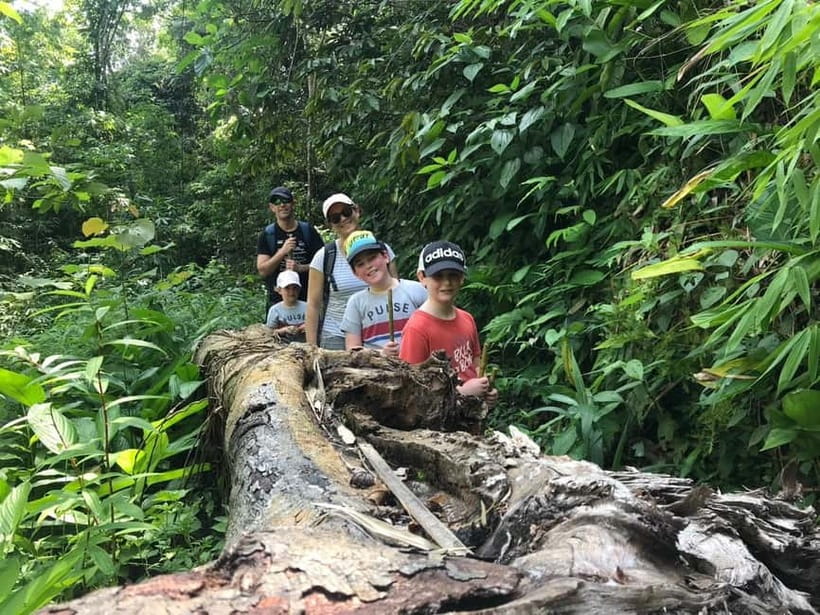
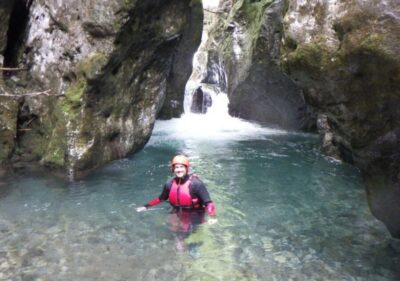
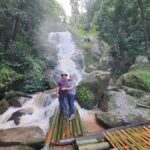
Huay Kaew Waterfall is the big mid-day payoff. It’s described as the second largest waterfall in Chiang Rai, and you walk to it and get time to enjoy a swim.
This is where the day stops feeling like effort and starts feeling like reward. You’ll want to have your swimwear accessible, because once you’re there it’s easier to enjoy the water than to scramble around for supplies.
What to consider:
- The hike to the waterfall takes energy, so plan on a proper cooldown.
- Bring a change of clothes if you don’t want to sit damp during the rest of the walk.
- If you’re unsure about swimming, you can still use it as a break spot to rest and refresh.

Akha and Lahu Village Walks: Farming, Views, and Community Pace
After the waterfall, the trail continues to the Akha village area and then on toward the Lahu hilltribe village. This portion leans into farmland scenery and slower, steadier walking—enough time to look around and notice how paths connect homes, fields, and forest edges.
One of the best parts of this late-day section is that you’re not stuck indoors with a single viewpoint. You’re moving through the countryside, so the “story” of the day keeps evolving: tea earlier, waterfall middle, then village and farming landscapes later.
The guides also tend to connect these places with what’s useful in daily life—plants, herbs, and practical knowledge tied to local living. Even if you don’t become a plant expert overnight, you’ll leave with a better sense of how guides read the land.
The Mineral Hot Spring Bath at the End
After you finish the village and farmland walk segments, you return toward the hot spring area for a mineral hot bath. This final stop is a smart piece of planning. Long walks in the Chiang Rai heat—or in humid conditions—can wear your feet out, and hot water helps you reset before heading back to your hotel.
If you remember one packing item besides shoes, make it your quick-dry plan: change of clothes ready to go, and something simple to keep yourself comfortable afterward.
Guide and Small-Group Feel: How the Day Stays Personal
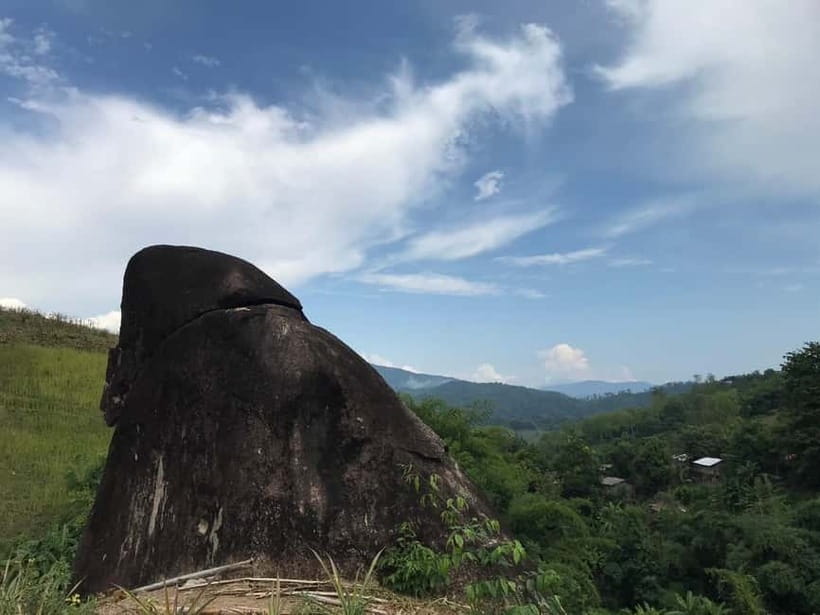
This is an English-language tour with a small group, so you’re not just listening to a script while everyone streams past the same stops. A major part of why the experience lands well is the guide’s focus on nature and village life, including plant and everyday culture explanations.
From the way this tour is described and how guides operate in this style, you can expect a respectful tone toward the communities you visit. Also, the guide’s attention tends to be practical—how to move on uneven ground, when to pause, and how to handle the day’s changing settings (bamboo forest, fields, waterfall).
If you’re the kind of traveler who likes asking questions and getting real answers, this setup is usually a good fit.
Price and Value: Is $82 a Fair Deal?
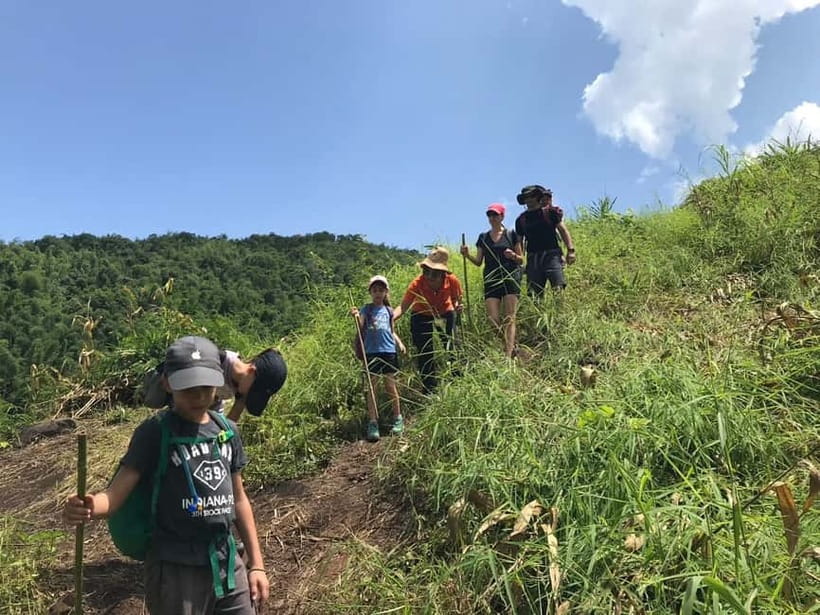
The price is $82 per person, and for a full day that includes transport, an English-speaking guide, lunch, drinking water, and travel insurance, the value is fairly strong—especially compared with tours that charge similar money but only give you a couple of stops.
Here’s what you’re paying for:
- Transportation from Chiang Rai to the trekking area and back
- A guide for the whole walking experience
- Lunch prepared in a traditional way in the bamboo hut
- Drinking water
- Travel insurance
The real question isn’t whether it’s cheap. It’s whether you want an active day that mixes village visits, cooking, tea land, waterfall swim time, and a mineral hot spring bath. If that sounds like your kind of itinerary, $82 starts to feel reasonable fast.
If you only want a short walk or you hate getting your clothes wet, you’ll feel better looking for a different style of tour.
What to Bring (So the Day Feels Easy)
You’ll have a much better time with the right basics ready at the start:
- Hat
- Swimwear
- Change of clothes
- Water (even with drinking water provided, having your own bottle helps)
- Insect repellent
Also consider comfortable footwear with grip. The hike includes steep uphill and uneven paths, and you’ll want stable shoes so the day stays enjoyable instead of stressful.
Who This Tour Suits Best (and Who Should Skip)
This trek is best for people who like a moderate challenge and want a village-and-nature day with real movement. It’s also a solid match if you care about learning how people live—through cooking, farming land, and guided explanations.
It’s not suitable for:
- Children under 10 years
- Wheelchair users
- People over 70 years
If you’re traveling with mobility issues, you should probably skip this specific walk and choose something less hiking-heavy.
Final Decision: Should You Book This Chiang Rai Trek?
Book it if you want a full, active day that blends hilltribe village visits, hands-on bamboo hut lunch cooking, tea plantation scenery, a proper waterfall swim, and a mineral hot spring finish. You’ll get the most value if you’re comfortable walking for about 5 hours and you don’t mind uphill sections.
Skip it if you’re seeking an easy, flat nature outing, or if getting damp and then walking more afterward would ruin your mood. Also think twice if you fall into the age or mobility limits listed by the operator.
If you match the hiking style and want an authentic-feeling northern Thailand day, this one is a strong pick from Chiang Rai.
FAQ
How long is the walking time?
The total walk is around 5 hours. You should expect most of the day to be active, from pickup through trekking and the hot spring bath.
Where does the tour start and end?
The tour starts in Chiang Rai and ends back in Chiang Rai. You’ll be picked up by car from your hotel to the trekking area in the Lam Nam Kok National Park area.
What’s included in the $82 per person price?
It includes transportation, a tour guide, lunch, drinking water, and travel insurance.
Is lunch provided, and how is it prepared?
Lunch is included and cooked with the guide in a hilltribe bamboo hut traditional kitchen. Cooking is done with firewood and not with LPG.
Do I need swimwear and a change of clothes?
Yes, bringing swimwear and a change of clothes is recommended. The route includes a swim at Huay Kaew Waterfall, and you’ll also end with a hot spring bath.
What should I bring besides swimwear?
Bring a hat, water, and insect repellent. Comfortable clothing and footwear matter since the trail includes steep uphill sections.
Is this tour suitable for children or older adults?
It is not suitable for children under 10 years, not suitable for people over 70 years, and not suitable for wheelchair users.
Are pets and alcohol allowed?
Pets are not allowed. Alcohol and drugs are also not allowed during the tour.
What is the cancellation policy?
You can cancel up to 24 hours in advance for a full refund.