REVIEW · HANOI
From Hanoi: 1-day Sapa Trekking Tour With Overnight Bus
Book on GetYourGuide →Operated by MOC MIEN RESORT SERVICES COMPANY LIMITED · Bookable on GetYourGuide
Sapa hits you fast—rice terraces and village paths start before sunrise. I really like the guided route through Y Linh Ho and down into the Muong Hoa Valley, plus the way the pace keeps you moving without feeling rushed. I also like that you’re not stuck planning meals and timing yourself: you stop for breakfast before the trek and lunch at Ta Van. One thing to think about up front is the trade-off: this is a tightly packed plan with a lot of overnight transportation.
On the trail, you’ll spend real time hiking—about 6.5 miles (roughly 11 km) with a moderate-high fitness requirement. If weather turns foggy or muddy, that can mean slippery sections and longer trips for careful footing, like one guide named Sue did by staying close and managing the group on a slippery descent.
In This Review
- Key things I think you’ll care about
- Hanoi to Sapa by sleeper bus: the timing that makes this tour work
- Morning routine in Sapa: pickup, breakfast, and getting your shoes right
- Y Linh Ho and the Muong Hoa Valley: what the first hike section feels like
- Lao Chai village: stepping into Black H’mong countryside
- Ta Van and lunch at a local homestay: the best break in the middle of the hike
- The return to Sapa Town and the long ride back to Hanoi
- Price and value: is $52 worth it?
- What to bring for fog, mud, and steep steps
- Who this 1-day Sapa trek is best for (and who should skip it)
- Should you book this tour?
- FAQ
- What time does the sleeper bus leave Hanoi?
- What time do you arrive in Sapa?
- How long is the trek and how fit do you need to be?
- Who does the tour include, and what language is the guide?
- Is pickup included, and where do I meet the group?
- What’s included in the price, and what’s not?
Key things I think you’ll care about

- Overnight sleeper bus from Hanoi: you start the Sapa trek the next morning without losing a whole day.
- Y Linh Ho to Lao Chai to Ta Van route: you’ll pass through Black H’mong and other ethnic minority villages on foot.
- Muong Hoa Valley rice terraces: most of your best views happen as you walk the valley slopes.
- Homestay lunch in Ta Van: you eat locally during the middle of the trek, not after a long detour.
- Fog-and-mud reality: plan for rain gear and comfortable footwear, even in dry seasons.
Hanoi to Sapa by sleeper bus: the timing that makes this tour work

This tour is built around one goal: maximizing Sapa in one day. The clock starts the night before. You leave Hanoi at 9:30 PM on a sleeper bus, with pickup from either the Hanoi Old Quarter or the Hanoi Capsule Station area. If you’re staying in the Old Quarter, this is usually the easiest option. If you’re closer to the capsule station, you’ll meet the group near the lobby area (they ask you to arrive about 15 minutes early).
The bus ride is long, but that’s the point. You arrive in Sapa around 4:00 AM, get a break until the morning program starts, and then begin the hike after you freshen up. If you hate wasting mornings on logistics, this format saves you stress and costs less time than adding extra private transfers.
One practical note: the schedule moves fast after arrival. You’re not getting a full rest day in Sapa. You’re basically using the night bus to buy yourself trek hours the next morning.
You can also read our reviews of more tours and experiences in Hanoi.



Morning routine in Sapa: pickup, breakfast, and getting your shoes right
After arriving around 4:00 AM, you’ll have a bit of downtime until 6:00 AM, when the tour guide picks you up to your hotel so you can freshen up. Then the plan shifts into energy mode: breakfast and prep before you hit the trail.
You’ll start trekking between 8:00 and 8:30 AM, heading first toward Y Linh Ho. That early start matters. Even when skies are foggy, you’ll usually catch better trail conditions and clearer visibility later. Also, starting earlier helps you avoid feeling like you’re pushing through the heat or crowds, even though this is a smaller-group, guided style day.
If you’re thinking about what to wear, don’t overthink it—just don’t show up with soft “city” shoes. You’ll want comfortable hiking shoes and layers for cool mountain air, since Sapa can be foggy and damp depending on the season.
Y Linh Ho and the Muong Hoa Valley: what the first hike section feels like

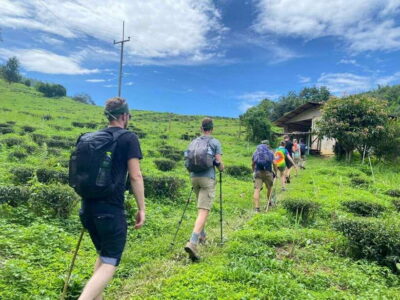
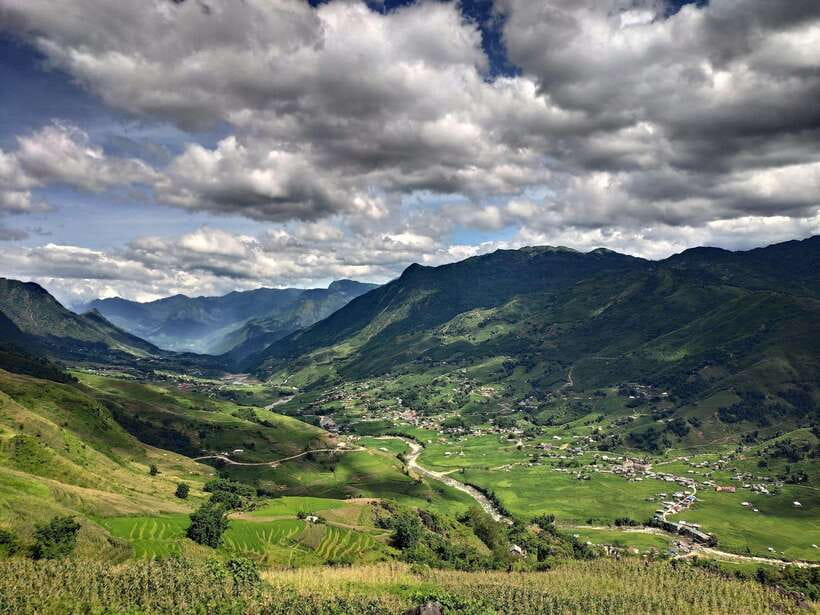
The first leg is where the tour turns from “travel day” into “Sapa day.” After Y Linh Ho, you’ll hike through the Muong Hoa Valley rice terraces. This is the part that most people remember: slopes cut by terrace lines, village paths that weave between fields, and mountains in the distance when visibility allows.
The route also helps you understand how people live here. You’re not just walking through scenery—you’re moving along paths that connect village life. As you go, you’ll pass through several tribal villages, including the Black H’mong community areas.
This portion is also where your fitness level shows. The tour lists it as a moderate-high hike, and the length backs it up: about 6.5 miles (11 km) total across the day. If you’re unsure, treat the trail like a “steady effort” day rather than a casual stroll. The reward comes from staying on pace and not sprinting the climbs.
Lao Chai village: stepping into Black H’mong countryside

As the trek continues, you’ll arrive in Lao Chai Village, a Black H’mong community. This is one of the most meaningful stops because it’s both a view stop and a culture stop. The guide leads you through the area while you’re still actively hiking, so it doesn’t feel like you’re standing around.
What I like about reaching Lao Chai on this route is that you see how terrace farming and hillside paths connect. When the ground is wet, the terraces can turn slick, which means good foot placement is more important than speed. If the weather is foggy, you may not get crisp “postcard” views, but the softer light can make the valley feel quieter and more atmospheric.
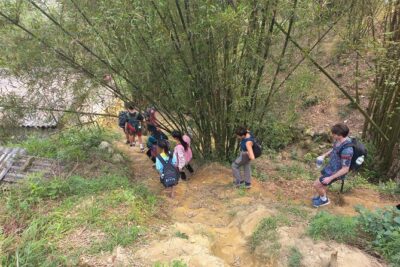
This is also where a good guide matters. One guide named Sue is specifically mentioned for keeping the group together on a slippery descent. That’s not a throwaway detail. In Sapa, one careful slip can turn a fun morning into a stressful afternoon.
Ta Van and lunch at a local homestay: the best break in the middle of the hike

Next comes Ta Van Village, where you’ll reach the village by around 12:30 PM. This timing works well because it keeps lunch from turning into a rushed stop. You’ll have about two hours here, with lunch at a local homestay.
Lunch is included, and it’s one of the practical wins of this tour. Instead of hunting for food in Sapa Town while you’re tired and wet, you eat where the trek flows. One recent experience notes the breakfast at Sapa Retreat had plenty of vegetarian options, which is a nice signal that meal planning is thoughtful.
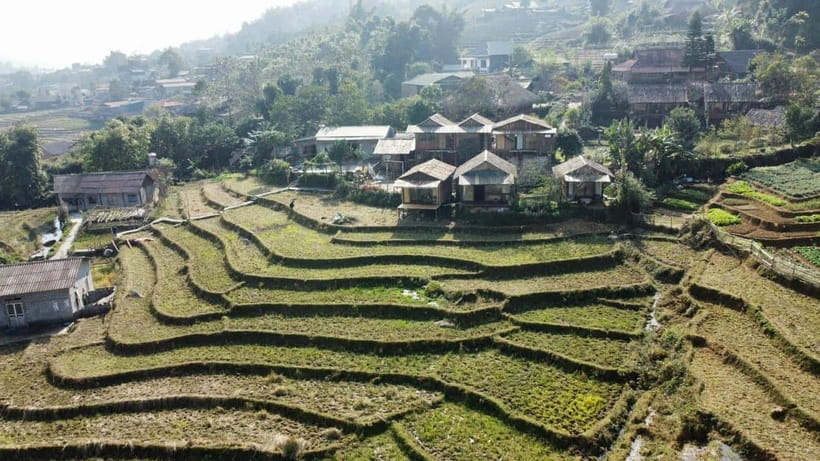
Ta Van is also a chance to observe the blend of communities in the area. Along the day’s route, the tour points out multiple ethnic minority groups, including Black H’mong, Dzao, and Dzay communities. You may not have time for a deep, museum-style explanation, but the guided walk gives you real context: these are living neighborhoods, not staged stops.
If you’re sensitive to stomach changes when you’re active, this is the part to slow down slightly after eating. The homestay lunch usually lands in the middle of the day’s rhythm, so hydrate afterward and don’t jump straight back onto uneven ground without a minute to reset.



The return to Sapa Town and the long ride back to Hanoi

After lunch, the schedule turns back to transport. You’ll return to Sapa Town between 2:00 and 2:30 PM, then board the sleeper bus back to Hanoi from 3:00 to 3:30 PM. You’ll arrive in Hanoi at 9:30 PM, disembarking around Đường Trần Quang Khải.
This is where expectations matter. Even though the hike is only part of the day, the tour is still “whole-day” in reality because the bus ride takes up so much time. One experience flagged that out of roughly 25 hours, the actual trekking was only around 3 hours, with significant time spent traveling and waiting.
My take: this trade-off is worth it if you genuinely have limited time in northern Vietnam. If you have a spare day, you might prefer a more relaxed plan that lets you sleep in Sapa instead of riding overnight. But if you’re trying to hit Sapa without adding another night in the mountains, this is one of the most time-efficient ways to do it.
Price and value: is $52 worth it?

At $52 per person, the value comes from what’s bundled, not just the headline cost. You’re paying for:
- Round-trip sleeper bus between Hanoi and Sapa
- Pickup in Hanoi Old Quarter / Capsule Station area
- A professional English-speaking guide
- Meals (breakfast and lunch)
- Scheduled sightseeing tickets
If you tried to replicate this on your own—securing a guide, transport, and timed meal stops—the total usually climbs fast. Here, the $52 works best if you’re the type of traveler who wants a clean plan and doesn’t want to negotiate every step.
Also, you’re not just buying a trek. You’re buying a full-day machine that runs on someone else’s schedule: meeting you, leading you through villages, feeding you, and moving you back to Hanoi at night.
What to bring for fog, mud, and steep steps
Sapa weather can change fast, and this tour’s success depends on being prepared. Your packing list is pretty clear, and I agree with it:
- Passport or ID card
- Comfortable shoes / hiking shoes
- Hat and sunscreen
- Water
- Rain gear
- Biodegradable insect repellent
Also, the tour asks you not to bring large luggage. That’s smart—less stuff means less hassle on and off the bus, especially when the morning scramble starts.
If you’re going in cooler or wetter months, treat “rain gear” as essential, not optional. Even when skies look calm, the ground can be muddy, and fog can reduce traction. Having shoes with grip can be the difference between enjoying the downhill and focusing on every step.
Who this 1-day Sapa trek is best for (and who should skip it)
This is ideal for you if:
- You have limited time in northern Vietnam and still want a real trek through rice terraces and villages.
- You like guided walking with built-in meals and a clear schedule.
- You’re okay with a tough day that includes a lot of bus time.
It’s not a fit if:
- You’re bringing kids under 10
- You’re pregnant
- You need wheelchair access
- You’re over 95
The moderate-high fitness level matters too. Even if you’re a regular walker, this isn’t a flat trail. You’ll cover about 11 km over the day and spend enough time on uneven paths that stamina and footwear are non-negotiable.
Should you book this tour?
If you’re short on time in Vietnam and want Sapa without spending an extra night there, I think this one makes sense. The guided route through Y Linh Ho, Lao Chai, and Ta Van, plus meals and transport, is exactly the kind of “pay once, enjoy the walk” plan that helps you actually experience the place instead of managing logistics.
But if you’re the type who hates long transfers, be honest with yourself. Between the overnight bus, the early start, and the ride back the same day, this tour is intense. In that case, consider a version with more Sapa time—or at least check whether you’re truly comfortable hiking and then sitting on a bus for hours.
FAQ
What time does the sleeper bus leave Hanoi?
The bus departs Hanoi at 9:30 PM.
What time do you arrive in Sapa?
You arrive in Sapa around 4:00 AM.
How long is the trek and how fit do you need to be?
You’ll hike about 6.5 miles (around 11 km). It requires a moderate-high level of fitness.
Who does the tour include, and what language is the guide?
The tour includes a professional English-speaking guide.
Is pickup included, and where do I meet the group?
Pickup is included from Hanoi Old Quarter and/or the Hanoi Capsule Station Hostel area. You should wait in the Hanoi Capsule Station lobby starting 15 minutes prior to your scheduled pickup time.
What’s included in the price, and what’s not?
Included: pickup in Hanoi Old Quarter, round-trip sleeper bus, English-speaking guide, meals, and scheduled sightseeing tickets. Not included: insurance, coffee/soft drinks, and personal expenses.
If you tell me what month you’re going and your hiking comfort level, I can help you decide if this pace will feel fun or punishing.