REVIEW · SAPA
Sapa trekking 2 days small group
Book on Viator →Operated by Saparis Horizon Travel · Bookable on Viator
On a Sapa trek, the villages feel close fast. This 2-day small-group Sapa trek with homestay is built around Muong Hoa valley walking and a night in a local home with real day-to-day life. You’ll get guided time in places like Y Linh Ho, Lao Chai, and Ta Van, plus a second day continuing toward the Red Dao area.
What I like most is the homestay night, because it’s not just a photo stop. You share the home rhythm, eat with your hosts, and get a chance to chat after trekking when everyone’s tired and curious in the best way. I also really value the small group size (max 15), which makes it easier to move at a human pace and ask questions without feeling rushed.
One drawback to consider: this is trekking. Even though it says most travelers can participate, you should expect a solid walking day with uphill sections, and your comfort will depend on your shoes and stamina. The day 1 end time is later than many half-day tours, so plan for an early start and a relaxed second day.
In This Review
- Key Things I’d Prioritize Before You Go
- Two Days in Sapa: Why This Style of Trek Works
- Pickup, Timing, and Group Size (How the Trek Feels Day to Day)
- Day 1: From Sapa to Y Linh Ho and Lao Chai
- The lunch moment in Lao Chai is part of the experience
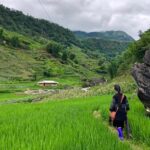
- Ta Van Rice Terraces and Village Time That Doesn’t Feel Rushed
- Homestay Night: What You Gain Beyond the View
- Day 2: High Views from Ta Van to Giang Ta Chai (Red Dao)
- Finishing Near Su Pan: The Practical Way Back to Sapa
- Price Check: Does $80 Make Sense Here?
- Who This Trek Fits Best (And Who Might Want a Different Option)
- Travel Tips That Make This Tour Feel Easier
- Should You Book This Sapa Trek 2 Days Homestay?
- FAQ
- What’s included in the price?
- Is pickup included?
- How long is the trek overall?
- How big is the group?
- How does day 1 end?
- Is cancellation free?
- Is this tour suitable for most people?
Key Things I’d Prioritize Before You Go
- A homestay night with shared meals means you’re part of the day, not just passing through.
- Max 15 people keeps the trek feeling personal and easier to manage on narrow paths.
- Muong Hoa valley walking connects multiple villages without making it feel like a nonstop bus tour.
- Guide-led village learning includes H’mong and other ethnic community perspectives, guided by people like Lily/Lulu.
- Meals and water are included (including dinner, breakfast, two lunches, and 1.5L water/day), which makes the $80 price feel more realistic.
Two Days in Sapa: Why This Style of Trek Works
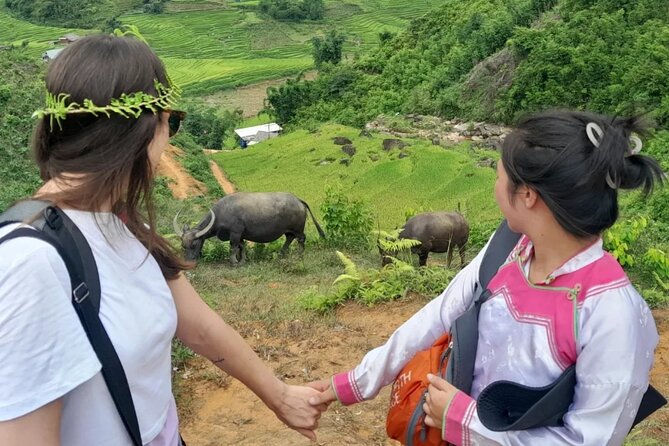
Sapa works best when you slow down. This tour is timed so you’re not just collecting viewpoints; you’re walking through the Muong Hoa valley area, meeting communities along the way, and then finishing each day back with people who live there.
The second big reason this works is the overnight plan. Day 1 ends when you reach a local homestay in Ta Van, and you stay one night. That matters because your experience isn’t limited to daylight trekking. You get a evening moment to talk, unwind, and see how village life changes after the walking starts to feel heavy.
Finally, I like that it keeps things structured but not chaotic. The pickup is in the morning from Sapa town, the trekking connects village to village, and then a car meets you at the end on day 2 near Su Pan village. It’s a practical rhythm for people who want authenticity without spending hours on logistics.
Pickup, Timing, and Group Size (How the Trek Feels Day to Day)
The tour starts with a pickup in Sapa town between 08:00 and 08:30. That early start helps you get onto the trail while you still feel fresh, and it also means day 1 can include several village stops without dragging into the evening too late.
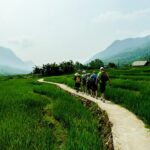
It runs as a small group, capped at 15 travelers. In practice, that usually means better pacing and fewer bottlenecks on paths. If you’ve ever been stuck behind a crowd on a narrow trail, you’ll appreciate why this matters.
On the ground, day 1 has a full block of trekking and then settles into homestay time. Day 2 starts after breakfast in Ta Van, continues with a hike toward Giang Ta Chai (Red Dao area), and then wraps up around 14:30 when the group meets the main road near Su Pan for the ride back toward Sapa town.
Day 1: From Sapa to Y Linh Ho and Lao Chai
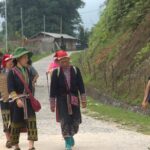
Day 1 begins with a guided start in Sapa town and then moves into the walking toward Muong Hoa valley. Your first village stop is Y Linh Ho, home to the Black H’mong community. This is a great place to begin because you’re still warming up, both physically and mentally, and your guide can set the tone for what you’ll notice along the way.
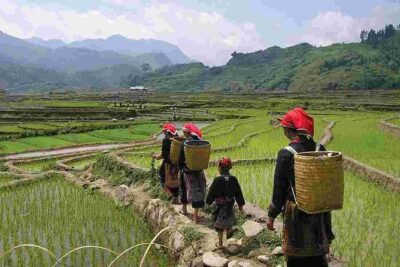
You’ll then continue on to Lao Chai, also described as a Black H’mong village. This stretch is short enough that you’re still focused, but long enough to feel the change from one village rhythm to another. You’ll also cross into the Muong Hoa valley area, which helps explain why so many routes in Sapa connect these specific places.
What I appreciate here is the balance between walking and learning. It’s not just a trek with random stops. You spend time in each village area so you can actually look at daily life and ask questions.
The lunch moment in Lao Chai is part of the experience
Lunch is included and happens in Lao Chai, near the river, at around 12:00–12:30. It’s local food, served at a restaurant in the village area, and you also get the option mentioned to do a picnic lunch uphill to enjoy the countryside feel.
That flexibility is nice. Some days you want a proper sit-down meal. Other days you want to stay on the move and see more. Either way, lunch breaks up the trekking so you don’t lose the day to fatigue.
Ta Van Rice Terraces and Village Time That Doesn’t Feel Rushed
After lunch, you walk toward Ta Van and the rice terrace area, with time to interact with the Giáy people. Your day 1 Ta Van portion starts around 13:30–14:00, and the total walking to Ta Van is about 3 hours.
This part of the trek is often where the day starts to feel real. The paths can be uneven, and you’re working your way through the terrace and village landscape you came for. I suggest you take the time to slow down and look back sometimes. It helps you understand the valley shape, and it makes the walking feel less like effort and more like moving through a living area.
You reach your homestay around 15:30. That timing is important: you’re not sprinting to make a deadline. Once you arrive, you can relax, settle in, and then have time to talk with the hosts and guide.
Homestay Night: What You Gain Beyond the View
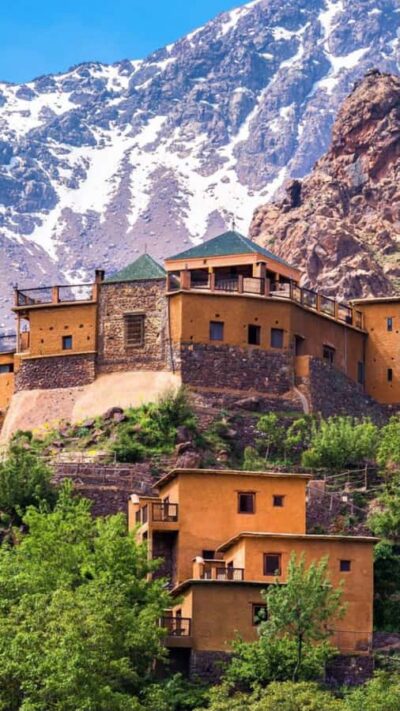
The homestay here is the centerpiece on day 1. Dinner is included, and you stay 1 night in a local house in Ta Van. The point isn’t luxury; the point is closeness—sharing a home and learning how people live when the tour buses disappear.
One of the best clues about what this feels like is the way guides are described. Several experiences mention a guide named Lily (also shown as Lulu) as very professional, careful, and fun, with a lot of answering of questions. That kind of guide support matters on homestays, because you’ll want context for what you’re seeing and eating.
The evening “talk together” time is also meaningful. Trek days can make you quiet and tired, but sitting down with people from the village gives the trip a human ending, not just a checkmark at the end of a hike.
Day 2: High Views from Ta Van to Giang Ta Chai (Red Dao)
Day 2 starts with breakfast in Ta Van, around 08:30–09:00. Then you follow the local trail to get views over Muong Hoa valley from higher ground. That first stretch is about 3 hours and leads you toward Giang Ta Chai, a village associated with the Red Dzao people.
This is a good day to remember your hydration. The tour includes water 1.5L per day, which is helpful on trekking days when you don’t want to manage extra logistics. Still, you’ll feel better if you drink steadily rather than saving it all for later.
At 12:00, lunch happens at a local home in the Giang Ta Chai area, again with local food included. After lunch, you continue walking around the village area, including time described as going up the hill, then you finish the day on the main road near Su Pan. Pickup back toward your accommodation is arranged after 14:30.
Finishing Near Su Pan: The Practical Way Back to Sapa
Ending near Su Pan village is a practical decision. You avoid the “one more hour to the car” feeling that can happen on some treks. The car meets you on the main road, and the ride returns you to your accommodation in Sapa town.
This also helps you plan your afternoon. If you’ve booked this right, you’ll have enough time to shower, change, and still enjoy Sapa without feeling wrecked.
Price Check: Does $80 Make Sense Here?
At $80 per person for 2 days, the value depends on what’s included—and this one includes a lot that reduces your out-of-pocket costs.
Included items cover:
- Accommodation for 1 night in a local homestay
- Dinner and breakfast
- Lunch (2) across the two days
- Water (1.5L/day)
When you price those items separately, the trekking fee looks less like “just a guide” and more like the package cost of the whole experience: walking time, village contact, meals, and the overnight stay.
It also helps that the group size stays small (max 15). You’re not paying for a huge herd moving through villages. You’re paying for a guided route where the day 1 homestay is actually part of the trip, not an optional add-on.
My advice: if you like real village contact and you don’t want to assemble meals and overnight arrangements yourself, this is reasonably priced. If you only want views and you dislike trekking, you might find it feels like more effort than you hoped.
Who This Trek Fits Best (And Who Might Want a Different Option)
This is a smart pick if you:
- Want two real days rather than a quick day trip
- Enjoy guided village interaction and want context while you walk
- Like the idea of a homestay where you eat and talk with hosts
- Prefer a small group and a guide who can answer questions
It may be less ideal if you:
- Have limited walking tolerance or want a mostly flat route
- Expect hotel-style comfort at the overnight stay (this is a local home)
- Want a very short excursion with minimal schedule pressure
Also, bring a simple realistic attitude. Trek days go better when you treat them as time outdoors with people, not as a strict athletic event.
Travel Tips That Make This Tour Feel Easier
A few practical things make your experience smoother, even though the tour handles a lot for you.
- Wear proper trekking shoes. Day 1 includes multiple village stretches, and some paths can be uneven.
- Plan for a long day on day 1. You start in Sapa town and don’t finish until you’re settled into Ta Van.
- Keep some cash and small tips handy. Tips aren’t included, and you’ll likely want to reward your guide and host family if the experience clicks.
- Bring a light rain layer or warm layer. Sapa weather can change fast, and trekking comfort matters.
Finally, let your guide lead the pace and the questions. A careful guide like Lily/Lulu can help you notice details you’d miss on your own.
Should You Book This Sapa Trek 2 Days Homestay?
I’d book it if you want Sapa the human way: village stops, a real overnight with local hosts, and a guided route that’s not too big. The included meals, water, and accommodation help justify the $80 price, and the small group size is a real quality signal.
I’d think twice if you’re chasing only dramatic viewpoints or you dislike physical walking. This is a trek first. The payoff is the way the villages and homestay time turn the walking into a story you’ll remember, not just a route you completed.
If you’re flexible, curious, and okay with a local-style overnight, this tour is one of the most sensible ways to experience Sapa for two days.
FAQ
What’s included in the price?
The tour includes dinner, breakfast, two lunches, water (1.5L per day), and accommodation for 1 night.
Is pickup included?
Yes. Pickup is offered from Sapa town.
How long is the trek overall?
It’s listed as 2 days (approximately).
How big is the group?
The tour has a maximum of 15 travelers.
How does day 1 end?
You arrive at a local homestay or local house in Ta Van around 15:30 and stay for one night.
Is cancellation free?
Yes, free cancellation is available. You can cancel up to 24 hours in advance for a full refund.
Is this tour suitable for most people?
The tour notes that most travelers can participate, but it is still a trekking experience, so comfortable shoes and a reasonable fitness level will help.