REVIEW · CHIANG RAI
Chiangrai: Group Trekking with Bamboo Cooking
Book on GetYourGuide →Operated by SoGood Travel · Bookable on GetYourGuide
Ten kilometers of jungle beats a beach day. I love the bamboo cooking experience using bamboo sourced from the jungle, and I like the small-group vibe that keeps the day feeling human instead of rushed. The trade-off: this is a real hike (about 10–12 km) and you’ll want solid footwear for uneven, sometimes slippery ground.
You’ll spend roughly 5–6 hours walking through tea plantations, waterfalls, and multiple hill-tribe village visits, with an English-speaking local guide. It also includes a natural hot spring stop, but like any jungle day, swimming or soaking time can depend on timing and conditions.
In This Review
- Key Highlights Worth Planning Around
- Why This Chiang Rai Trek Feels Different From a Typical Day Tour
- The Bamboo Cooking Class: What You’re Really Learning (and Eating)
- Village Stops in the Morning and Afternoon: Lisu, Chinese, Akkha, and Lahu
- Lisu Village: Daily Life and Traditions
- Chinese Village: Another Side of Chiang Rai
- Akkha and Lahu Villages: Customs Through Conversation
- Tea Plantations: A Smell You Can’t Fake
- Waterfall Time at Chiang Rai’s Second-Largest Site
- Natural Hot Spring: The End-Of-Day Reward You Earn
- Price and Value: Is $59 Fair for a Full Day Like This?
- Logistics That Matter: Pickup, Group Size, and Time on Your Feet
- What to Bring: Avoid the Small Mistakes That Ruin a Day
- Who This Trek Suits Best (and Who Should Rethink It)
- Quick FAQ on This Chiang Rai Bamboo Trek
- FAQ
- How long is the Chiang Rai group trekking and bamboo cooking day?
- Is pickup and drop-off included?
- What languages are the guides?
- What does bamboo cooking include?
- Is there swimming time at the waterfall or hot springs?
- What should I bring?
- Who is this tour not suitable for?
- Should You Book This Tour?
Key Highlights Worth Planning Around
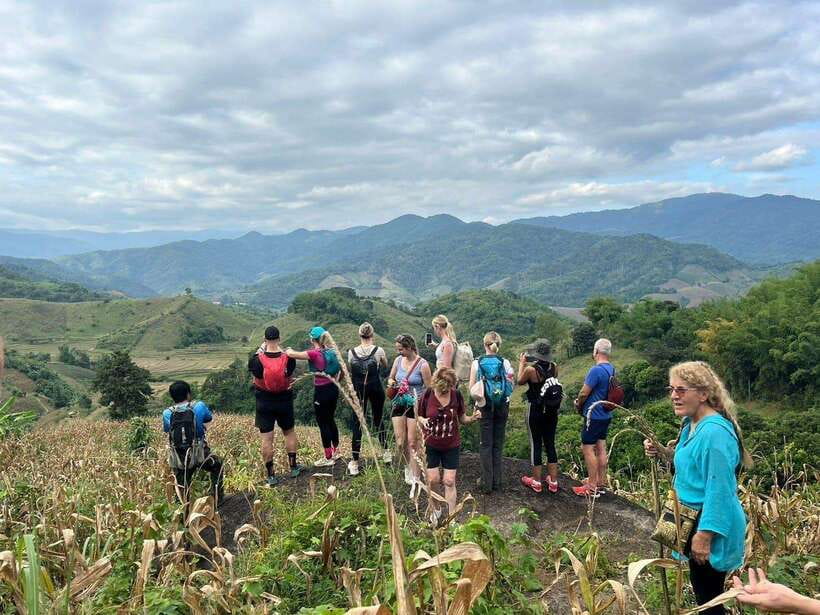
- Bamboo cooking with jungle-sourced bamboo: learn the method and cook together, then eat a bamboo lunch outdoors.
- Four cultural stops in one day: Lisu village, a Chinese village, plus Akkha and Lahu communities later.
- Tea plantation walk: breathe in the smell of freshly grown tea leaves while walking the fields.
- Second-largest waterfall break: built-in time to relax, and you may get a chance to swim.
- Natural hot spring ticket included: unwind at the end after a long trek.
Why This Chiang Rai Trek Feels Different From a Typical Day Tour
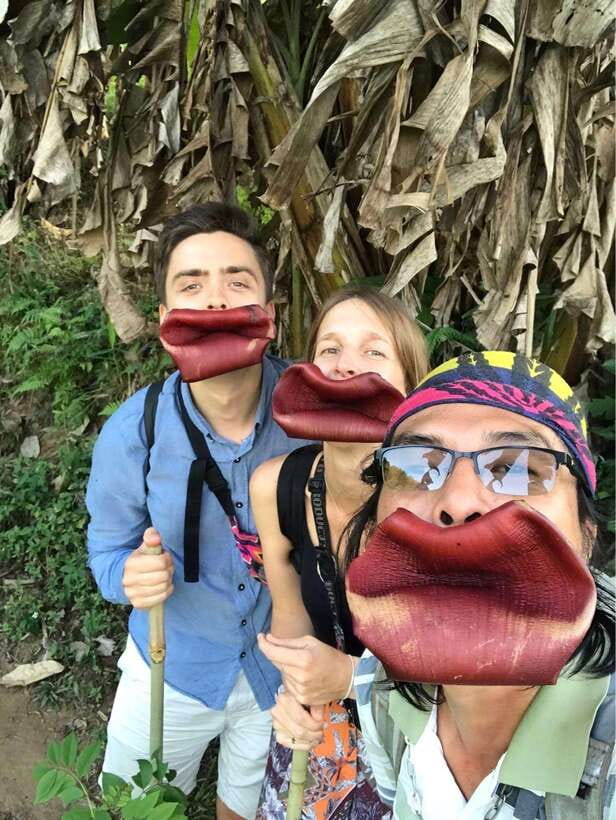
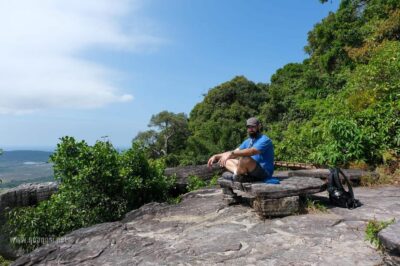
This one is built around movement. You’re not just sitting on a ride taking photos. You’re walking through Chiang Rai’s countryside, stopping in villages along the way, then ending with a soak in a natural hot spring. That mix is what makes the day memorable: culture, food, and nature all get time.
The group size stays small (up to 10), which matters more than it sounds. On a longer hike, a big group can turn into a stretched-out line. Here, the pace is easier to manage, and you’re more likely to actually talk with your guide instead of hearing them through the crowd.
Also, a small but real perk: at least one person I read described a handmade gift from the guides. That kind of personal touch doesn’t happen on cookie-cutter tours, and it’s a nice reminder that you’re being hosted, not just scheduled.
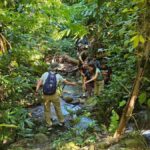
That said, this is not a stroll. Even when the views are great, the trail can be physically demanding. One key lesson for you: treat this as a hiking day first, a sightseeing day second.
You can also read our reviews of more tours and experiences in Chiang Rai.
The Bamboo Cooking Class: What You’re Really Learning (and Eating)
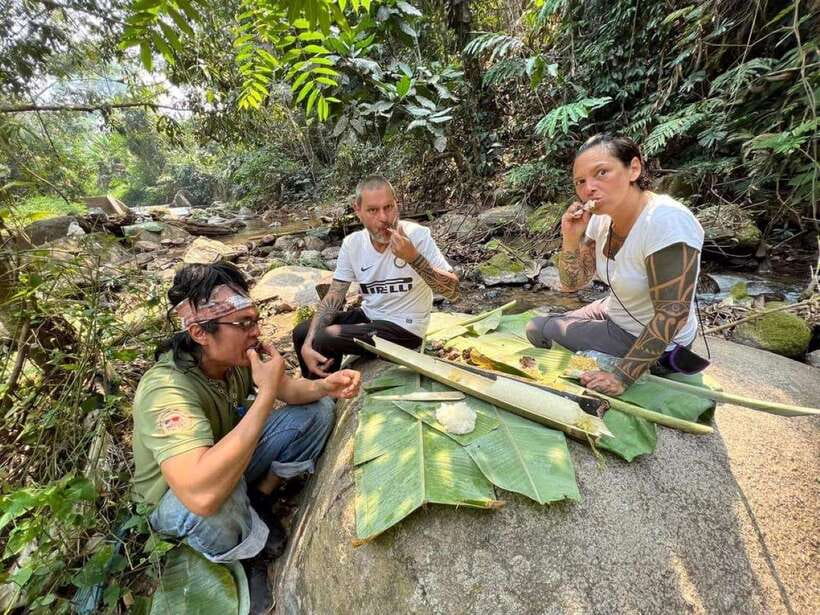
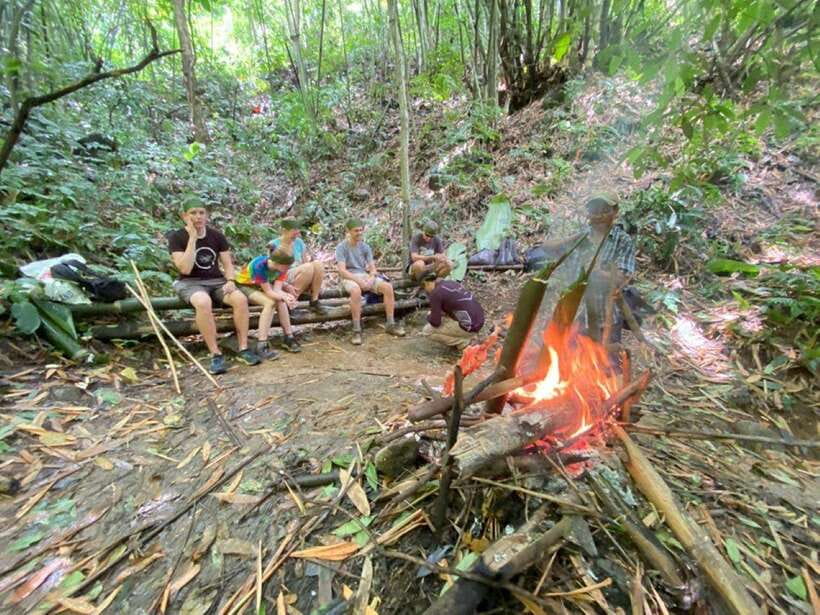
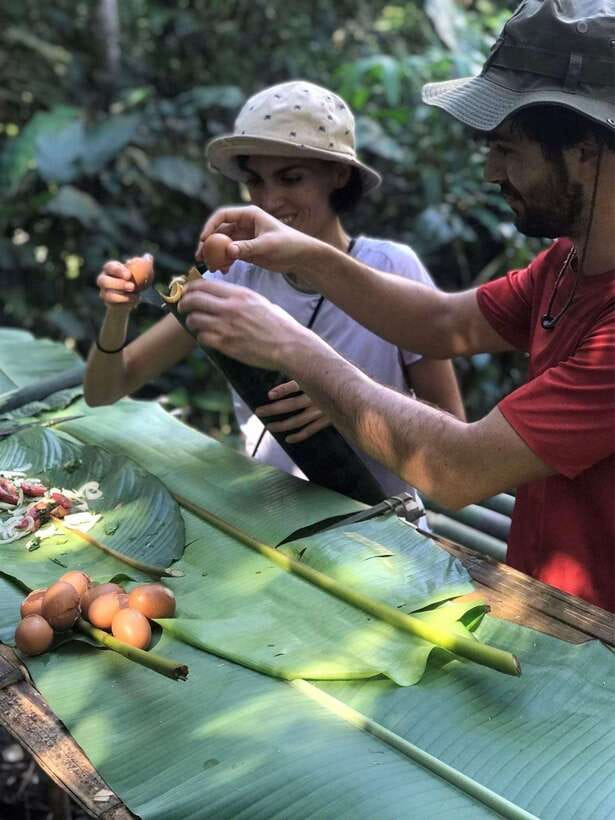
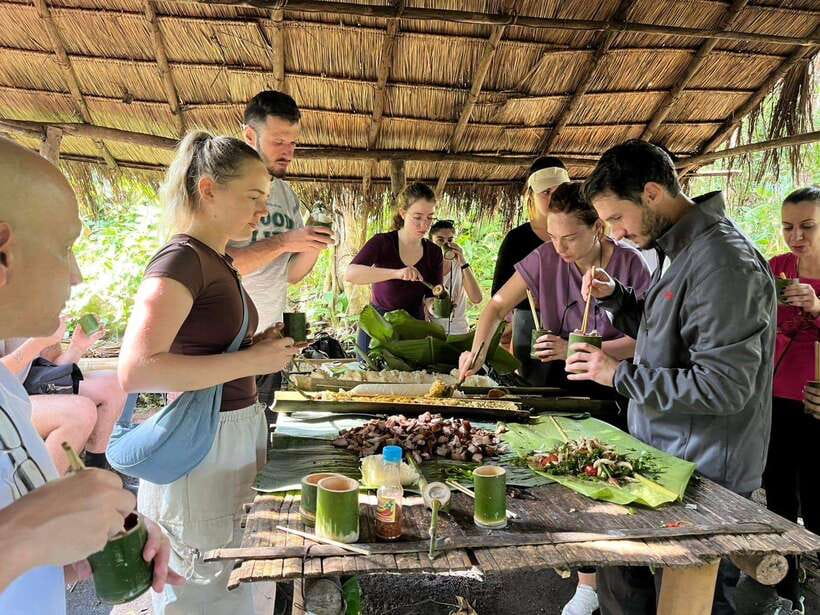
The headline experience is bamboo cooking, and it’s not just a “watch this” moment. You’ll use bamboo that’s sourced from the jungle, learn how bamboo cooking works, and then cook and eat together as part of a shared lunch.
What makes this worth your time is that bamboo cooking is practical. It’s also visual and hands-on, so you’re not just listening to food talk. You’ll be doing the work—moving, prepping, assembling, and cooking—then eating what you helped make.
And the lunch part matters. You’re eating in the setting that created the ingredients: outdoors, with the pace of the jungle day around you. One traveler described the bamboo food as delicious, and I agree with the vibe of this style of meal: it tastes better when you’ve built it with your own hands.
A couple things to plan for:
- If you have dietary restrictions, tell the operator ahead of time so the bamboo cooking at lunch can match your needs.
- You may be hungry. After hours of walking, even simple flavors can feel special.
Village Stops in the Morning and Afternoon: Lisu, Chinese, Akkha, and Lahu
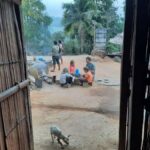
This tour doesn’t rely on one cultural stop and a quick photo. It layers multiple communities into a single day: a Lisu village visit, then a Chinese village, and later visits to Akkha and Lahu tribe villages.
Lisu Village: Daily Life and Traditions
The day starts with Lisu village exploration. This is typically where your guide sets the tone: how people live, how the community functions, and what daily routines look like in that area. If you like cultural context (instead of only “what to photograph”), this part is where you’ll likely feel the most engaged.
Chinese Village: Another Side of Chiang Rai
Then you visit a Chinese village, giving you a second cultural lens. Chiang Rai isn’t a one-note destination, and this stop helps show that the region’s diversity goes beyond the most commonly marketed hill-tribe story.

Akkha and Lahu Villages: Customs Through Conversation
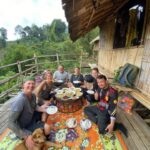
Later, you’ll visit Akkha and Lahu communities. The point isn’t just seeing buildings or costumes—it’s understanding customs and day-to-day life. Because these stops happen after real trekking, you also tend to pay attention more. Your energy level may be lower, but your curiosity often gets higher.
Practical note: village visits usually involve walking on uneven ground. Comfortable shoes aren’t optional here.
Tea Plantations: A Smell You Can’t Fake
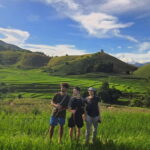
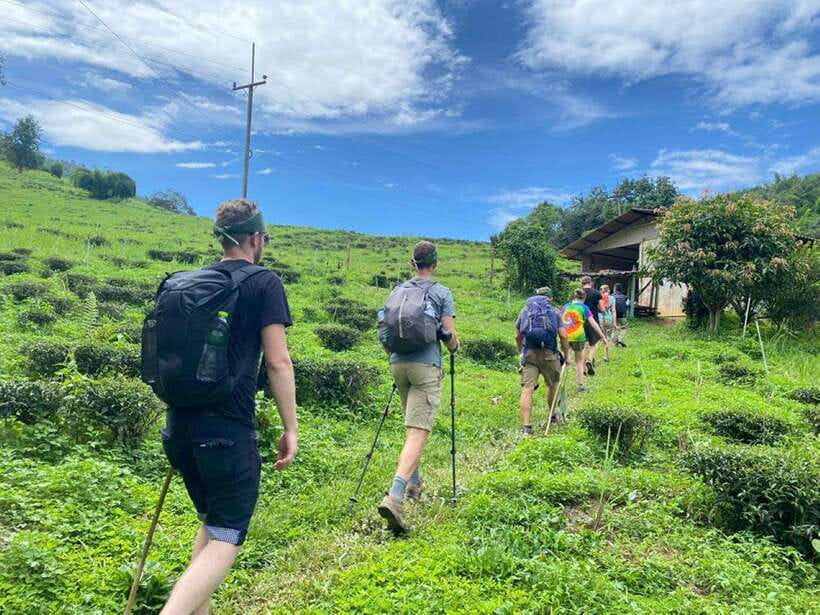
Between cultural stops and the waterfall, the route takes you to tea plantations. You walk among the tea fields and get the fresh aroma of freshly grown tea leaves as part of the experience.
This segment is a good reset. It’s not “hard trekking mode” the entire time, and it breaks up the day so you’re not always grinding uphill or sliding along rocks. If you love sensory travel—smell as much as sight—this is one of the best pauses in the itinerary.
Also, tea fields mean light changes. You’ll likely get more open-sky views, which can make photos easier later in the day when jungle shade gets thicker.
Waterfall Time at Chiang Rai’s Second-Largest Site
After bamboo lunch, the trek continues to a major waterfall stop described as the second largest waterfall. This is built for a break: you can relax there, and the tour includes the chance to swim.
Here’s the honest reality you should plan around: the tour includes swimming potential, but it’s still a jungle environment. Water flow, safety, and timing can affect what you end up doing.
One traveler experience I saw specifically noted that they packed swimwear and towel but didn’t actually get to do the waterfall swim or hot spring soak as expected. So for you, the best strategy is simple:
- Bring swimwear and a towel anyway, because the option is part of the plan.
- Keep expectations flexible. If you don’t get to swim, you still get the scenery and the rest break.
Natural Hot Spring: The End-Of-Day Reward You Earn
After more walking and village visiting, the day finishes with a stop at a natural hot spring. You get a hot spring ticket included, and the idea is relaxation after the trek. Soaking sounds great on paper—and it usually feels even better when your calves are tired.
One nice detail in the description is that you’re soaking surrounded by jungle sounds. You’re not sitting in a polished spa. You’re winding down in the natural setting that you just hiked through.
If you’re the type who gets sore after long walks, this is a strong reason to do the tour instead of just taking a short sightseeing loop. Hot spring time is part of the value, not an optional bonus.
Price and Value: Is $59 Fair for a Full Day Like This?

At around $59 per person for a 1-day experience, you’re paying for a lot of moving parts: pickup and drop-off by car from Chiang Rai city hotels, an expert local English-speaking guide, travel insurance, drinking water, the bamboo cooking class plus lunch, and a hot spring ticket.
The value here is mainly in the combination:
- Guided trekking over a long day (10–12 km total walking).
- Hands-on food (bamboo cooking with jungle-sourced bamboo).
- Multiple cultural stops rather than one quick village photo stop.
- Paid nature time (hot spring ticket included).
Where the price can feel less “worth it” is if you expect a light, easy day with guaranteed swimming and zero rugged trail. This is closer to a guided hiking day with culture and food, not a casual walk.
So yes, the price can be fair to excellent—if you match the tour style to your fitness and expectations.
Logistics That Matter: Pickup, Group Size, and Time on Your Feet
Pickup is included by car from your hotel in Chiang Rai city. The pickup window is between 09:00 and 09:15, and you return to your hotel after the day’s activities.
The small group limit (10 participants) is a big deal for comfort. On a trek with 5–6 hours of walking time, you don’t want to fight for space. A smaller group helps you keep a steady rhythm.
You also get English-Spanish live guiding support, which is great if you want to understand what you’re seeing. On village visits especially, knowing what’s being explained makes the time much more meaningful.
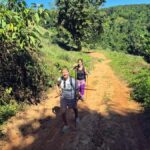
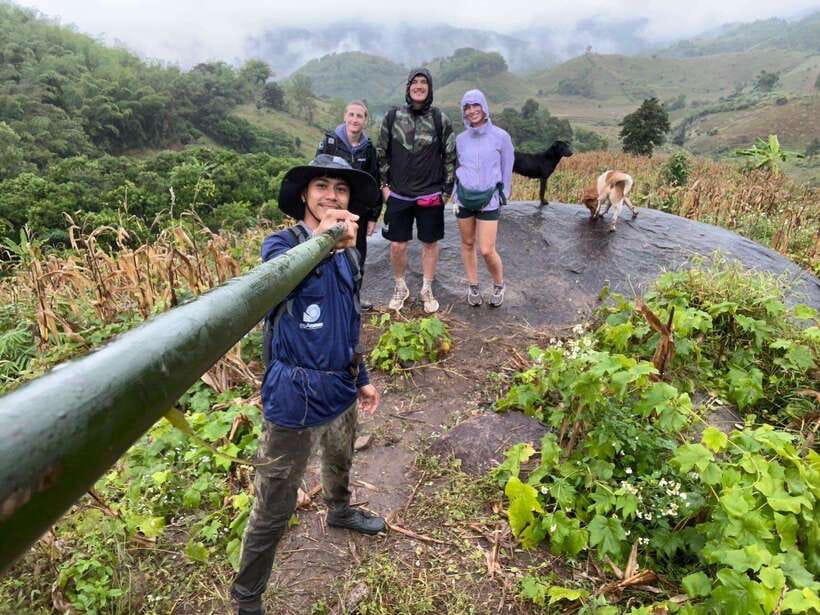
One more practical point: the tour description says walking is about 5–6 hours for around 10–12 km. That’s not just distance. It’s the mix of trail surfaces, stops, and getting through villages. If you tend to underestimate “moderate hiking,” you might feel it by midday.
What to Bring: Avoid the Small Mistakes That Ruin a Day
Based on the tour’s guidance, pack like you’re going hiking plus one splash-and-soak moment. You should bring:
- Comfortable shoes (and hiking shoes if you have them)
- Swimwear
- Towel
- Sunscreen
- Insect repellent
- Towel (again, seriously—hot spring and possible waterfall time can be messy)
If you forget insect repellent, you’ll feel it. One traveler specifically advised to bring anti-mosquito repellent, and in jungle areas, that advice is gold. Also, skip flimsy footwear. The trail can be physical and slippery in places, so you want grip.
If you’re hoping for a smooth bamboo cooking lunch experience, consider what you’re wearing. You may get dusty or damp. Light layers help, and quick-dry fabrics are your friend.
Who This Trek Suits Best (and Who Should Rethink It)
This tour is suitable for people who love exploring Chiang Rai’s natural beauty on foot. You’ll enjoy it most if you:
- Like long walks and don’t mind uneven ground
- Want a day that mixes culture and nature
- Enjoy hands-on experiences like cooking outdoors
- Are comfortable with a small-group pace
It’s not suitable for pregnant women.
Beyond that, use common sense. One traveler felt the trek wasn’t for beginners and pointed out slippery, potentially dangerous sections. That’s not a scare tactic—it’s a reality check. If you have physical limitations or you’re not used to hiking, you should talk to the operator before booking and be honest about your condition.
Also think about age. I saw at least one booking opinion that it didn’t feel kid-friendly. Even if the operator’s rules are different, the hike distance and trail type are what they are.
Quick FAQ on This Chiang Rai Bamboo Trek
FAQ
How long is the Chiang Rai group trekking and bamboo cooking day?
The total walking distance is approximately 10–12 kilometers, with about 5–6 hours of walking time, all within a 1-day tour.
Is pickup and drop-off included?
Yes. Pickup and drop-off by car are included from your hotel in Chiang Rai city. Pickup time is between 09:00 and 09:15, and you’ll return to your hotel after the tour.
What languages are the guides?
The live tour guide offers English and Spanish.
What does bamboo cooking include?
You’ll join a bamboo cooking class, learn the method, and then cook and eat together. Bamboo used for cooking is sourced from the jungle, and there’s a bamboo lunch included.
Is there swimming time at the waterfall or hot springs?
The itinerary includes a second-largest waterfall stop where you can relax and swim, and it includes a natural hot spring ticket. However, actual time for swimming or soaking can depend on conditions and timing.
What should I bring?
Bring comfortable shoes or hiking shoes, swimwear, a towel, sunscreen, and insect repellent.
Who is this tour not suitable for?
The tour is not suitable for pregnant women.
Should You Book This Tour?
If you want a Chiang Rai day that feels active and authentic—tea fields, hill-tribe village visits, bamboo cooking you actually do, a waterfall break, then a hot spring soak—this is a strong pick.
Book it if:
- You’re comfortable with 10–12 km of walking
- You want hands-on food and real outdoors time
- You like smaller groups and guided explanations
Skip or rethink it if:
- You need an easy, low-movement day
- You’re sensitive to uneven or slippery trails
- You’re expecting guaranteed swimming and soaking no matter what
One last practical thought: pack insect repellent and wear real shoes. Do that, and you’ll be set up to enjoy what this tour does best—turning a single day into a full set of lived moments in Chiang Rai’s countryside.