REVIEW · KIGALI
8 Day Gorilla Trek, Wildlife Safari and Chimp Habituation Experience
Book on Viator →Operated by Bamboo Ecotours · Bookable on Viator
Gorillas and chimps in eight days sounds wild. I like how this trip stacks the big-two primate experiences—gorilla trekking and chimp habituation—with classic safari moments like tree-climbing lions and a Kazinga Channel boat cruise. I also like that you get a full-service setup: permits, transfers, park fees, and meals are handled, so you’re not piecing logistics together yourself. One possible drawback is the amount of driving between parks, including border time and long transfer days, so you’ll spend plenty of hours in transit.
This is a Kigali-to-Kampala/Entebbe itinerary (and yes, you can do it in reverse), run as a private group experience with pickup offered and a 9:00 am start. If you prefer a tight plan with expert guides—rather than “figure it out as you go”—this style fits well. Just be ready for a moderate physical fitness level: you’ll walk through forests for primates and do active wildlife viewing days.
Key Highlights You’ll Actually Feel
- A real gorilla briefing and assigned family at Bwindi before you enter the forest, so the experience starts with context, not guesswork.
- Chimp habituation in Kibale guided by Uganda Wildlife Authority staff—less of a quick sighting, more of a structured primate learning experience.
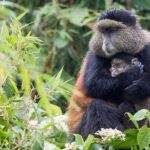
- Golden monkeys in Mgahinga, where you walk bamboo and learn about endemic species and the park’s fauna and flora.
- Ishasha tree-climbing lions on the way to Queen Elizabeth, giving you a chance at a behavior you won’t see everywhere.
- Kazinga Channel boat cruise for elephants, buffalo, and birds from the water—often a calmer change of pace after game drives.
In This Review
- How the Kigali to Kampala/Entebbe Route Really Works
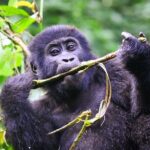
- Bwindi Impenetrable Forest: Gorilla Trekking with a Real Briefing
- Mgahinga Golden Monkeys and Lake Bunyonyi: A Softer Day After Bwindi
- Ishasha Tree-Climbing Lions: Queen Elizabeth’s Special Stop
- Queen Elizabeth Game Drives and Kazinga Channel Boat Cruise
- Kibale Forest National Park: Kyambura Gorge Walk and Chimp Habituation
- The Real Schedule Reality: Driving Hours and How to Plan for Them
- Value for Money: Is $3,674.47 Worth It?
- Who This Trip Fits Best (and Who Might Want Something Else)
- Should You Book This 8-Day Gorilla and Chimp Trip?
- FAQ
- What’s the duration of the tour?
- Where does the tour start and end?
- What time does the tour start?
- Is pickup included?
- Are gorilla and chimp permits included?
- What wildlife experiences are included beyond gorillas and chimps?
- What meals are included?
- What’s not included in the price?
How the Kigali to Kampala/Entebbe Route Really Works
You’re planning an 8-day circuit across Rwanda and Uganda, starting in Kigali and ending in Kampala or Entebbe. The route also runs in reverse, which is handy if your flights or timing make one direction easier than the other.
What matters for you: this isn’t a hop-on-a-plane kind of safari. It’s road travel that links several ecosystems in a short window. You’ll cross from Rwanda into Uganda on day 1 via the Cyanika land border, with about a 5-hour drive before you even reach the gorilla area. Then the itinerary keeps you moving—Bwindi to Mgahinga, over to Queen Elizabeth, and finally down to Kibale for chimp habituation.
This is also a private tour/activity, meaning it’s only your group. That can be a big deal for primate treks, where timing and pacing matter. You’re not stuck matching your schedule to a random mix of other travelers.
Bwindi Impenetrable Forest: Gorilla Trekking with a Real Briefing
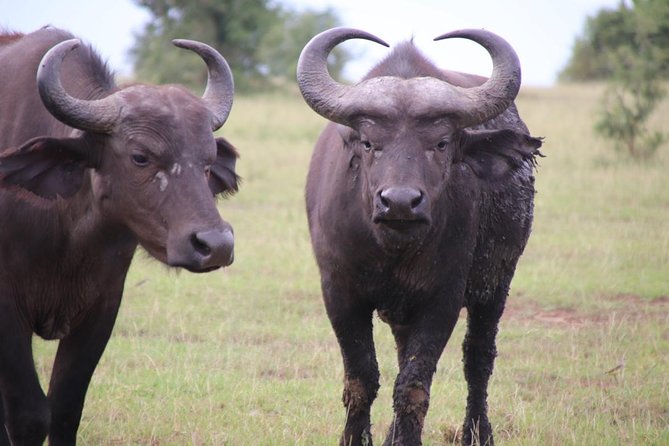
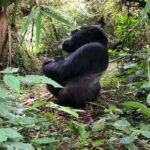
Bwindi is where this trip earns its reputation. The day 1 transfer is long—Kigali to Bwindi National Park in Uganda with the border stop. Day 2 starts strong: after breakfast, you head right to the national park gate for a guided briefing.
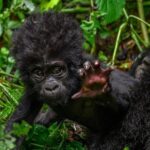
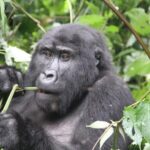
The briefing is practical and sets expectations. The national park guide explains what to expect on the trek and, importantly, you’re told which gorilla family you’ll be trekking. That matters because gorilla tracking isn’t a simple walk to a “look here” spot. Your guide helps you understand how the search and tracking works once you’re in the forest.
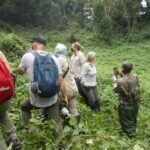
Then you head into the Bwindi forest. Trek time can range from a few hours to longer stretches depending on where the gorillas are inside the trees. After you’re done, you return to your lodge for rest—because later days still involve driving and early starts.
What you’ll like most about this setup:
- You’re briefed before you enter, so you know how to behave and what the trek rhythm might look like.
- You get a full lodge recovery window after the trek, not a rush to start the next major activity immediately.
What to watch:
- Gorilla treks can run long, and the forest can be unpredictable. If you’re someone who hates “schedule flexibility,” this part may stress you out. If you’re okay with uncertainty and want the real thing, it’s ideal.
You can also read our reviews of more tours and experiences in Kigali.
Mgahinga Golden Monkeys and Lake Bunyonyi: A Softer Day After Bwindi
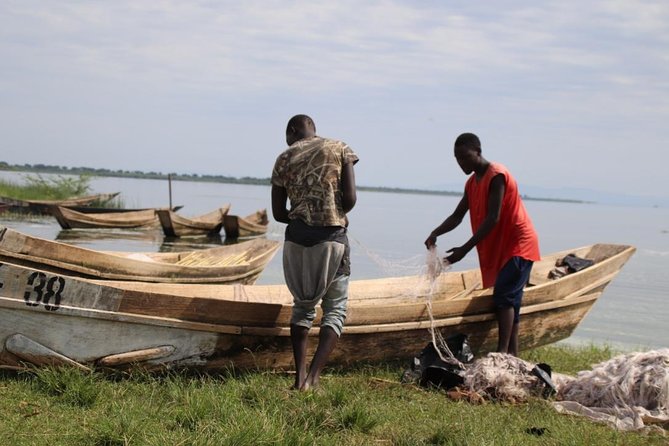
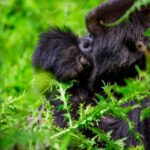
Day 3 shifts from gorillas to golden monkey trekking in Mgahinga Gorilla National Park. The goal is a different kind of wildlife encounter: golden monkeys are endemic to this park area, and the trek takes you through bamboo vegetation and other indigenous plants like giant lobelia.
This isn’t just a walk in the woods. Your national park guide gives you context while you trek, covering the history of the park and the kinds of fauna and flora you might spot. That turns the day from pure sightseeing into something you’ll remember with details.
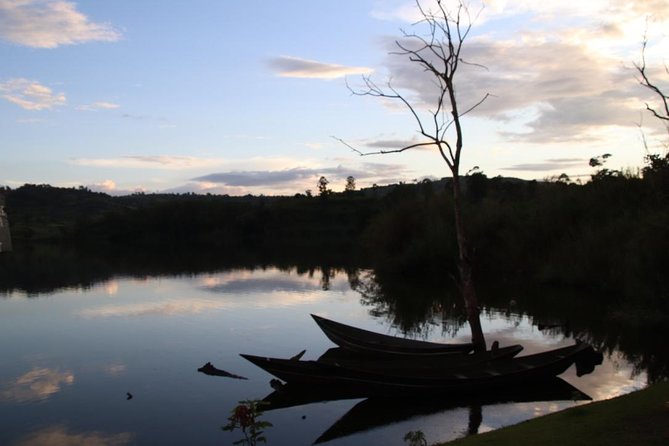
After the monkey trek, you transfer to Lake Bunyonyi for an evening to relax. That’s a smart rhythm choice. After forest treks, a slower lakeside evening helps you reset before you start chasing big safari sightings again.
What this day is best for:
- If you want variety between primate experiences, this is a strong pivot.
- If you appreciate guides who explain what you’re seeing (plants, habitats, local natural history), the golden monkey portion tends to click.
One consideration:
- Like most multi-park itineraries, you’re still moving between ecosystems. You’ll want to keep your energy up so you enjoy the trekking rather than just “survive it.”
Ishasha Tree-Climbing Lions: Queen Elizabeth’s Special Stop
Day 4 includes a drive from Bwindi National Park to Queen Elizabeth National Park, with a stopover at the Ishasha sector for the chance to see tree-climbing lions.
This is the kind of behavior-based wildlife moment that makes safari planning feel worthwhile. Lions are common in some regions, but tree-climbing lions are not something you can assume you’ll get on every trip. So even though it’s a stopover (not your only wildlife day), it’s a meaningful one.
After Ishasha, you continue on to Katungulu in northern Queen Elizabeth National Park. That sets you up for full game-viewing time the next day.
What to expect:
- You’re working with sighting luck, because wildlife is wildlife.
- The pay-off is that Ishasha gives you a shot at a distinctive lion behavior tied to this area.
Queen Elizabeth Game Drives and Kazinga Channel Boat Cruise
Day 5 is your core Queen Elizabeth wildlife day, split into two styles of viewing.
In the morning, you visit the Kasenyi plains for game drives. You’re looking for lions, buffaloes, elephants, and more. This is classic “scan the plains” safari energy—drive slowly, watch for movement, and let sightings guide the route.
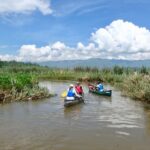
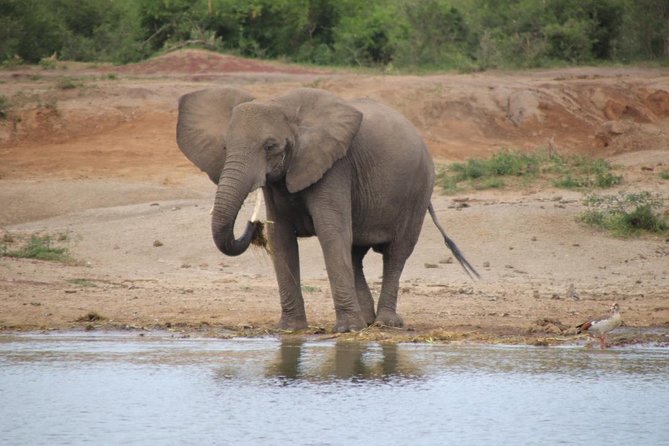
In the afternoon, the day switches to water: you join a boat cruise on the Kazinga Channel. This is where you often get close-up wildlife viewing and lots of birds. Elephants and buffaloes are specifically mentioned as part of what you may encounter, along with plenty of birds.
For you, the value of combining these two:
- Game drives cover the land species and open-habitat action.
- The boat cruise gives a different perspective, and it’s usually a more relaxing change from the constant scanning of a road safari.
If you’re short on patience:
- That first full morning drive can feel “lots of waiting, then boom.” If you know you’re the type who loves the hunt, you’ll enjoy it. If not, bring something to stay comfortable and focused.
Kibale Forest National Park: Kyambura Gorge Walk and Chimp Habituation
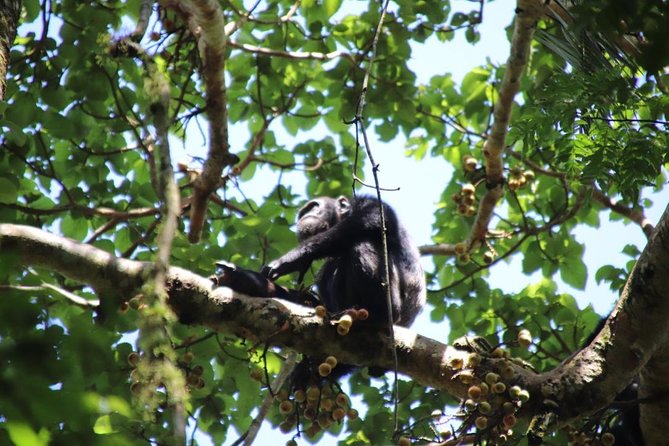
Day 6 brings you to Kibale Forest National Park. The day starts with a nature walk at Kyambura gorge, an area known to host chimpanzees. That’s a nice lead-in because you’re not jumping straight into the big habituation experience without warming up to the habitat and the idea of chimp behavior.
After the gorge walk, you drive to Kibale via the Fort Portal crater lakes drive. The crater-lake route is a scenic bonus built into the transfer, which matters on long road days when your brain needs a “reward” to stay happy.
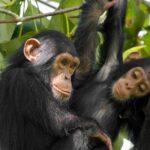
Day 7 is the highlight: chimpanzee habituation experience. It’s half-day and structured around the learning process—watching how chimps are trained to become familiar with humans. The trek is guided by Uganda Wildlife Authority staff, which is a big credibility marker for a specific kind of primate experience.
If time permits after the trek, you can add complementary activities like community walks and a visit to the Bigodi swamp sanctuary. Even when you can’t squeeze everything in, having these options helps you shape your afternoon rather than ending the day abruptly.
What you’ll likely enjoy most:
- You’re not just hoping for a quick glimpse. You’re part of a training-based experience focused on how habituation works.
- The Kibale portion is designed to be a learning day, not a blur of checkboxes.
One consideration:
- Half-day still means time pressure in a forest. If you prefer long, slow sightseeing, you may feel the half-day format a bit tighter than other activities.
The Real Schedule Reality: Driving Hours and How to Plan for Them
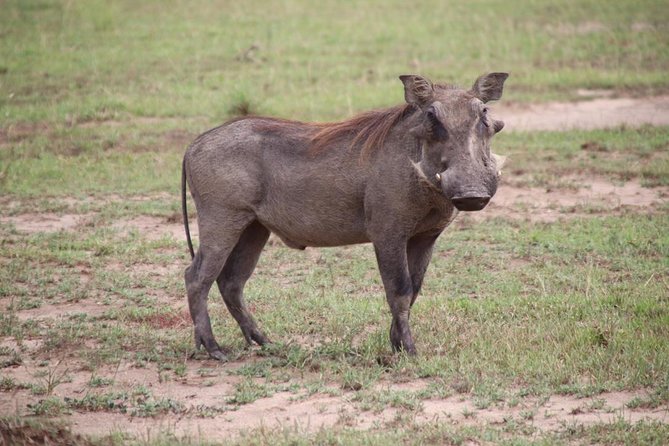
When you connect Bwindi, Mgahinga, Queen Elizabeth, and Kibale into a single trip, the driving isn’t optional—it’s the glue. You’re looking at:
- About 5 hours for the Kigali to Bwindi leg (with border crossing on day 1).
- Multiple transfer days where you’re on the road for hours between ecosystems.
- About 6 hours to finish on day 8 when driving to Kampala or Entebbe airport.
So yes, this is an eight-day wildlife trip, but it’s also an eight-day transportation plan.
For your comfort, a few practical tips make a big difference:
- Bring a light layer. Even in warm countries, vehicles can feel cooler at times.
- Pack small snacks and water for the longer legs. The itinerary includes meals, but you’ll still appreciate having quick comfort items.
- If you’re prone to motion sickness, plan ahead. Don’t “wait and see” on day 1.
The upside: because the tour includes transfers and a guide/driver, you don’t need to negotiate vehicles between parks. That’s real value, especially when you’re crossing an international border.
Value for Money: Is $3,674.47 Worth It?
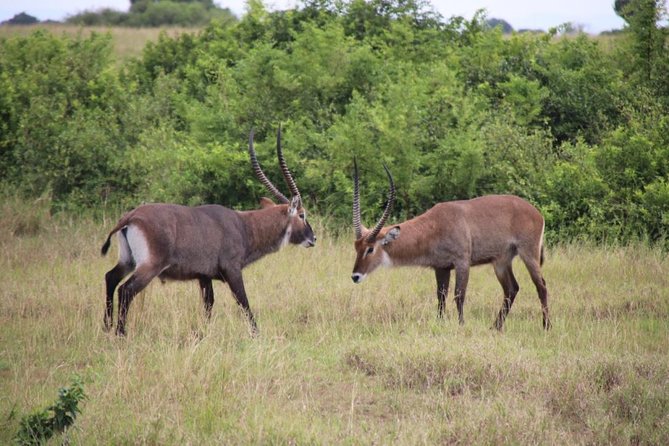
At $3,674.47 per person, this is not a budget safari. The value question is really about what’s included versus what you’d otherwise pay separately.
What’s included:
- Gorilla & chimp permits
- Park entry fees
- Transfers and guide/driver
- Lunch (8), breakfast (7), dinner (7)
What’s not included:
- Visas, travel insurance, and flights
Here’s the straightforward way to think about it. The gorilla permit and chimp habituation permit are major cost drivers for this type of itinerary, and they’re already included. Add the park fees across multiple national parks, plus the logistics of moving between Rwanda and Uganda, and you start to see why the price lands where it does.
Then consider the other value factors:
- It’s a private experience for your group, which can lower the headache factor and give you more control over pacing.
- Pickup is offered, and the tour can run in reverse depending on what works best for you.
- Group discounts are mentioned, which can matter if you’re traveling with friends or family and can fill a group rate.
Is it good value for everyone? Not necessarily. If you only want one primate encounter and you hate long road days, you might find a shorter, more focused option. But if you want gorillas plus chimps plus a classic safari circuit, this pricing structure makes sense because you’re paying for permits and included services, not cobbled-together add-ons.
Who This Trip Fits Best (and Who Might Want Something Else)
This 8-day route is a strong match for you if:
- You want both gorilla trekking in Bwindi and chimp habituation in Kibale.
- You like a guided plan with clear daily structure: briefing, treks, game drives, and a boat cruise.
- You enjoy variety: forest primates, bamboo monkey trekking, tree-climbing lions, plains wildlife, and swamp/community add-ons.
You might think twice if:
- You get cranky after lots of time in a vehicle.
- You strongly prefer slow travel with fewer switches between parks.
- You’re trying to keep costs down and are sensitive to the price of primate permits.
Should You Book This 8-Day Gorilla and Chimp Trip?
If you’re set on gorillas and chimps and you want both experiences to be handled properly—with permits, park fees, guides, and meals taken care of—this is the kind of itinerary that delivers real “Africa wildlife trip” intensity without you managing the details.
My call: book it if you can handle long drives and you’re excited by primate treks that don’t run on a strict clock. Skip it if you want a relaxed, low-effort safari or you only care about one primate moment.
FAQ
What’s the duration of the tour?
The tour runs for about 8 days.
Where does the tour start and end?
It starts in Kigali, Rwanda, and ends in Kampala or Entebbe, Uganda. It can also be done in reverse.
What time does the tour start?
The start time is listed as 9:00 am.
Is pickup included?
Pickup is offered.
Are gorilla and chimp permits included?
Yes. Gorilla & chimp permits are included, along with park entry fees.
What wildlife experiences are included beyond gorillas and chimps?
You’ll also do golden monkey trekking, a chance to spot tree-climbing lions in Ishasha, game drives in Queen Elizabeth National Park, and a Kazinga Channel boat cruise.
What meals are included?
Lunch is included 8 times, breakfast 7 times, and dinner 7 times.
What’s not included in the price?
Visas, travel insurance, and flights are not included.