REVIEW · POKHARA
Mardi Himal Base Camp Trek (5 Days)
Book on Viator →Operated by Nepal_first · Bookable on Viator
Sunrise hikes in the Annapurnas are addictive. This Mardi Himal Base Camp Trek is a shorter, more relaxed option than the big-name routes, and it focuses hard on classic Himalayan scenery without the crowds. I like that it still works as a “real trek,” not a quick stroll, with overnight tea house stops and a clear sense of progress toward the peaks.
Two things I especially like: the trail often feels quieter than Annapurna Base Camp, and the route goes through forest and silence, where wildlife and big views can both show up. And on the human side, guides such as Madhav (also mentioned as Madu/Madhu) are praised for matching the pace and handling the moving parts, so you’re not wrestling logistics while your legs are already working.
One consideration: this trek runs early and sunrise-focused, so you’ll need patience if visibility is poor at the start of Day 4. Weather can change plans, and the operator notes that the experience requires good conditions, with alternate dates or a full refund if it can’t run.
In This Review
- Key Highlights You’ll Feel on This 5-Day Trek
- Why Mardi Himal Feels Different Than the Big Name Treks
- Day 1 in Pokhara: Lakeside Start, Khande Trail, Forest Camp Tea House
- Day 2: Jungle Silence and Badal Dhanda’s Build-Up
- Day 3: High Camp for 360-Degree Views
- Day 4: The 4:00–4:30 a.m. Sunrise Plan at Mardi Himal Base Camp
- Day 5: Back to Pokhara via Sidhing, with Time to Reset
- Price and Value: What $480 Covers (and Why It Matters)
- Guides, Pace, and That Human Touch You Actually Notice
- What’s Included on Trek vs What You Should Bring
- Best Fit: Who Should Choose This 5-Day Mardi Himal Trek
- Quick Practical Notes Before You Go
- Should You Book This Mardi Himal Base Camp Trek?
- FAQ
- How long is the Mardi Himal Base Camp trek?
- Where does the trek start and how do you get there?
- What is included in the price?
- What permits are required?
- Is pickup included?
- Do I need trekking equipment?
- What if the weather is bad on sunrise day?
Key Highlights You’ll Feel on This 5-Day Trek
- An easier-to-fit time window: 5 days in the mountains, with the option to customize your pace and route
- A quieter vibe: fewer people than major Annapurna routes, plus long stretches of calm
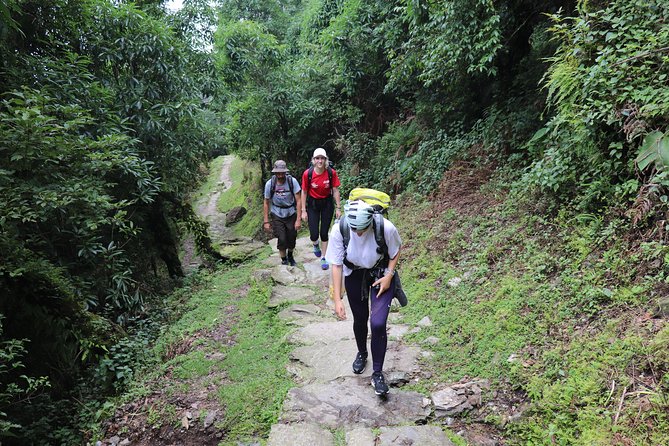
- Forest + silence hiking: walking through Annapurna Conservation Area greenery where you can hear your own footsteps
- 360-degree views from High Camp: big panorama payoff after Day 3’s climb
- Sunrise morning push: a pre-dawn start aiming for Mardi Himal Base Camp, with a backup viewpoint plan
- Value-heavy inclusions: TIMS and ACAP permits plus meals and trekking accommodations
Why Mardi Himal Feels Different Than the Big Name Treks
The Annapuna region has plenty of famous trails, and Mardi Himal gets compared to the heavy hitters often enough. But the real difference is the feel on the ground: this one trends less crowded, so you don’t spend your time dodging other groups. If you like that “I can actually hear the mountain” feeling, you’ll probably notice it quickly.
Another reason Mardi Himal works is that it’s not all about chasing the highest point on a map. You’re rewarded by changing viewpoints over multiple days. That means your camera comes out more than once, and you’re not stuck hoping for one perfect moment to justify the whole trip.
You can also read our reviews of more tours and experiences in Pokhara.
Day 1 in Pokhara: Lakeside Start, Khande Trail, Forest Camp Tea House
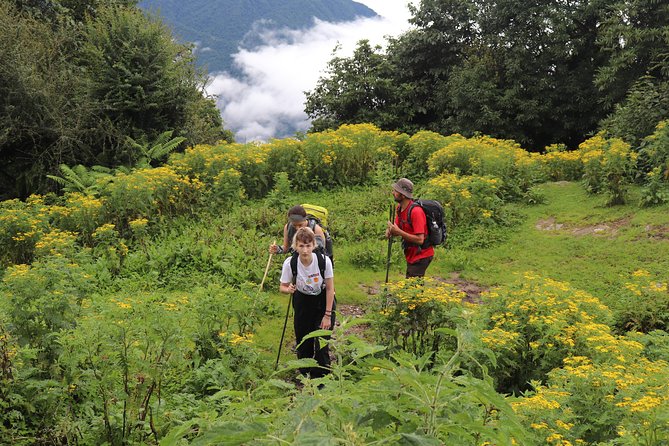
Day 1 is all about setting a steady rhythm early. You leave Pokhara Lakeside early in the day to reach Khande, then begin hiking toward a tea house stop at Forest Camp. Expect roughly 6 hours of walking, and plan to arrive ready to settle into a slower, mountain-paced day.
What I like about starting this way is simple: it gets you into the trek mindset without burning your whole daylight window later. You also get a taste of how the region shifts from town energy into quiet trails—trees, narrower paths, and a different kind of air.
A practical tip: if you’re the type who gets nervous about long travel days, this itinerary front-loads movement in a controlled way. By the time you sleep in the tea house environment, you’ve already “done the hard part” of getting out of Pokhara and onto the route.
Day 2: Jungle Silence and Badal Dhanda’s Build-Up
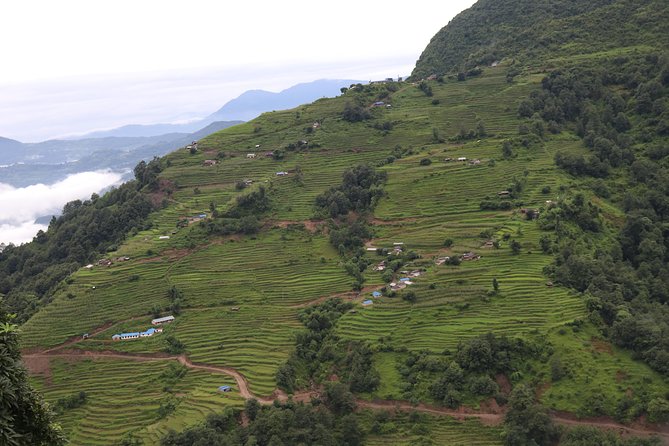
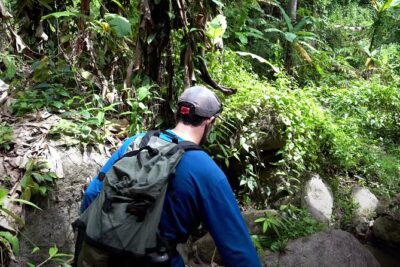
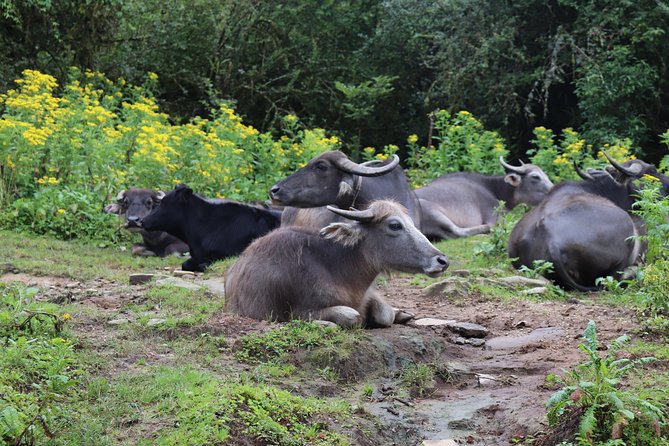
After breakfast, Day 2 continues the trek toward Badal Dhanda, with a walk through the Annapurna Conservation District. The tone here is noticeably different from steep, high-stress trekking: this segment emphasizes forest trails, silence, and the chance to spot wildlife.
This is the day where the scenery starts layering in your mind. You’re not just thinking about views yet—you’re learning the trail pace and body rhythm. Around here, you can begin to enjoy the smaller moments: shade from the trees, birdsong between rests, and the feeling that you’re moving through a protected area rather than a busy route.
Timing-wise, Day 2 is again around 6 hours. That matters because it keeps the climb from turning into a grind. You’re building endurance, but you still have energy to enjoy the day instead of surviving it.
Day 3: High Camp for 360-Degree Views
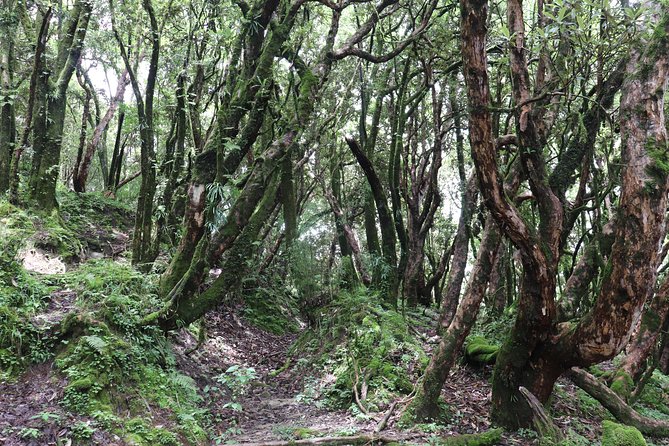
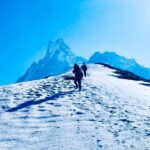
Day 3 is where the trek starts rewarding you more obviously. You march onward to High Camp, and that climb takes about 4–5 hours. As you go, you get increasing visibility into the Annapurna Conservation District and the surrounding Himalayan peaks.
The key detail I’d underline: this is a shorter walking window than Day 1 or Day 2, which can feel like a “gift” in the middle of a 5-day trek. You’re working, but you’re not spending all day just trying to finish.
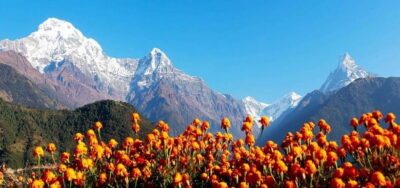
The payoff is the kind of payoff that travel memories are made of: broad, changing viewpoints rather than one single angle. You’ll likely appreciate this day most if you like variety—seeing different ridgelines and adjusting your viewpoint from camp to camp as the light moves.
Day 4: The 4:00–4:30 a.m. Sunrise Plan at Mardi Himal Base Camp
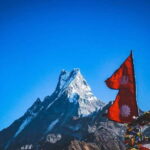
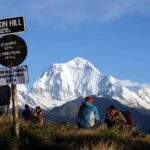
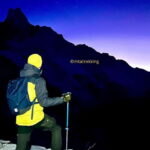
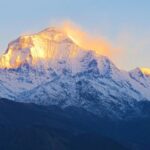
Day 4 starts early, around 4:00 to 4:30 a.m. The goal is to reach Mardi Himal Base Camp for sunrise, and the schedule is built around that thin pre-dawn window when skies can go either way.
Here’s the important reality: the plan includes a fallback. If you can’t make base camp before sunrise, you’ll hike to a nearby viewpoint for magnificent early-morning views. That backup matters because it protects the experience on days when timing and visibility don’t cooperate.
This day tends to be the one you remember for the rest of your life, mostly because the effort is tangible. The early start also helps explain why Mardi Himal feels special: you’re not waking up late and hoping for good weather—you’re meeting the mountain on its own terms.
Bring mental gear for this morning: you’re likely tired at first, and it’s easy to feel cold before the trek warms you up. If you’re the type who hates uncertainty, focus on the backup viewpoint. It’s not a consolation prize; it’s still part of the sunrise logic.

Day 5: Back to Pokhara via Sidhing, with Time to Reset
After days in the Annapurna region, Day 5 brings you back to real life. You start early again, trek down toward Sidhing, then catch your ride back to Pokhara.
Day 5 is listed at about 8 hours, so treat it as your “workday.” By this point, your legs know what they’re doing, but don’t let that fool you into moving too fast. Long exit days can be harder than you expect, mainly because you’re eager for the end and you underestimate the cumulative effect.
What I like about this structure is that it ends cleanly. You don’t have a second night in the mountains; you get a direct return to Pokhara, where you can shower, eat properly, and decompress.
Price and Value: What $480 Covers (and Why It Matters)
At $480 per person, this trek can look like a “small price” compared to some more complicated multi-day tours. The bigger question is what’s packed into that number, and here the value is fairly strong.
You get:
- Permits: TIMS and the Annapurna Conservation Area Project (ACAP)
- Private transportation
- Food and accommodation on the trek (with breakfast, lunch, dinner included on trekking days)
- All fees and taxes
- A mobile ticket
That combination matters because trekking costs in Nepal can balloon if you’re missing a few key items like permits or transport. Here, the operator builds those essentials into the package, so you’re not piecing it together yourself mid-plan.
What you don’t get (and should plan for) is also important:
- Trekking equipment
- Porter services
- Personal expenses
If you already own decent trekking boots and basic gear, you may find this price lands in the sweet spot between “organized” and “not overpaying.” If you don’t have equipment, budget a little extra because you’ll need to cover that gap.
Guides, Pace, and That Human Touch You Actually Notice
Even when a trek is well run, the guide can make or break your comfort. In past experiences tied to this route, guides like Madhav (also referenced as Madu/Madhu) get praise for two very practical things: adjusting the pace and taking care of logistics.
That showed up in comments about things like booking lodges and helping shape the route based on interests. One guide detail I’d take seriously: if you want the walk to feel like your trip, not a fixed script, look for a guide who listens. That’s exactly the kind of service people highlight with this trek.
Also, some experiences mention a porter—for example, Gopal appears in one account as part of the trekking team. Just keep in mind that porter services aren’t listed as included in the package, so you should confirm what’s possible for your dates and group.
What’s Included on Trek vs What You Should Bring
The comfort of this trek comes from the included essentials:
- Breakfast, lunch, dinner during the trekking days (with 4 breakfasts, 4 lunches, 4 dinners included)
- Accommodation during the trek
- Permits and fees/taxes
- Private transportation to and from the trek
But you should plan to self-provide the gear side. Trekking equipment isn’t included, which means you’ll want to bring:
- Boots or shoes you trust on rocky, uneven trail
- Layers for cold early mornings (Day 4 is the test)
- A daypack for water and essentials
- Sun protection, because mountain weather can switch fast
And if carrying feels like a burden, remember porter services aren’t included. If that matters to your comfort, you’ll want to plan ahead so you don’t arrive thinking you’ll get help at the last minute.
Best Fit: Who Should Choose This 5-Day Mardi Himal Trek
This trek is described as best for people with moderate physical fitness. That doesn’t mean it’s easy, but it does mean it’s realistic for many fit travelers who are comfortable walking several hours a day and starting early.
It also helps that this is a private tour/activity, meaning only your group participates. If you’re traveling with family, friends, or you want a more flexible pace, that private setup can be a big quality-of-life upgrade.
You’ll likely enjoy Mardi Himal most if:
- You want big mountain views without the longest schedule
- You prefer a quieter trail than the major base camp routes
- You don’t mind early starts for sunrise
- You value guides who can adapt to your needs and rhythm
If you love crowd-free nature time, this route’s calmer feel is a genuine reason to choose it.
Quick Practical Notes Before You Go
Two practical reminders based on how the trek runs:
- Expect early mornings. Day 4 is the big one, starting around 4:00–4:30 a.m.
- Have a weather mindset. The experience requires good weather, and if conditions are poor, you’ll be offered a different date or a full refund.
That’s not a buzzkill. It’s just good planning. Mountains run the schedule sometimes, not humans.
Should You Book This Mardi Himal Base Camp Trek?
If you’re aiming for a 5-day Himalayan experience that feels more personal and less crowded, I’d say this is worth strong consideration. The package hits key value targets: permits (TIMS + ACAP), food and accommodation on trek, and transport, all wrapped into one price.
I would not book it blindly if you hate pre-dawn starts or you’re hoping for zero uncertainty around sunrise timing. But if you can handle an early wake-up call and you’re open to the backup viewpoint plan, you’ll probably come away feeling like you got your money’s worth in mountain time.
FAQ
How long is the Mardi Himal Base Camp trek?
The trek is designed for about 5 days.
Where does the trek start and how do you get there?
The experience starts from Pokhara Lakeside and includes transportation. Day 1 includes travel toward Khande, where the trek begins.
What is included in the price?
The price includes all fees and taxes, private transportation, permits (TIMS and ACAP), and food and accommodation on the trek (with breakfast, lunch, and dinner during trekking days). A mobile ticket is also provided.
What permits are required?
You’ll need TIMS and the Annapurna Conservation Area Project (ACAP) permits.
Is pickup included?
Pickup is listed as offered, and the experience uses private transportation.
Do I need trekking equipment?
Yes. Trekking equipment is listed as not included, so you should plan to bring or arrange it yourself.
What if the weather is bad on sunrise day?
The experience requires good weather. If it’s canceled due to poor weather, you’ll be offered a different date or a full refund.