REVIEW · SAPA
From Hà Nội : Sapa trek with local guide 2 days 1 night
Book on Viator →Operated by comlam travel north Viet Nam adventures · Bookable on Viator
That first downhill into Sapa feels like you’re switching worlds. This 2 days 1 night trek puts you walking through the Muong Hoa Valley and into village life in places like Tả Van and nearby areas toward Lao Chải, with a local guide who explains ethnic culture such as H’mong, Giay, and Red Dao. I love how the hike mixes big mountain views with up-close details like water buffalo and village routines, and I also like that you get proper meals and a homestay night instead of rushing through. One thing to consider: the route is long enough (about 17km in one guide-led experience) and the weather can be cold, especially in foggy months.
You start at 9:00am and you’re not just sightseeing from a bus window. You’ll spend real time on foot through rice terraces, bamboo forest, and a waterfall area where swimming is possible depending on conditions. The small group size (up to 17) helps keep it human, not hectic, but it also means you’ll move at the group’s pace rather than your own.
In This Review
- Key things I’d bet on
- What This 2 Days, 1 Night Sapa Trek Really Is
- Day 1: Picking Up in Sapa, Then Down Toward Tả Van and the Muong Hoa Valley
- Tả Van Village Night: Homestay Comfort and Real Meal Time
- Day 2: Rice Fields, Bamboo Forest, and the Hau Thao Route
- Hau Thao Waterfall: Where You May Actually Want to Get Wet
- The Local Guide: Why English Help Changes the Whole Hike
- Price and Logistics: Is $58 Good Value for This Trek?
- What to Pack (So Cold Sapa Doesn’t Trick You)
- Who This Trek Is Best For
- Should You Book This Sapa Trek?
- Quick decision rule
- FAQ
- How much is the Sapa trek (2 days, 1 night)?
- What time does the tour start?
- What’s included in the price?
- Does the tour include transport from Hanoi?
- Where do you trek on day 1 and day 2?
- Is a refund available if I cancel?
Key things I’d bet on
- English-speaking local guide time: you’re not translating everything yourself; guides like Bang and Phin are referenced for their friendly, knowledgeable style.
- Tả Van homestay night: warm comfort options like electric blankets show up in past stays, plus hot water and good views.
- Rice fields plus bamboo forest: day 1 and day 2 both include memorable trail scenery, not just village roads.
- Wildlife you actually see: water buffalo, baby chicks, ducks, and even pigs can be part of the scenery.
- Hau Thao waterfall stop: a break where swimming may be possible when conditions allow.
What This 2 Days, 1 Night Sapa Trek Really Is
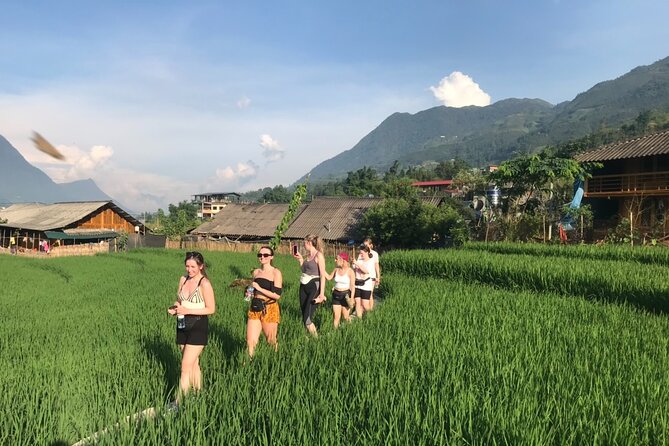
This is a practical Sapa hiking trip built around walking from the Sapa town area down into the valley and then back up through local village routes over two full trekking days. You’re not doing a theme-park “tribe show.” Instead, the emphasis is on moving through farmland and village lanes while a guide explains what you’re seeing—people, crops, and traditions—without turning it into a performance.
You’ll also sleep in a homestay setup for one night. That’s a big part of why this feels different from a day hike: you get time to slow down, eat with the group, and experience the valley after the main tour buses have come and gone.
Price-wise, $58 per person for 2 days/1 night isn’t cheap in a vacuum, but it is solid when you factor in meals, a local guide, and transport around the Sapa area (private car back to the bus station or meeting point). The big catch: this tour doesn’t include your Hanoi-to-Sapa bus pickup. So you need to handle your own way into Sapa.
Day 1: Picking Up in Sapa, Then Down Toward Tả Van and the Muong Hoa Valley
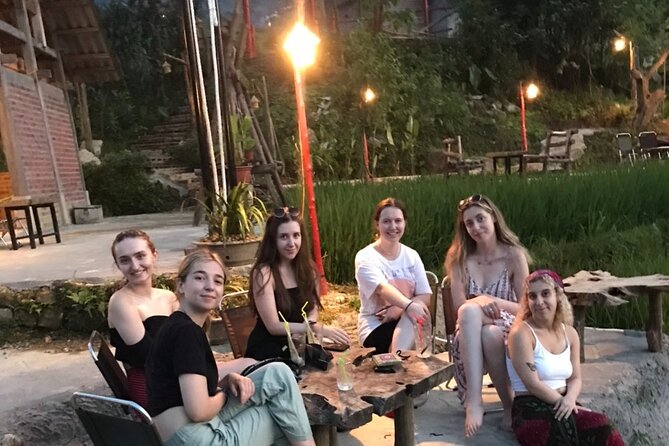
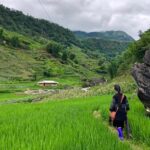
Day 1 starts with a 9:00am hotel pickup in Sapa. From there, your trekking begins by heading down toward the Muong Hoa Valley, described as the biggest valley in the area. Expect the hike to focus on gradual downhill walking patterns that match the valley terrain—rice terraces, village paths, and viewpoints along the way.
Before the main walking portion, there’s also a setup window. When you reach the Tả Van area, you’ll be transferred to your hostel/homestay for a rest break (about 2 to 3 hours). That matters more than it sounds. Sapa weather can shift fast, and getting time to drop your pack and warm up makes the afternoon feel less stressful.
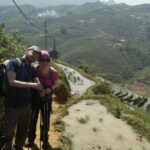
As you move between Sapa and the village side of the valley, this day is where you’ll likely see the rhythm of farmland: narrow footpaths, water channels, and terraces that stretch across the hills. One guide-led trek was described as an around-17km journey from village to village, which gives you a sense of the scale—this isn’t a short stroll.
What I like about day 1: the direction of travel sets you up for changing views. You start with Sapa’s town energy behind you, then slowly trade it for valley fog, farmland texture, and quieter village corners.
A drawback to keep in mind: if the weather is cloudy and foggy (some months in the year can do that), you may get fewer faraway panorama moments. The route still works, but your expectations for long-distance views should be flexible.
Tả Van Village Night: Homestay Comfort and Real Meal Time
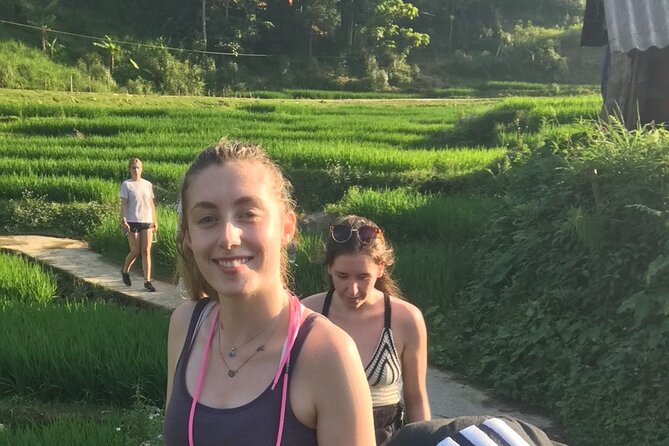
At some point on day 1, you end up in the Tả Van area and settle into your homestay/hostel night. This is where the tour earns points beyond hiking.
In past experiences, homestay setups have included practical cold-weather comforts such as electric blankets, plus hot water and friendly staff. That’s a big deal in Sapa. Even when the day is bearable, nights can feel sharp and damp, especially if you’re traveling outside peak warm months.
Food is another strong point. Descriptions include spectacular meals and a friendly atmosphere. You’re not just eating to fuel up—you’re eating as part of the village experience, which makes the night feel like part of the trip instead of a pit stop.
One more advantage: you’re not rushed. You get that day’s walking behind you, then you can take your time, chat with the guide, and get your head around day 2 before you step out again.
Day 2: Rice Fields, Bamboo Forest, and the Hau Thao Route
Day 2 begins around 9:00am with a guide pickup from the homestay. The walk starts from the Tả Van side again, then it shifts through rice fields and on to a bamboo forest section.
This is the day that often feels more “alive” up close. You’re moving at foot-level pace, so you notice details: the way crops sit across the slope, how water is managed, and how animals share the edges of farmland. One account specifically called out lots of water buffalo, plus baby chicks, ducks, and pigs along the way. Even if you don’t see every animal on your exact day, the setting is built to make you feel like you’re in the working landscape, not only passing it.
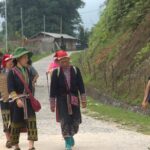
Another detail that helps: the guide is there with you the whole way and can explain what you’re seeing—rice field patterns, trail choices, and ethnic village life (including H’mong, Giay, and Red Dao references). It’s the kind of guidance that makes your photos better too, because you’ll know what you’re looking at instead of just collecting scenic shots.
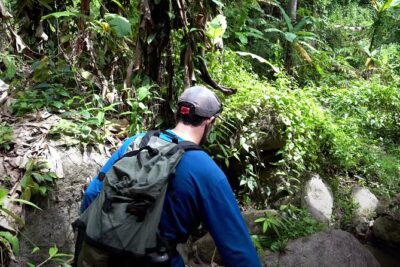
One practical note: because day 2 includes a forest and a different mix of paths, your shoes matter. If you’ve worn soft sneakers for city streets, this is where you’ll feel it. Wear something with grip, and bring layers you can handle if you start sweating and then cool down again under shade.
Hau Thao Waterfall: Where You May Actually Want to Get Wet
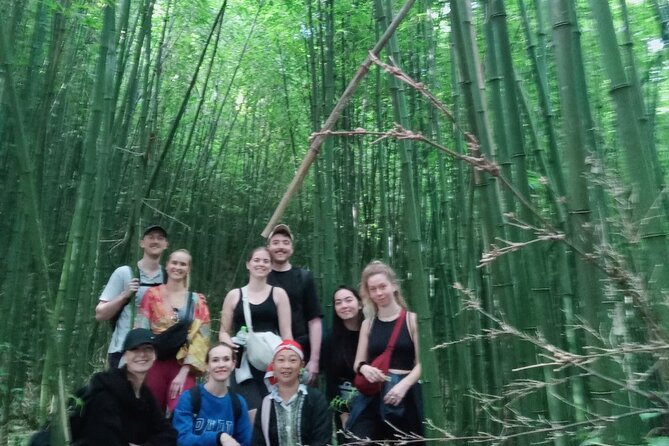
Day 2 continues toward the Hau Thao area, with a waterfall stop. The tour info specifically mentions a spot where you can swim depending on current conditions and weather.
Here’s the honest way to think about it:
- If it’s hot enough and water flow is manageable, you might get a refreshing dip.
- If it’s cold, foggy, or the area is slippery, you might treat it as a photo and rest stop instead.
Either way, waterfalls add a break in rhythm. After hours of walking through fields and bamboo, stopping near water gives you a reset moment—snack, cool off, and stretch before the final portion of the trek.
Also, since you’re in rural areas, keep expectations realistic. This isn’t a manicured swimming spot. Bring whatever you need to stay comfortable (like a small towel or quick-dry layer) if you think you’ll swim.
The Local Guide: Why English Help Changes the Whole Hike
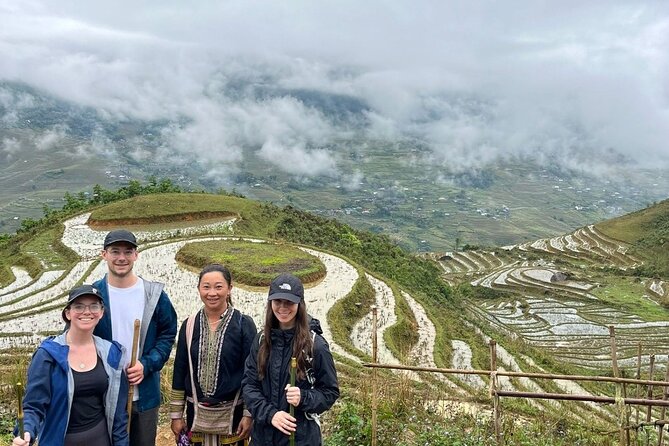
A good guide turns a trek from scenery into understanding. This one is described as having a local guide who speaks good English and is experienced, and the names Bang and Phin show up in past experiences for friendly, info-rich guiding.
What you should expect from that kind of guide:
- Cultural context while you walk through village areas (H’mong, Giay, Red Dao, and Giay are specifically referenced).
- Practical route choices, so you’re less likely to get slowed down or confused on paths.
- A calmer vibe. When someone knows the trails and the people, the group feels steadier.
For me, that’s the biggest value here. Walking through Sapa without context can still be pretty, but you’ll miss the “why.” With an English-speaking guide, you learn what crops and village life look like up close—and you can ask questions without guessing.
The small group size also helps. With up to 17 travelers, you get the benefits of company without feeling swallowed by a crowd.
Price and Logistics: Is $58 Good Value for This Trek?
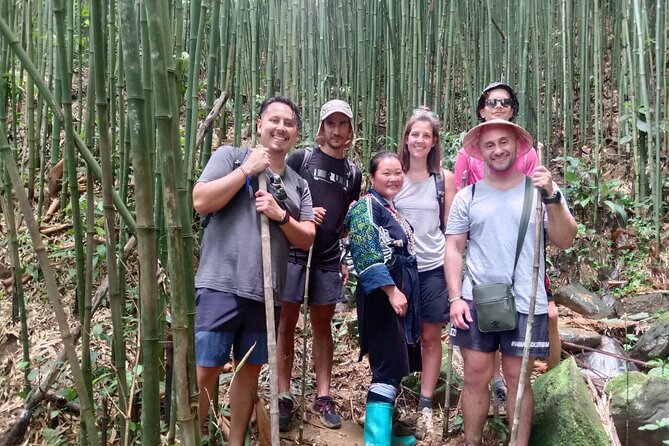
At $58 per person for roughly 2 days (with one night), this trek can be a good value if you want a guided walking experience with real meals and a homestay night.
Here’s what’s included based on the tour details:
- Breakfast
- Two lunches and two dinners
- 1 bottle of water per day
- A private car back to the bus station or meeting point
- Pickup offered within Sapa (not from Hanoi)
So your money isn’t only paying for footsteps. You’re paying for:
- Guide-led navigation and interpretation
- Food across the two trekking days
- Getting you back toward the bus/meeting point area smoothly at the end
Where you need to plan extra:
- You handle your own transport from Hanoi to Sapa (the tour notes it does not include bus pickup from Hanoi).
- You may still need to budget for things like personal snacks, extra drinks, or any items you want during breaks.
If you’re already in Sapa and you want a guided trek that doesn’t cut corners on meals and night comfort, the math makes sense. If you’re traveling from far away and still need to solve your own Hanoi-Sapa connection, factor that into the total cost.
What to Pack (So Cold Sapa Doesn’t Trick You)
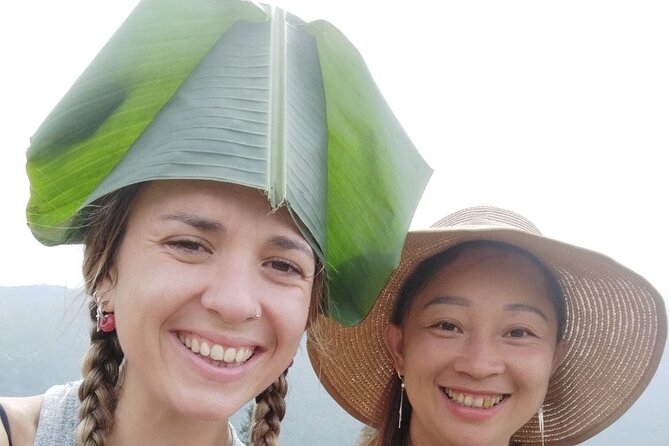
Sapa’s biggest prank is temperature. One review-style detail mentioned electric blankets for cold nights, but that doesn’t erase the fact that you’ll still hike in cool air, sometimes with fog.
Pack with the idea that you might sweat, then cool down fast:
- Sturdy walking shoes with grip
- A warm layer (fleece or similar) and a weather layer you can pull on quickly
- A lightweight rain jacket or poncho (fog can mean misty trails)
- A small bag for water and snacks (even though you get water, you might want extra bites)
- If you plan to swim at Hau Thao: swimwear and a quick-dry item
Also, bring some flexibility with your camera. When clouds roll in, you’ll still get texture and village life, but you might not get the same wide views as a clear-sky day.
Who This Trek Is Best For
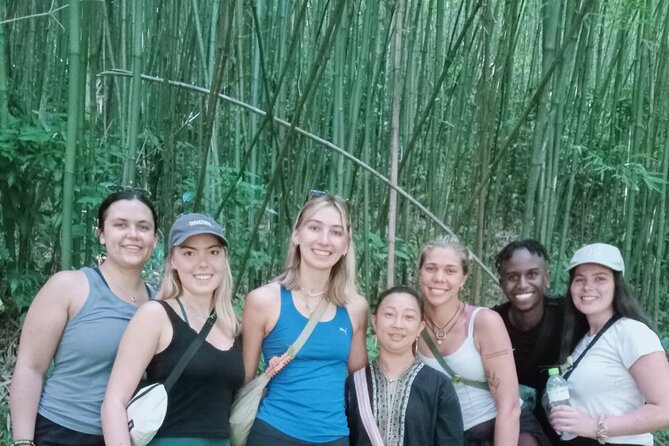
This is a smart fit if you want:
- A guided Sapa walking experience that includes village culture education
- A homestay night, not just a one-day trek
- A manageable hiking pace with a group size that stays under control (up to 17)
You’ll probably enjoy it most if you’re comfortable walking several hours per day. The day-by-day schedule is listed as about 8 hours each, and one guide-led trek was described as around 17km total. So it’s not for people who want a fully easy level.
Who should think twice?
- If you hate cold weather or wet, slippery conditions
- If you need an easy walking pace and prefer shorter distances
- If you’re only interested in a quick check of rice terraces without the village-and-guide component
Should You Book This Sapa Trek?
I think you should book this if you want the classic Sapa feel—rice fields, bamboo trails, village routes, and a homestay night—run with a local English-speaking guide. The best parts are the combination: guided village context plus enough time outside to feel the valley rather than just pass it.
I’d hold off if your priority is huge panoramic views every minute, because fog and cloud can limit far-distance sightlines in some seasons. Also, if you’re starting from Hanoi, make sure your budget and timing cover getting to Sapa on your own.
Quick decision rule
Book it when you want a guided 2-day trek with good food, a warm place to sleep, and meaningful cultural explanations while you walk. Skip it when you only want a short hike or you’re traveling with limited tolerance for cool mountain weather.
FAQ
How much is the Sapa trek (2 days, 1 night)?
It’s listed at $58.00 per person.
What time does the tour start?
The start time is 9:00am.
What’s included in the price?
The tour includes breakfast, lunch and dinner (two of each), 1 bottle of water per day, and a private car back to the bus station or meeting point. Pickup within Sapa is also offered.
Does the tour include transport from Hanoi?
No. The tour notes it does not include bus pick up from Hanoi.
Where do you trek on day 1 and day 2?
Day 1 focuses on trekking from Sapa down toward the Muong Hoa Valley and the Tả Van area. Day 2 includes trekking from the Tả Van village area through rice fields and bamboo forest toward Hau Thao.
Is a refund available if I cancel?
Yes. Free cancellation is offered up to 24 hours in advance for a full refund. If you cancel within 24 hours, the amount paid is not refunded.