REVIEW · MUKTINATH
Kathmandu/Pokhara: Annapurna Circuit Trek 10 days
Book on GetYourGuide →Operated by Peak to Peak Treks · Bookable on GetYourGuide
Altitude makes this trek a character test. What I love most is the Thorong La Pass payoff—then the rewarding drop toward sacred Muktinath. This route also throws you into village life in the Annapurna region, with terrain that keeps changing its mind.
I also really like the way this trek feeds your curiosity. You’re moving through the Annapurna Conservation Area, where the biodiversity is part of the experience, not just a line on a brochure. And in the towns along the way, you get cultural moments that feel practical and everyday, like conversations with families and small-stop temple visits.
The big consideration is altitude. At 5,416 meters, you need a calm head, good acclimatization, and proper planning—plus mandatory insurance for high-altitude trekking. And while teahouses are part of the fun, don’t expect hot showers or easy charging all the time.
In This Review
- Key points to know before you go
- The Thorong La Pass: The Moment You’ll Actually Remember
- Starting Out: Kathmandu to Dharapani and That First Real Climb
- Chame, Pisang, and Manang: When the Terrain Changes Personality
- Your Acclimatization Day in Manang: Use It Like a Tool
- Yak Kharka to Thorong Phedi: Preparing for the Big Crossing
- Thorong Phedi to Muktinath via Thorong La Pass: Long Day, Strong Payoff
- Kali Gandaki Gorge to Jomsom: Deep Canyons Between Giants
- Marpha Apples and Tatopani Hot Springs: The Fun Stops That Make the Route Human
- Poon Hill Sunrise and Ghorepani Rhododendrons: A Finale with Fresh Air
- Teahouses, Meals, and Charging: Comfort With Caveats
- Guide Quality: Why Kim, Nir, and Milan Make a Big Difference
- Value at $430: What You’re Really Paying For
- Should You Book This Annapurna Circuit Trek?
- FAQ
- What is the highest altitude on this trek?
- How long is the Annapurna Circuit trek, and where does it start and end?
- Is this a private group trek?
- What permits are included?
- What’s included in the price?
- What is not included?
- Is it suitable for everyone?
Key points to know before you go
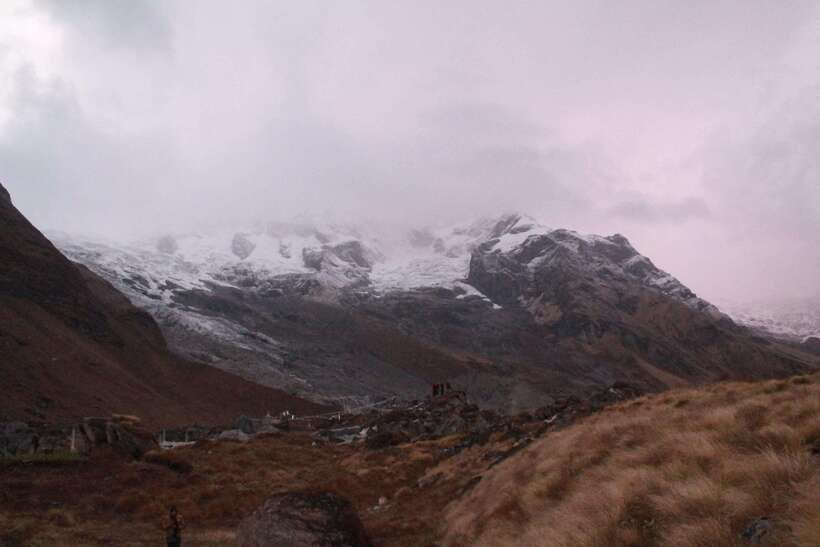
- Thorong La Pass (5,416m) is the signature challenge and view moment
- Manang acclimatization day gives you time to adjust before the high crossing
- Teahouse nights are included, but meals are on you
- Muktinath’s temples and monasteries add serious cultural weight
- Kali Gandaki Gorge is the jaw-drop section between towering peaks
- Good guiding matters, and names like Kim, Nir, and Milan show up in the team experience
The Thorong La Pass: The Moment You’ll Actually Remember
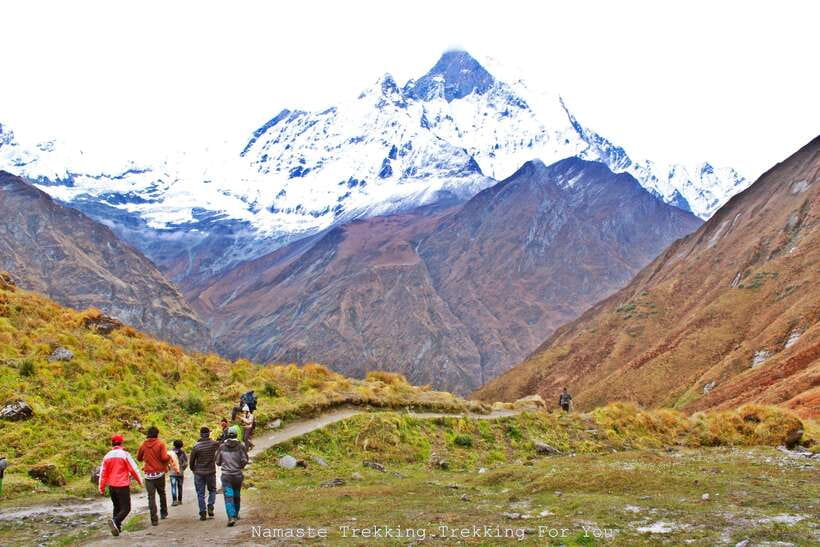
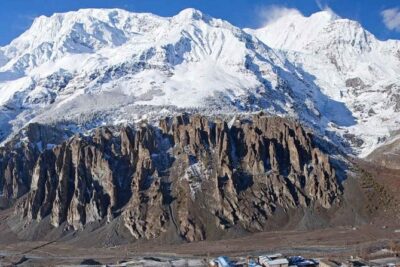
The Annapurna Circuit is famous for a reason, but the reason is simple: Thorong La Pass. You go from rugged, high terrain to big open views, with the kind of panorama where several major peaks feel close enough to point at. This crossing sits at 5,416 meters, so the day is equal parts effort and focus.
Here’s what that means for you in real life. If you treat the pass as a box to “complete,” you’ll feel it more. If you treat it as one long mountain process—slow steps, steady breathing, and listening to your body—you’ll get through it with a lot more confidence. And once you reach the other side, the reward is not only the views back—it’s the descent into Muktinath, where the mood shifts from high-alpine work to sacred exploration.
If you’re wondering what kind of day this is: it’s long, it’s high, and it’s the reason this trek is often chosen as a once-in-a-lifetime target. Bring patience. You’ll earn your rest.
Starting Out: Kathmandu to Dharapani and That First Real Climb
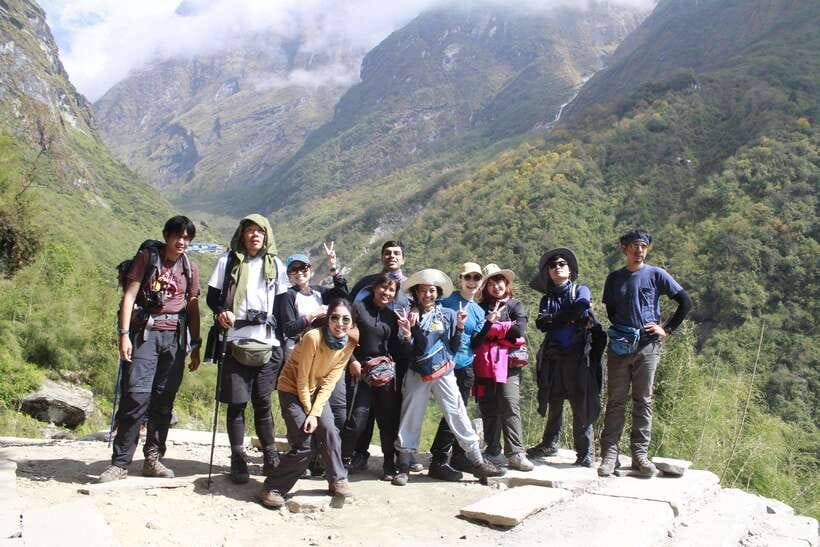
Most people don’t start “trekking” in Kathmandu. You start with driving, then you ease into the walking life with the first trek segment from Dharapani (1,860m).
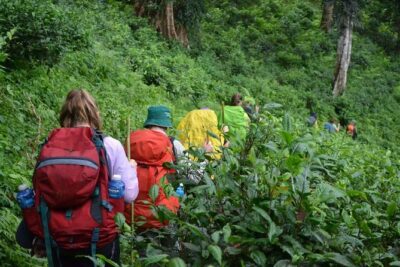
That first day matters more than it sounds. Starting in the lower elevations around the Annapurna region lets you get your rhythm without immediately going full pressure. You’ll be heading toward higher terrain along the Marsyangdi River, where terraced fields and villages give you constant visual anchors: people, cultivated slopes, and paths that look like they’ve been used for generations.
Dharapani is a good “hello” altitude. From there, the trek continues upward toward Chame (2,670m), and you’ll start feeling the altitude in small ways—slower pace, heavier breaths, and the need to drink consistently. This isn’t the day to push hard. It’s the day to start moving like you plan to finish.
Practical note: you’re likely to do several hours of travel on day one, and that changes how you feel on the trail. If you arrive stiff and cranky, it’s not a personal failure. It’s normal. Walk gently and let your body loosen.
Chame, Pisang, and Manang: When the Terrain Changes Personality
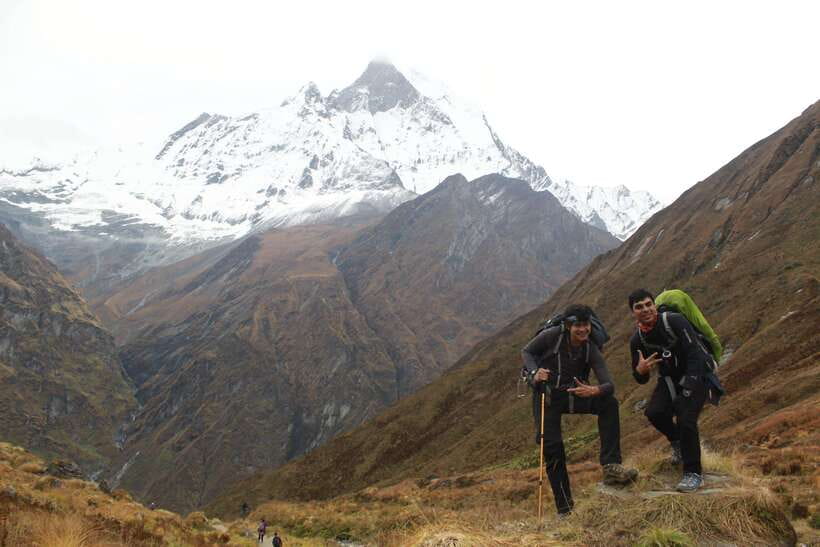
From Chame to Pisang (3,300m) and onward to Manang (around 3,540m), you’ll watch the environment evolve as you climb. The route starts moving through lush, lower-valley surroundings, then gradually shifts into alpine forest, and later toward more rugged, drier terrain that feels closer to the Tibetan plateau style.
This is also where the cultural side begins to feel real. You’re not just passing settlements—you’re walking through ethnic villages and seeing how trekking fits into daily life. In places like this, small details matter: how people cook, how they store supplies, and how everyone manages the flow of mountain visitors.
Manang is your key stop for two reasons:
- It sits at a higher altitude where the air feels thinner.
- It’s your chance to acclimatize before the bigger push.
If you like having structure in your trip, Manang is it. You don’t just arrive and immediately go higher. You take a breather, explore the area, and let your body catch up.
Your Acclimatization Day in Manang: Use It Like a Tool
The trek includes an acclimatization day in Manang. That’s not extra fluff. It’s a safety tool. At these altitudes, your body needs time to adjust, and the goal is to reduce strain during the high crossing.
What should you do with that day? Keep it simple:
- Get outside and move, but don’t treat it like a race.
- Take in the views, ask questions, and let your body learn the altitude.
- Eat well and drink steadily.
The best guide-led groups use this day to plan how you’ll feel later. In the experience you’re considering, guides like Nir are noted for checking in daily and adjusting the plan based on how you feel. That’s the kind of acclimatization mindset you want: calm and responsive, not stubborn.
Also, this is where a private group format can help. If you’re moving with a guide who listens, the acclimatization day becomes personal. You’re not stuck with one-size-fits-all pacing.
Yak Kharka to Thorong Phedi: Preparing for the Big Crossing
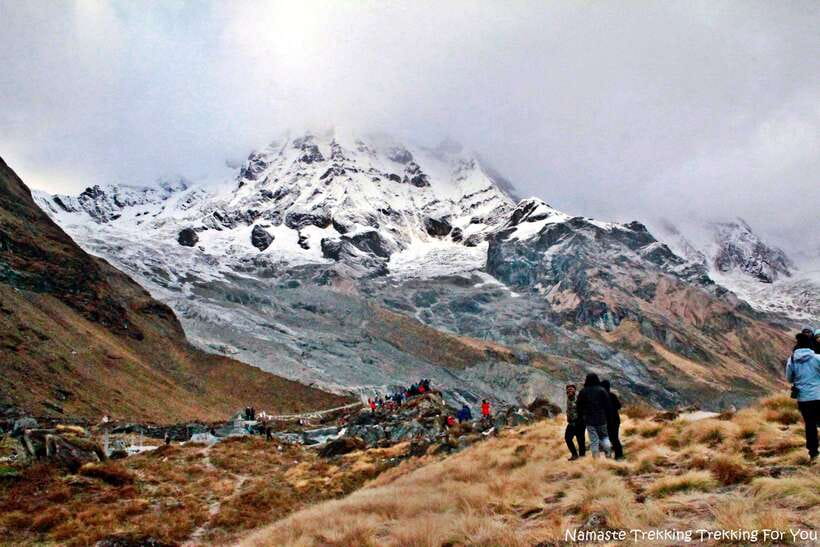
After Manang, the trek rises toward Yak Kharka (about 4,000m) and then to Thorong Phedi (about 4,450m). These higher trail sections feel more exposed. You’ll spend more time in terrain that looks drier and more rugged as you climb.
This part of the trek is about building altitude tolerance the smart way. You’re still walking forward, but you’re also setting yourself up for the crossing day. A lot of people underestimate the importance of this “in-between” work. The pass day is hard, but the days leading into it are what decide whether you arrive feeling prepared or stressed.
If you’re traveling with a strong guide—think of Khim/Kim for professional support, or Milan for safety-minded attention—you’ll notice a pattern: they keep things organized, watch your pace, and make sure you’re comfortable with the plan before the high day.
Thorong Phedi to Muktinath via Thorong La Pass: Long Day, Strong Payoff
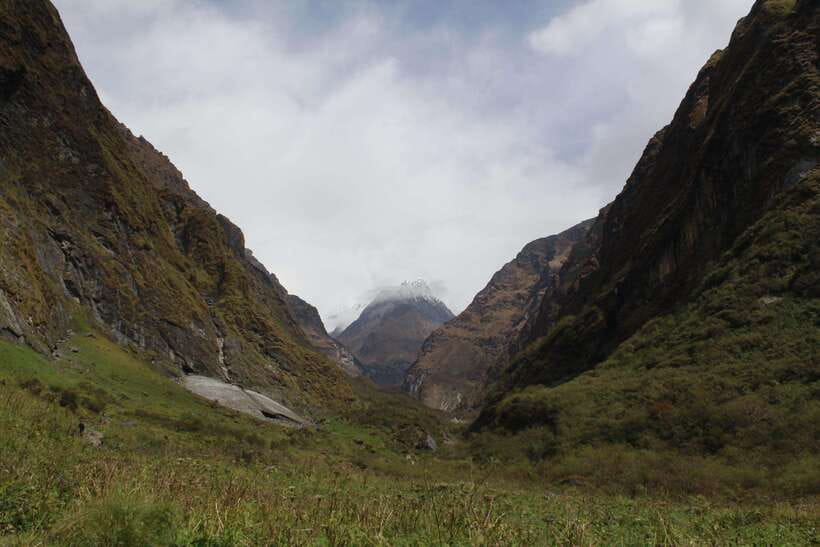
This is the signature sequence: Thorong Phedi to Muktinath via Thorong La Pass. You cross at 5,416m, then descend to Muktinath (about 3,710m).
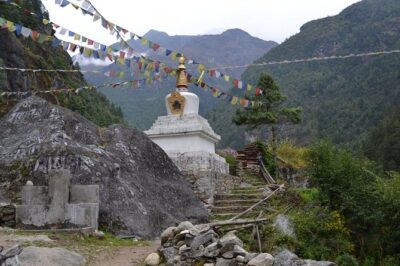
That swing in altitude is huge on your body. The pass is the big objective, but the arrival is what changes the feeling. You trade the high, wind-and-steps focus for something calmer and more spiritual. Muktinath is a sacred town with temples and monasteries, and it’s the kind of place where you can feel the route isn’t only about hiking—it’s also about pilgrimage and cultural meaning.
One of the strongest values of arriving in Muktinath after the pass is contrast. Your brain resets. You stop measuring effort minute-by-minute and start noticing details: stonework, prayer sites, and the flow of local life.
For you, this is also a good place to slow down and recover. You’ll have a long segment behind you, and the win is not only reaching the destination—it’s arriving intact.
Kali Gandaki Gorge to Jomsom: Deep Canyons Between Giants
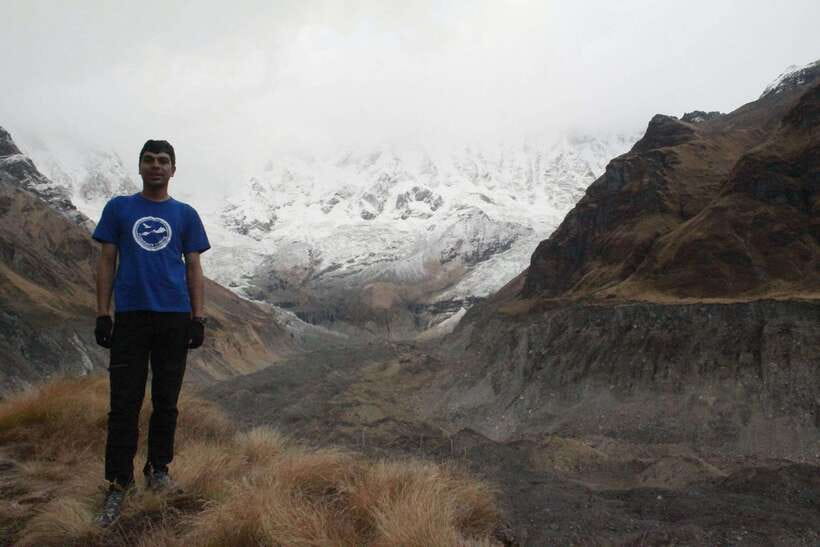
On day nine you head from Muktinath to Jomsom (about 2,720m). This section connects you to Kali Gandaki Gorge, described as the world’s deepest gorge. That phrase gets used often, so here’s the practical translation: you’ll get a powerful sense of scale when the gorge walls and towering peaks frame the valley.
Jomsom sits at a lower elevation than the high crossing. You’ll feel that difference fast, in breathing and energy. It’s not “easy” exactly, but it is a relief from the summit-stress.
Also, Jomsom is a reminder of the bigger system around trekking. This is a route people use, not only tourists. That gives the final hiking day a more grounded feel.
Marpha Apples and Tatopani Hot Springs: The Fun Stops That Make the Route Human
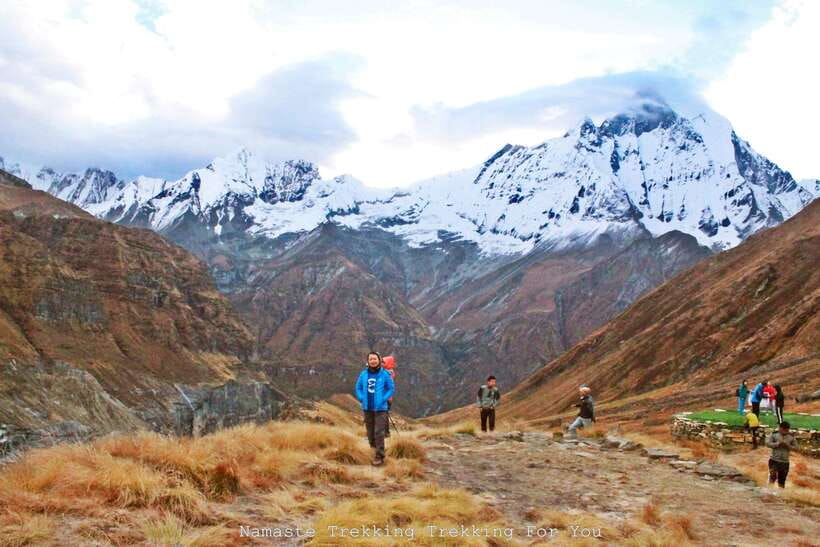
The Annapurna Circuit has big-mountain drama, but what makes it feel alive are the human-scale moments. Two that stand out in this trekking experience are:
- Marpha, known for apple orchards
- Tatopani, with natural hot springs
You don’t trek just to collect altitudes. You trek to feel like your days have texture. Orchard stops turn the mountain into agriculture—proof that people can thrive here. And hot springs are the mountain’s version of a spa: simple, warm, and genuinely helpful after days of walking.
If you like food with a sense of place, Marpha is the kind of stop that can make meals memorable without needing fancy restaurants. And after the high pass effort, Tatopani’s hot water can feel like an award you didn’t know you wanted.
Poon Hill Sunrise and Ghorepani Rhododendrons: A Finale with Fresh Air
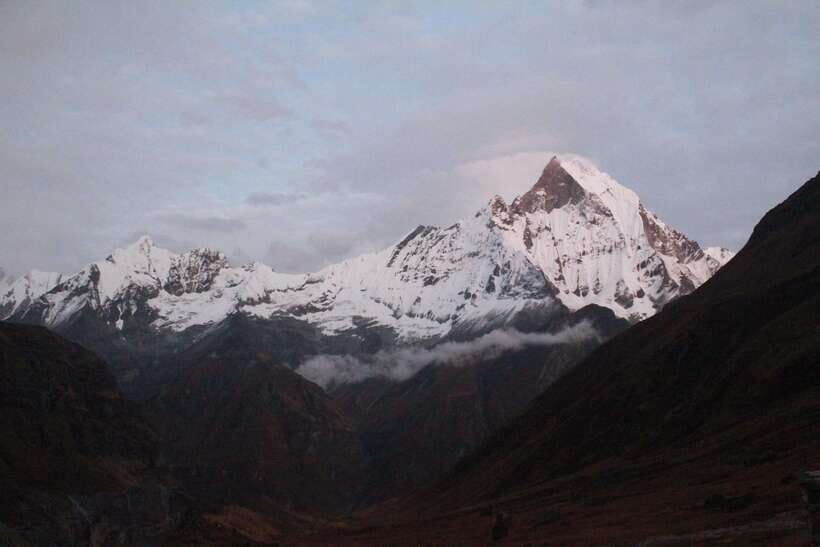
This version of the experience also points you toward the end-of-trek magic: Ghorepani in rhododendron-filled forests and an unforgettable sunrise at Poon Hill.
That kind of finish does two things for you:
- It turns your energy back on for a final early-morning push.
- It gives you a “wow” moment that isn’t just about effort—it’s about light, distance, and the way mountain shapes change as the sun climbs.
Even if you’re tired, a sunrise view can be worth it. Just remember that sunrise days are still early and still cold at altitude. Pack like you’ll be standing around for a bit, not like you’ll sprint.
Teahouses, Meals, and Charging: Comfort With Caveats
You’ll stay in teahouse accommodation during the trek. That’s part of the charm, and it’s also where expectations should be realistic.
Here’s the honest setup:
- Lodging is included during the trek.
- Meals are not included, so you’ll budget for food each day.
- Hot showers and charging facilities aren’t guaranteed at some teahouses.
What does that mean in practice? Your comfort will come from being prepared. Plan for basic sanitation, plan for limited power, and keep a lightweight battery strategy (offline maps, a power bank, and a “charge when you can” attitude).
The upside is that teahouses are built for trekkers. They’ll be busy, familiar, and designed around the trekking schedule. You’ll find warmth, company, and a place to dry out. Just don’t treat it like a hotel chain.
Guide Quality: Why Kim, Nir, and Milan Make a Big Difference
This is one of the few treks where guide style can dramatically change the experience. In the team experience you’re looking at, guides like Kim, Khim, Nir, and Milan are repeatedly described as professional and genuinely supportive.
What those names signal for you:
- You’ll likely get clear planning and constant check-ins.
- You’ll have someone who helps you feel safe and informed on tough days.
- You might find route tweaks when needed, including smarter ways to avoid rougher conditions.
One standout example is Nir, noted for supporting you throughout the trek, making sure you’re comfortable with the plan, and adjusting when needed. That matters on a high-altitude route because conditions and your body don’t always follow the schedule in your head.
Porters also matter, and Dill is mentioned as part of the team that made the experience feel smoother. If you’re carrying less, you can focus on breathing and pacing.
In short: pick a trek where the guide isn’t just present, but engaged. That’s what turns a good hike into a story you’ll keep telling.
Value at $430: What You’re Really Paying For
At $430 per person for 10 days, the value comes from what’s already covered, not from the headline price.
Included items that matter:
- ACAP and TIMS permits
- Transportation from Kathmandu or Pokhara to the trailhead and back
- Experienced English-speaking guide
- Teahouse accommodation during the trek
- First aid kit and trekking maps
- Farewell dinner
- Government taxes and service charges
What’s not included (so you should budget now):
- All meals during the trek
- Travel insurance (mandatory, and it must cover high-altitude trekking)
- Personal trekking gear like sleeping bags, jackets, trekking poles, etc.
- Hot showers and charging facilities (often limited)
So is $430 a bargain? It can be, because permits, guide support, and logistics are usually the hardest parts to sort yourself. But don’t let the included list fool you. Meals plus insurance plus gear can add up. If you already own the right clothing and trekking poles and you book strong insurance, you’ll feel the value immediately.
If you don’t, you’ll spend more than you expect, and that’s not a deal-breaker—just a planning point.
Should You Book This Annapurna Circuit Trek?
Book it if you want:
- a classic Annapurna Circuit experience with the Thorong La Pass highlight,
- a private setup with an English-speaking guide who can guide pace and decisions,
- and a trekking style based on teahouses, villages, and real mountain days.
I’d think twice if:
- you can’t commit to high-altitude safety practices (this trek includes a 5,416m pass),
- you’re looking for hotel-level comfort with guaranteed showers and charging,
- or you’re planning for a “meals included” budget (meals aren’t covered).
Also, it’s not suitable for pregnant women, based on the trek’s altitude demands.
If you want a straightforward decision: if you’re mentally ready for altitude and you like the idea of guided, teahouse-based trekking, this is a solid way to do it—especially with a guide team known for attentive support like Kim, Nir, Milan, and porter Dill.
FAQ
What is the highest altitude on this trek?
The highest point is Thorong La Pass at 5,416 meters.
How long is the Annapurna Circuit trek, and where does it start and end?
It runs for 10 days, starting with Kathmandu and ending with Pokhara (including driving segments).
Is this a private group trek?
Yes. This experience is listed as a private group, with a live English-speaking guide.
What permits are included?
The trek includes the ACAP and TIMS permits.
What’s included in the price?
Permits, all trail transportation from Kathmandu or Pokhara to the trailhead, an experienced English-speaking guide, teahouse accommodation, a first aid kit, trekking maps, a farewell dinner, and government taxes/service charges are included.
What is not included?
Meals during the trek, international flights, travel insurance (mandatory for high-altitude trekking), personal trekking gear (like sleeping bag/jacket/poles), and hot showers/charging at some teahouses are not included.
Is it suitable for everyone?
No. It is not suitable for pregnant women.
If you want, tell me your fitness level and travel month, and I’ll suggest what to prioritize for altitude readiness and packing.