REVIEW · MARRAKECH
2 days Toubkal adventure Trek
Book on Viator →Operated by Morocco Adventure · Bookable on Viator
The High Atlas rewards you fast. This 2-day trek to Jebel Toubkal gives you mountain views that feel almost unreal, starting with village walking in the Imlil area and ending with a summit break for photos over the High Atlas.
I especially like the meal support—breakfast, lunch, and other meals are included—so you can focus on walking instead of logistics. I also like the way the experience is built around local rhythm: muleteers handle luggage and equipment, and you walk with an experienced guide through Berber villages.
One consideration: this is not a sit-and-watch tour. You need strong physical fitness, and you’ll climb early on day 2 to reach the summit timing right.
In This Review
- Key Takeaways
- From Marrakech To Imlil: The Day Starts At 9:00am
- Day 1 Through Berber Villages: Imlil To Sidi Chamhrouch And Up To The Refuge
- The Night Before Day 2: Packing For An Early Sunrise Climb
- Reaching Jebel Toubkal: The Summit Break And That Look From Above
- Lunch Before The Descent: Fuel Then Head Down
- Guides, Drivers, And The Human Side Of The Trek
- Price And Value: What $90 Actually Buys In The High Atlas
- Who This 2-Day Toubkal Trek Is Perfect For
- Should You Book This 2-Day Toubkal Trek?
- FAQ
- Where does the trek start?
- What time does the tour start?
- What happens on day 1?
- What happens on day 2?
- Is lunch included?
- What about breakfast and coffee or tea?
- Do I need to bring a sleeping bag?
- What languages are the guides?
- How big is the group?
- How does cancellation work?
Key Takeaways
- Two summit moments: lunch at Sidi Chamhrouch (2,500m) on day 1, then a summit break on Toubkal on day 2
- Support on both days: muleteers manage luggage and gear while you hike with a guide
- Early start for day 2: breakfast around 5:00am with a climb beginning about 5:30am
- Small group size: maximum 12 travelers, which keeps the pace manageable
- Value bundle: transport from Marrakech, guide in English/French/Spanish, and meals included for $90
From Marrakech To Imlil: The Day Starts At 9:00am
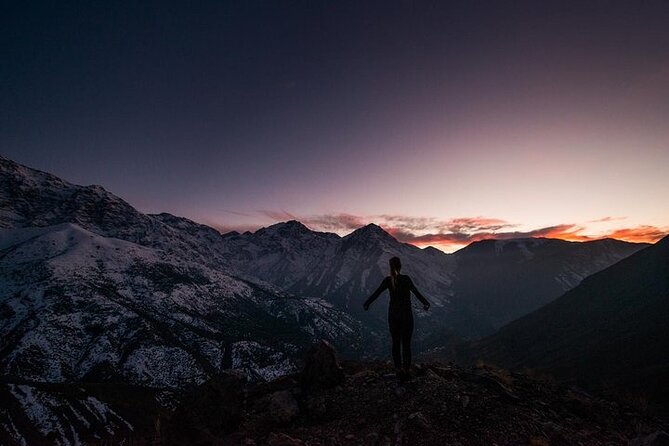
Your day begins after an early breakfast in Marrakech, then a driver takes you toward the High Atlas. The trek itself starts in Imlil at about 1,740m, roughly 67 km southwest of Marrakech, and you’ll spend this first stretch getting oriented and meeting the team.
This handoff matters more than it sounds. When you reach Imlil, you meet the guides and the muleteers who deal with luggage and the equipment side of things, so you’re not trying to micromanage your own pack while adjusting to mountain breathing.
Also note the start time: it lists 9:00am. That’s helpful because it gives you a clear plan for the day, even though day 2 becomes a very early morning.
You can also read our reviews of more tours and experiences in Marrakech.
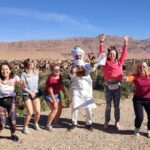

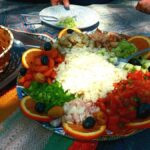
Day 1 Through Berber Villages: Imlil To Sidi Chamhrouch And Up To The Refuge
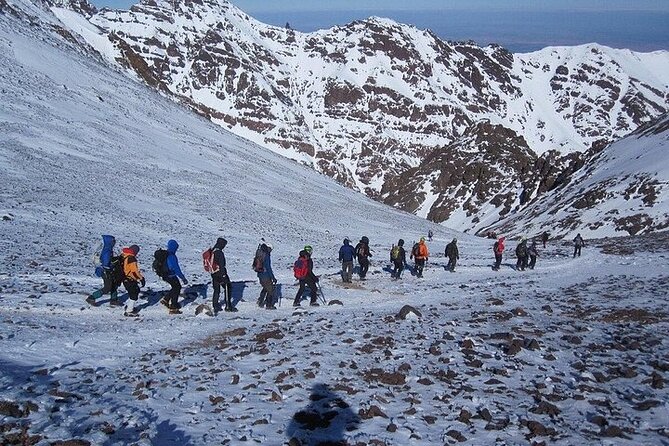
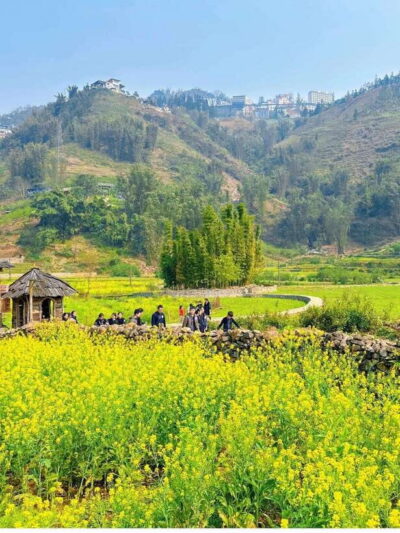
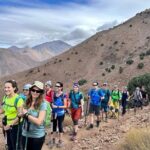
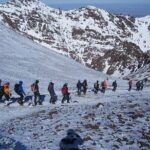
Day 1 is the “settle in and see Morocco up close” day. You start by meeting an experienced guide, then walking along mule tracks through Berber villages. The walking route is part of the point: it’s not just about altitude, it’s about moving through real communities and scenery at human speed.
A key stop is the shrine of Sidi Chamhrouch at around 2,500m, where lunch is ready for you. That lunch stop is a practical win. It breaks the hike into a clear first effort, then gives you time to regroup before continuing upward.
After lunch and a short break, you continue to the refuge at about 3,200m. The climbing from here is where the day transitions from “warm-up hike” into “real High Atlas terrain.” Since the muleteers handle luggage and equipment, you can keep your focus on the trail and the view—especially as the valley opens wider.
One more practical thing: day 1 ends at a hut/refuge setting, and a sleeping bag is not included. If you don’t have one, plan for how you’ll handle that before you go.
The Night Before Day 2: Packing For An Early Sunrise Climb
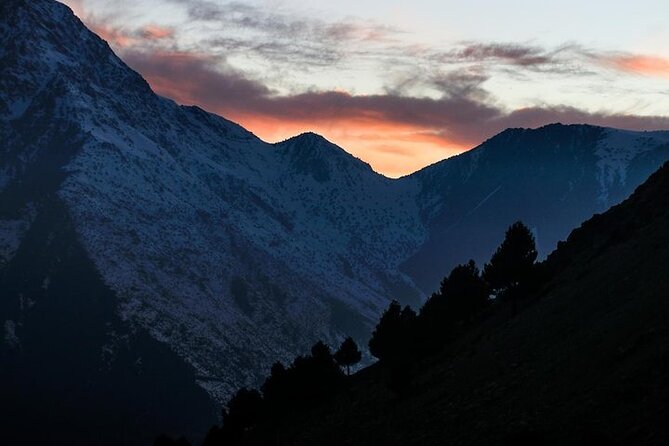
Day 2 begins with a deliberate early start. You wake up early to avoid the sunny way, with breakfast around 5:00am, then you start climbing at 5:30am.
This timing isn’t random. Early starts usually mean you’re hiking in more stable conditions and avoiding the harshest part of the day. It also helps you reach the main views when the light is best for photos and your legs are still fresh.
You’ll climb step by step until you’re above the hut, then take a short break with nuts and water. That break is small but important. It’s built into the rhythm of the ascent, so you can refuel without losing momentum.
Reaching Jebel Toubkal: The Summit Break And That Look From Above
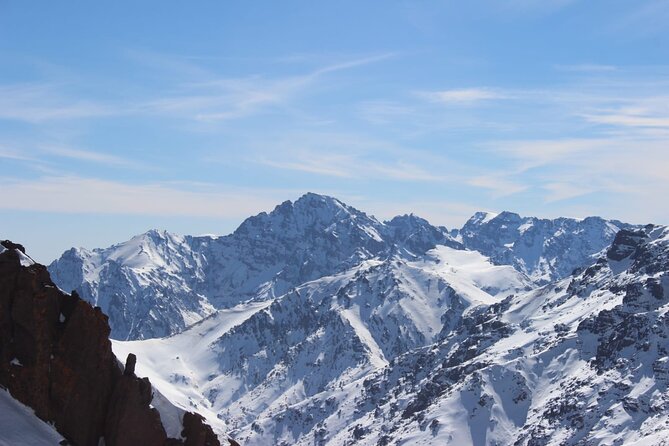
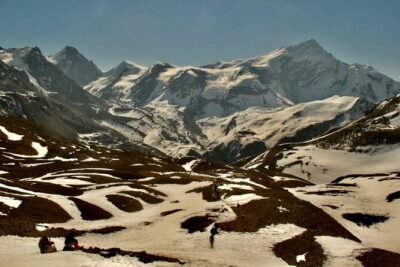
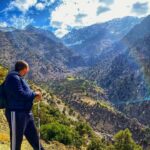
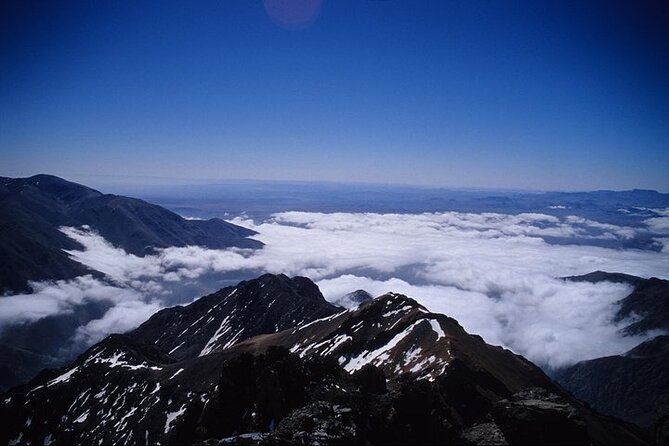
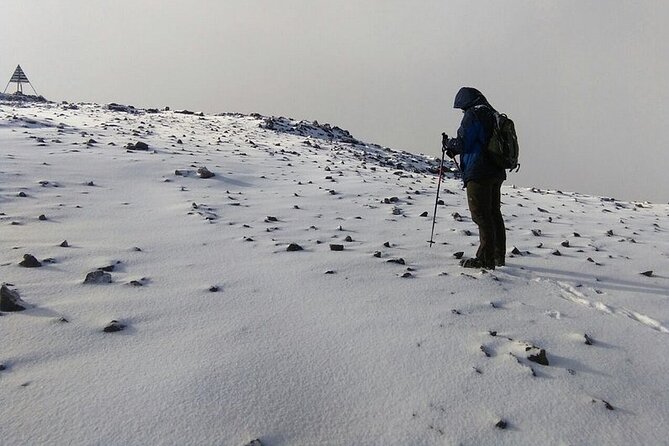
After about 3 to 4 hours walking up on day 2, you’ll reach the point where the whole High Atlas opens up. The experience describes seeing the high mountains like a view from the air, plus strong views of the green valleys and Berber villages.
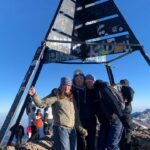
Then comes the big moment: a break on the summit of Mt Toubkal for pictures and time to enjoy the view. You’re not just “passing through” the top. The plan gives you a pause, and that’s what turns a hard climb into a memory.
A summit break also helps with pacing. If you’re tempted to sprint to the top, the structured stop lets you slow down, take in the panorama, and make sure you descend with your energy still intact.
From a practical angle, remember you’ll still be walking back down afterward. The summit is the reward, but your job is managing effort so the descent doesn’t wreck you.
Lunch Before The Descent: Fuel Then Head Down
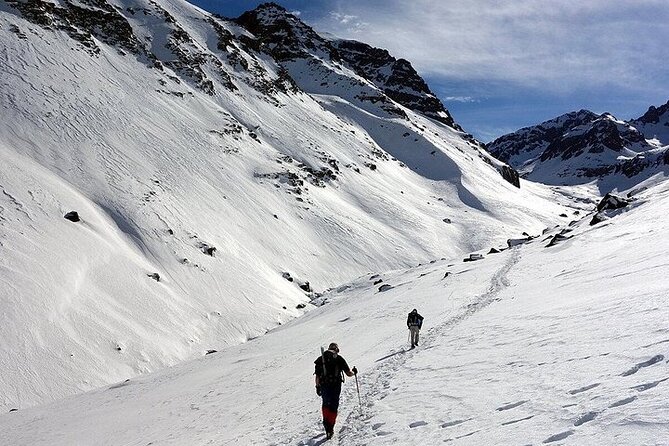
After the summit experience, you’ll have a diverse lunch before heading back down. The schedule is straightforward: eat, then walk down the hill.
This matters because a lot of treks fail in the “recovery math.” You spend the morning climbing, then you forget that your body still needs fuel before the long descent. Here, lunch before descent is part of the design, not an afterthought.
When you descend, keep in mind you’re returning from high altitude. Even if you feel strong on the summit, your footing and knee comfort can change on the way down.
So if you’re the type who likes to take it easy, this trek gives you the right structure: climb early, summit with a break, refuel, then descend.

Guides, Drivers, And The Human Side Of The Trek
The guide team is part of the value. Your guide can be English, French, or Spanish, and that language support makes a difference when you want to understand what you’re seeing—villages, routes, and local context.
Names that show up in the experience include Abdul and Abdula, who are described as professional and caring, with adjustments made for the group’s needs. Another name tied to safe, smooth transport is Ibrahim. Those are good signals: you want someone who handles the day calmly and keeps things organized.
There’s also a fun side in at least one account—someone nicknamed Daddy helped make the journey feel like more than just a hike. And there’s mention of Abdelhadi being great for the vibe and sense of fun. That’s not a guarantee on every date, but it suggests this crew knows how to mix serious mountain work with morale.
If you’re celebrating a birthday or traveling with friends who want good conversation, having a guide who will talk and explain can turn the trek into a shared story, not just scenery.
Price And Value: What $90 Actually Buys In The High Atlas
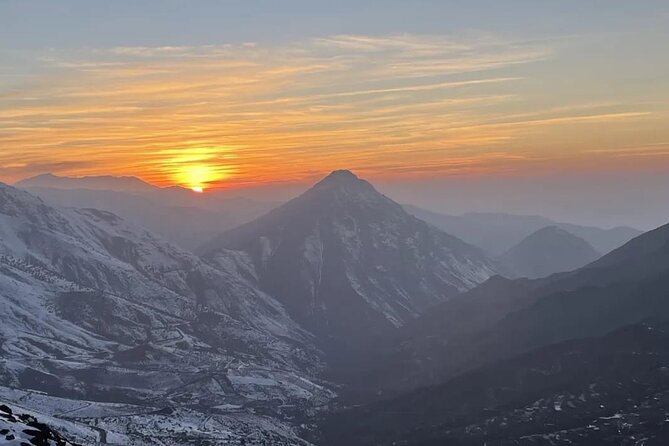
At $90 per person, this trek is priced in the “solid deal” zone, mainly because meals and transport are included.
Here’s what you get for the money:
- Transport from Marrakech (pickup offered)
- English/French/Spanish guide
- All meals included (breakfast and lunch are clearly built into both days)
- Coffee and/or tea
- A mobile ticket
What you do not get:
- A sleeping bag
- Tips
The smart way to judge value here is to compare against what it would cost you to arrange your own guide, move logistics from Marrakech, and cover food. Even if you already know how to hike, the biggest friction is always coordination. This tour bundles the coordination so you spend your time on the mountains, not on planning.
For packing, this is where you should stay sharp: because the sleeping bag is not included, you’ll want to bring one or make arrangements so you aren’t forced to improvise.
Who This 2-Day Toubkal Trek Is Perfect For
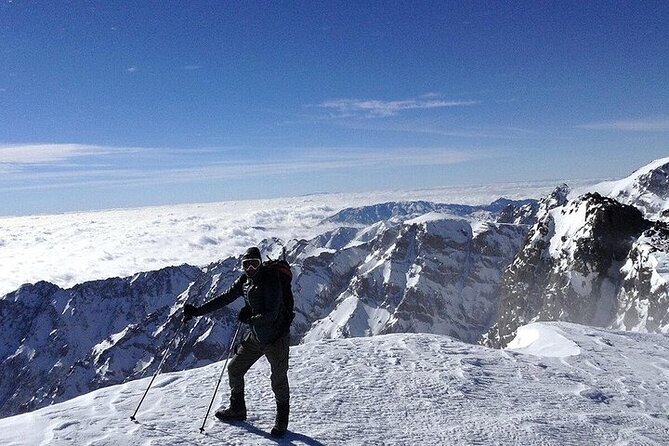
This tour is best for people who want a real mountain hike without turning it into a DIY project. You get muleteer support for luggage and equipment, plus an experienced guide, so you’re not carrying every logistics burden.
You should choose this if:
- You have strong physical fitness
- You want to see Berber villages along the route, not just the summit
- You like early mornings and accept that day 2 starts around 5:00am
- You want a small-group feel with up to 12 travelers
If you’re more of a relaxed vacation walker, this might feel like hard work. The climb to the summit and the later descent are the heart of the tour, so comfort comes from choosing the right pace for yourself—not from expecting easy walking.
Should You Book This 2-Day Toubkal Trek?
Book it if you want the classic High Atlas combo: village hiking, a shrine lunch stop, then sunrise-style summit effort with time to enjoy the view. The meals included detail is especially helpful, because it keeps you from turning a mountain day into a snack hunt.
Skip it or consider another option if you’re not ready for the early start and sustained climbing. Also think about the sleeping bag requirement up front; that’s the one missing piece that can create stress late in the process.
Overall, for $90 with transport, meals, and a guide in multiple languages, this is the kind of trek that gives you a lot of real experience for your money, as long as you’re physically up for the hike.
FAQ
Where does the trek start?
The trek starts in Imlil (about 1,740m), roughly 67 km southwest of Marrakech.
What time does the tour start?
The listed start time is 9:00am.
What happens on day 1?
You travel to the Imlil trailhead, then hike through Berber villages with your guide. You stop at the Sidi Chamhrouch shrine (about 2,500m) for lunch, then continue to the refuge (about 3,200m).
What happens on day 2?
You wake up early, eat breakfast around 5:00am, and start climbing around 5:30am. After several hours you reach the summit area for a break on Mt Toubkal, then you head down after lunch.
Is lunch included?
Yes. All meals are included, including lunch on day 1 and lunch before heading down on day 2.
What about breakfast and coffee or tea?
Breakfast is included, and the tour includes coffee and/or tea.
Do I need to bring a sleeping bag?
Yes. A sleeping bag is not included.
What languages are the guides?
The guide is listed as English, French, and Spanish.
How big is the group?
The tour has a maximum of 12 travelers.
How does cancellation work?
You can cancel for a full refund up to 24 hours in advance of the experience start time. The experience requires good weather, and if it’s canceled due to poor weather you’ll be offered a different date or a full refund.