REVIEW · POKHARA
From Pokhara: Budget 2 Night 3 days Poon hill trek
Book on GetYourGuide →Operated by couch adventure nepal (CAN) · Bookable on GetYourGuide
Three days, one giant sunrise payoff. This budget Poon Hill trek from Pokhara pairs lush forest walking with classic village scenery and the famous dawn show from Poon Hill (3,210m). I especially love the Annapurna and Dhaulagiri sunrise views and the fact that your nights are in cozy teahouse guesthouses instead of camping gear. The one real drawback to plan for is the pre-dawn start: you will be hiking in cold air, long before the sun shows up.
I also like how this trip feels built for real people, not just hard-core trail racers. With an English-speaking guide and private-group setup, you get help with the route and the small stuff that can otherwise eat your energy. And yes, I’m talking about guides like Prakash and Birendra Thapa, who are repeatedly praised for being attentive, safety-minded, and tuned into local life.
In This Review
- Key Things I’d Watch For on This Poon Hill Trek
- Pokhara to Kilu: the drive that sets your expectations
- Day 1 Kilu to Tadapani: forests, Ghandruk, and first serious views
- What could feel challenging on Day 1?
- Day 2 Tadapani to Ghorepani: Deurali Pass and sunrise prep
- Day 3 Poon Hill pre-dawn hike, Ulleri stairs, and the ride back
- Teahouses, food, and what to plan for each night
- Price and value: is $179 a fair deal for 3 days?
- Weather, altitude, and gear tips that keep the trek enjoyable
- Who should book this Poon Hill trek from Pokhara
- Should you book this Budget 2 Night Poon Hill Trek?
- FAQ
- How long is the Poon Hill trek package?
- Where does the trek start from?
- What is the highest point on this itinerary?
- Is accommodation during the trek included?
- Are meals included in the price?
- Do you need trekking permits?
- What kind of guide do you get?
- What time do you hike for sunrise?
- What should I bring?
- Is this trek suitable for wheelchair users or pregnant women?
Key Things I’d Watch For on This Poon Hill Trek
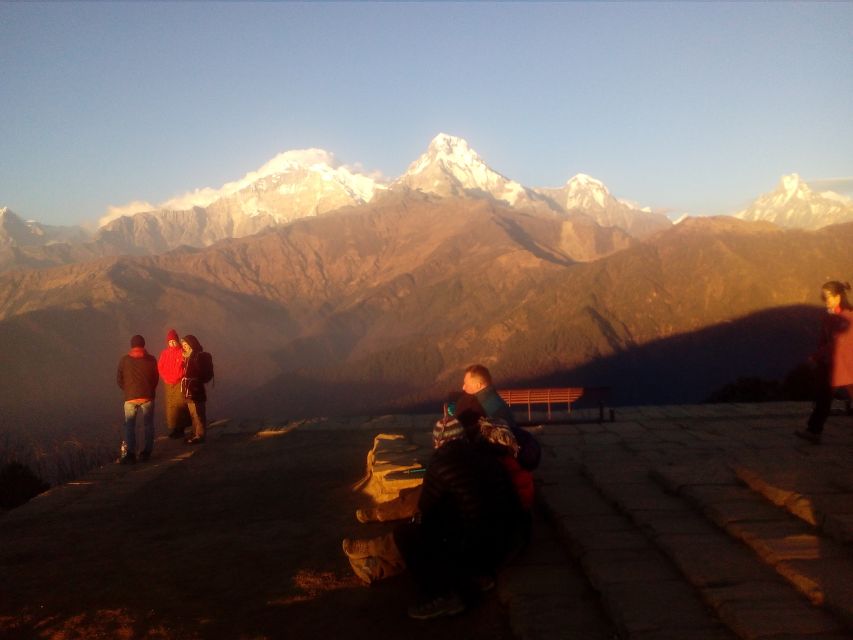
- Poon Hill sunrise viewpoint (3,210m): the whole schedule is built around that pre-dawn hike.
- Rhododendron and oak forests: walking feels scenic even before you reach the big viewpoint.
- Ghandruk, Tadapani, and Ghorepani villages: charming stops with warm, local teahouse rhythm.
- Teahouse nights instead of camping: you trade gear stress for stairs and steep footing.
- Comfortable pacing with guides: names like Kabindra, Amrit, Milan Rai, and Gobinda/Govinda come up for a reason.
- Food is not included: cash and a simple plan for meals will keep things smooth.
Pokhara to Kilu: the drive that sets your expectations
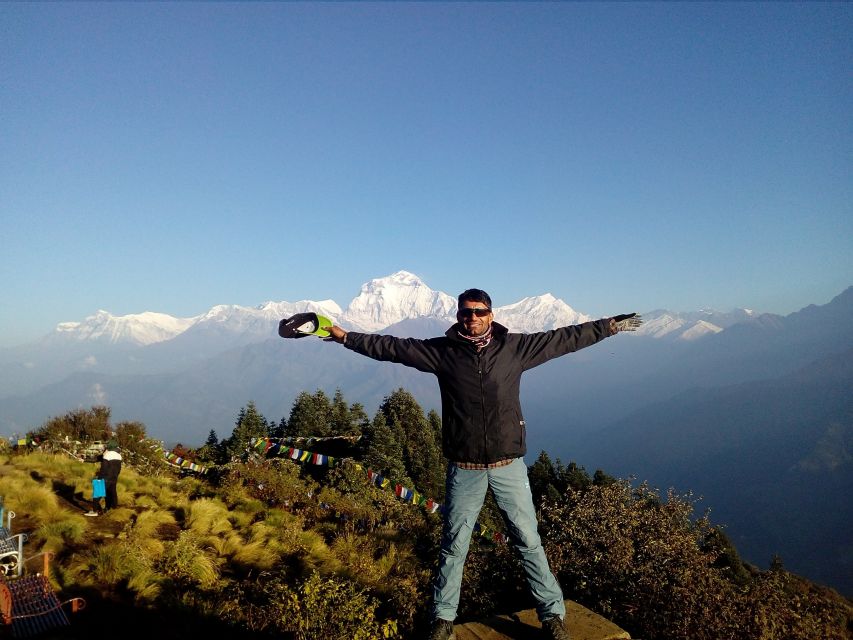
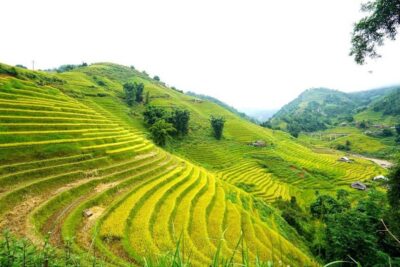
Your trek begins with a drive from lakeside Pokhara to Kilu, usually around 2 to 3 hours. This matters more than it sounds. You’re not just transferring location—you’re easing into the Annapurna region’s terrain, watching terraced fields, rivers, and village life roll past as the road climbs.
Kilu is a small starting point near Ghandruk, so you’ll get your first hiking day without wasting time. Once you start walking, expect a mix of gentle trail rhythm and real uphill effort. The early part of the day is often where the pace is easiest to manage, and a good guide helps you settle into a tempo that won’t fry your legs by day two.
If you’re the type who needs your day to feel organized, this start helps. You’ll be picked up from the lakeside Pokhara areas with a name card, and you’re not left guessing how to get to the trailhead.
You can also read our reviews of more tours and experiences in Pokhara.
Day 1 Kilu to Tadapani: forests, Ghandruk, and first serious views
On day one, you’ll trek from Kilu to Tadapani, reaching around 2,630m. The walk takes about 5 to 6 hours, and it’s a solid first day: enough effort to feel like a trek, not so brutal that you’re destroyed before sunrise planning starts.
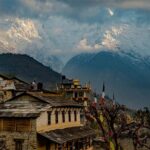
What I like about this day is the variety. You’ll move through lush rhododendron and oak forests, which keeps the trail from feeling monotonous. Then you pass through Ghandruk, a Gurung village known for culture and excellent mountain sightlines. This is one of those stops where you can pause, look around, and feel how local communities have shaped this trekking route over time.
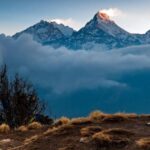
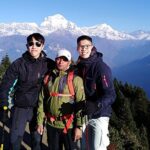
Along the way, you may catch glimpses of major peaks like Machhapuchhre (Fishtail) and the Annapurna range. Even when full views aren’t wide open, these flashes help you orient yourself—your eyes start understanding the mountain shapes you’ll chase on later mornings.
You finish in Tadapani, a peaceful hilltop village with panoramic views that can include Annapurna South, Machhapuchhre, and Hiunchuli. You’ll check into a teahouse guesthouse, eat something warm, and rest. This night is the first part of the “comfort plan,” because day two and day three get early-morning serious.
What could feel challenging on Day 1?
If you arrive in Nepal tired, day one will ask you to work a bit. The upside is that it stays in the moderate category and gives you time to adjust. The key is to follow your guide’s pace, not your adrenaline.
Day 2 Tadapani to Ghorepani: Deurali Pass and sunrise prep
Day two takes you from Tadapani to Ghorepani, up to about 2,850m. Expect 5 to 6 hours of trekking, and it’s a very practical day for first-timers because it’s structured: morning movement, a steady climb, and time to get settled before the famous viewpoint push.
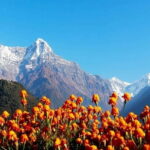
You’ll wake up early for a sunrise moment over the Himalayas from wherever you’re staying that morning. After breakfast, you set off toward Ghorepani through ridges and small settlements, with rhododendron forests along the route. If you’re going in spring, you might see the trail decorated with blooming rhododendron flowers—pretty, yes, but also a good sign you’ll likely get enough daylight and visibility to enjoy the walk.
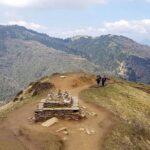
The route includes Deurali Pass before you descend slightly into Ghorepani. That pass section is where the trail can feel more “trek-y” than “walk in the woods.” It’s not designed to crush you, but it does remind you that altitude and uphill effort are real.
By evening, you’ll be in Ghorepani and checking into another teahouse. This is where the itinerary quietly works in your favor. Ghorepani is a hub for trekkers heading to Poon Hill, so you can eat an early dinner, plan layers, and get sleep without scrambling around for logistics.
Day 3 Poon Hill pre-dawn hike, Ulleri stairs, and the ride back
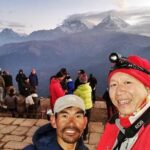
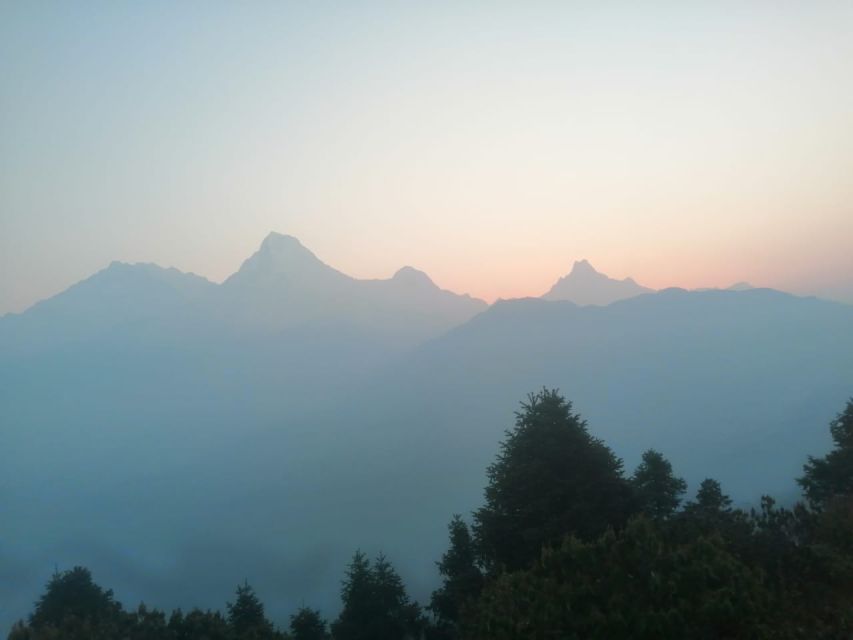
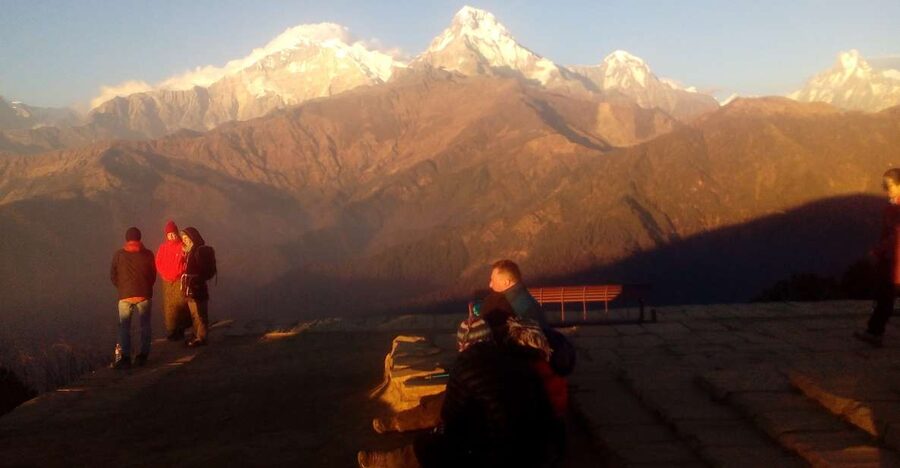
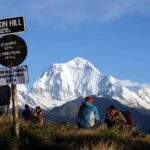
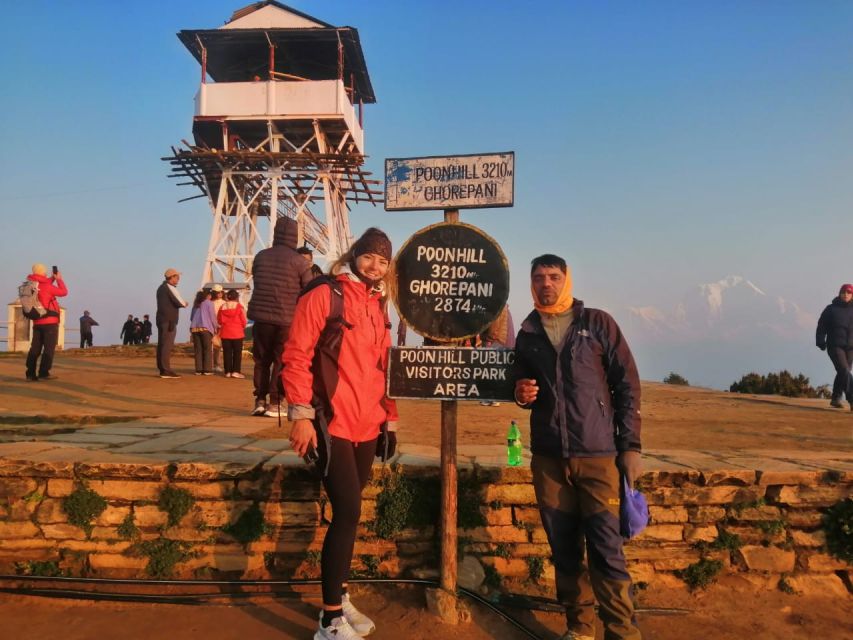
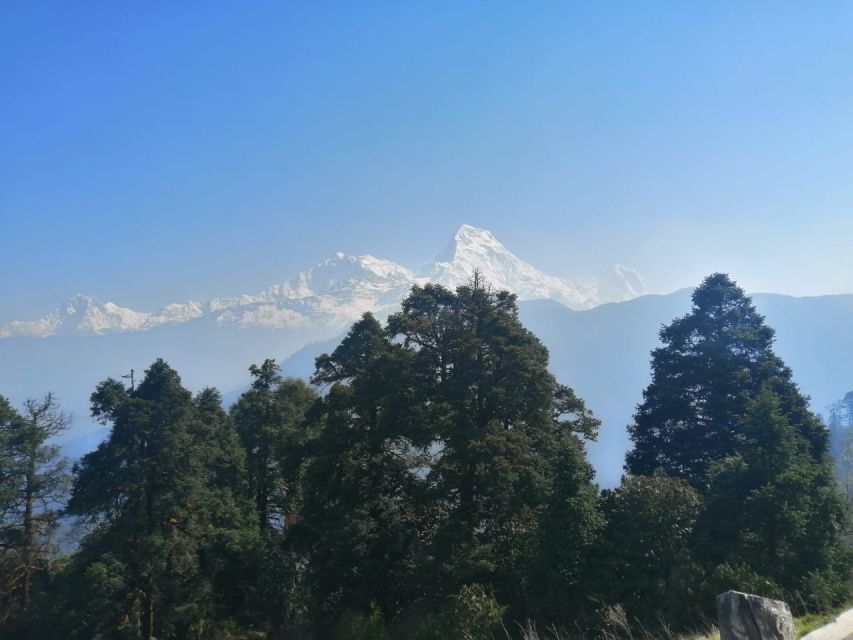
Day three is the big payoff. You’ll start the pre-dawn hike to Poon Hill (3,210m), a climb that usually takes 45 minutes to 1 hour. The goal is simple: be at the viewpoint in time for sunrise over the Annapurna and Dhaulagiri mountain ranges.
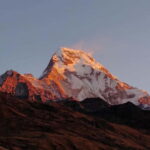
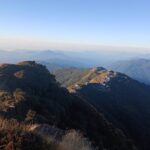
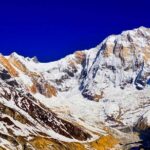
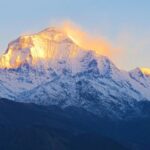
When the light hits, you’re looking for golden tones on snow-capped peaks. The highlights you can expect to see include Annapurna South, Hiunchuli, Machhapuchhre (Fishtail), and Dhaulagiri. Even if cloud cover rolls in, the effort still gives you an early-morning mountain atmosphere that feels unique—quiet, focused, and very different from daytime trekking.
After sunrise, you’ll descend back to Ghorepani for breakfast. Then the trail becomes a long, downhill rhythm through forests and villages, passing Nangethanti and Banthanti before reaching Ulleri.
Ulleri is known for stone-paved steps, which can be fun in a old-village way but also tough on knees. This is where a good guide matters again. You’ll feel more stable if you learn how to place your feet on uneven stone and keep your breathing controlled.
Once you finish at Ulleri, you’ll take a shared jeep or local bus back to Pokhara, arriving by late afternoon. It’s not the most luxurious ride, but it’s a smart way to keep the cost down for a short trek.
Teahouses, food, and what to plan for each night
This trek includes accommodation in guesthouses during the trek, which is a big part of why it works for beginners and families. You’re not hauling camping setups, and you’re not stuck with the kind of cold, minimal shelter that makes trekking miserable.
What’s not included is your food and drinks. That means you’ll buy meals at the teahouses. Bring cash so you’re not scrambling when you’re tired. One practical tip that shows up again and again: pack extra layers, because temperatures at higher elevations can drop quickly, especially around sunrise time.
Teahouse meals are usually simple and filling—perfect after a 5–6 hour hike. You don’t need gourmet expectations. You do need a flexible attitude: some days the dining room will be busy, and you’ll take your time, eat warm food, and get back to sleep.
Also, this is where guide personality really shows up. Guides named like Kabindra, Amrit, and Gobinda/Govinda are praised for helping with accommodation check-ins and making sure you’re comfortable at both tea houses. That hands-on support can make your nights feel calm instead of uncertain.
Price and value: is $179 a fair deal for 3 days?
At $179 per person for 3 days, this isn’t priced like a luxury expedition. It’s priced like a thoughtful, organized trekking package. Here’s where the value comes from.
You’re getting:
- Pokhara-to-Kilu transfer by private vehicle
- Ulleri-to-Pokhara return by shared jeep or bus
- A professional English-speaking guide
- Permits and official documents
- Teahouse guesthouses for the trek nights
- Entrance fees at Poon Hill
- Emergency first aid kit with the guide
The main thing you’re paying extra for is your day-to-day sustenance: food and drinks are on you. That’s normal for Nepal trekking, but it also means your total trip cost depends on how much you snack and drink between meals.
The best way to judge this price is to compare it to the cost of doing it on your own. Hiring a guide still costs money, but for a short trek, it can be worth it for stress reduction, permit paperwork handled for you, and a faster path to the viewpoints. For many people, that trade is exactly what they want.
Weather, altitude, and gear tips that keep the trek enjoyable
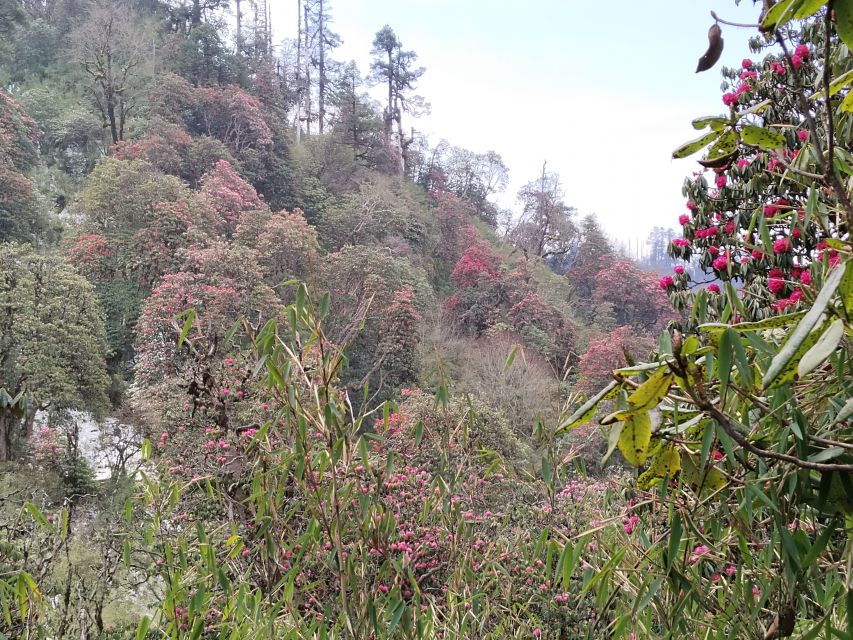
This is one of those treks you can do year-round, but the best timing is spring (March to May) and autumn (September to November). Those seasons tend to bring more stable weather and clearer mountain views.
Still, weather in the mountains can change fast. One review note that matters: even in rainy-season conditions, the trek can still deliver amazing Poon Hill views, but you should treat bad weather as part of the job. If you’re going off-season, expect wet trails and lower visibility.
Altitude-wise, you’re moving from Kilu up to Tadapani and Ghorepani, with Poon Hill as the main high point at 3,210m. This is not the kind of trek where you’re living at extreme altitudes, but it’s still high enough that cold and temperature swings are real. You’ll feel it most early in the morning.
Here’s my practical gear checklist based on what’s explicitly recommended:
- Passport or ID card
- Warm clothing
- Comfortable shoes (non-negotiable for stone steps and downhill)
- Cash (for food and drinks)
- A simple strategy for layers so you can add/remove as you climb
Also, this trip is not suitable for wheelchair users and not suitable for pregnant women. Pets aren’t allowed either. That isn’t a small detail—it’s the difference between a smooth plan and a no-go situation.
Who should book this Poon Hill trek from Pokhara
This is a great choice if:
- You want the classic Annapurna sunrise experience in a short time window
- You’re a beginner or you prefer a moderate trek rather than a long, rugged grind
- You value teahouse comfort over camping
- You like villages and forests, not just peak-chasing
It’s also a smart option if you’re traveling solo and care about feeling looked after. Names like Prakash, Milan Rai, and Kabindra show up in the guide praise for being attentive and helping people feel safe. That peace of mind matters when your itinerary includes a pre-dawn hike and shared transport.
Where it might not fit:
- If you want a fully inclusive package with meals pre-paid, this isn’t that (food/drinks are extra).
- If cold mornings and uphill stairs don’t sound appealing, reconsider or plan very carefully with layers and shoes.
This is a private group tour, run by Couch Adventure Nepal (CAN). That tends to make the experience feel less crowded in planning, even though the Poon Hill viewpoint area can be naturally busy on most trekking routes.
Should you book this Budget 2 Night Poon Hill Trek?
I’d book it if you want one of the most efficient ways to get Himalayan views without spending a week hiking. The schedule is tight, the trekking time is manageable, and the payoff is immediate: you’re built around sunrise from a high point.
Do it if you’re happy to handle your own food and drinks with cash, and if you can commit to early starts and warm layers. If those sound like small trade-offs, you’ll love this trek’s mix of forests, village stops like Ghandruk, and that unmistakable pre-sunlight magic on Poon Hill.
If you hate stairs or downhill pain, you should still consider it—but prepare your knees, wear good shoes, and take your time on the stone steps around Ulleri.
FAQ
How long is the Poon Hill trek package?
It’s a 3-day experience with 2 nights on the trek.
Where does the trek start from?
You’ll be picked up from your hotel in the lakeside Pokhara area, then driven to Kilu to start trekking.
What is the highest point on this itinerary?
The main viewpoint is Poon Hill at 3,210m.
Is accommodation during the trek included?
Yes. You get guest house (teahouse) accommodation during the trek nights.
Are meals included in the price?
No. Food and drinks are not included, though you can buy them along the way at teahouses.
Do you need trekking permits?
Yes. The package includes trekking permits and all official documents.
What kind of guide do you get?
You get a professional, friendly guide who is English-speaking (and the tour guide languages include English, Hindi, and Nepali).
What time do you hike for sunrise?
You’ll start the pre-dawn hike to Poon Hill, which takes about 45 minutes to 1 hour.
What should I bring?
Bring passport or ID card, warm clothing, comfortable shoes, and cash.
Is this trek suitable for wheelchair users or pregnant women?
No. It’s not suitable for wheelchair users and not suitable for pregnant women.