REVIEW · HANOI
From Hanoi: 2-Days Sapa Trekking Tour Lao Chai and Cat Cat
Book on GetYourGuide →Operated by Anny Travel · Bookable on GetYourGuide
Sapa pulls you in fast: mountains, rice terraces, and ethnic villages within reach. I like that this trip is built around the most famous stops—Cat Cat plus Lao Chai and Ta Van—so you get real contrast between valleys, waterfalls, and terrace walks. The other big win is the human part: you’re not just passing by; you get a local guide’s take on daily life and customs at the villages. One watch-out: weather and route conditions can swing hard, and one long, muddy trek segment can feel more intense than you expect if it’s foggy or drizzly.
In This Review
- Key Points That Matter Before You Go
- A Two-Day Sapa Trip That Fits Real Life (and Real Time)
- Price vs. Value: What $92 Covers (and What You’ll Feel)
- Day 1: Hanoi to Sapa, Then Cat Cat by Way of a Waterfall
- Lao Cai stop: costumes and first local context
- Cat Cat village: Black H’mong life in a deep valley
- The waterfall walk: 3 km, about 2 hours
- Back to Sapa town: your evening is free
- Day 2: The Rice Terrace Trek from Lao Chai to Ta Van
- Lao Chai: rice terraces and Muong Hoa streams
- Arrival at the Black Hmong area, then toward Ta Van
- Ta Van Bridge pickup and return to Sapa center
- The Best Parts: Guides, Villages, and the Cat Cat Detail
- The Trade-Offs: Rushed Timing, Potential Tourist Stops, and Weather Reality
- Who This Tour Is Best For (and Who Should Skip It)
- Practical Tips So You Don’t Have a Bad Time
- Should You Book This 2-Day Sapa Trek with Anny Travel?
- FAQ
- How long is the tour?
- What does the tour include?
- What are the main trekking sections?
- Is there an English-speaking guide?
- Where are pickup and drop-off points?
- What should I bring?
- Who should not join this tour?
Key Points That Matter Before You Go

- Cat Cat trek to a waterfall with a 3 km, about 2-hour downhill-and-back walk near Fansipan
- Village-to-terrace trekking on Day 2 along rice fields and Muong Hoa streams (about 9–12 km, ~3.5 hours)
- English live guide, plus helpful local guidance inside the villages
- Fast-moving schedule (two short days), so it can feel rushed once you’re in motion
- Transport is a big part of the experience: long drive from Hanoi, bus changes can feel confusing
- Expect souvenir pressure in some village areas and pack your patience for that culture of selling
A Two-Day Sapa Trip That Fits Real Life (and Real Time)
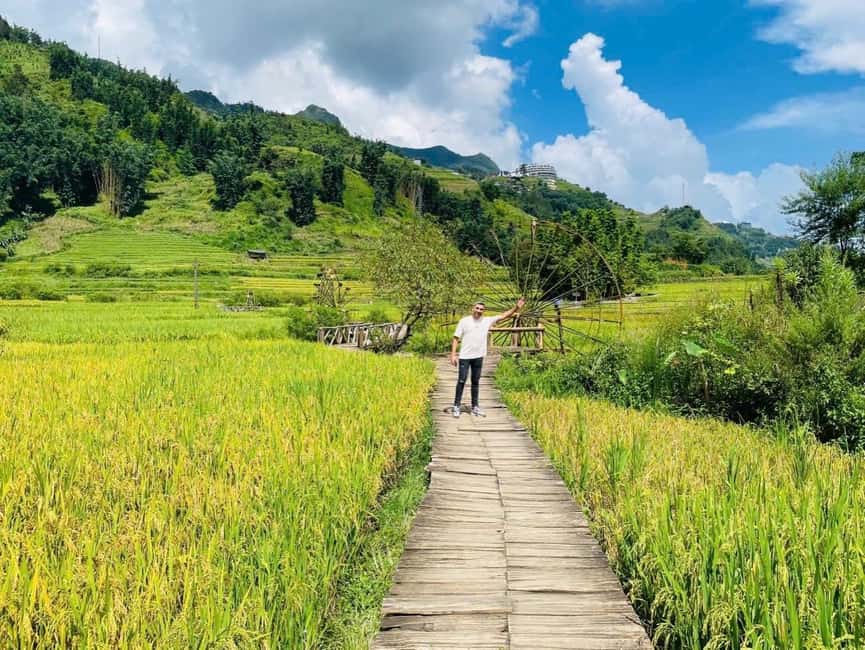
If you want Sapa without spending your whole week planning, this 2-day format is a practical choice. You leave Hanoi in the morning, ride up by limousine-style transport, and spend one night in Sapa before heading back to Hanoi late evening. For many people, that’s the sweet spot: enough time to see village life and walk in the hills, not enough time to lose control of your schedule.
I also like the “big-name village” approach. Cat Cat, Lao Chai, Ta Van, and Giang Ta Chai are the headline areas, and the itinerary is clearly designed around giving you those stops in a tight timeframe. You’ll spend less time guessing where to go and more time actually walking and looking.
You can also read our reviews of more tours and experiences in Hanoi.



Price vs. Value: What $92 Covers (and What You’ll Feel)

At $92 per person for 2 days, this tour sits in the “good value if it runs smoothly” category. You’re paying for: round-trip transport from Hanoi, an overnight stay, an English-speaking guide, and guided treks between key villages. You also get built-in meals at the times the itinerary specifies—lunch on Day 1, plus breakfast and lunch on Day 2.
Where you feel the value most is in the structure. You don’t have to organize transport, storage for luggage, and village handoffs. Where you might question the value is when the day feels rushed or when a trek segment ends up feeling more like a walking route through busy spots instead of a long, dramatic hike (that contrast showed up in experiences I’m using to calibrate expectations).
Day 1: Hanoi to Sapa, Then Cat Cat by Way of a Waterfall

The day starts with pickup from your hotel in Hanoi’s Old Quarter. From there you head toward Sapa by luxury limousine-style transport, with an early stop in Lao Cai for breakfast on your own. This is one of those “simple but useful” details: you get a break before the final push into Sapa, and it prevents you from arriving at Sapa starving and cranky.
Lao Cai stop: costumes and first local context
Before you reach Sapa, you stop in Lao Cai city, where you can see colorful traditional clothing connected with groups such as H’mong, Dzao, and Tay people. It’s not a museum stop; it’s more of a quick, visual primer that helps you recognize why these villages matter.
Then you arrive in Sapa and have lunch at the hotel. After that, the real trekking begins.
Cat Cat village: Black H’mong life in a deep valley
Cat Cat sits near the bottom of a deep valley at the foot of Fansipan Peak. A local guide leads you through the village area, focusing on daily life in the community of the Black H’mong. This is one of the parts I’d put at the top of your list: you’re not just taking photos of scenery; you’re hearing how people live in the mountains.



The waterfall walk: 3 km, about 2 hours
You’ll trek down to a waterfall area and there’s a strong historical hook. The French built a hydraulic power station here, and the walk gives you a chance to see the setting and take photos. The route is about 3 kilometers and roughly 2 hours for the down-and-up loop.
If you’re the type who hates “wet feet,” this is also where I’d think ahead. In rough weather, these valley routes can become slippery and muddy. Bring comfortable shoes you trust on uneven ground, not just city sneakers.
Back to Sapa town: your evening is free
After the day’s walk, you return to Sapa town. The itinerary then leaves your evening open for you to explore at your own pace. That flexibility matters because after long drives and a trek day, you’ll want time to reset—grab a warm drink, wander the streets, or just rest.
Day 2: The Rice Terrace Trek from Lao Chai to Ta Van

Day 2 begins with breakfast at your hotel. You’ll also keep your luggage in storage at reception, then pack light for the trekking portion. That small planning detail helps: you won’t have to carry extra bags around villages.
Lao Chai: rice terraces and Muong Hoa streams
You head toward Lao Chai village via rice terraces and along Muong Hoa Streams. The walking time is about 3.5 hours, covering roughly 9–12 kilometers depending on ability and how the guide shapes the pace. You’ll see Hoang Lien Son Mountain views along the way, and you’ll also be in the walking corridor between village life and agricultural land.
This is where the tour’s promise starts to feel real. Treks like this don’t just show you scenery; they show you how the landscape is used. Terraces are practical farming steps carved into steep ground, and walking next to them gives you scale fast.
Arrival at the Black Hmong area, then toward Ta Van
Lao Chai is described as reaching the Black Hmong village area, and the next segment moves you toward Ta Van, which is associated with the Dzay people. Your guide adjusts the itinerary based on your trekking level, which is important when you’re dealing with a range of fitness in a group.
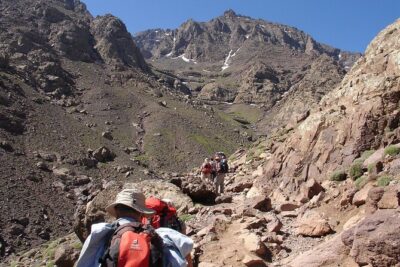
One real-world caution: if the weather is poor, sections of the route can turn into deep mud. I’d treat that as a strong hint to bring footwear that grips and to go in with a “slow and steady” mindset rather than expecting clean, dry paths.
Ta Van Bridge pickup and return to Sapa center
Once you reach Ta Van, you return to Sapa using the bus pickup at Ta Van Bridge. Then you’re back in Sapa for a break and lunch at the hotel. After that, there’s more free time, and then you meet your group again to start the ride back to Hanoi.
The return bus typically leaves around 14:00, with a break during the journey and arrival in Hanoi late evening.
The Best Parts: Guides, Villages, and the Cat Cat Detail
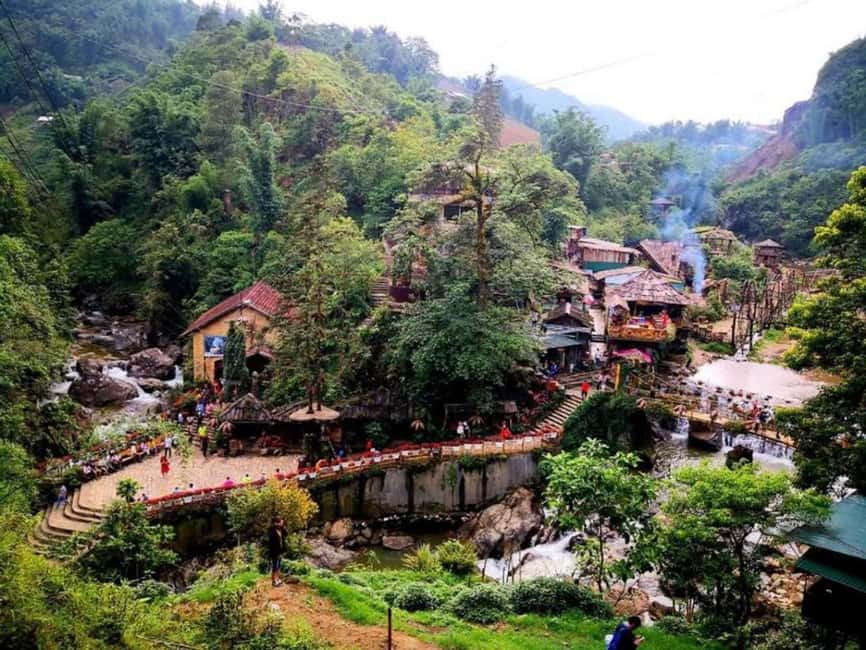
The strongest praise in the experiences behind this tour centers on two things: the people telling the story and the parts that feel genuinely local.
First, the village guidance. When the local guides are on their game, you learn more than just facts about a place. You pick up daily-life context, and the experience shifts from sightseeing to understanding. I especially value that in Sapa because the region’s cultures are living communities, not just photo backdrops.
Second, Cat Cat lands well for many people—especially the Cat Cat village portion. The combination of a guided walk, a deeper valley setting, and that waterfall/power-station backdrop gives you variety within a single stop.
The Trade-Offs: Rushed Timing, Potential Tourist Stops, and Weather Reality
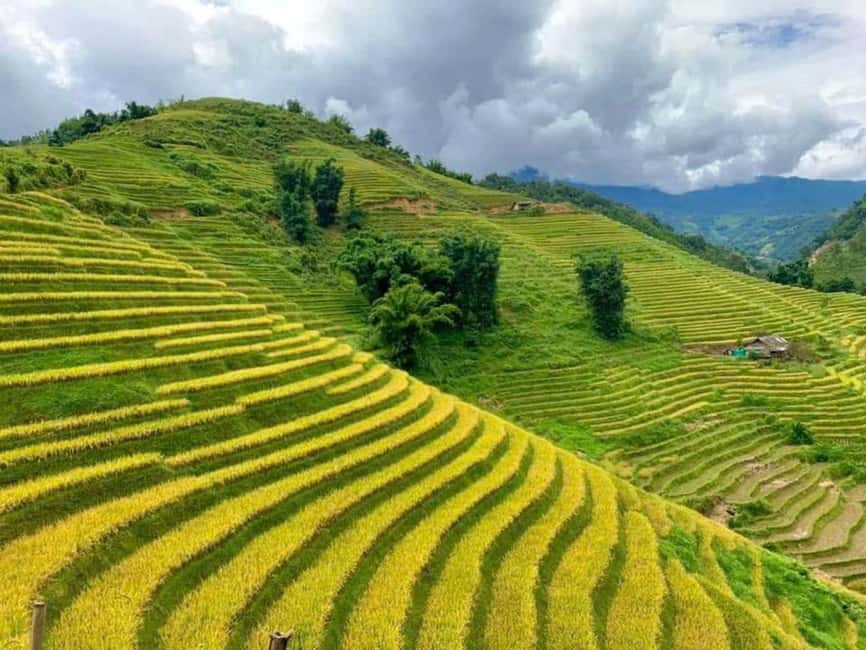
This trip is tight. Two days means you’ll be moving a lot, and it can feel rushed once you’re in the flow of departures, transfers, and short treks. If you’re the type who loves lingering, you might feel squeezed.
There’s also a transport nuance. Some people feel the logistics are not fully clear in the moment, especially when bus drivers don’t speak English. One person noted transfers between buses during the route. That doesn’t mean you’re in trouble—just don’t assume everything will be explained with perfect clarity while you’re on the move. If you’re easygoing, you’ll be fine.
Then there’s the weather curveball. In fog or drizzle, the long trek segment can get muddy quickly, with routes described as turning into rice-field mud with limited safety measures. In other words: bring practical footwear and don’t expect a “walk in the dry” if the mountain weather turns.
Finally, keep an eye on village selling pressure. At least one experience flagged that after the trek, there can be pressure to buy souvenirs or offer tips. If you’re prepared for that, you can enjoy the walking without getting pulled into awkward conversations.
Who This Tour Is Best For (and Who Should Skip It)
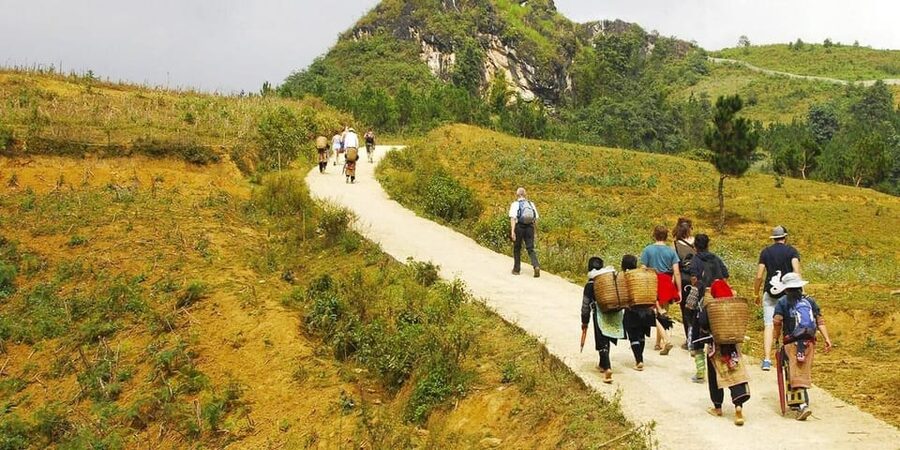
This tour fits you best if:
- You want Sapa highlights in a short time window.
- You enjoy guided treks and want local context rather than self-navigating.
- You’re comfortable with hiking on uneven paths for a couple of hours at a time.
It’s not suitable for:
- Children under 8
- Pregnant women
- People with back problems
- People with heart problems
If any of those apply, skip this format and look for a gentler alternative.
Fitness-wise, Day 2 is the main workout. You’ll cover about 9–12 km in 3.5 hours, and that can feel like more depending on mud and trail conditions. Day 1 includes a shorter trek (about 3 km), but it includes elevation changes.
Practical Tips So You Don’t Have a Bad Time
I’d pack like you’re walking on mountain trails, not strolling:
- Comfortable, grippy shoes (mud + stones happen)
- Warm clothing, because Sapa weather can cool down fast
- A light day pack for the trekking day
- A calm attitude about selling and tipping in village areas
Also, plan your expectations around the timeline. This is a 2-day sampler with multiple villages and at least one longer walking day. If you want quiet, slow wandering with long photo pauses, you might prefer a longer trek program.
Should You Book This 2-Day Sapa Trek with Anny Travel?

Book it if you want the classic Sapa village combo—Cat Cat plus Lao Chai and Ta Van—in a guided, time-efficient way from Hanoi. The value makes sense when you care about structure: transport, overnight stay, English guidance, and treks handled for you.
Skip it (or reconsider) if you’re especially sensitive to:
- mud-heavy conditions during wet weather,
- rushed pacing,
- or you really dislike any souvenir/tip pressure after tours.
If you do book, I’d go in prepared for real mountain walking and real mountain weather. Do that, and you’ll likely come away with photos, stories, and a better sense of how these communities live beyond the viewpoint signs.
FAQ
How long is the tour?
The tour is 2 days.
What does the tour include?
It includes pickup from your hotel in Hanoi’s Old Quarter, transport to Sapa, guided treks, lunch on Day 1, and breakfast plus lunch on Day 2, plus an overnight stay in Sapa (hotel or homestay type is described as available).
What are the main trekking sections?
Day 1 includes a short trek to Cat Cat village’s waterfall area (about 3 km, around 2 hours). Day 2 includes a longer trek from Lao Chai to Ta Van along rice terraces and streams (about 9–12 km, around 3.5 hours, depending on your ability).
Is there an English-speaking guide?
Yes. The tour lists a live tour guide in English.
Where are pickup and drop-off points?
Pickup is from your hotel in Hanoi’s Old Quarter. You return to Hanoi by bus, arriving late evening. On Day 2, the bus pickup back to Sapa center is at Ta Van Bridge.
What should I bring?
Bring comfortable shoes and warm clothing.
Who should not join this tour?
It is not suitable for children under 8, pregnant women, and people with back problems or heart problems.