REVIEW · POKHARA
7-Day Trek to Annapurna Base Camp from Pokhara
Book on Viator →Operated by CAN Travels · Bookable on Viator
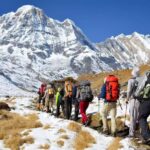
Annapurna Base Camp starts in Pokhara. This 7-day trek brings you from Ghandruk toward Annapurna Base Camp, with mountain views and real village life along the way. You also pass through communities of Gurung and Magar people, so the trip is more than just hiking and photos.
I like how this trek supports you with an English-speaking trekking guide and guest-house stays, which keeps the focus on walking and breathing fresh air. I also appreciate the practical included items: permits, official documents, and trekking poles per person.
One thing to plan for: food and drinks are not included, and you may want a porter (25 USD per day for one porter for two people) to save energy on the steeper days.
In This Review
- Key highlights worth knowing
- Pokhara Lakeside logistics and the 2:15 pm start
- Day 1: Siwai to Ghandruk via the Modi River valley
- Day 2: Ghandruk to Upper Sinuwa and a strenuous 7-hour push
- Day 3: Deurali area toward Annapurna Sanctuary, cooler air and winding paths
- Day 4: The Annapurna Base Camp day—Machhapuchhre Base Camp area and 3900 m vibes
- Day 5: Base camp down to Bamboo—your legs do the hard work now
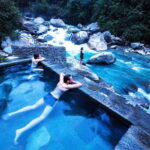
- Day 6: Jhinu Danda, KhuldiGhar, and the Chomrong bridge country
- Day 7: Samrung Khola to Pokhara—finish with a long suspension bridge
- Why Gurung and Magar culture fits this ABC route
- Price and value: what $345 covers and what you still budget for
- Fitness, altitude, and pacing that make the trek feel doable
- What to pack and how to handle trail spending
- Should you book this 7-Day Annapurna Base Camp trek from Pokhara?
- FAQ
- What’s included in the trekking permit and documents?
- Is food included during the trek?
- Do I need a porter?
- How do I get to the trail and back to Pokhara?
- Is this trek private?
- What time does the experience start?
Key highlights worth knowing
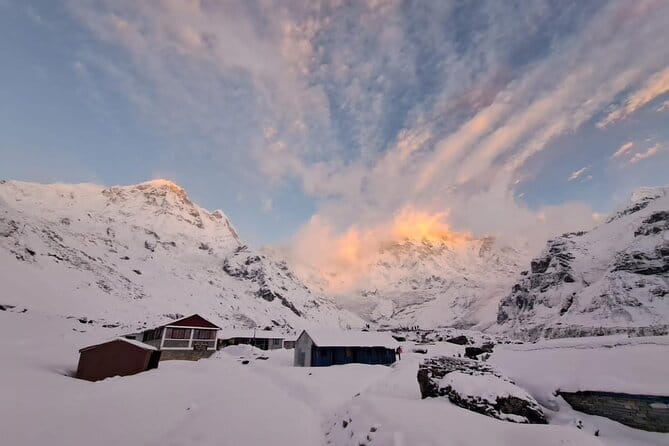
- Private trek for your group with pickup and drop-off in Pokhara Lakeside
- English-speaking guides with extra attention to safety and comfort
- Guest-house accommodation throughout the trek (no camping logistics)
- Transfers by shared jeep or bus to and from the trailhead areas
- Annapurna Base Camp day includes a steep push (about 730 m climbing) and high alpine views
- Permits and official documents included, so you’re not scrambling for paperwork
Pokhara Lakeside logistics and the 2:15 pm start
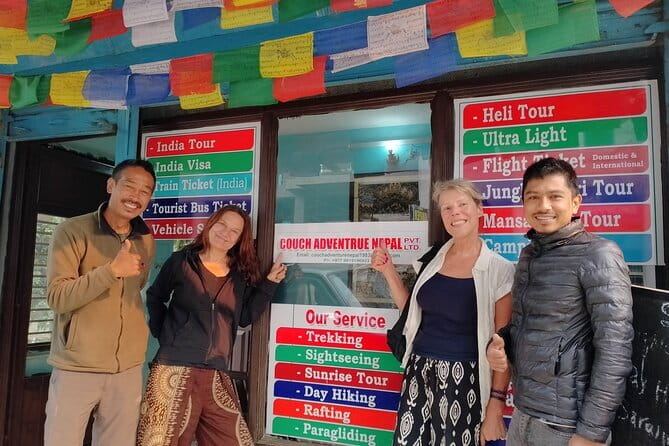
This experience is built around an easy handoff in Pokhara. If you’re staying in the Lakeside area, you get hotel pickup and drop-off, plus a guide to handle the paperwork side with permits and official documents included.
You also get a practical schedule anchor: the start time is listed as 2:15 pm, and you’ll receive confirmation at booking. There’s even a mobile ticket listed, which can make day-of logistics simpler when you’re moving around Pokhara.
One detail that matters: the trek is described as private (only your group participates). That’s a nice fit if you want your own pace, but you can still benefit from any group discounts that may apply through the operator.
For the route itself, you’re not hiking a closed circuit. You’ll do land transfers: Pokhara to Siwai at the start, and Samrung Khola back to Pokhara at the end, using a shared jeep or bus.
You can also read our reviews of more tours and experiences in Pokhara.
Day 1: Siwai to Ghandruk via the Modi River valley
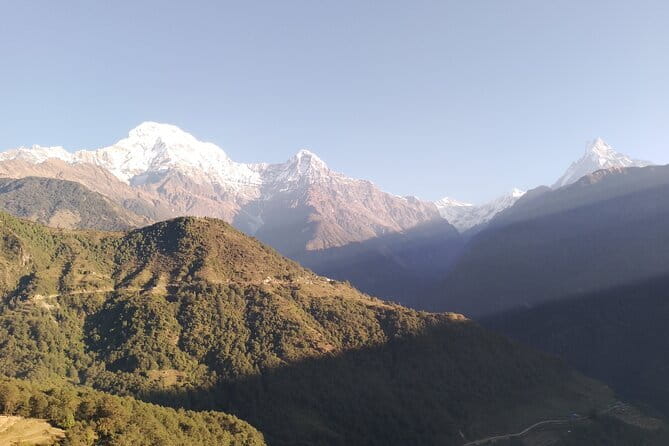
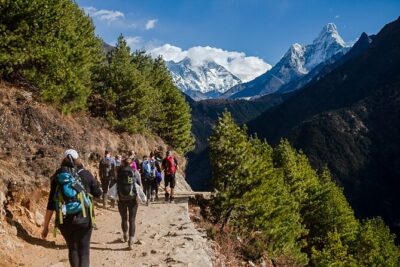
Day 1 is where the Annapurna Base Camp trek from Pokhara really starts to feel real. You’ll be driven to Siwai, then hike to Ghandruk, and the trail follows the Modi River through villages and hills.
I like this first-day setup because it eases you into the terrain without throwing you straight into the hardest ascent. You also get that classic ABC vibe early: authentic village sections, river scenery, and long valley views that hint at what’s coming later.
The main consideration for Day 1 is time on your feet. The day is listed around 7 hours, so bring a steady rhythm, drink water often, and don’t treat it like a light walk.
Practical tip: start with a slow pace for the first hour or two. The route gives you enough scenery to get carried away, but your legs will thank you later when the climb and cooler air show up.
Day 2: Ghandruk to Upper Sinuwa and a strenuous 7-hour push
On Day 2, you shift from village paths into a more demanding uphill day. From Ghandruk, you head toward Upper Sinuwa, and the route is described as fluctuating, with a strenuous walk still listed around 7 hours (not counting lunch breaks).
Upper Sinuwa is where the trek starts to feel more alpine. Even without specific altitude numbers for this stop, the description signals that the air changes and the walking becomes more focused—less wandering, more climbing and steady effort.
What I like here is that the trek doesn’t pretend you’ll breeze up mountains. Instead, it builds in a real second day, which helps you adjust your expectations and gear choices (layers, water, and foot care).
The potential drawback: if your fitness level is uneven—great on flat walking but weaker uphill—Day 2 is the day that reveals it. If you’re the type who powers through, try to keep your pace even. This is where small pacing changes prevent big fatigue later.
Day 3: Deurali area toward Annapurna Sanctuary, cooler air and winding paths
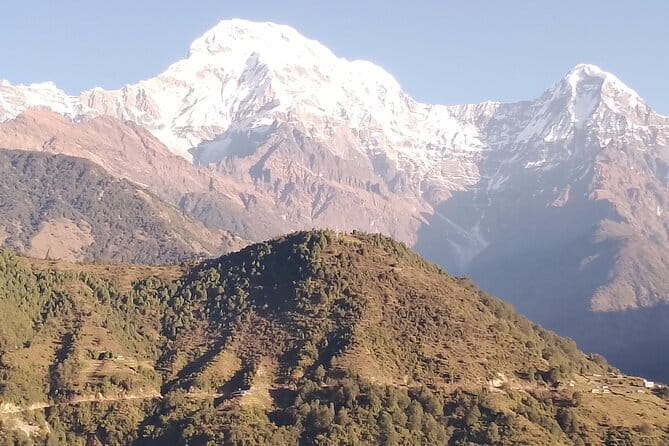
Day 3 moves you along the approach to the Annapurna Sanctuary zone. The trek is described as getting cooler and fresher, with the path turning into winding uphill sections as you push forward.
Your day’s duration is listed around 6 hours. That’s shorter than Day 2, but don’t assume it’s easier—it’s often how the trail feels, not just the hours. The walking style tends to be more “consistent uphill effort” as you head toward basecamp territory.
A standout benefit here is mental momentum. After a harder Day 2, the Day 3 rhythm helps you settle into a rhythm for the big climb ahead. And the cold-air warning in the description is not just fluff: it’s a reminder to layer up properly so you don’t start shivering at higher points.
Day 4: The Annapurna Base Camp day—Machhapuchhre Base Camp area and 3900 m vibes
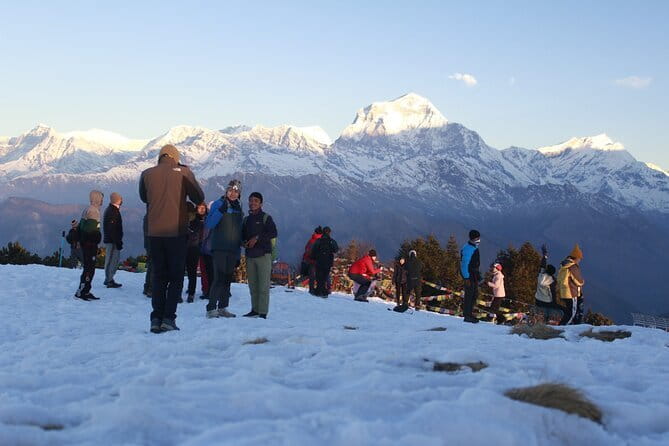
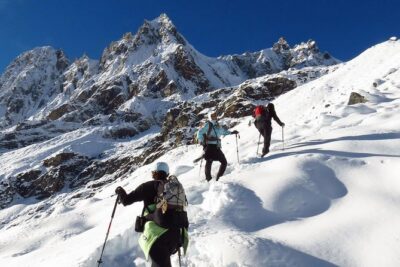
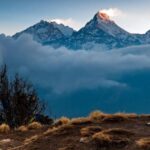
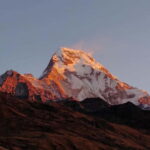
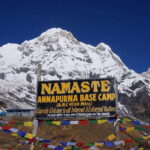
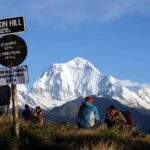
Day 4 is the big moment: after breakfast you hike toward the Machhapuchhre Base Camp area and then continue up to Annapurna Base Camp. The route is described with about 730 m of climbing toward base camp, and it places the area around 3900 m above sea level.
This is the day to treat like a summit day, even if you’re not sprinting to a peak. Expect your breathing to feel different, and expect your body to slow down as you go higher. You’ll want breaks that are short and frequent, not long and dramatic.
I also like that the trek doesn’t skip the gradual build. The path leading you in connects different “views you’ve been earning,” so the base camp arrival feels like a reward rather than a random stop.
Potential drawback: if you’re sensitive to altitude or you came into the trek under-rested, this is the hardest day to fight through. Slow down early, keep warm, and let your guide manage the pace.
And it’s worth noting the human side. The guides on this kind of trek often make the difference between a tough day and a scary day. Names that show up in the guide feedback include Biru, Amrit, and Shiva, and the consistent theme is that they keep you safe and comfortable while still sharing the route and mountain context.
Day 5: Base camp down to Bamboo—your legs do the hard work now
After the big Day 4, Day 5 turns the focus to descent. You go back down toward Bamboo, and the description warns that the trail is decent but you should walk carefully downhill, since it can be harder than the uphill in terms of stress on knees and ankles.
This day is listed around 6 hours. You’ll also pass through areas such as Deurali, Himalaya, and Dovan on the way toward Bamboo. That means you’ll likely be comparing yesterday’s high-alpine views with today’s return through the route’s lower sections.
I find this kind of day psychologically tough in a good way. You’re not chasing altitude now—you’re building control. This is where good trekking poles matter. They’re included here, so you don’t have to scramble for them at the last minute.
The drawback is simple: downhill fatigue piles up fast. If you want to protect yourself, tighten your stride on steep sections, keep your weight controlled, and avoid rushing just because base camp is already behind you.
Day 6: Jhinu Danda, KhuldiGhar, and the Chomrong bridge country
Day 6 has a mix of steep effort and forest walking. From Jhinu Danda, there’s a short steep up to KhuldiGhar, then you descend within the forest toward a lonely spot called Sinuwa-Danda. After that, you descend to Chomrong Khola, cross a bridge, then climb briefly again before reaching Chomrong village.
This is listed around 6 hours, but it’s the kind of day that doesn’t feel uniform. Expect turns, short climbs, and uneven ground. The forest section also means your pace can slow slightly because you’re navigating shade, roots, and changing light.
I like this segment because it adds variety. After the alpine base camp push, a day with forest trails and village arrivals feels like a reset for your body and mind.
A consideration: the bridge crossing and the short climb afterward can catch you off guard if you’re already tired. Keep an eye on footing and don’t assume the hardest parts are over just because the day starts with a descent.
Day 7: Samrung Khola to Pokhara—finish with a long suspension bridge
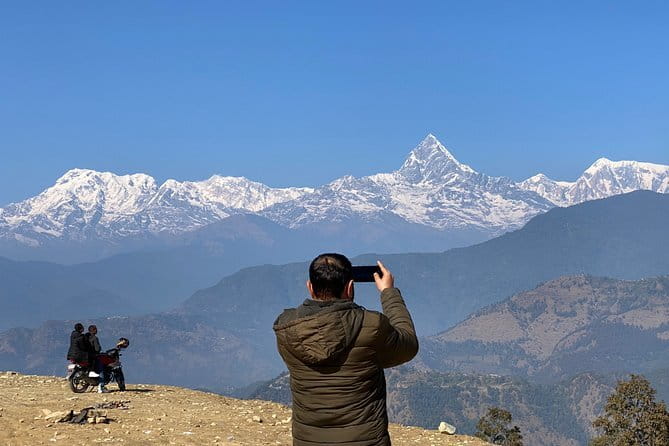
On the final day, you hike out and end with transport back to Pokhara. You start with short downhill walking, then cross a long suspension bridge to reach Samrung Khola. From there, you catch a local jeep back to Pokhara.
The day is listed around 6 hours, which usually means you’ll end tired but satisfied rather than crushed. It’s a nice finish because the suspension bridge section tends to bring a lot of relief and “we made it” energy.
One practical perk: the trek is designed to end with transport arranged for you, so you’re not stuck hunting for a ride at the last second.
Why Gurung and Magar culture fits this ABC route
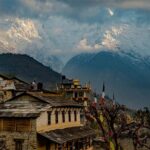
One thing this trek does well is treat culture as part of the journey, not an extra side trip. Along the way, you’ll encounter warm hospitality and see local Gurung and Magar communities, with traditions, folklore, and cuisine showing up through village life.
For you, that matters because the Annapurna Base Camp trek can turn into a checklist if you don’t connect it to people. A route through inhabited villages gives you a chance to slow down, look up from the trail, and understand how daily life connects to the mountains around it.
Practically, that also means guest-house culture—how meals work, how people share stories, and how hospitality can make cold days feel less isolating.
Price and value: what $345 covers and what you still budget for
At $345 per person, the headline question is: what do you actually get for your money? Here’s the value math, based on what’s included.
Included support:
- Hotel pickup and drop-off within the Lakeside area
- English-speaking trekking guide
- Trekking permit and official documents
- Guest-house accommodation during the trek
- Pokhara to Siwai and Samrung Khola to Pokhara transfers by shared jeep or bus
- Trekking poles per person
- Emergency normal first aid kit with the guide
- Listed as private trek for your group
What you’ll need to budget separately:
- Food and drinks (available to purchase on the trail)
- Personal expenses
- A porter if you choose one: 25 USD per day (with one porter for two people)
- Gratuities (optional)
That’s a pretty standard split for the Annapurna Base Camp trek: the operator handles the backbone logistics and paperwork, and you pay for day-to-day consumption on the trail. The value here is that you don’t have to organize permits, transport segments, or accommodations yourself.
A small warning for planning: because food is not included, the final cost can move up or down depending on how you eat and what snacks and drinks you buy daily. If you’re budget-tight, plan a simple routine—breakfast and lunch at the guest houses or local places, then keep snacks minimal.
Fitness, altitude, and pacing that make the trek feel doable
The trek is described as requiring strong physical fitness. That makes sense because you have multiple 6–7 hour walking days, plus a key high push on Day 4.
Even if you’re fit, altitude is still the wildcard. The route includes a climbing push of around 730 m toward Annapurna Base Camp and references the area around 3900 m. So your pace matters more than your speed.
How to make it comfortable:
- Use trekking poles on downhill and steep sections (they’re included)
- Take short breaks before you’re fully out of breath
- Layer up early; the description explicitly notes cooler air as you go
- Hydrate even when you don’t feel thirsty
If you’re someone who tends to overdo it early in the day, this trek punishes that habit. The best strategy is to walk at a pace where you can still talk in short sentences. You’ll feel better on the descent days, too.
What to pack and how to handle trail spending
You’ll walk for days, so bring gear that protects your feet and keeps you warm. The tour provides trekking poles, but you’ll still want proper footwear and a system for layers.
Because food and drinks are for purchase, plan how you’ll spend:
- Decide if you want hot meals at every stop or more snacks between
- Bring a few personal snacks for when you don’t like what’s available
- Keep some extra cash for drinks and small items at tea houses
Also, with guest-house accommodation included, don’t overpack for “camp gear.” You’re mostly dealing with walking comfort and weather layers rather than overnight survival tasks.
Should you book this 7-Day Annapurna Base Camp trek from Pokhara?
I’d book this trek if you want the Annapurna Base Camp trek from Pokhara to feel organized but not robotic. The included permits, English-speaking guide, guest-house stays, and transport to/from the trail remove a lot of stress, and that’s real value for a 7-day window.
It’s also a solid pick if you appreciate village culture and not only mountain viewpoints. The route passes through areas tied to Gurung and Magar communities, which helps the trek feel human.
Skip it (or reconsider) if you’re not ready for multiple long walking days or you dislike the idea that food and drinks aren’t included. Also, if you need help managing steep climbs, think seriously about whether a porter could support you. The cost is listed, so you can make that decision early instead of during exhaustion.
If your goal is a well-supported run to Annapurna Base Camp with a guide team that people describe as friendly and safety-focused—names that pop up include Biru, Amrit, and Shiva—this is the kind of trek where you can spend your energy on the path, not on logistics.
FAQ
What’s included in the trekking permit and documents?
The trek includes t trekking permit and all official documents. You also get an emergency normal first aid kit with your guide.
Is food included during the trek?
No. Food and drinks are not included, but they’re available to purchase along the way.
Do I need a porter?
A porter is optional. If you hire one, the listed cost is 25 USD per day, and the note says one porter is for two people.
How do I get to the trail and back to Pokhara?
You’ll have Pokhara to Siwai transfer at the start and Samrung Khola to Pokhara transfer at the end, using a shared jeep or bus.
Is this trek private?
Yes. It’s listed as a private tour/activity, meaning only your group will participate.
What time does the experience start?
The listed start time is 2:15 pm.