REVIEW · KATHMANDU
13-Day Private Trekking Experience in Everest Base Camp
Book on Viator →Operated by Alpwander_adventures (Treks & Expeditions) · Bookable on Viator
Everest Base Camp never stays quiet for long. This private trek mixes high-altitude scenery with Sherpa village life, monasteries, bridges, and a big finale at Kala Patthar.
I like how the trip is paced for altitude. You get built-in acclimatization in Namche and another high-and-easy day around Dingboche, so you’re not just climbing because you can.
One thing to consider: this isn’t a “walk easy, take it slow” outing. Even with a guide and lodges each night, the long days around Gorak Shep and the return to Lukla will test your legs and your energy.
In This Review
- Key highlights you’ll feel in real life
- A smooth start in Kathmandu before altitude takes over
- Lukla flight and the first lodge nights near Phakding
- Namche Bazaar: suspension bridges and your first real acclimatization base
- Tengboche forests, prayer wheels, and the long uphill day feel
- To Dingboche: big-peak views start showing up daily
- Lobuche to Gorak Shep: the memorial ridge and the glacier-adjacent stretch
- Everest Base Camp and Kala Patthar: your main payoff day
- The walk back: Namche for reset, then Lukla for the finish
- Price and what $1,350 buys you (and what it doesn’t)
- Who this private Everest Base Camp trek fits best
- Should you book this 13-day Everest Base Camp private trek?
- FAQ
- How long is the Everest Base Camp trek?
- Where does the trek start?
- Is airport pickup and drop-off included?
- Do I fly to Lukla as part of this trip?
- Are national park permits and government taxes included?
- What’s included for trekking gear?
- Are meals included during the trek?
- Is WiFi or charging included during the trek?
- Are hot showers included during the trek?
- What are the cancellation rules?
Key highlights you’ll feel in real life
- Private guiding in the Everest region, with a licensed guide and a clear plan from day one
- Acclimatization days in Namche and Dingboche to reduce AMS risk and improve comfort higher up
- Classic Khumbu passes and viewpoints, with Kala Patthar for a big, 360-degree view setup
- Tea house rhythm for 11 nights, so you sleep every night without chasing camps or permits on your own
- Included trekking comfort gear, including trekking poles and a sleeping bag, plus a first aid kit
- Door-to-door support in Kathmandu, plus domestic flights Kathmandu–Lukla–Kathmandu
A smooth start in Kathmandu before altitude takes over
Day 1 is all about getting your bearings. You’re picked up at Kathmandu International Airport and taken to a 3-star hotel for acclimatization, with time to rest and reset after travel. Kathmandu altitude is still noticeable, but it’s your first step before the real altitude work begins.
On Day 1 evening, you also get a city visit to Thamel. This is where you can check your gear, grab a few last items, and watch day-to-day Nepal life move. It’s practical time, not a museum stop, and it helps you feel ready before the Lukla flight.
What I like most here is the pacing mindset. Instead of rushing you straight into a trek, the plan gives you a night to breathe, drink water, and get your mind ready for the Khumbu.
You can also read our reviews of more tours and experiences in Kathmandu.
Lukla flight and the first lodge nights near Phakding
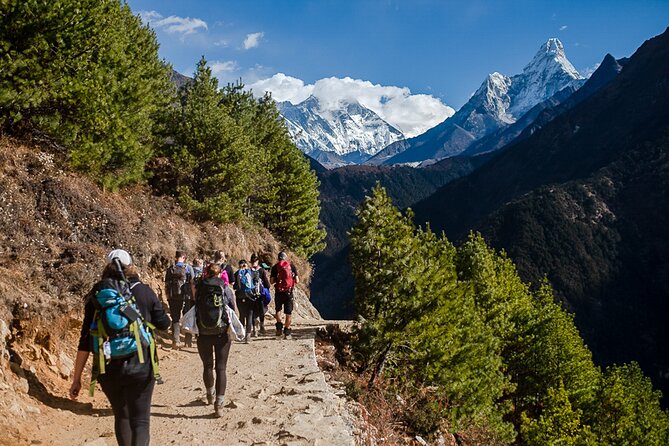
The trek effectively starts with an exciting flight from Kathmandu to Lukla (around 2,800m). The views can be dramatic, and the flight does something important: it gets you into the Everest region without burning extra days on foot at lower elevations.
From Lukla, you walk to Phakding in a pleasant, early-day effort (about 3 hours). You pass colorful prayer walls, monasteries, and monuments, and the terrain stays friendly enough to settle into trekking mode. Your day includes time to stop for tea or lunch along the trail, which matters because you’re learning how your body responds to movement at altitude.
When you reach Phakding (about 2,610m), you check into a lodge and keep the rest of the day light. The plan strongly emphasizes hydration—aim for 4 to 5 liters of water per day throughout the trek. That sounds like a lot, but on the Everest trail, it’s a big part of feeling steady.
A small drawback to plan for: drinking that much water means you’ll pee often, and it also means your water decisions matter. Packed bottled water isn’t included, so budget for how you’ll carry or buy water along the route.
Namche Bazaar: suspension bridges and your first real acclimatization base
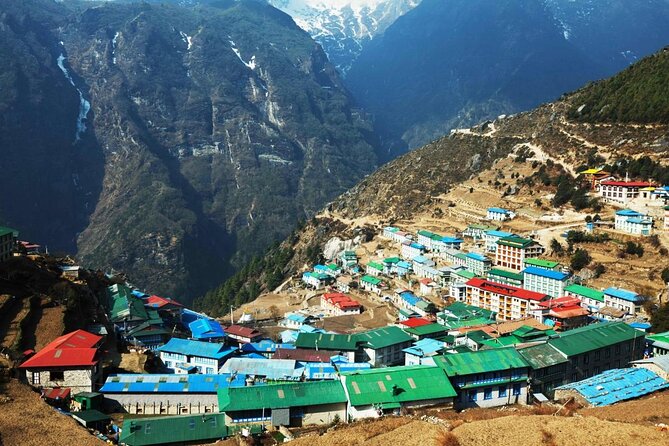
Day 3 moves you toward Namche Bazaar (about 3,340m), with a classic mix of uphill grinding and easy moments. You cross suspension bridges early on, pass through areas like Toktok, Benkar, Monjo, and Jorsalle, and you reach the entrance to Sagarmatha National Park. This is one of the first days you feel the park’s scale—every turn seems to point deeper into the Khumbu.
The second half of the walk leans toward a longer climb called the Namche Hill, which can take around two hours. You’re not just covering distance; you’re training your rhythm. Then you land in Namche Bazaar and get two nights here, which is a huge deal for comfort.
On Day 4, you get your acclimatization day. The plan doesn’t mean zero walking. It’s more like hike higher, sleep lower. You’ll go up toward Everest View Hotel for panoramic mountain views, visit the twin Sherpa villages of Khumjung and Khunde, and you can check out the Sherpa museum. Even if you don’t go deep into museums, the walk itself is the point: it helps your body adapt while keeping sleep altitude reasonable.
Practical tip: Namche is also a good spot to slow down mentally. Shops, lodges, and small services let you adjust clothing layers and fix small problems before the trail gets harsher.
Tengboche forests, prayer wheels, and the long uphill day feel
On Day 5, you head toward Tengboche, around 3,870m. This day has a clear flavor: forests first, then a long uphill pull. You trek through rhododendrons, birch, and blue pine type scenery, then cross bridges near places like Pangboche and continue up.
You also get a memorable touch: water-driven prayer wheels near Phungitenga. It’s one of those small sounds and small motions that makes the trek feel alive, not just scenic. Lunch is planned in Phungi Thangna, then the hike becomes a steady climb up to Tengboche over about 5 to 6 hours.
What to expect from a trip like this is consistency. Even when the trail is beautiful, most days are built on endurance. If you pace well early, the day feels manageable. If you sprint at the start, you’ll pay for it later.
A consideration: you’re adding altitude steadily. Tengboche is not the highest point you’ll reach, but it’s enough that your breathing will change during the climb.
To Dingboche: big-peak views start showing up daily
Day 6 takes you to Dingboche via Pangboche and the Imja Khola valley area. The trail continues with forests and bridges, then transitions into more open trekking country. You stop for lunch around Somare, then keep moving along the upstream side of the river system until you arrive in Dingboche.
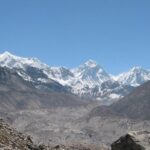
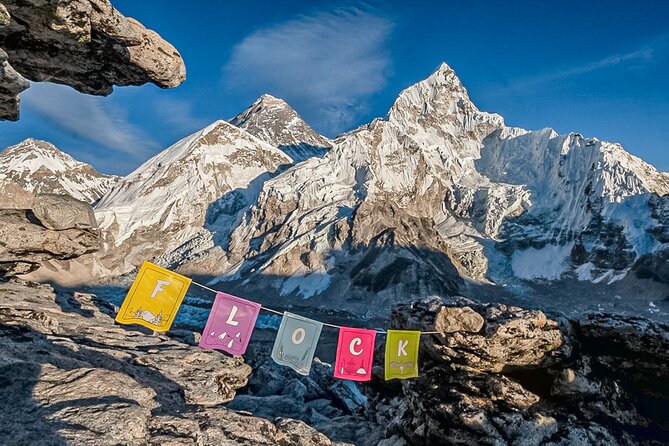
By the time you get settled, your view improves fast. Dingboche is the kind of place where you can look around and spot peaks like Ama Dablam, Lhotse, Tawache, and Lobuche (plus other surrounding summits). These are not just pretty shapes; they help you understand why this region feels so intense once you get higher.
Day 7 is your second acclimatization-style day, with a planned climb to around 4,900m and a drop back down to sleep at Dingboche. This is smart trekking: you gain altitude without staying at the highest point. It also reduces the chance that you’ll arrive at the next phase feeling wrecked.
You’ll have about 3 hours to reach the higher point, then time to rest 30 to 45 minutes before descending. There’s also an optional harder hike to Nangkar Tshang (about 5,616m) if you want extra views and you’re feeling strong.
Lobuche to Gorak Shep: the memorial ridge and the glacier-adjacent stretch
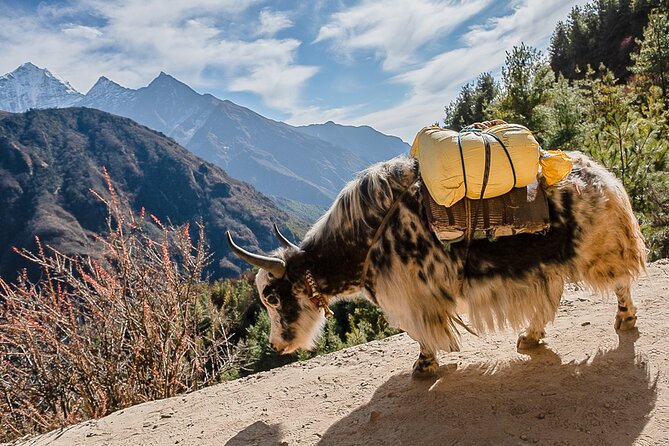
Day 8 brings you to Lobuche. You hike along a ridge above Dingboche and pass a grassy moraine area above the Khumbu Khola valley until you reach Thukla. Then you climb to a ridge lined with cairn memorials and prayer flags, remembering mountaineers who passed away on missions in the Everest era.
It’s quiet in a way that hits you. This isn’t a party trek. The trail keeps reminding you that people come here for a dream, and the mountains don’t negotiate.
From there you continue to Lobuche. The day is typically about 5 to 6 hours of trekking, and it’s a good “gear-check” day mentally. Make sure your layers work, your gloves aren’t soaked, and you can keep moving with clean energy.
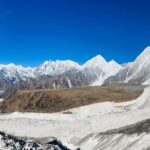
Day 9 continues toward Gorak Shep. This is one of the more challenging push days. You climb from the glacier side area up toward Changri glacier, then descend slightly to reach Gorak Shep. After about 2.5 hours, you take lunch, drop extra items, and then go for Everest Base Camp.
This is where the tour gives you flexibility too. You can either prioritize base camp that day or hike Kala Patthar for sunset views (then do base camp the following day). If you love photography, Kala Patthar at golden hour is the kind of trade that feels worth it.
Everest Base Camp and Kala Patthar: your main payoff day
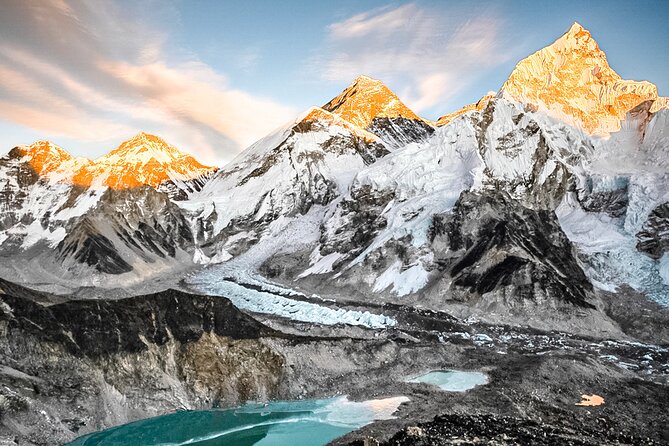
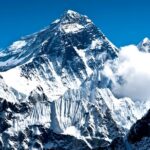
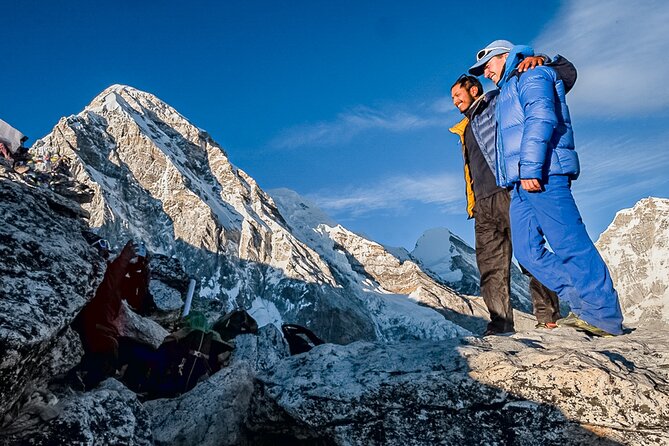
Day 10 starts early for Kala Patthar (around 5,550m). The climb is roughly 400m up from the Gorak Shep area viewpoint and often takes up to about 2 hours depending on pace and conditions. The goal is clear: get a 360-degree view of Everest and nearby giants like Nuptse, Lhotse, Khumbutse, Pumori, and Ama Dablam.
This is also a sunrise and sunset-ready viewpoint depending on timing. The experience you’re chasing here isn’t just altitude—it’s the way the whole region stacks in front of you once the air clears.
After that, you head back down and trek to Pheriche via Lobuche and Thukla with a gentle descent. You’re moving from extreme viewpoint mode back into recovery mode, which helps your body adjust before the long walk out.
The walk back: Namche for reset, then Lukla for the finish
Day 11 is a long downhill day back to Namche Bazaar—about 8 to 9 hours. Going downhill can feel easier on paper, but your knees still work hard. The good news is that the lower altitude lets you cover distance faster.
When you arrive in Namche, you get a breather with normal-life comforts: Namche Bakery, plus time to relax, snack, and recharge in a place that feels less exposed than the high points. This is also a smart day to do practical reset things like changing socks, drying gear as much as possible, and taking care of small aches.
Day 12 continues the return, trekking from Namche down to Lukla in about 7 to 8 hours, passing through Phakding on the way. This can be one of the toughest days because your body is tired and your mind is ready to be done. The last uphill into Lukla is the mental hurdle: you keep going even when you want to coast.
Day 13 wraps it up with the short flight back to Kathmandu (around 35 minutes) at about 8:30am. Then it’s hot shower time, laundry, food, and last-minute shopping in Kathmandu. After 13 days in the mountains, normal city life tastes good.
Price and what $1,350 buys you (and what it doesn’t)
At $1,350 per person, this trek isn’t cheap—but you’re paying for a lot of “real costs” that add up fast in the Everest region.
What’s included:
- Licensed guide and national park/permit fees
- Domestic return airfare Kathmandu–Lukla–Kathmandu, plus airport pickup/drop-off
- 3-star hotel in Kathmandu for two nights with breakfast, plus 11 nights in tea houses during the trek
- Daily guided support and breakfast, lunch, and dinner during trekking days
- Basic comfort gear: trekking poles and a sleeping bag, plus a first aid kit and an Alpwander Adventures T-shirt
What’s not included:
- Packed bottled water and alcohol during the trek
- Electronic charging and WiFi
- Hot shower during the trek
Here’s the value logic I’d use if I were planning your budget: included gear reduces rental hassles at altitude, and included meals keep your daily spending predictable. The biggest add-ons you’ll personally manage are water choices and any comfort upgrades you decide to purchase along the way.
Who this private Everest Base Camp trek fits best
This private format works well if you want a guide who can respond to your pace, your questions, and your energy level without group pressure.
You’ll likely enjoy this trip most if:
- You’re aiming for the classic Everest Base Camp + Kala Patthar experience
- You like a structured plan with acclimatization days instead of guessing
- You can handle long walking days with steady climbs and high-altitude fatigue
It’s listed for a moderate physical fitness level. That doesn’t mean it’s easy. It means you don’t need to be an athlete, but you should be consistent with training, have decent endurance, and be ready for tired legs at Gorak Shep and on the return.
Also, because it’s private, you stay in your own group. That’s a quality-of-life thing on long days.
Should you book this 13-day Everest Base Camp private trek?
If your goal is Everest Base Camp with a strong support structure, I’d say this is a solid choice.
Book it if you want:
- Guided acclimatization in Namche and Dingboche
- The big summit-day views from Kala Patthar
- A plan that includes flights, permits, tea house lodging, and meals, so you’re not constantly solving logistics
- Included gear like trekking poles and a sleeping bag, which helps you travel lighter
Skip it (or choose a different plan) if:
- You expect hot showers and easy amenities during the trek
- You don’t want to budget for water and basic purchases at altitude
- You’re looking for a short trek with minimal time at higher elevations
If you do book, pack for cold mornings, plan your water habit early, and take the acclimatization days seriously. That’s how you get the Everest payoff without turning the trip into a survival test.
FAQ
How long is the Everest Base Camp trek?
It runs for about 13 days.
Where does the trek start?
In Nepal, with the experience beginning in Kathmandu.
Is airport pickup and drop-off included?
Yes. You get pickup and drop-off facilities in Kathmandu using a private vehicle during arrival and departure.
Do I fly to Lukla as part of this trip?
Yes. Domestic return airfare for Kathmandu–Lukla–Kathmandu is included.
Are national park permits and government taxes included?
Yes. All government taxes and national park permit fees are included.
What’s included for trekking gear?
The trip includes trekking poles, a sleeping bag, and a first aid kit, plus an Alpwander Adventures t-shirt.
Are meals included during the trek?
Yes. Breakfast, lunch, and dinner are included during the trek at mountain tea-house lodges, plus breakfast is included on Day 1 and Day 13.
Is WiFi or charging included during the trek?
No. Electronic charging and WiFi are not included.
Are hot showers included during the trek?
No. Hot shower is not included during the trek.
What are the cancellation rules?
You can cancel up to 6 days in advance for a full refund. Canceling 2–6 days before the start time gives a 50% refund, and less than 2 days before the start time does not receive a refund.