REVIEW · KATHMANDU
14 Day – Everest Base Camp Trek
Book on Viator →Operated by Overland Trek Nepal · Bookable on Viator
Everest Base Camp turns a dream into a climb. This 14-day trek links Kathmandu, Lukla, and high-altitude milestones with a well-paced pattern of acclimatization and big-mountain payoff. I especially like the built-in structure (rest days at Namche Bazaar and Dingboche) and the fact that key logistics like domestic flights, permits, and airport transfers are included. One thing to weigh: this route lives and dies by mountain weather and flights into Lukla, so the schedule can wobble.
You’ll also get plenty of cultural contact along the way—tea houses, villages, and monastery stops—so it’s not only about reaching a summit view. The trek is private, so your guide can actually manage the pace for your group instead of herding you like a school bus.
In This Review
- Key highlights worth planning around
- The big idea: what makes this Everest Base Camp trek feel different
- Kathmandu Day 1: your training day for the mountains
- Lukla flight + Phakding Day 2: the jump from city to trail
- The Namche Bazaar acclimatization Day 4: where many trekkers level up
- Tengboche Day 5: monastery views and a breather before higher days
- Dingboche (and Day 7 acclimatization): take the slow day seriously
- Lobuche Day 8: stepping into the higher world
- Gorakshep + Everest Base Camp Day 9: the goal, but not a sprint
- Kala Patthar sunrise Day 10: the best view tax you pay
- The return trail: Pheriche to Namche to Lukla (Days 11-13)
- What’s included (and why it changes your stress level)
- What’s not included (the bits you should budget now)
- Guides and support: why it matters more than you think
- Who this trek suits best (and who should reconsider)
- Should you book this Everest Base Camp trek?
- FAQ
- Where does the trek start and what time?
- What’s the route from start to end?
- How long is the trekking portion?
- Are tea houses included?
- What permits are included?
- Are domestic flights included?
- What’s included for meals?
- What about insurance and medical support?
- Is the group private?
- What’s not included in the price?
Key highlights worth planning around
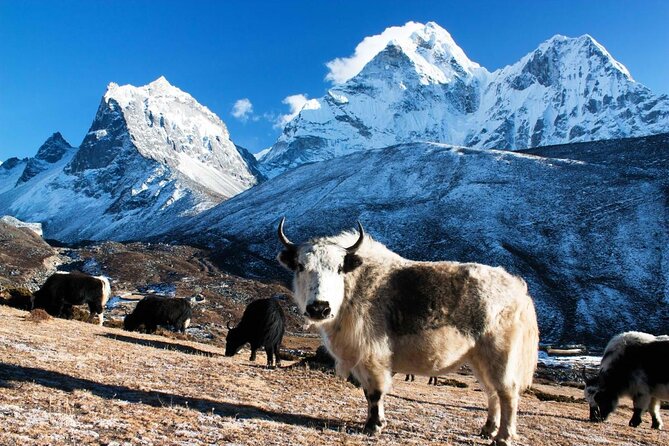
- A flight into Lukla that sets the tone: 40-minute Kathmandu–Lukla hop at the start (with return from Lukla), plus local support on the ground.
- Acclimatization built in, not guessed: rest days at Namche Bazaar (day 4) and Dingboche (day 7) so your body can adjust.
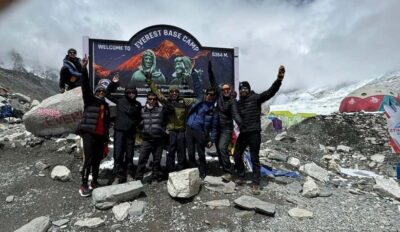
- Real altitude goals, not just “EBC vibes”: Everest Base Camp at 5,364m, plus a morning push to Kala Patthar at 5,550m.
- Tea house trekking included: you sleep in tea houses during the trek, with meals planned along the route.
- Support staff geared for safety and comfort: English-speaking guide, porter service (1 porter between 2 people), insurance, and a medical kit for staff.
- Extra help for disruptions: at least one past trek involved handling a Lukla flight cancellation with alternative transport arrangements.
The big idea: what makes this Everest Base Camp trek feel different
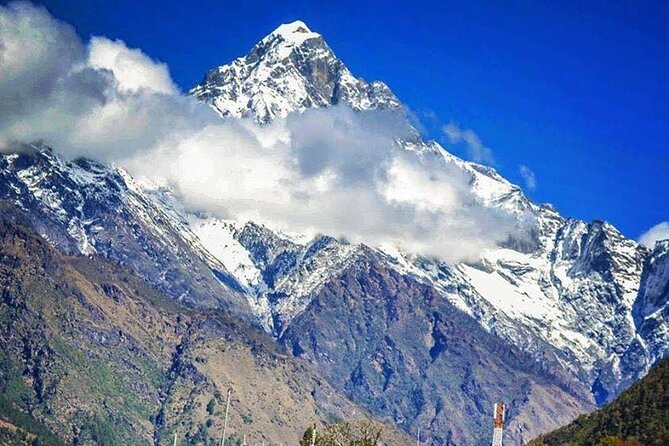
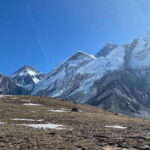
Everest Base Camp is the world’s most famous end-of-the-line. The magic is that it doesn’t feel like a theme park. It feels like a working route through a real mountain region where people live, trade, and host trekkers one warm room at a time.
This itinerary is designed around the practical reality of altitude. You’re not just stacking altitude day after day. You climb to Namche Bazaar and stop. You climb again to Tengboche and keep going. Then you slow down at Dingboche—exactly the kind of pause that helps many trekkers avoid rushing the acclimatization process.
Another plus: the trek is wrapped with the stuff you’d otherwise have to coordinate yourself. You get a two-night hotel in Kathmandu, round-trip domestic flights (Kathmandu–Lukla–Kathmandu), and Everest National Park entry permits. That matters because EBC planning is where many trips get complicated fast—paperwork, flight timing, and getting from the airport to your start point.
The trek does demand stamina. This is a moderate physical fitness requirement, and the altitude is serious. If you know you’re prone to altitude headaches, or you hate slow walking days, you’ll want to take the acclimatization days seriously.
You can also read our reviews of more tours and experiences in Kathmandu.
Kathmandu Day 1: your training day for the mountains
Day 1 is Kathmandu, and it’s not just waiting around in a hotel room. You arrive, transfer, and prepare for trekking. The trip starts at 6:15am from Alpine Hotel & Apartment on Chaksibari Marg, which gives you an early jump on the day when it’s time to go.
Also included is a two-night hotel stay in Kathmandu, so you’re not scrambling for a place to sleep after arrival. And the trek company includes small morale boosters like Snickers chocolate plus items like Oreo cookies and peanuts during the trek. That sounds minor until you’re cold, walking all day, and your snack plan is suddenly part of your mental game.
What I like here: Kathmandu is your buffer. You can hydrate, eat normally, and get your gear sorted. What to watch: don’t over-plan extra sightseeing on day 1. Save your energy for the high days.
Lukla flight + Phakding Day 2: the jump from city to trail
Day 2 starts with a short flight: Kathmandu to Lukla at about 2,840m, listed as around 40 minutes. Then you’re into trekking mode, with breakfast in Lukla and a hike to Phakding (2,610m).
This day is about rhythm. You’ve got the shock of altitude from flying in, then you settle into moving on a trail. Phakding is lower than Lukla, which helps you start without immediately climbing into trouble. It’s also a good place to understand how tea houses work on this route—simple meals, shared spaces, warm layers, and the reality that shower “expectations” are different in the mountains.
Potential drawback: Lukla flights are famously weather-sensitive in general. Even though this trip includes the domestic flight tickets, flight disruption can still happen. On the brighter side, I saw at least one instance where a Lukla departure got canceled and the company handled alternatives like helicopter arrangements.
The Namche Bazaar acclimatization Day 4: where many trekkers level up
You go from Phakding to Namche Bazaar (3,440m) on Day 3. Then Day 4 is a dedicated acclimatization day in Namche. That matters more than most people realize.
A real acclimatization day lets your body catch up with your altitude. You rest, get your bearings, and explore at a pace you control. Namche is also where the trip starts to feel like a living hub: you’ll see more trekkers, more bakeries and shop-style stops, and more of the Everest trekking economy.
What I like about having Day 4 protected: it reduces the pressure to “power through.” And it gives you time to adjust habits—what you eat, how often you hydrate, and how cautious you are about too much exertion.
Tengboche Day 5: monastery views and a breather before higher days
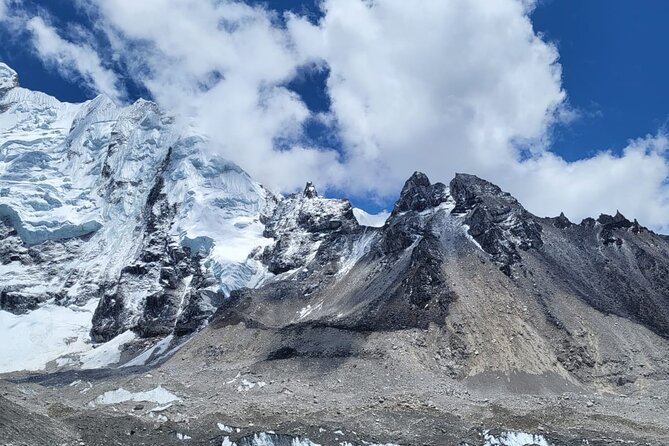
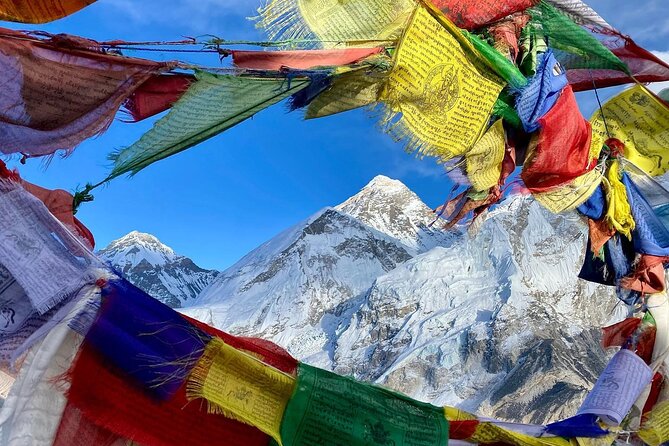
Day 5 climbs from Namche to Tengboche (3,868m). This is where the trail often turns scenic in a spiritual way—Tengboche is known for its monastery presence, and you typically get that calm, ritual atmosphere in the community spaces around there.
Practical reality: you’ll still be climbing. But compared to later days, this is a manageable step that sets you up for the big altitude move toward Dingboche.
What to consider: the higher you go, the colder it gets in the mornings and evenings. Start thinking about your layering system now, not when you’re already shivering.
Dingboche (and Day 7 acclimatization): take the slow day seriously
Day 6 moves up to Dingboche (4,410m). Day 7 is another acclimatization day, again listed as a full day to rest and adjust.
If you only remember one thing from this trek’s design, make it this: two separate acclimatization stops at two different elevations are a big reason this itinerary is comfortable for many trekkers.
Dingboche is also a point where the trail atmosphere changes. More wide-open altitude, more stark air. You’ll feel it in your breath even if you’re moving steadily. That’s normal. What’s not normal is pushing too hard just because you feel okay in the moment—altitude can delay how you pay the bill.
Lobuche Day 8: stepping into the higher world
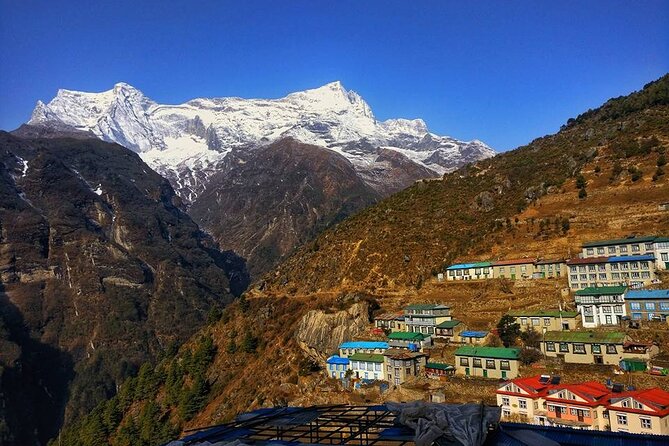
Day 8 treks from Dingboche to Lobuche (4,910m). This is a serious increase. You’re getting closer to the Everest Base Camp zone where mornings start with sharper cold and days feel thinner.
I like that the itinerary doesn’t pretend this jump is easy. It gives you time and structure before this point (Namche and Dingboche were the training wheels). But you still need to hike smart: steady pace, no sprinting out of excitement, and frequent water intake even when you don’t feel thirsty.
Gorakshep + Everest Base Camp Day 9: the goal, but not a sprint
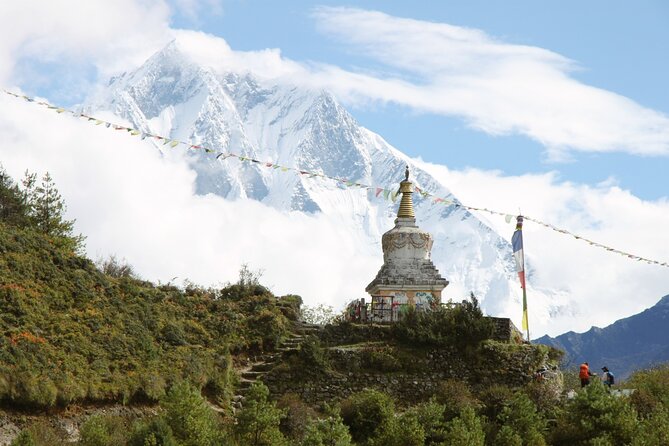
Day 9 is the big moment in the plan. You trek from Lobuche to Gorakshep (5,180m), and then onward to Everest Base Camp (5,364m) with an overnight in Gorakshep.
Here’s the tradeoff: reaching Base Camp is a win, but it’s also not the end of the physical work. Gorakshep is high and exposed. You’ll want to eat well, rest early, and treat sleep like part of your climbing strategy.
The “I came for the end view” feeling is real here. You’ve done the grind to arrive. But keep your expectations grounded: Base Camp is an arrival point at altitude, not a warm post-race victory lap.
Kala Patthar sunrise Day 10: the best view tax you pay
Day 10 begins with an early morning hike up to Kalapathar (5,550m) for sunrise views, then back to Gorakshep for breakfast, followed by the trek to Pheriche (4,240m).
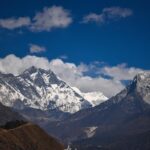
This day is why many people choose this exact route. Kala Patthar is demanding because it’s high and usually cold. But the payoff is a wide, Everest-focused morning view that feels like the mountains are finally close enough to hear.
What I like: the day finishes by dropping you down to Pheriche. That descent helps many bodies recover after the high push.
Potential drawback: early starts in the thin air can feel tougher than expected. Bring patience and let your breath set the pace.
The return trail: Pheriche to Namche to Lukla (Days 11-13)
Day 11 goes from Pheriche to Namche Bazaar (3,440m). Day 12 then takes you back from Namche to Lukla (2,840m). Day 13 is a morning flight back to Kathmandu from Lukla at about 1,336m.
On paper, the return sounds easier. In real life, descending doesn’t mean “no effort.” Your legs work differently after high days. Watch your stride on rocky sections and keep your pack weight controlled.
Also, the schedule includes your domestic flight on Day 13. Again, weather is the wildcard. The good news is the trek company has shown it can respond when a Lukla flight goes sideways, including using helicopter options in at least one documented situation.
What’s included (and why it changes your stress level)
At $2,000 per person, the value isn’t only the trek days. It’s the logistics package around the trek.
Included highlights:
- Airport pickup and drop in Kathmandu (private car/van/bus)
- TIMS card (Trekkers Information Management System)
- Everest National park entry permits
- Tea house accommodation during the trek
- English-speaking guide
- Porter service listed as 1 porter between 2 people (so it’s not just a “cheerleading guide”—there’s real carry support)
- Insurance and a staff medical kit
- Two nights hotel in Kathmandu
- Domestic flights round trip (Kathmandu–Lukla–Kathmandu) plus airport tax
- Meals: lunch and breakfast and dinner counts are listed across the trek (breakfast 13, lunch 11, dinner 11)
Included “nice touches”:
- Staff medicine kit is covered for staff; the company also notes medicine for staff plus a kit
- A trip certificate
- A company duffel bag and a t-shirt
- Small snacks like Snickers and other items during the trek
How I’d judge the price: if you tried to arrange flights, permits, guide, tea house stays, and airport transfers yourself, you’d likely spend lots of time and hit pricing friction. Here, you pay for a system that reduces the guesswork.
What’s not included (the bits you should budget now)
Not included means you’ll have to plan ahead:
- Nepal entry visa fee and international airfare
- Personal equipment (you’ll need your own cold-weather gear, hiking boots, etc.)
- Tips for guide and porter (tipping is expected)
- Alcohol and personal expenses like cold drinks, hot shower water bottle, battery charging, and donations
This is where many trekkers feel surprise costs. Even if the trek price seems solid, your personal spending can creep up. Keep a small cash buffer for charging, extra snacks, and any gear fixes.
Guides and support: why it matters more than you think
One theme I picked up from the names and situations shared by trekkers: the company’s staff is treated as part of the trip, not an afterthought.
You’ll see guides such as Tenjing, Lopsang, and Pramish mentioned in feedback. Support people like Nick and Unish also come up. That matters because on an EBC trek, your guide’s job is more than leading you from place to place. They manage pacing, decision-making when conditions change, and they help you keep altitude risk in check by controlling how hard you work.
If you’re trekking for the first time or returning after time off, you’ll appreciate a guide who can read your pace and help you keep the day realistic.
Who this trek suits best (and who should reconsider)
This trek fits you if:
- You want the classic EBC route with Namche and Dingboche acclimatization
- You’re okay with tea houses and basic comfort
- You want a private group setup with a guide who can manage your pace
- You like having key planning pieces handled: flights, permits, and transfers
You might reconsider if:
- You’re not comfortable with cold mornings and hard breathing at altitude
- You hate the idea of flight uncertainty tied to Lukla weather
- You expect a very “hotel-like” comfort level on trekking nights (tea houses are functional, not fancy)
Should you book this Everest Base Camp trek?
I think this is a strong choice if you want a clean, classic route with the right altitude pauses and a logistics package that keeps you from chasing details in Nepal. The itinerary gives you the two major acclimatization days that many trekkers need, plus the Kala Patthar morning push for that Everest-focused view.
If you book, do your part: train beforehand, pack for cold, plan for altitude with patience, and treat the acclimatization days as the main event rather than a “break from hiking.” And yes—budget for tips and personal expenses so nothing feels stressful at the worst moment.
If you want, tell me your trekking experience level and the month you’re aiming to go. I’ll suggest how to pace this itinerary and what to pack more specifically for that time of year.
FAQ
Where does the trek start and what time?
The meeting point is Alpine Hotel & Apartment on Chaksibari Marg in Kathmandu. The start time is listed as 6:15am.
What’s the route from start to end?
You fly from Kathmandu to Lukla, then trek through places including Phakding, Namche Bazaar, Tengboche, Dingboche, Lobuche, Gorakshep, Everest Base Camp, Kalapathar, Pheriche, and then back to Namche Bazaar and Lukla, finishing with a flight back to Kathmandu.
How long is the trekking portion?
The total trip duration is listed as 14 days (approx.).
Are tea houses included?
Yes. Tea house accommodation during the trek is included.
What permits are included?
The trip includes Everest National park entry permits and the TIMS card.
Are domestic flights included?
Yes. Domestic flight tickets round trip are included: Kathmandu to Lukla and Lukla back to Kathmandu, plus airport tax.
What’s included for meals?
Lunch, breakfast, and dinner are included during the trek with counts listed as Lunch (11), Breakfast (13), Dinner (11).
What about insurance and medical support?
Insurance is included, and the trip includes a medical kit for staff.
Is the group private?
Yes. It’s listed as a private tour/activity with only your group participating.
What’s not included in the price?
Not included: Nepal entry visa fee, international airfare, personal equipment, and tips for guide and porter (tipping is expected). Personal expenses like alcoholic drinks, hot shower water, battery charging, and cold drinks are also not included.