REVIEW · KATHMANDU
14-Days Private Everest Base Camp Trek Activity
Book on Viator →Operated by Himalayan Vista Trekking Pvt. Ltd. · Bookable on Viator
Everest Base Camp feels close enough to touch. This 14-day private trek strings together the classic Khumbu route with smart altitude days, big mountain viewpoints, and a guide-led finish toward the base of the world’s highest peak. I especially like the private setup and the way the schedule keeps you moving without ignoring acclimatization.
I also like how the itinerary is packed with specific, unforgettable view moments, not just a generic hike. You’ll pass through places like Namche Bazaar and Tengboche, then push into higher country toward Gorakshep, Everest Base Camp, and the sunrise payoff from Kala Patthar.
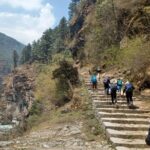
One thing to keep in mind: several days are described as steep and rocky, including a long downhill return toward Lukla. If you have knee trouble or you’re not comfortable with slow, careful footing, this trek can feel demanding even when the scenery is doing all the talking.
In This Review
- Key highlights before you go
- Everest Base Camp in 14 days: what the trek really gives you
- Kathmandu and Thamel prep: your first day sets the tone
- Flying Lukla to Phakding: first altitude steps and the small-stuff scenery
- Monjo to Namche Bazaar: Dudh Koshi crossings and a real high-altitude market
- Khumjung acclimatization day: you’re not just resting, you’re learning
- Tengboche day: Ama Dablam views and careful trail etiquette
- Dingboche and the viewpoint effort: acclimatization that pays back
- Thukla Pass to Lobuche: glacier-country energy starts showing up
- Gorakshep and Everest Base Camp: the finish feels like a switch flips
- Kala Patthar sunrise and the descent to Pheriche: 360-degree payback
- Namche to Lukla: long downhill work and how to protect your knees
- Lukla back to Kathmandu: closing the loop with a clear head
- Price and value at $1,600: what you’re really paying for
- Guides and support: the human factor you notice most at altitude
- Who this private Everest Base Camp trek is best for
- Should you book this private Everest Base Camp trek?
- FAQ
- How many days is the Everest Base Camp trek?
- Where does the trek start and end?
- Is this a private tour?
- Are meals included in the price?
- Does the tour include insurance?
- Do I fly to Lukla?
- Are permits mentioned in the route?
- When do you visit Kala Patthar?
- What kind of fitness level is needed?
- What happens if the weather is poor?
Key highlights before you go
- Private guiding for your group only, so pacing and questions don’t get lost in a crowd
- Acclimatization built into the route, with extra altitude days around Namche and Dingboche
- Kala Patthar sunrise planned early for a 360-degree Everest-area view
- Big Himalayan variety, with repeated chances to see Everest, Lhotse, Nuptse, Ama Dablam, and more from different angles
- Mealtimes included for 14 days, which matters when weather and energy swing day to day
Everest Base Camp in 14 days: what the trek really gives you
This trek works because it’s both ambitious and practical. You start with Kathmandu orientation, then make the quick jump to Lukla and spend the days that follow in the Everest region, not racing straight upward.
You’ll get that classic Khumbu rhythm: trail days with steady gains, then a pause where your body can adjust. Those pauses are not filler. They’re what makes the later days safer and more comfortable, and they help you enjoy the views instead of just surviving the climb.
And yes, the mountains are the star. The route is designed so you keep seeing the Everest area from new angles—Everest and the surrounding giants showing up again and again as the altitude changes.
You can also read our reviews of more tours and experiences in Kathmandu.
Kathmandu and Thamel prep: your first day sets the tone
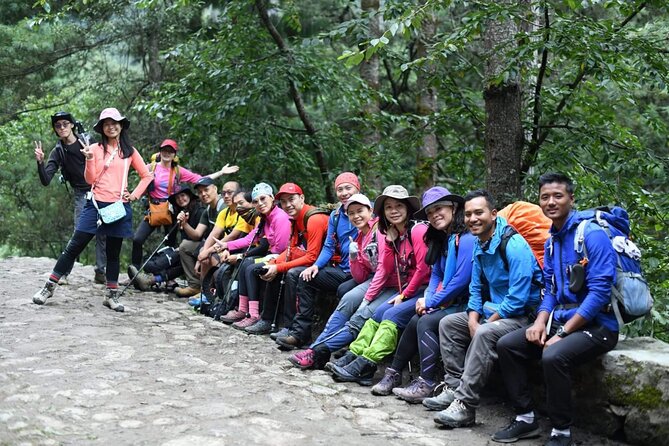
Your trip begins in Kathmandu with pickup after you land at Tribhuwan International Airport. You’re transferred to your hotel, welcomed, and walked through the next day’s plan with a travel expert. This matters because Everest treks run on details: what you pack, what time you start, and how the day is structured.
You also get time to wander around Thamel, the gear-and-snack zone for trekking in Nepal. It’s a good day for topping up basics if you arrive without the right layers, gloves, socks, or anything small you forgot.
One practical tip: treat Day 1 as your gear-check day, not sightseeing day. If you’re tired from travel, you’ll enjoy your trek more if you sleep well and pack smart.
Flying Lukla to Phakding: first altitude steps and the small-stuff scenery
Day 2 brings the big transition: you fly to Lukla, eat breakfast, and begin the trek toward Phakding. The route follows trails with Mani walls and chortens, so even the first walking day feels culturally grounded rather than just transit.
Phakding is described as being at a lower point even than Lukla. That’s good news for your first day’s effort level. You can settle into the routine: slow steps, frequent pauses, and checking how your breathing feels.
You’ll also pass through areas tied to the local landscape and community, including the Pasang Lhamu Rural Municipality office where you take a permit. Even if permits aren’t your favorite travel chore, it’s good that the route includes this early, so you’re not scrambling later.
Monjo to Namche Bazaar: Dudh Koshi crossings and a real high-altitude market
Day 3 pushes you higher and introduces the dramatic river scenery of the Dudh Koshi. You’ll take a National Park permit at the Sagarmatha National Park office in the Monjo area, then head toward Jorsalle for lunch.
After that, it’s bridge time and uphill time. You cross suspension bridges and follow the river bank, then work up past the Tenzing Hillary suspension bridge. These river crossings can be a fun break from pure climbing, and they help you learn how your legs feel when the trail tilts.
Then you reach Namche Bazaar, the high-altitude hub of the Khumbu valley. Namche is described as a trading center between local communities and Tibetan people, and it’s also where you’ll find restaurants, cafes, ATMs, and even fast internet. That means you can send messages, refuel your energy, and keep your mind off the fact that you’re getting higher every day.
Khumjung acclimatization day: you’re not just resting, you’re learning
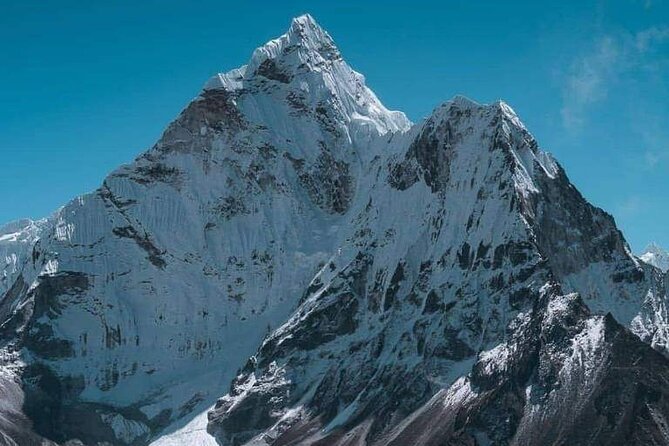
Day 4 is an altitude-adjustment day, built around reducing the risk of acute mountain sickness. You’ll head toward Khumjung, and this is the kind of stop that makes later days feel possible instead of punishing.
I like this day because it’s structured for both body and mind. Namche gets you used to height and daily rhythm; Khumjung gives you another layer of culture and viewpoint potential.
This part of the trek is also where you understand your pace. If you start walking too fast here, you pay later. If you move slowly, drink enough, and keep breathing steady, you’ll feel stronger when the route turns more serious.
Tengboche day: Ama Dablam views and careful trail etiquette
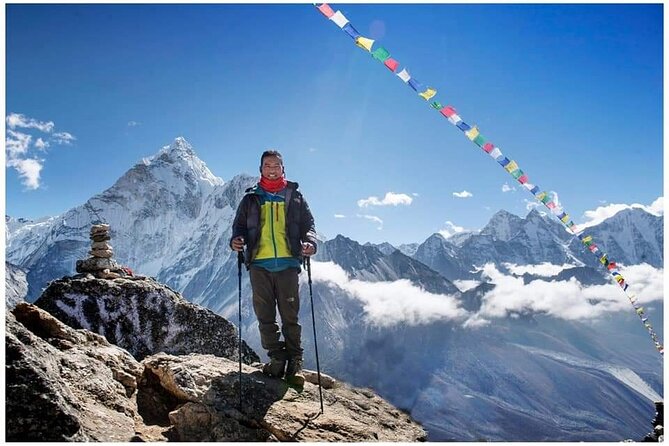
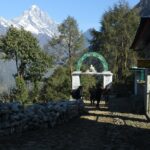
Day 5 leads you toward Tengboche. The route is described as rocky and dusty with zigzags, and you get close views of Ama Dablam, Khangtega, and other Everest-region peaks.
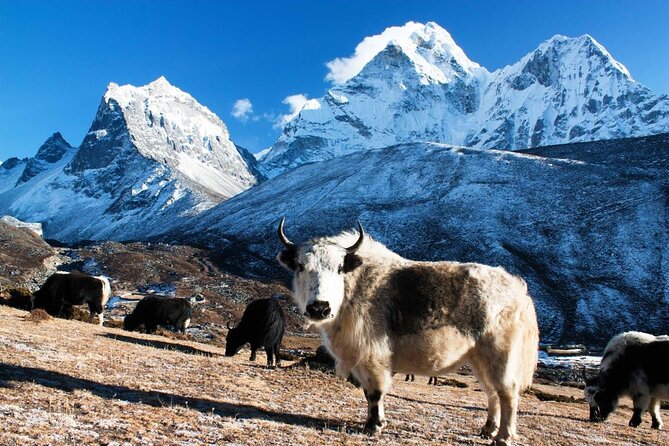
There’s also a very real on-trail detail: the itinerary calls out watching for yaks and letting them pass safely. It even advises you to stay to the corner side when yaks are in the way. That’s not just advice for being polite—it’s how you avoid getting shoved on uneven ground.
The approach into Tengboche is also described as a transition from rocky trails toward forested sections. In practice, that variety is great. It gives you a break from constant rock crunch underfoot and helps you keep your attention on the walk instead of guessing what the trail will be.
Dingboche and the viewpoint effort: acclimatization that pays back
Day 6 takes you to Dingboche. You’ll move through trekking trails, cross suspension bridges, and follow paths toward the Sherpa settlement. This is the phase where the air feels noticeably different, and the days start to require patience.
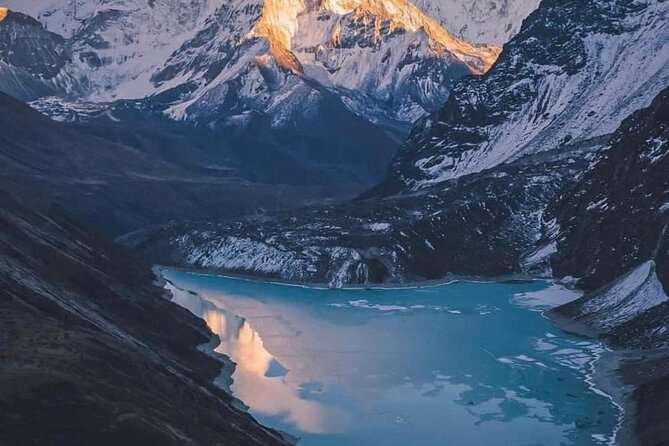
Day 7 stays in the Dingboche area as a second acclimatization day. You’ll walk to a viewpoint on a hill that can take around 3 to 4 hours, where you can see peaks like Tawache, Thamserku, Lobuche west, and—especially—Ama Dablam with a mirror-like view called out in the plan.
This is one of the best “value” uses of your time. It’s not just rest; it’s controlled effort at altitude. You’re teaching your body to work, not just to wait.
If you like clear priorities, this is a good day for you. The goal is altitude practice plus a payoff view, and the effort is framed as manageable.
Thukla Pass to Lobuche: glacier-country energy starts showing up
Day 8 heads toward Lobuche after time near Thukla and the Thukla Pass. The plan describes a smooth valley walk for a few hours, then a steeper push uphill to the pass.
That change in grade is key. It’s not one long slog; it’s a shift from easier trekking to more strenuous climbing. The route also calls out loose stones in the higher altitude sections and a track that isn’t well managed. Translation: slow pace matters, and trekking poles can be helpful because your balance is constantly adjusting.
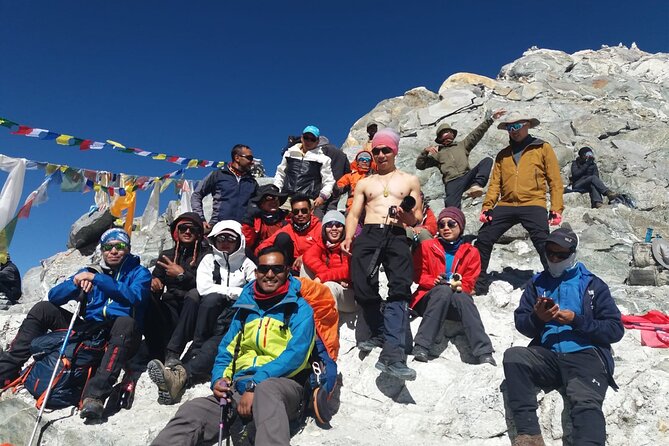
At the pass, you’re expected to rest and enjoy views of Pumori and Khumbutse, among others. Then you continue to Lobuche, where you’ll sleep and prepare for the peak day.
Gorakshep and Everest Base Camp: the finish feels like a switch flips
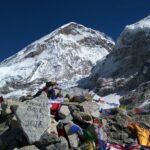
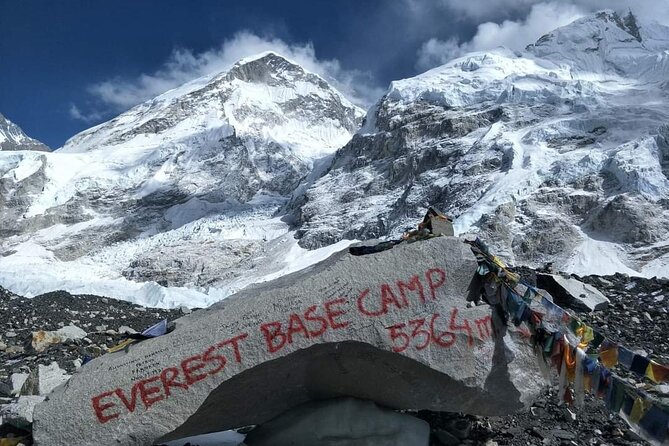
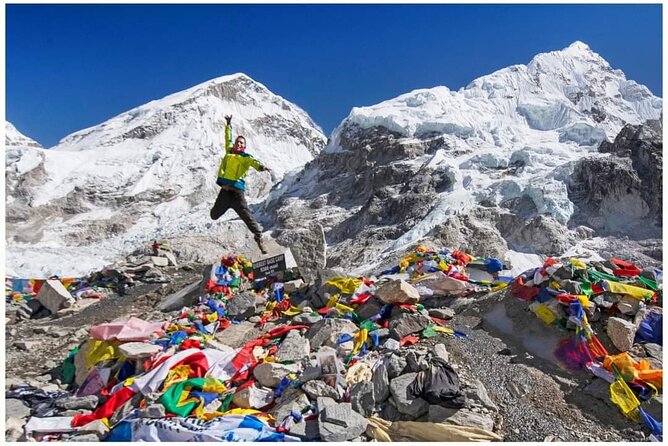
Day 9 is your big moment: getting to Everest Base Camp, with Gorakshep as the step closer. The plan frames this day as the most memorable and exciting of your life, and that makes sense. Even before you reach the base camp area, the glacier-region feel starts to take over.
The route is described as following a wide valley parallel with the Khumbu Glacier, then moving gradually over rocky track. That description is helpful for expectations. You’ll feel the ground under your feet change—less forgiving than earlier sections—so your boots and your pace really matter.
Also, you’re not just seeing Everest. The plan positions the day as a series of mountain views around you, with peaks standing close by. That’s the difference between visiting a photo spot and experiencing a place that wraps around you.
Kala Patthar sunrise and the descent to Pheriche: 360-degree payback
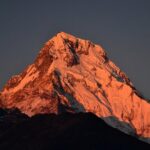
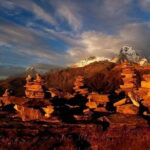
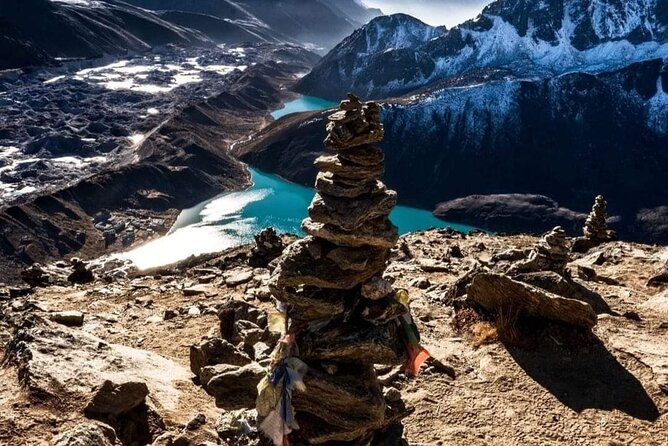
Day 10 starts very early. You hike up to Kala Patthar, described as the best vantage point for a 360-degree view of Mount Everest and neighboring peaks. The highlight here is the sunrise: you’re meant to see golden light over the mountains.
This is the day where you’ll understand why people wake up before their alarm clock in the mountains. You get light, contrast, and a sense of scale that’s hard to process later at lower altitude.
After Kala Patthar, the itinerary includes descent and then heading toward Pheriche for the next sleep. This part is important because it balances your effort with recovery. You’re not supposed to fry yourself and then keep climbing. The rhythm shifts back toward getting you through the trek safely.
Namche to Lukla: long downhill work and how to protect your knees
Day 11 is a descent day back toward Namche Bazaar, passing through lower places like Phungi Tenga. The plan calls it long and says descending can be tough, including potential joint issues. This is the moment to take downhill seriously.
You’ll still get views in this phase, but the main task is leg management. Think short steps, controlled pace, and frequent breaks. If you’ve ever taken a fall on uneven ground, you’ll understand why the trek makes this a caution point.
Day 12 then continues the descent all the way toward Lukla. The plan flags steep downhill and rocky trails with loose stones. It also notes that this is the day many trekkers celebrate with guides and porters, eating cake and organizing a party.
Even if you don’t care about the celebration, it’s a good marker of the mental shift: you’re done with the highest zone and now you’re finishing the job. Still, don’t rush the last downhill. Save energy for your return flight.
Lukla back to Kathmandu: closing the loop with a clear head
Day 13 flies you from Lukla airstrip back to Kathmandu and gives you time to relax after your long day. Watching the region from the aircraft window is a nice way to get perspective, especially after days where everything felt close and steep.
In Kathmandu, you’ll have a quieter end-of-trek day. Use it for laundry, stretching, and a slow meal. Your body will thank you.
Day 14 is your final departure from Kathmandu. You’re collected before your flight and taken to Tribhuvan International Airport. It’s a clean handoff so you don’t have to manage timing on your last hours in Nepal.
Price and value at $1,600: what you’re really paying for
At $1,600 per person, this private trek is positioned as a full package built around your time and safety on the trail. The big value signal isn’t just the trek itself—it’s what’s included.
You get 14 breakfasts, 14 lunches, and 14 dinners, which is a major relief in the mountains. Meals are often the pressure point on long treks because they affect energy, heat management, and how well you can keep moving. Having meals built into the plan helps you avoid the cash-and-logistics scramble.
You also get pickup offered in Kathmandu and a mobile ticket. That combination is small but practical—less waiting, fewer uncertainty points, and an easier first and last day.
What you should double-check is what’s not included. Insurance is not included, and the listing says all other expenses not mentioned are excluded. Permits are part of the route process in the itinerary (Sagarmatha National Park permit), but fees themselves aren’t clearly listed as included. Before you pay, ask your operator whether permit costs and any required documents are covered in the package price.
Given the private nature, the meal inclusions, and the fact that the schedule includes acclimatization and key high-altitude milestones, $1,600 can feel like fair value—especially if you want your guide to tailor pacing to your group.
Guides and support: the human factor you notice most at altitude
On a trek like this, the guide isn’t just someone with a map. They help you judge pace, choose when to stop, and keep you confident when the trail gets rocky.
This operator has been praised for guides including Dipak and Bishal, with support from porters such as Basanta noted for professionalism. In plain terms: you’re more likely to feel looked after when the team has a track record of being organized and helpful.
And because this is a private tour, you’re not competing with other groups for attention. If you need clarification, want a slower break, or feel unsure about a step, the support is there.
Who this private Everest Base Camp trek is best for
This trek is best for you if you’re aiming for the classic route with less stress around group dynamics. You want a plan that respects acclimatization, and you’re comfortable with multi-day trekking at high altitude.
The operator also states a moderate physical fitness level is the target. That’s a good match if you can hike uphill for hours, manage stairs-like climbs, and handle uneven terrain without panicking.
It may be less ideal if you know you have serious mobility limits for steep descents. The itinerary specifically calls out joint troubles possible on downhill days, and it points to loose stones and rocky trails.
Should you book this private Everest Base Camp trek?
If you want Everest Base Camp as a structured, private experience with acclimatization built in, this is a strong candidate. The meal inclusions plus the emphasis on Kala Patthar and the Everest-region viewpoints make the package feel complete, not bare-bones.
Book it if you’re serious about the route and you can commit to slow, careful hiking—especially on the downhill days toward Lukla. I’d also treat this as a guide-led trek in spirit: ask questions early, follow pacing advice, and don’t try to turn it into a speed contest.
Skip it or ask tougher questions first if you’re uncertain about altitude tolerance or knee/ankle limits. A trek that includes steep rocky descents needs the right body and the right mindset.
FAQ
How many days is the Everest Base Camp trek?
It’s listed as 14 days (approx.).
Where does the trek start and end?
It starts in Kathmandu. You return to Kathmandu after flying from Lukla, then depart from Kathmandu on the final day.
Is this a private tour?
Yes. It’s a private tour/activity, meaning only your group participates.
Are meals included in the price?
Yes. The package includes 14 breakfasts, 14 lunches, and 14 dinners.
Does the tour include insurance?
No. Insurance is not included.
Do I fly to Lukla?
Yes. The itinerary includes landing at Lukla on Day 2 and flying back to Kathmandu on Day 13.
Are permits mentioned in the route?
Yes. The itinerary includes taking a Sagarmatha National Park permit at the Sagarmatha National Park office in the Monjo area, and permits are also referenced along the way.
When do you visit Kala Patthar?
Kala Patthar is on Day 10, with an early morning hike for sunrise views.
What kind of fitness level is needed?
The operator states travelers should have moderate physical fitness.
What happens if the weather is poor?
The experience requires good weather. If it’s canceled due to poor weather, you’ll be offered a different date or a full refund.