REVIEW · KANDY
Knuckles Spice Trail Trek from Kandy
Book on GetYourGuide →Operated by Nature Paradise Tours · Bookable on GetYourGuide
A morning that turns into a rainforest story. The Knuckles Spice Trail mixes tea hills, spice gardens, and cloud-forest trails, with a real-life village visit.
I like the way the hike is built around small, meaningful moments, not just distance. You’re guided through tea plantation paths and taught what grows there and why it matters.
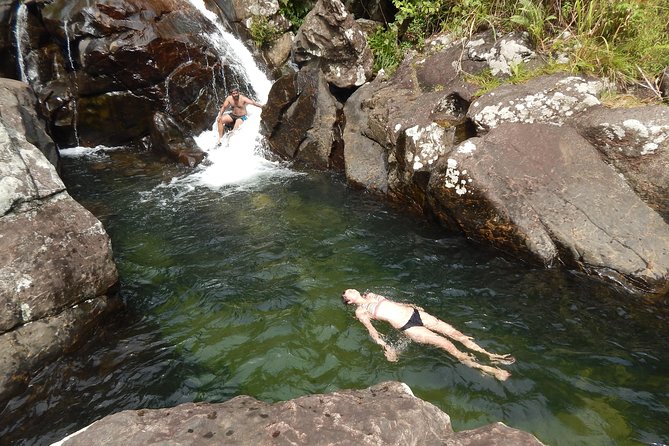
My second big favorite is the break at the waterfall. You get a chance to cool off in a natural swimming pool, with a view that feels far from the road.
One thing to plan for: this area can be wet. Rain and slippery sections can also mean you might encounter leeches in the damp stretches.
In This Review
- Key points you’ll actually care about
- Getting from Kandy to the Knuckles: the day starts early
- Tea estate paths and shaded forest walking at pace
- What your guide helps you spot: plants, birds, butterflies
- Waterfall crossing and the natural swimming pool break
- Terrace rice fields and mountain views that feel close enough
- Traditional village culture: lunch with locals and garden scenes
- Timing on the clock: what the full day feels like
- Practical tips: packing list and comfort priorities
- Price and value: what you’re paying $101 for
- Who this trek fits best
- Should you book the Knuckles Spice Trail from Kandy?
- FAQ
- What are the pickup, start, and end times for the Knuckles Spice Trail trek?
- How long do I walk and what distance is covered?
- What is the trekking difficulty?
- Is there a swimming stop?
- What is included in the $101 per person price?
- What should I bring for comfort?
- Is the tour wheelchair-friendly and what about cancellations?
Key points you’ll actually care about
- Tea estate trails plus pine and eucalyptus forest, so the walk never feels monotonous
- Waterfall swimming (bring swimwear, and expect cool water some days)
- Spice and plant spotting with a guide who explains what you’re seeing
- Terrace rice fields followed by traditional village life and garden scenes
- A smooth-to-medium trek (10–15 km) that still asks you to stay steady on uneven ground
Getting from Kandy to the Knuckles: the day starts early
This is a full half-day plus travel kind of outing. Pickup happens in Kandy around 7:00–7:30 am, and then you’re on the road for about 1.5 hours to reach the trail area. The early start matters because you want daylight while trekking and enough time to enjoy the lunch without rushing.
By the time you begin walking (typically 9:30–10:00 am), the landscape is already doing its morning thing: mist where it wants to be, birds calling from the trees, and cool air in higher spots. The route tops out around 1000–500 meters elevation during the trek, which is why the weather can feel different from valley to hill.
If you get motion-sensitive, bring water and take it slow during the ride. The pace is relaxed, but it’s still time on a bus/vehicle before your legs get busy.
You can also read our reviews of more tours and experiences in Kandy.
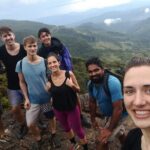
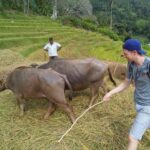
Tea estate paths and shaded forest walking at pace
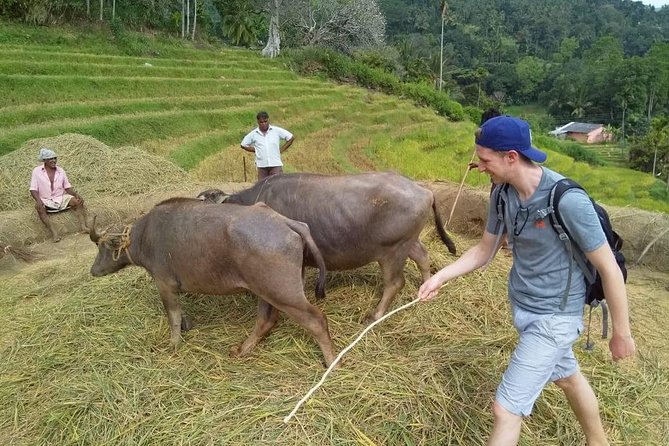
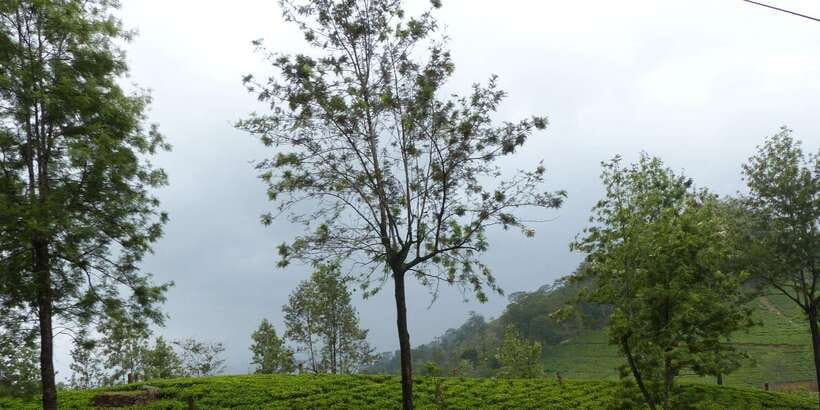
The first stretch sets the tone: tea plantation trails and forest paths that gradually change character. You move through areas with pine and eucalyptus, and the shade helps on warm days. Even when the views are hidden by cloud, the forest walk has texture: leaves, stems, and plant textures you only notice when you’re moving slowly.
The trekking itself runs about 4 to 5 hours, covering 10 to 15 km. The grade is described as smooth medium, which usually means you’re not scrambling over rocks nonstop, but you still won’t be on a perfectly flat track. Think “comfortable hiking” with some uneven ground and natural curves.
This is where an experienced guide earns their keep. Instead of counting steps, you’ll notice what’s around you: where tea grows, how plants are arranged, and how forest conditions support birds and small wildlife.
What your guide helps you spot: plants, birds, butterflies
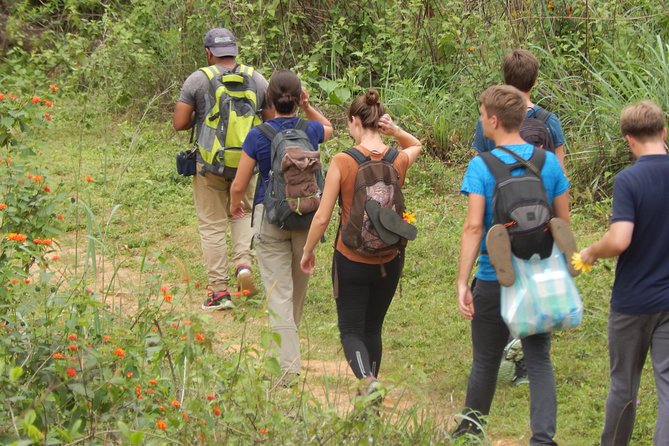
This trek shines when you’re curious. You’re not just walking through scenery. You’re learning to see.
Your guide points out tea, spice plants, vegetable gardens, and seasonal fruit along the route. Multiple guides have been praised for giving clear explanations while you’re still standing next to the plants. You may also be offered chances to smell and taste some items, so the information stays practical instead of turning into a lecture.
The best part is the attention to small life. Expect to look for birds, small animals, and butterflies. You’ll also spend time in areas often described as cloud-forest style, where the air feels cooler and the vegetation looks more layered. Even if you don’t catch every bird, you’ll start recognizing habitat patterns.
Two guide names came up strongly: Ashoke and Lakmal. They were both singled out for knowing the plants and spices well and for explaining what you’re looking at in a friendly way.
Waterfall crossing and the natural swimming pool break
The day includes a payoff: a waterfall crossing and then time at a natural swimming pool. This is one of the most memorable moments because it’s not a tourist pool. It’s nature working on a schedule of water flow, rocks, and shaded light.
Bring swimwear because the option is real. Water can be cool, but it’s worth it. One of the most entertaining details people mentioned is the fish nibbling at your feet while you’re in the water. It’s not about swimming laps. It’s about relaxing, cooling down, and taking the trail off your mind for a little while.
Plan for wet conditions. In heavier rain, the trail can become drippy and uncomfortable, and that’s when you might encounter leeches in damp stretches. You can reduce problems by staying on your trail line, wearing the right clothing, and moving with care during slippery sections.
After the swim break, the hike feels different. Your senses reset. The smell of leaves and soil feels stronger. The next views hit harder.
Terrace rice fields and mountain views that feel close enough
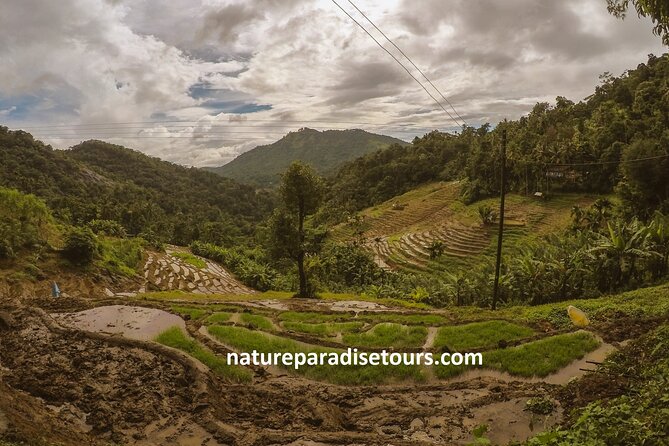
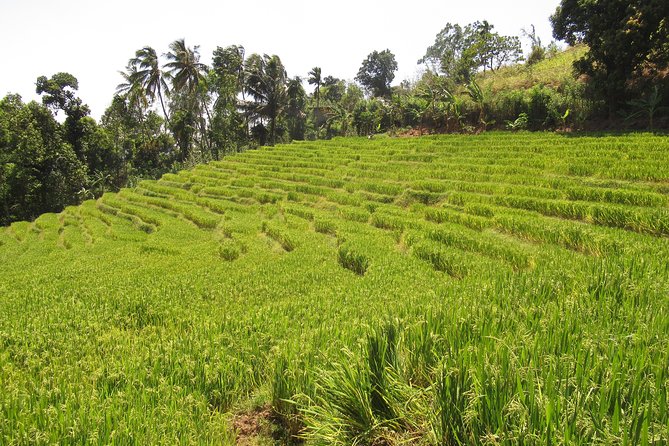
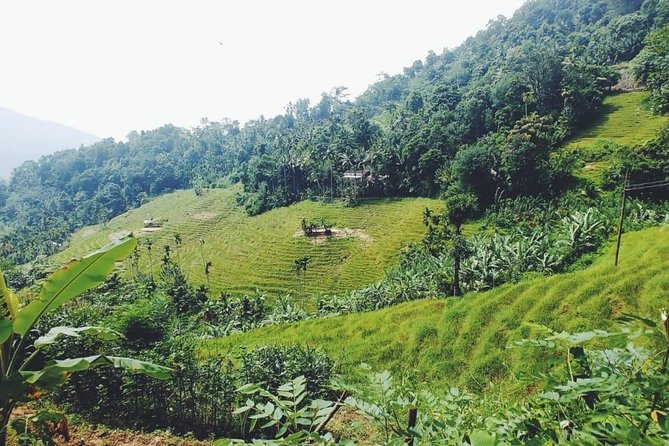
After the waterfall break, you enter a different kind of beauty: magical terrace rice fields with walking paths that follow the contours of the hills. This part matters because it connects nature with how people actually live and farm here.
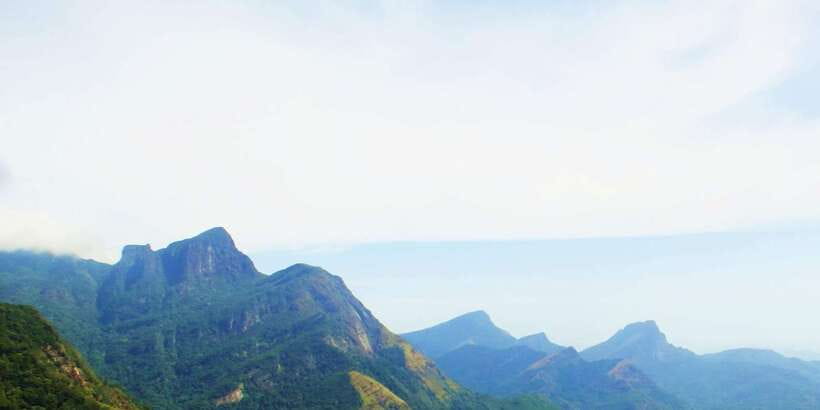
You’ll also look out for panoramic mountain views. Some days, mist can hide the highest points, but even that adds mood. You don’t need a perfect “postcard” day for the landscape to feel special. The terraces and valleys look good even under a soft cloud cover.
If you’re traveling in cooler months, expect more atmosphere; in wetter periods, the ground may stay slippery. Either way, the walk through terraces is the kind of section that makes you slow down without realizing it.
Traditional village culture: lunch with locals and garden scenes
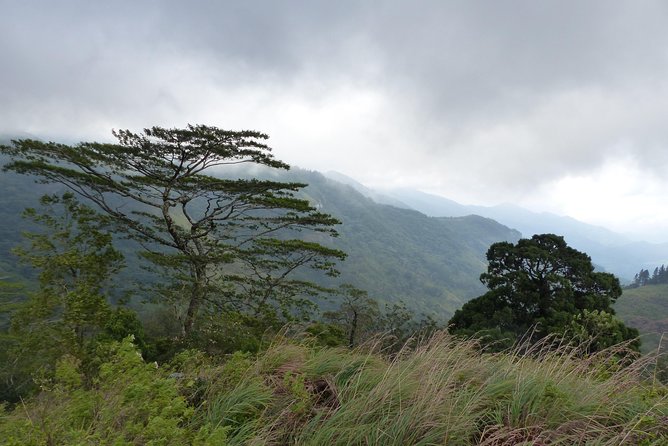
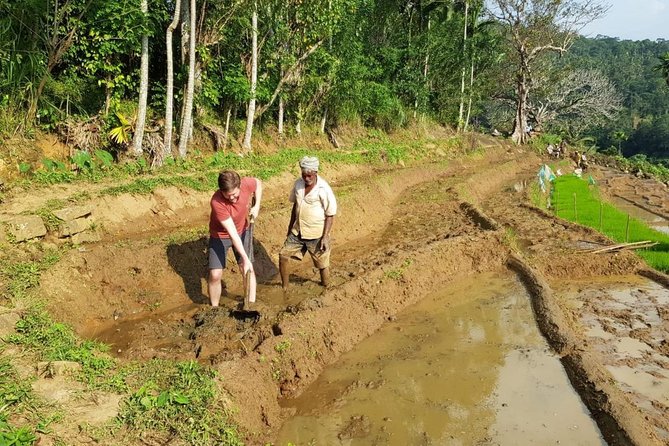
This trek ends with a village-style experience that’s more than eating food. You head into a traditional village, passing scenes like vegetable gardens and spice gardens. It’s a practical kind of cultural time. You see what grows, how people use it, and how daily life is tied to the land.
Lunch is typically a picnic lunch or village authentic lunch, included in the price. People have also described a meal that wraps the experience up nicely: rice and curry on a family-style table, with enough variety to feel like you got more than a basic sandwich. One traveler noted they even considered a vegetarian option, which is a good sign if your diet has restrictions.
If you like conversations, don’t be shy. Village life here isn’t stage-managed. It’s everyday. Ask simple questions about plants, spices, or what people grow locally. Even short chats can make the earlier plant explanations click.
Timing on the clock: what the full day feels like
The schedule is designed to fit a working day, not just a trek for trekkers. Here’s how it flows:
- Pickup in Kandy: 7:00–7:30 am
- Trail begins: 9:30–10:00 am
- Trail ends: 2:30–3:00 pm
- Return to Kandy: after the trek and lunch wrap up
That means you’ll be out most of the day, but you’re not stuck hiking in the dark. The trek hours are the main work window, and the rest supports comfort: transport time, lunch, and a swim break.
Because you’ll be walking for hours, bring snacks only if you know you get hungry fast. You’re already covered with water and snacks, so you can focus on the path.
Practical tips: packing list and comfort priorities
You’ll be happier with the right gear. Here’s what to take, based on what this trek expects:
- Trekking shoes with grip
- Rain jacket or rain gear (seriously)
- Small back pack
- Sun cream
- Swimwear and a quick-dry towel if you want to use the pool
- Comfortable clothes you don’t mind getting a little muddy
Even with a “smooth medium” grade, you’re walking 10–15 km and spending 4 to 5 hours on foot. That adds up. Good shoes reduce ankle strain and make the wetter sections less stressful.
Also plan mentally for variable weather. In cloud-forest style areas, it can feel cooler than you expect. On rainy days, everything gets heavier, from socks to the soles of your shoes.
Price and value: what you’re paying $101 for
At $101 per person for about 8 hours, this price is less about “transport plus a walk” and more about paying for the whole package: someone leading you through the landscape, keeping the day smooth, and handling the parts you’d otherwise need to research.
What’s included:
- Specialized guide (plant and spice explanations, plus navigation)
- Transport from Kandy
- Entrance ticket
- Picnic lunch or village authentic lunch
- Water and snacks
- Precautions and passenger insurance
What’s not included:
- Personal expenses and extra services
For me, the value comes from the guide-led learning and the fact that lunch and transport are already solved. If you tried to DIY this, you’d spend time figuring out routes, getting entrance details right, and finding the right village lunch arrangement. Here, you get a full experience for one set price.
If you care more about views than explanations, you’ll still get plenty of scenery. But if you like nature details, tea, spices, and how people farm, you’ll feel your money at work.
Who this trek fits best
This trek is a strong choice if you want a nature day that doesn’t ignore people. You’ll likely enjoy it most if you like:
- Hiking with context (plants, spice gardens, tea work)
- Photo breaks, but also hands-on moments like the swim
- Cultural time with village life and lunch included
It’s not suitable for wheelchair users, and it’s listed as not for babies under 1 year or for people over 95 years.
Private group also helps. You can ask more questions, move at a comfortable speed, and generally get more attention from your guide.
Should you book the Knuckles Spice Trail from Kandy?
I’d book it if your ideal Sri Lanka day looks like this: morning tea country, forest shade, then a waterfall swim and an authentic village lunch. The combo of tea plantations, spice garden learning, and terrace rice field walking is exactly what makes the Knuckles feel like the real deal.
I wouldn’t book if you’re chasing flat, easy walking and dry ground no matter what. Wet trails can happen, and the environment can include things like leeches when it’s damp. If that sounds like a deal-breaker, pick a sunnier day or choose a different kind of tour.
If you’re comfortable with medium hiking, bring the gear, and show up with curiosity, this trek is the kind of experience that sticks. You’ll remember the plants, the swim, and the lunch table long after the photos fade.
FAQ
What are the pickup, start, and end times for the Knuckles Spice Trail trek?
Pickup is in Kandy around 7:00 am to 7:30 am. Trekking typically starts between 9:30 am and 10:00 am, and it ends around 2:30 pm to 3:00 pm, with arrival back in Kandy after that.
How long do I walk and what distance is covered?
The trekking duration is about 4 to 5 hours, covering roughly 10 to 15 km.
What is the trekking difficulty?
The trek is listed as a smooth medium grade, with practical terrain through tea trails, forest paths, waterfall areas, and terrace rice fields.
Is there a swimming stop?
Yes. There is a natural swimming pool connected to the waterfall area, so you should bring swimwear.
What is included in the $101 per person price?
Included are a specialized English-speaking guide, transport, entrance ticket, picnic lunch or village authentic lunch, water and snacks, precautions, and passenger insurance.
What should I bring for comfort?
Bring trekking shoes, rain jackets/rain gear, sunscreen, a small back pack, and swimwear (plus comfortable clothes).
Is the tour wheelchair-friendly and what about cancellations?
It is not suitable for wheelchair users. There is free cancellation up to 24 hours in advance for a full refund, and you can reserve now and pay later.