REVIEW · POKHARA
Kathmandu: 9-Day Annapurna Circuit Trek via Thorong La Pass
Book on GetYourGuide →Operated by MTA Trekking · Bookable on GetYourGuide
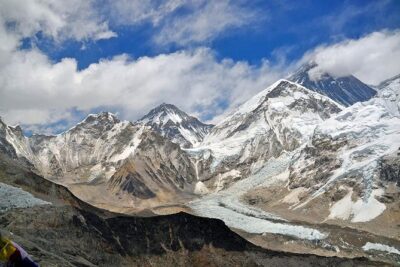
Thorong La turns a trek into a story. I like the fact that this route climbs to Thorong La (5,416m) and hits the iconic mix of valleys, Tibetan villages, and big Himalayan views. I also really appreciate the built-in pause with Manang acclimatization days that help you handle the altitude rather than just push through.
The main drawback to weigh is the altitude. You reach 5,416m and the trek is not suitable for people with altitude sickness or high blood pressure, so you’ll want to be honest about your fitness and medical limits before committing.
In This Review
- Key things I’d bet on for this trek
- From Kathmandu to Dharapani: the long start that sets the tone
- Chame to Upper Pisang: forests, villages, and getting your legs going
- Manang’s big 4,050m pause: why this trek is paced like adults
- Yak Kharka and Thorong Phedi: the pre-pass rhythm
- Crossing Thorong La (5,416m) to Muktinath: the day you remember for years
- Muktinath to Pokhara: a long bus ride followed by real recovery
- Price and value: what $456 covers, and what you’ll likely spend extra
- MT A Trekking and your guide: organization you can feel on a tough route
- When to go: clear skies for Autumn and Spring
- Who this trek suits, and who should pass
- My booking verdict: should you choose this 9-day Thorong La trek?
- FAQ
- Is hotel pickup included for this Annapurna Circuit trek?
- What permits are included?
- What kind of lodging do I get during the trek?
- Are there any acclimatization breaks on the route?
- What is the highest point on the trek?
- How long is the trek day when you cross Thorong La?
- Is a guide included, and what languages do they speak?
- What should I bring for this trek?
- Who is this trek not suitable for?
Key things I’d bet on for this trek
- Thorong La at 5,416m: the headline climb with real high-altitude bragging rights
- Manang’s planned rest day: time to acclimatize and keep the day-to-day feel manageable
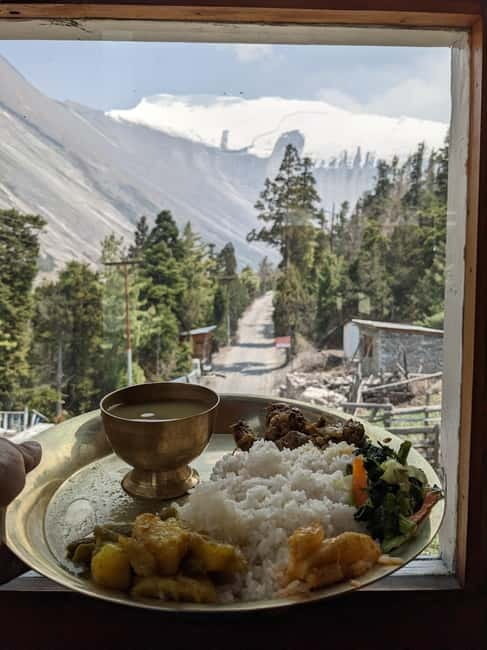
- Tea house and lodge nights: simple, practical lodging with meals kept basic during the trek
- Culture stops in Chame, Upper Pisang, and Manang: villages and local hospitality are part of the point
- Muktinath plus Pokhara recovery: you finish with a pilgrimage site and then a proper decompression day
- MT A Trekking’s registered local guide and on-trip support: help with pace, gear readiness, and emergency rescue assistance
From Kathmandu to Dharapani: the long start that sets the tone
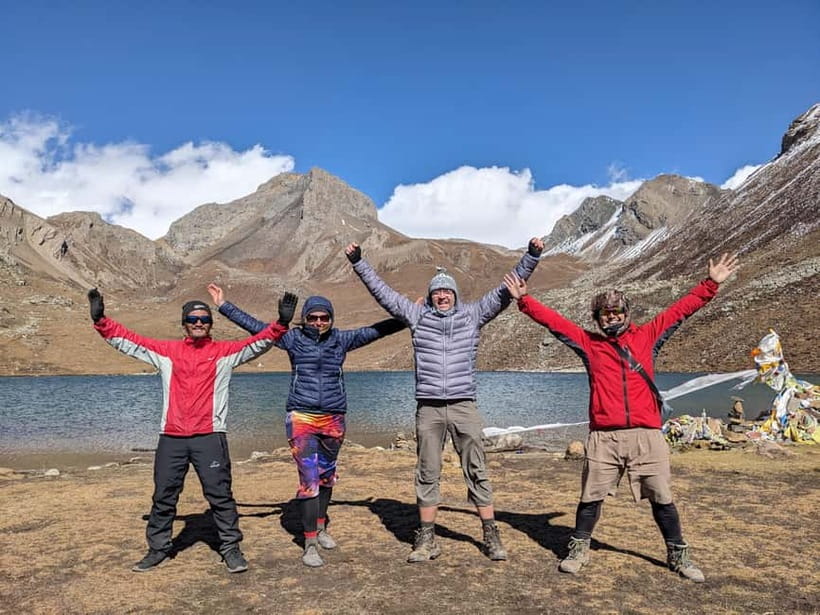
Day one begins with an early pickup from your hotel in the Thamel area (and the Pokhara Lakeside area for the end). Then you’re transferred to the station and head toward Besisahar by shared transport. After that, you continue by jeep to Dharapani.
Why this matters: on trekking routes, the first day can feel either rushed or oddly relaxing. Here, the plan is built around getting you into position with a scenic drive and an organized handoff between vehicles. You also get one less logistics headache, since transport between destinations and to/from included activities is part of the package.
One thing to expect: you’re traveling most of the day, not walking. If you hate sitting, plan for it. Pack a dry layer and keep small essentials easy to grab, since you’ll switch from bus to jeep.
You can also read our reviews of more tours and experiences in Pokhara.
Chame to Upper Pisang: forests, villages, and getting your legs going
You start day two trekking from Dharapani up to Chame (about 2,670m) in roughly 6 hours. The route passes through Bhote villages and moves through oak and pine forests, with fields along the way. This is a “start steady” day. It’s not a pass-crossing grind, but it wakes up your body for what comes next.
Day three takes you onward to Upper Pisang (around 3,200m) in about 5–6 hours. You get a scenic climb with stops that include the Bhratang Valley, plus strong views of Lamjung Himal. Upper Pisang sits at a higher elevation than Chame, so the air gets thinner. The climb is gradual enough to stay focused on breathing and footwork rather than panic.
What I like about these two days: you’re not just moving uphill. You’re moving through different “ways of life” in the mountains—villages, tree lines, and farming areas. That mix keeps the trek from feeling like one long stairway.
Manang’s big 4,050m pause: why this trek is paced like adults
Day four hikes from Chame’s side to Manang (about 3,540m), roughly 5–6 hours. The views are a highlight here, with Tilicho Peak mentioned as a visible landmark, plus Annapurna III and Annapurna IV. You’ll feel the altitude more on approach to Manang, but the payoff is that you end in a key base for the next steps.
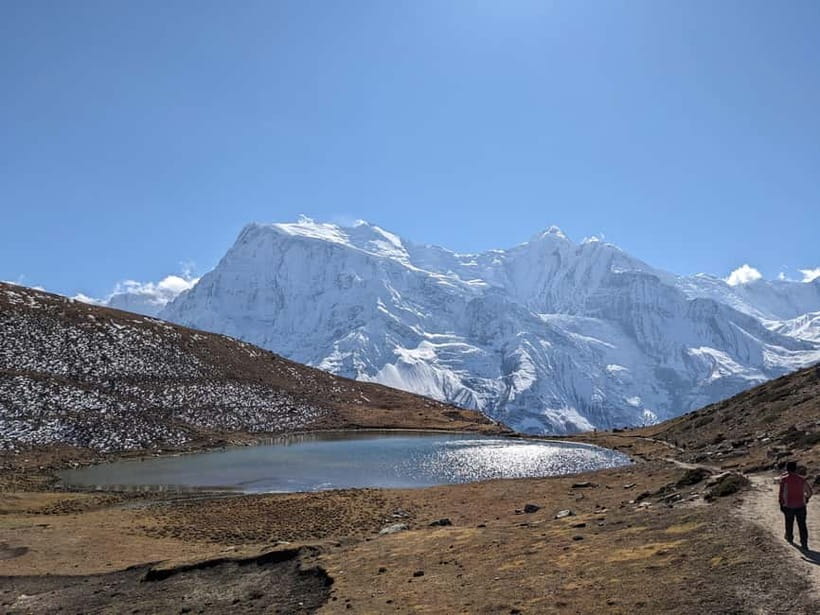
Then comes the real deal: day five is acclimatization in Manang at about 4,050m. This is a rest day, not a “rest by hiking anyway” day. You can choose optional walks to Gangapurna Glacier Lake or nearby icefalls, depending on how you feel.
Why that built-in day matters: acclimatization days are the difference between a trek that stays enjoyable and one that turns into damage control. A planned pause gives you time to adjust, recover, and avoid the classic mistake of gaining elevation too quickly. If you’re the type who feels guilty resting, this is where you practice trust. Your body needs the time.
Yak Kharka and Thorong Phedi: the pre-pass rhythm
On day six, you trek to Yak Kharka (about 4,050m) for around 4 hours. This is another altitude step, and the goal is less about speed and more about consistency. Expect expansive mountain views and a steady adjustment to the thinner air.
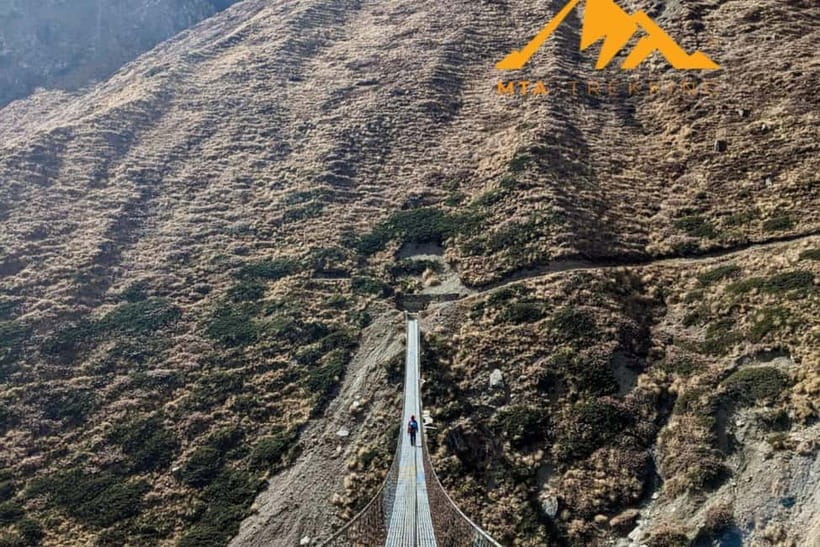
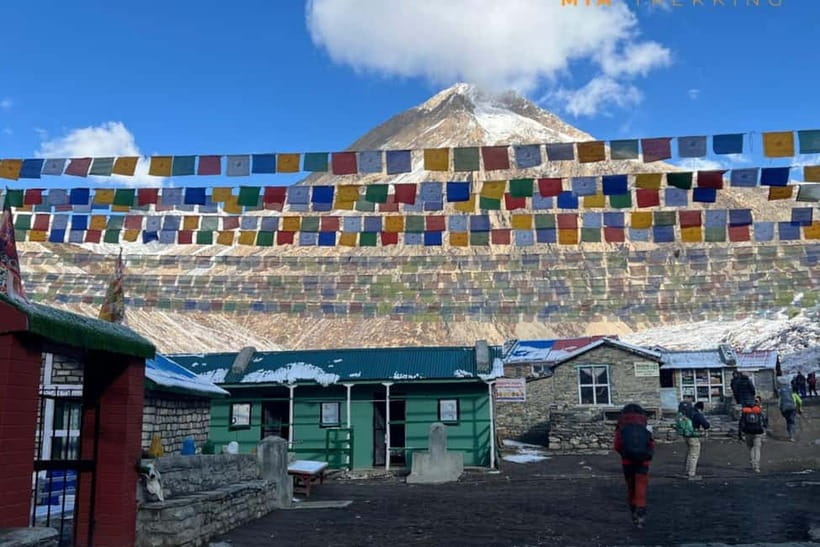
Day seven goes to Thorong Phedi (about 4,450m) in about 4–5 hours. You’ll cross bridges and keep gradually ascending to get your body ready for Thorong La Pass. Thorong Phedi is where things start to feel serious, because the next day is the high crossing.
A practical way to think about these days: they’re training days for your pacing. When you start feeling the altitude, it’s tempting to overcompensate with effort. Don’t. The plan is designed so you reach the pass area with enough energy to handle the climb without sprinting every switchback.
Crossing Thorong La (5,416m) to Muktinath: the day you remember for years
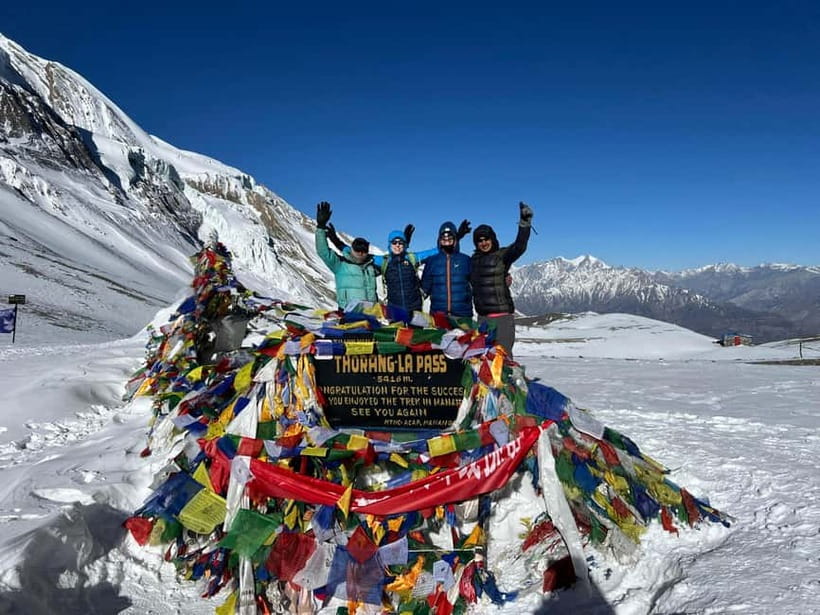
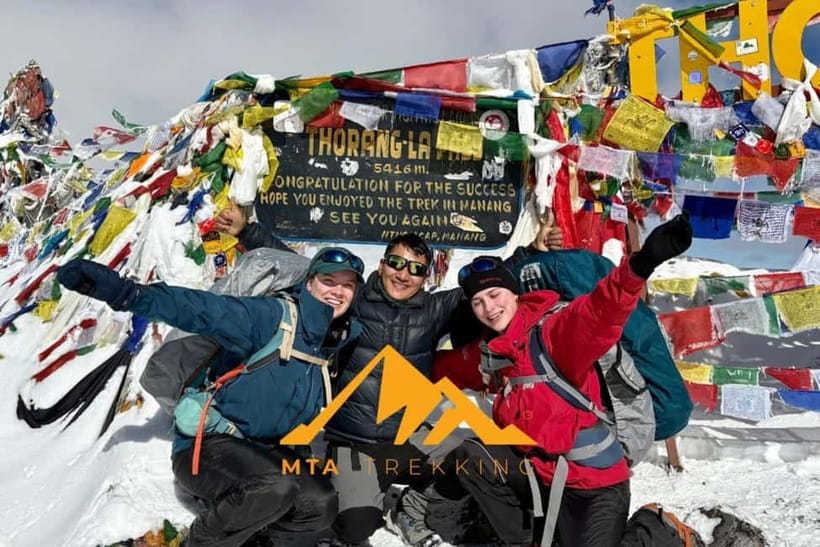
Day eight is the long one: about 7–8 hours from Thorong Phedi to Muktinath, with the pass crossing of Thorong La (5,416m) in between. This is one of the world’s highest trekking passes, and the point of the whole trip is right there.
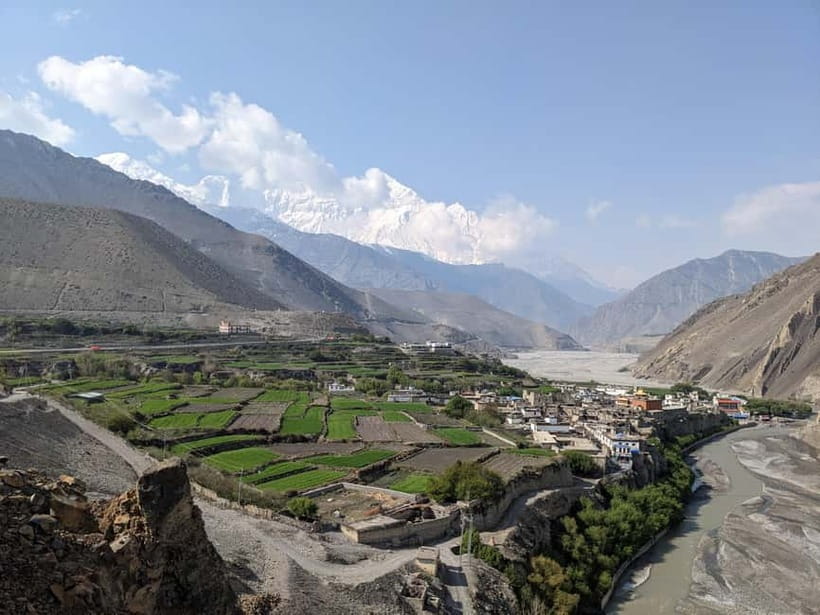
You then descend into Muktinath, with panoramic views of Mustang Valley mentioned as part of what you’ll see along the way. Muktinath is also an important pilgrimage site, so the vibe shifts from pure trekking effort into a place with meaning—people, rituals, and a different kind of focus.
How to approach this day in a way that keeps you safe: treat it as a controlled climb. Keep your breathing steady, wear your layers smartly, and don’t rely on motivation to power you through altitude. The trek provider notes good fitness and prior trekking experience are important for the long walking hours at high altitude. If you’re unsure, go slower than you think you need.
Also, the tour notes that alcohol and drugs aren’t allowed. On a pass day, that rule is about more than policy. It supports better decision-making when you’re operating at 5,000-plus meters.
Muktinath to Pokhara: a long bus ride followed by real recovery
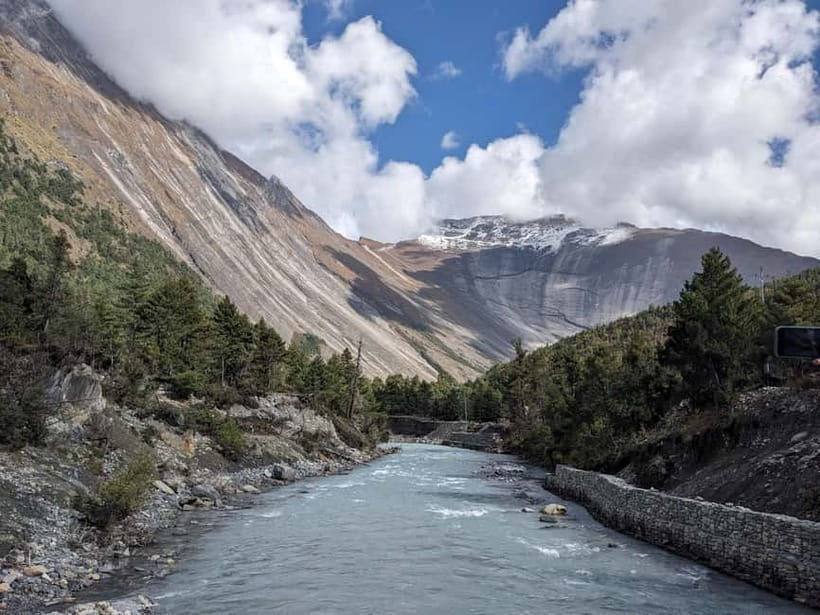
Day nine is the finish and recovery day. You drive from Muktinath to Pokhara by bus, about 8 hours. This is a scenic ride if you’re lucky with the weather, but it’s still time on the road—plan for it like travel, not like a reward hike.
Then you get included downtime: one-night accommodation at Hotel Orchid in Pokhara, plus a farewell dinner after the trek. Pokhara is a good place to loosen up your joints, reset your sleep schedule, and rehydrate properly.
If you’re planning what to do in Pokhara, keep it simple for the first day. You’ve just come off the pass. Use that included lodging to slow down and take care of yourself, not to race across town.
Price and value: what $456 covers, and what you’ll likely spend extra
The price is listed at $456 per person for the 9-day trek. For many treks in Nepal, the real question isn’t only the sticker price. It’s what’s included that usually costs money elsewhere.
Here’s what you get included:
- hotel pickup and drop-off from your hotel (Kathmandu Thamel area and Pokhara Lakeside area)
- permits and TIMS card
- all transport between destinations and to/from included activities
- an experienced government registered local guide
- tea house and lodge accommodations during the trek
- one night in Pokhara at Hotel Orchid
- farewell dinner in Pokhara
- sharing jeep and public transportation segments between Kathmandu, Besishar, and Dharapani parts
- emergency rescue assistance in case of emergency
What’s not included (and where people often feel it):
- soft and hard drinks
- travel and rescue insurance
- personal expenses like phone calls, laundry, bar bills, battery recharges
- bottle or boiled water, plus shower costs
- trekking gear
My take on value: the package is built around organization and safety support—permits, guide, transport, and emergency rescue assistance are included. The trek itself is also priced as “full service,” so you’re not trying to piece together tea house logistics plus vehicle transfers on your own. To make the price feel truly fair, you’ll still want to budget for water and any extra personal items, and you’ll want proper high-altitude trekking insurance since that isn’t included.
MT A Trekking and your guide: organization you can feel on a tough route
This trek runs with a private group and an English/Hindi live guide. You’ll also have a government registered local guide for the trekking portion.
What stands out from the experiences shared with this operator: communication before departure matters. One example given is Bijay, who stayed in constant contact before the trip. That kind of pre-trip responsiveness reduces stress, especially if you’re new to Nepal.
On the trekking side, guide support seems to focus on practical readiness and acclimatization. Another example name that came up is Shishir. The emphasis was on making sure essential gear and information were in place before the trek, and then pacing carefully so acclimatization didn’t feel like guesswork. That “slow enough to succeed” approach is exactly what you want when you’re going up to Thorong La.
When to go: clear skies for Autumn and Spring
The best time for clear skies and good views is spring (March–May) and autumn (Sept–Nov).
- Spring tends to be warmer with blooming conditions.
- Autumn is often the go-to season for visibility and mild temperatures.
Winter (Dec–Feb) is colder and can include snow, and trail closures are possible. Monsoon (June–Aug) brings heavy rain and slippery trails, which is a common reason people avoid this route then.
If you have flexibility, plan around weather. The pass day at 5,416m is where visibility and trail conditions matter most.
Who this trek suits, and who should pass
This 9-day Annapurna Circuit via Thorong La Pass is for adventure seekers and nature lovers who want a full iconic route: valleys, Tibetan villages, and a high pass crossing, ending at Muktinath and continuing to Pokhara.
You’ll likely enjoy it most if:
- you have good fitness and prior trekking experience
- you want built-in acclimatization (the Manang rest day is a big deal)
- you can handle long walking days, including a 7–8 hour pass day
- you’re comfortable with basic tea house lodging and simple meals
You should skip it if the tour says it doesn’t fit you:
- children under 7 years
- pregnant women
- people with altitude sickness
- people with high blood pressure
If you’re unsure about altitude risk, don’t treat that as a personality choice. Treat it as medical guidance.
My booking verdict: should you choose this 9-day Thorong La trek?
Book this trek if you want the full Annapurna Circuit experience with a serious high point at Thorong La (5,416m), and you also want the route paced with an actual acclimatization day in Manang. The included transport, registered local guide, permits, and emergency rescue assistance make it easier to focus on walking and breathing instead of logistics.
Don’t book it if you’re dealing with health limitations tied to altitude, or if you know long days at high elevation will push you into risky effort. This trek is doable for prepared hikers, but it’s not a “wing it” experience.
If you want one simple checklist before you commit:
- choose spring or autumn for better conditions
- plan for high-altitude trekking insurance
- pack your layers and sun protection
- be honest about fitness and altitude tolerance
FAQ
Is hotel pickup included for this Annapurna Circuit trek?
Yes. Pickup is included from hotels in the Kathmandu Thamel area, and also from the Pokhara Lakeside area at the end of the trek.
What permits are included?
The package includes permits and a TIMS card.
What kind of lodging do I get during the trek?
You stay in tea house and lodge accommodations during the trek. After the trek, you get one night at Hotel Orchid in Pokhara.
Are there any acclimatization breaks on the route?
Yes. You spend day five acclimatizing in Manang (around 4,050m), with the option of a light optional trek to Gangapurna Glacier Lake or nearby icefalls.
What is the highest point on the trek?
The trek crosses Thorong La Pass at 5,416m.
How long is the trek day when you cross Thorong La?
The Thorong Phedi to Muktinath day is listed as about 7–8 hours, including the pass crossing of Thorong La (5,416m).
Is a guide included, and what languages do they speak?
Yes. You get an experienced government registered local guide, and the live guide language options are English and Hindi.
What should I bring for this trek?
Bring comfortable shoes, sunglasses, a sun hat, sunscreen, comfortable clothing, and quick-dry clothing. You also need your passport or ID card (a copy is accepted).
Who is this trek not suitable for?
The trek is not suitable for children under 7 years, pregnant women, people with altitude sickness, or people with high blood pressure.