REVIEW · POKHARA
Pokhara: 3-Day Ghorepani and Poon Hill Trek
Book on GetYourGuide →Operated by Himalayan Nomad Treks Pvt. Ltd. · Bookable on GetYourGuide
Some treks feel long even when they are short. This one earns its hype fast with Poon Hill sunrise and big Himalayan views in just 3 days. I especially like the mix of village walking and forest trails, and I love that the guides (like Deepist/Deep, Keshab, and Kaji) keep you moving with clear care. One note: it’s not a gentle hike, and the day-1 stair climb can feel brutal at first.
You’ll also sleep in simple, practical tea houses on the way up, then push to high viewpoints for the payoff. A realistic drawback is pacing: you’re climbing to about 3,210m, including thousands of steps, so you’ll want decent stamina and steady breathing.
In This Review
- Key points before you go
- Why the 3-Day Ghorepani Trek is such a smart Pokhara choice
- Day 1: Pokhara to Nayapul and Tikhedhunga along the Modi Khola
- Day 2: Ulleri’s thousands of steps to Ghorepani at 2,840m
- Day 3: Poon Hill sunrise, Dhaulagiri views, and the descent to Pokhara
- Tea houses and comfort: what kind of “rest” you’re actually buying
- Guides, safety, and pacing (the part that makes or breaks your trip)
- Price and value: what $127 covers, and what you’ll still pay for
- What to pack for a 3,210m trek without overthinking it
- Who this trek is best for (and who should skip it)
- Should you book this Pokhara to Poon Hill trek?
- FAQ
- What is the duration of the Pokhara 3-Day Ghorepani and Poon Hill Trek?
- What starting elevation does the trek reach on the first day?
- How high do you go during the trek?
- Where does the trek start and end?
- What kind of accommodation is provided during the trek?
- Are meals included?
- Is a porter included?
- What’s included for permits and paperwork?
- What language is the guide available in?
- What should I bring for the trek?
Key points before you go
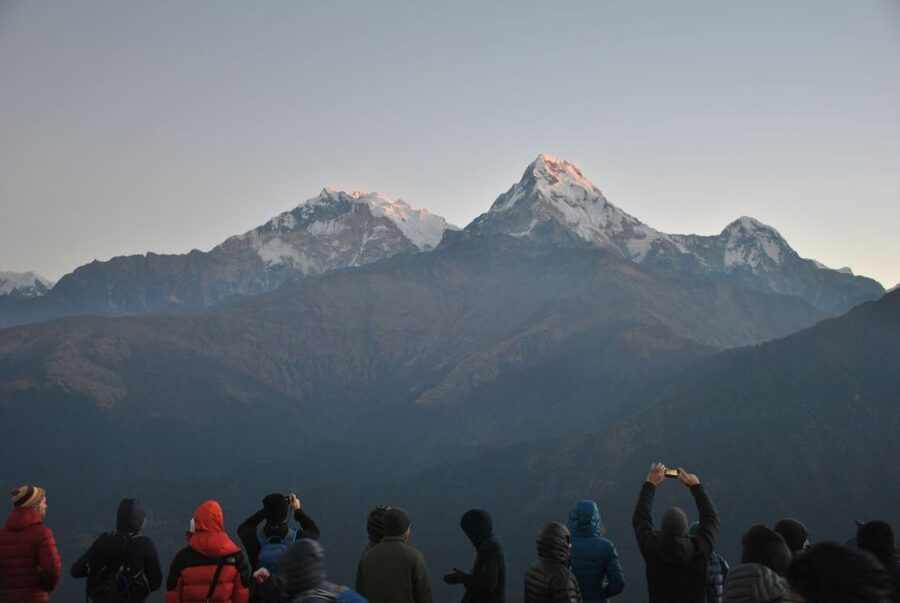
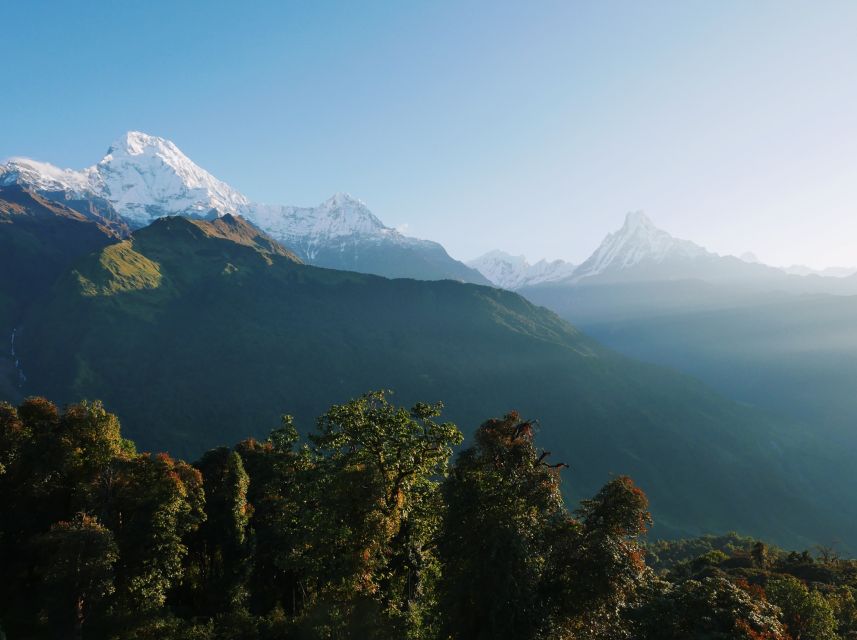
- Poon Hill sunrise with views that include the Annapurna range and even Dhaulagiri on clear mornings
- Big effort in a short time: day 1 tackles a steep stair section and day 2 keeps the climb going
- Rhododendron forests and river valleys along the Modi Khola/Modi River route
- Comfort that matters: tea houses are reported as clean, with some nights offering WiFi and hot showers
- Well-run logistics: guides arrange transport from Pokhara to the trail start, and the trek finishes back in Lakeside
Why the 3-Day Ghorepani Trek is such a smart Pokhara choice
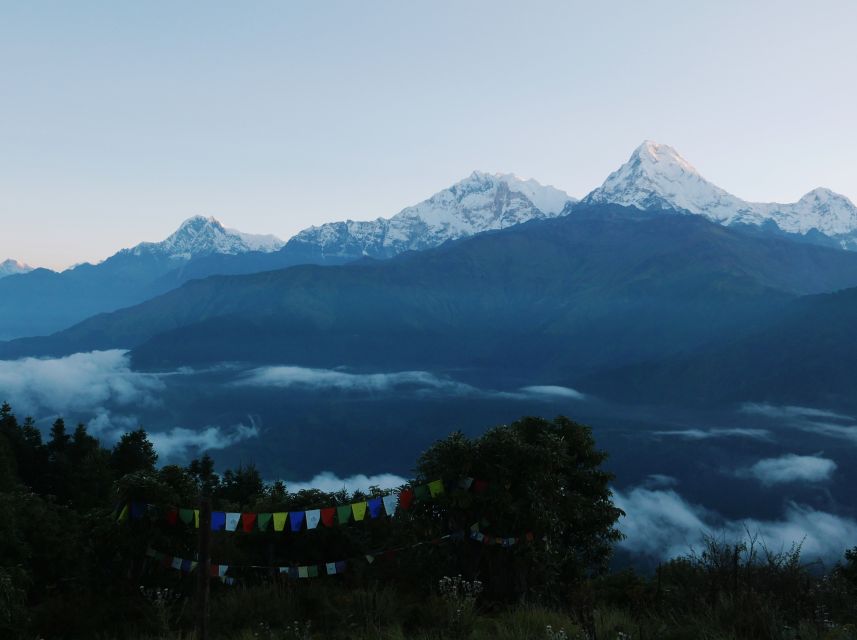
Pokhara is your launchpad. Within a couple hours you’re walking rural lanes and river tracks, and by the second day you’re in that steep, forested “how did I get this high so fast?” zone. The trek is short enough to fit a tight schedule, yet it still reaches serious altitude—around 3,210m—so it doesn’t feel like a casual stroll.
What makes it worth your time is the shape of the experience. You climb gradually through real villages and rhododendron woodland, then you spend your final morning on a payoff climb for sunrise. That combo—effort now, reward soon—keeps the whole trip from feeling repetitive.
And yes, guides really change the feel of a trek. In different trips, I saw names come up like Deepist/Deep, Keshab, and Kaji, and the common thread was that they were attentive and practical: explaining what you’re walking through, adjusting for comfort, and helping you stay confident on steep sections.
You can also read our reviews of more tours and experiences in Pokhara.
Day 1: Pokhara to Nayapul and Tikhedhunga along the Modi Khola

Day 1 starts with a scenic drive from Pokhara to Nayapul. Then you walk along the Modi Khola River, passing small settlements and moving through rhododendron forests—green, shaded stretches that make the first day feel like a warm-up instead of an immediate wall of altitude.
You’ll end the day in Tikhedhunga at about 1,570m, sleeping in a tea house. This first night matters because it sets your rhythm. Take it easy, eat well, and don’t treat day 1 like a speed challenge—even if the stairs don’t seem that scary at the beginning.
Tip I’d follow: keep your pace slow enough that you can talk in short sentences. When you do that, the next day’s climb won’t feel like punishment.
Day 2: Ulleri’s thousands of steps to Ghorepani at 2,840m
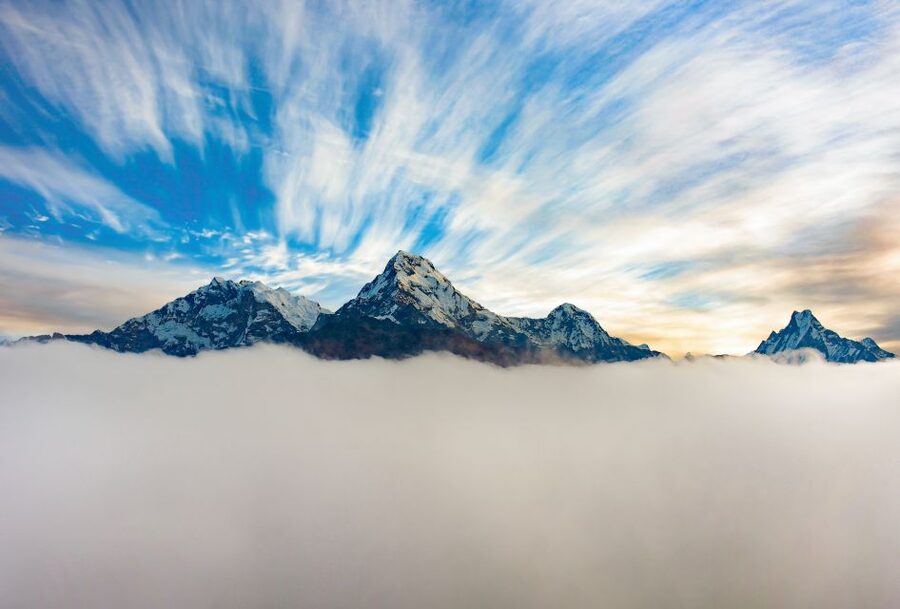
Day 2 is the day you earn your sunrise. You climb up to Ulleri with a steep ascent known for over 3,000 steps, and this is where fitness and mindset show up fast. It’s not just the height—it’s the repetitive step pattern, which can tire your legs even if your breathing is controlled.
After Ulleri, the trail continues through rhododendron forests until you reach Ghorepani around 2,840m. Ghorepani is a key base area for the Poon Hill sunrise crowd, which means you’ll find the tea house setup geared toward hikers who are waking up early.
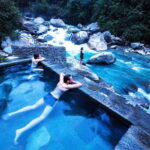
This is also where comfort options start to matter. On recent treks, tea houses were described as clean and comfortable, and some people specifically noted WiFi and hot showers. Not every room will feel identical, but the overall setup is solid enough that you can recharge between climbs.
Day 3: Poon Hill sunrise, Dhaulagiri views, and the descent to Pokhara
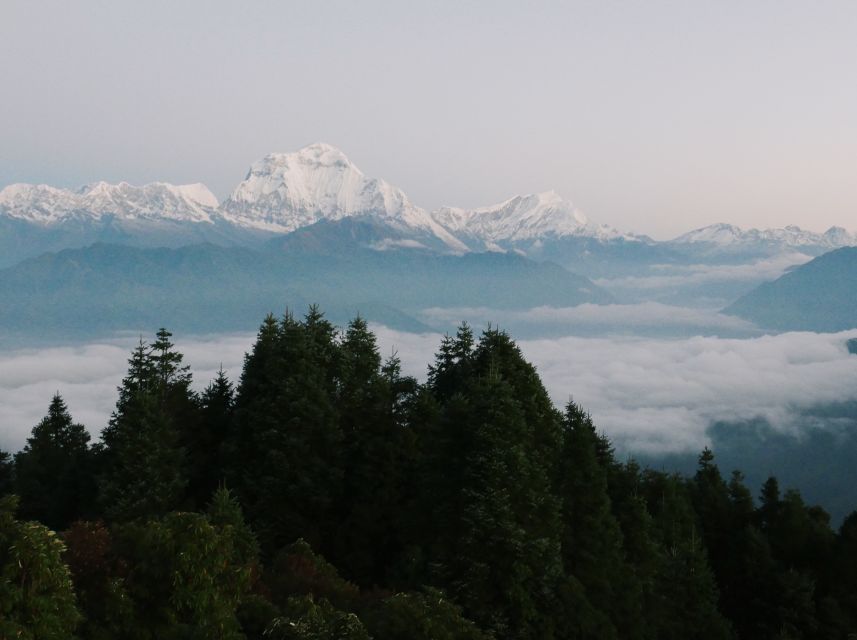
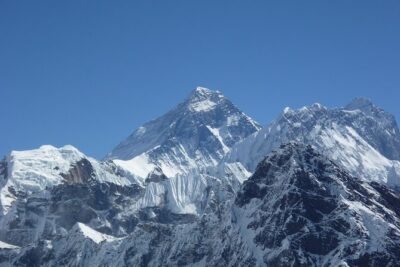
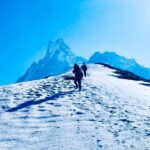
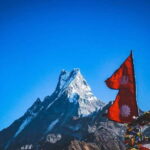
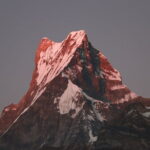
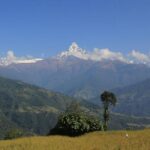
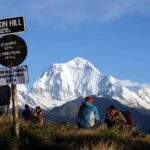
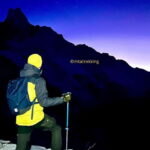
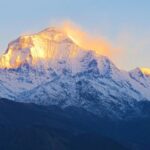
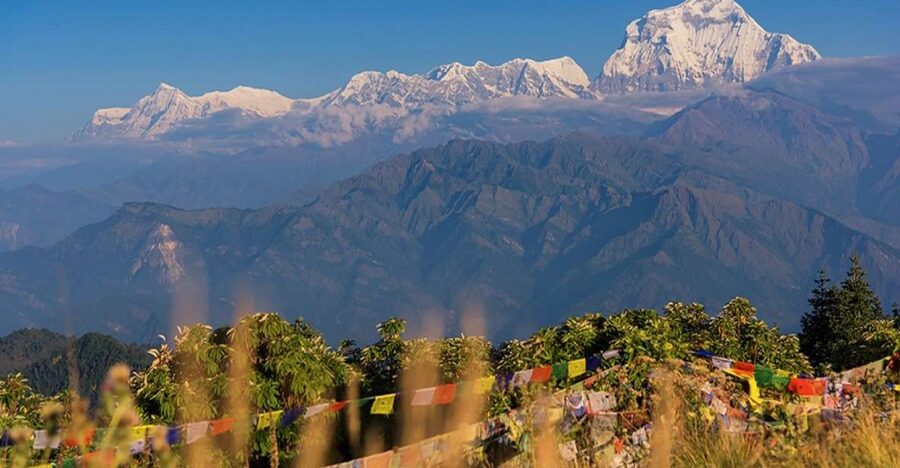
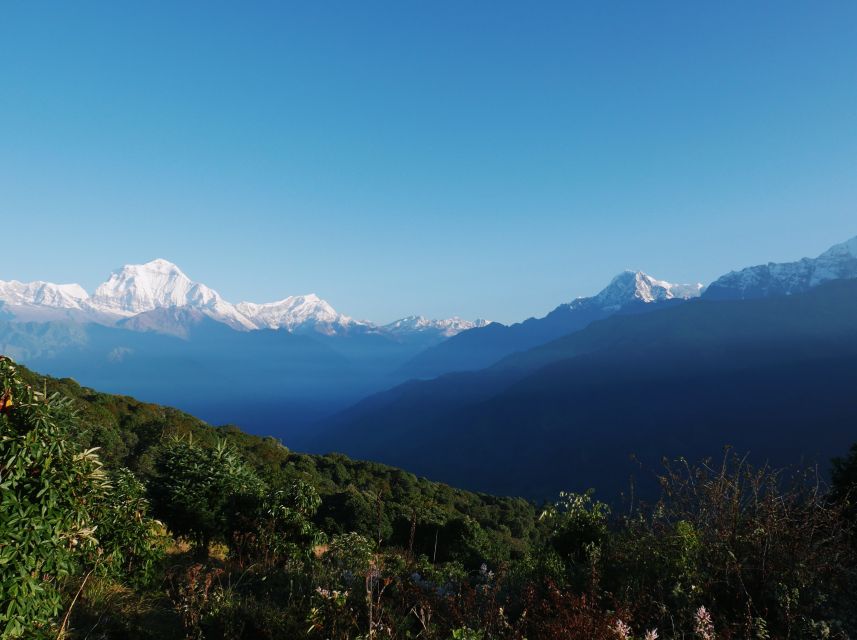
Day 3 starts early. The hike up to Poon Hill is your sunrise moment, and the reward is not subtle: you’re looking over a wide slice of the Annapurna range, with views that can include Dhaulagiri when the weather cooperates.
From a reader’s standpoint, sunrise is the headline. From a hiker’s standpoint, it’s also a timing test: you’ll be waking up in the cold hours, climbing while it’s still dark or just turning light, and trying to stay warm enough to enjoy the view without rushing. If you’re the type who hates early mornings, this trek will still work, but you’ll need a “good mood before you’re comfortable” plan.
After the sunrise, you go back down the same route to Ulleri, then continue downhill toward Hile. From there, the trail returns through jungle and forest scenery with views along the Modi River area, and eventually you reach Nayapul by jeep. Finally, a drive brings you back to Lakeside Pokhara.
This ending is one of the best parts of a short trek. Instead of spending hours on local transport, you close the loop with a direct return to your base.
Tea houses and comfort: what kind of “rest” you’re actually buying
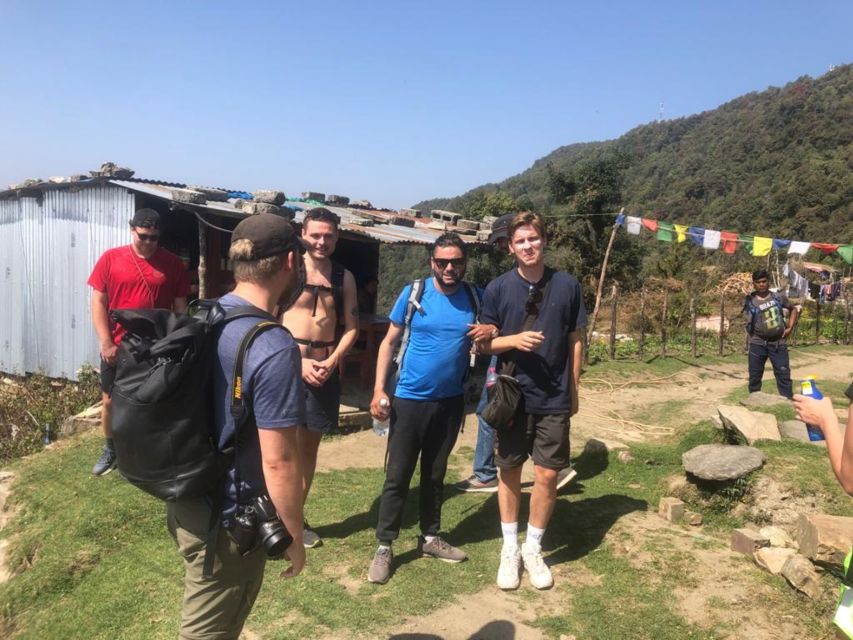
This trek is built around tea houses—simple places where you sleep, eat, and reset your body for the next day’s climb. Based on experiences people shared, the quality is often better than many first-time hikers expect: rooms described as clean, and some tea houses included WiFi and hot showers.
Real talk: the mountains don’t care about your preferences. You’ll still deal with basic conditions and shared spaces. But the value is that tea houses let you avoid carrying everything. You’re traveling lighter, eating as you go, and spending energy on walking instead of logistics.
Also, because it’s short, you don’t have time to slowly acclimate for days and days. So your “comfort” needs to be practical: a place to sleep enough hours, warm water when available, and a meal that sits right in your stomach.
Guides, safety, and pacing (the part that makes or breaks your trip)
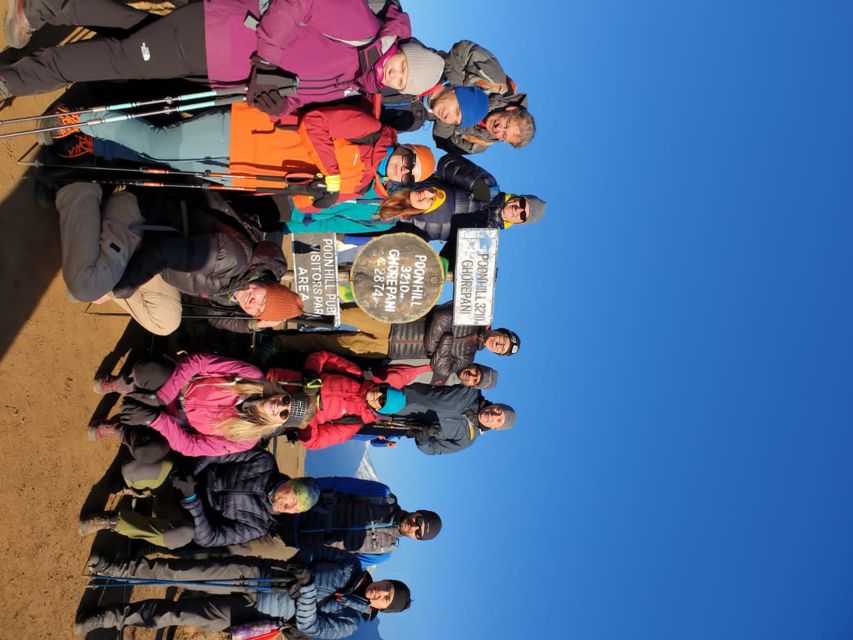
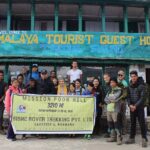
You’ll have an authorized English-speaking guide (and the guide may also work in Hindi and Nepali, depending on the group). What stands out is how often guides are described as helpful beyond the basic route—like checking in on how you’re doing, explaining plants and trees, and keeping the hike fun instead of just instructional.
I also like that this trek is described as well organized. One solo traveler specifically said they felt extremely safe, and multiple people highlighted that the guide arranged transport to the starting point and handled key pieces of coordination. For a short trek, organization isn’t a luxury; it reduces stress at exactly the time you want your energy for the trail.
Pacing is the real safety skill you control. The best strategy is simple: start slower than you think you need to on steep sections, and keep breaks frequent. The day with the big stair climb is tough, but it becomes manageable when you treat it like short efforts rather than one endless grind.
Price and value: what $127 covers, and what you’ll still pay for
The listed price is $127 per person for a 3-day trek from Pokhara. That’s attractive because the package includes key costs that many independent hikers end up paying separately: trekking permits and paperwork (including the TIMS fee), tea house accommodation during the trek, guide services (including staff insurance), and hotel pickup and drop-off.
It also includes a meaningful add-on that feels local: a farewell with a Nepalese typical dinner in Lakeside Pokhara. And it covers the last night accommodation at Hotel Orchid in Pokhara for one night.
Here’s what’s not included. You’ll pay for soft and hard drinks, personal expenses, and any porter you choose to hire (porters are listed as not included). Travel and rescue insurance is also not included, and you should treat that as a must-have for mountain travel, even on a short trek.
One more practical detail: “all meals during the trek” is only for the full package. Before you book, double-check whether your option includes breakfasts and dinners or just certain meals. When you’re climbing, food consistency makes your day easier.
Bottom line on value: you’re paying for route planning + permits + a guide + accommodation, which is where most costs hide. If you’d rather not juggle logistics, this price structure makes sense.
What to pack for a 3,210m trek without overthinking it
You don’t need fancy mountaineering gear, but you do need mountain basics. Use the packing list as your core and adjust based on season and your comfort level:
- Layers: jacket, long pants, shorts (for lower elevations), change of clothes
- Protection: sunscreen, sunglasses, hat, and a water bottle
- Night and early morning: flashlight and warm layers for cold sunrise timing
- Comfort: socks and a daypack sized for your trekking essentials
- Field basics: trekking gear, first aid kit, and cash
Most importantly, don’t skip footwear and leg comfort. This trek’s stairs can be a lot on day 1 and still enough on day 2 that your knees will feel it. If you’re unsure, bring your most broken-in shoes.
Who this trek is best for (and who should skip it)
This is best for hikers who want a Himalayan experience in a short window and don’t mind steep sections. Reviews and the trek profile point to it being very doable if you’re generally sporty and agile enough to handle repeated steps with breaks.
It’s also a good option if you’re traveling solo. One person specifically said they felt extremely safe and well taken care of, and they described clean, comfortable guest houses.
Who should consider a different plan: the tour data says it is not suitable for pregnant women. Also, if steep stair climbing is a deal-breaker for you, you might feel stuck with this itinerary’s main feature: Ulleri’s steep ascent.
Should you book this Pokhara to Poon Hill trek?
I’d book it if you want: a short trek with a real mountain payoff, strong sunrise energy, and a guide-led experience that removes most of the stress. The combination of permit coverage, accommodation, and guided pacing is a strong value at $127.
I wouldn’t book it if you’re looking for a flat, easy nature walk. The stairs and altitude are the point of the trek’s credibility, and you should respect that effort level.
If you’re comfortable with early starts and you know you can handle steep climbs with breaks, this is a smart way to experience the Annapurna region without turning your holiday into a multi-week project.
FAQ
What is the duration of the Pokhara 3-Day Ghorepani and Poon Hill Trek?
The trek lasts 3 days.
What starting elevation does the trek reach on the first day?
On day 1, you trek to Tikhedhunga at 1,570 meters.
How high do you go during the trek?
You reach viewpoints up to about 3,210 meters and you’ll also pass through 2,840 meters on day 2 at Ghorepani.
Where does the trek start and end?
It starts in Pokhara with a drive to Nayapul, and after the trek you return to Lakeside Pokhara.
What kind of accommodation is provided during the trek?
You’ll stay in tea houses during the trek, plus there is one last night at a tourist standard luxury hotel in Pokhara (Hotel Orchid).
Are meals included?
Meals are included during the trek for the Full Package only. Drinks are not included.
Is a porter included?
No. A porter is listed as not included.
What’s included for permits and paperwork?
The package includes trekking permits, necessary paperwork, and TIMS fee(s), plus applicable government taxes.
What language is the guide available in?
The guide is listed as available in English, Hindi, and Nepali.
What should I bring for the trek?
You should bring items such as passport or ID card, camera, sunscreen, sleeping bag, jacket, hat, flashlight, daypack, water, trekking gear, long pants, socks, sunglasses, cash, and a first aid kit.