REVIEW · YAMAGATA
Yamagata: Icefall Ice Monster Snow Trekking with Local Guide
Book on GetYourGuide →Operated by YAMAGATA EXPERIENCE · Bookable on GetYourGuide
Snow turns into a whole new world.
This icefall trek to Hyobaku in Zao, Yamagata, is the kind of winter experience that feels rare: crisp, quiet, and built around careful walking on frozen waterfalls. I love the way the route leads you to Senninzawa Ice Garden, where you’re hunting for unfamiliar views you won’t see from a regular trail.
I also love the practical care built into the tour: you get geared up with crampons, snowshoes, and a helmet, and your lunch gets supported with hot water so you can warm up properly. The one thing to consider is that this isn’t a casual stroll. You need real winter walking ability—steep ascents and descents, and the expectation you can carry your own daypack for more than 4 hours.
In This Review
- Key highlights worth planning for
- Starting at Zao Liza World and aiming straight for Hyobaku
- Gear-up: snowshoes, light crampons, poles, helmet, beacon
- The downhill approach: what the first hour really feels like
- Senninzawa Ice Garden: lunch next to frost-covered water
- Returning up and back down: snowshoes, steep climbing, and that optional butt-sled moment
- Price and value: what $129 buys you in real terms
- Weather reality: why this trek can still be fun in bad conditions
- Who should book, and who should choose the beginner course instead
- What to bring so you can focus on icefall, not cold
- Should you book this Hyobaku ice monster snow trek?
- FAQ
- How long is the Yamagata Icefall Ice Monster snow trekking tour?
- Where does the tour start?
- What gear is provided during the tour?
- Is the tour suitable for beginners?
- How fit do I need to be?
- What is provided for lunch or warm drinks?
- Is there a toilet on the tour?
- Are pets allowed?
- Can I cancel and get a full refund?
Key highlights worth planning for
- Hyobaku icefall and Senninzawa Ice Garden: a guided walk to a frozen waterfall setting you won’t get by accident.
- Small group (up to 5): more attention when conditions get icy or visibility shifts.
- All the winter traction you need: snowshoes, light crampons, poles, plus a helmet and beacon.
- Hot water for your meal: bring something quick to make and warm.
- Photo support included: the guide takes photos during the trek and shares the data for free the same day.
- Return without the lift: you can walk back down on snowshoes, including fun ways to descend.
Starting at Zao Liza World and aiming straight for Hyobaku
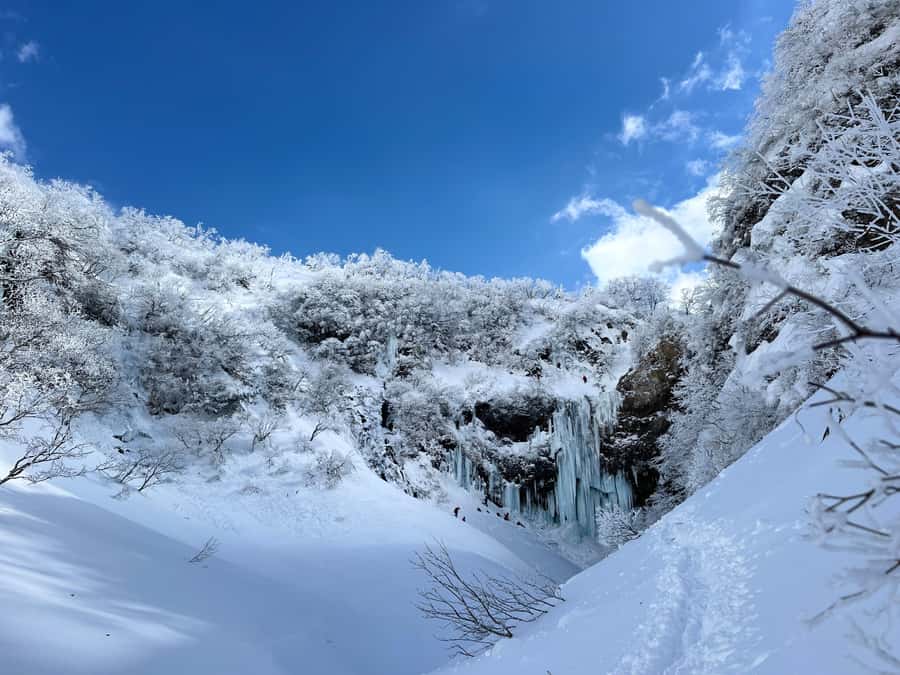
The tour’s rhythm is simple: you begin at Zao Liza World Ski Resort, then you head out from the lift area and follow a mostly downhill route toward the icefall known as Hyobaku. That downhill start matters. It lets you shift your energy from “how do I begin?” to “how do I move safely on snow and ice,” which is exactly what you want once everything turns slick.
From the end of the lift, you put on light crampons and start trekking for about an hour toward Senninzawa Ice Garden. This is not about speed. It’s about footing, balance, and staying relaxed even when your legs work harder than they would on a normal winter hike.
The goal is a frozen waterfall experience—what you’re chasing is the kind of sight winter photographers dream about: the “pure white world” feeling, with fresh snow and ice formations that look almost untouched. When it’s cold enough and snow is fresh enough, the trail can feel like it belongs to nobody but your group.
Gear-up: snowshoes, light crampons, poles, helmet, beacon
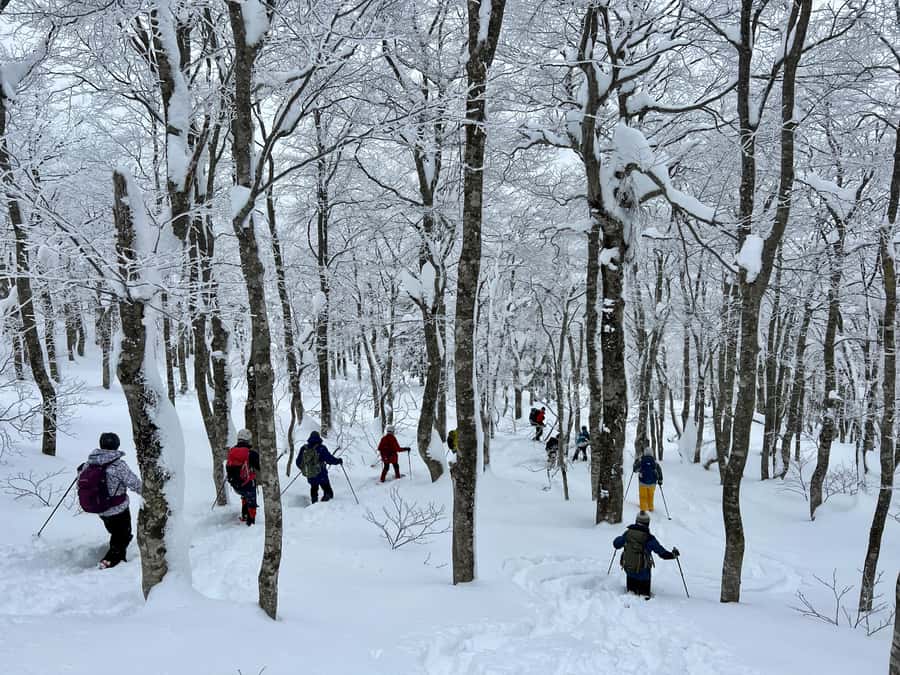
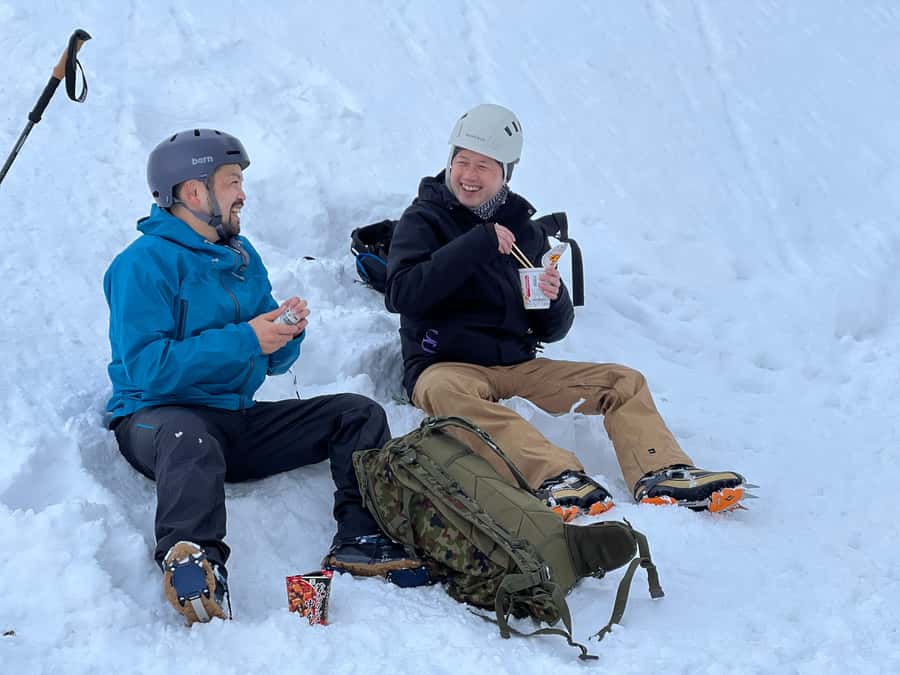
One of the smartest parts of this trek is that gear isn’t an afterthought. You’re equipped with the essentials before you head out, including snowshoes, stocks (poles), light crampons, a helmet, and a beacon. You’re also insured, which matters when you’re walking on surfaces that can surprise you.
Why this matters for your comfort and confidence:
- Light crampons help you handle the ice section safely instead of guessing with normal footwear.
- Snowshoes come into play on the return when you’re on fluffy, new snow.
- Polares/poles reduce strain on steep parts and help your balance stay calm.
- A helmet is there because this isn’t just “pretty snow.” It’s a real outdoor trek on frozen terrain.
You still need to show up prepared with good clothing, warm shoes, gloves, and a daypack. The tour will give you the technical tools, but you control how warm and steady you feel underneath them.
The downhill approach: what the first hour really feels like
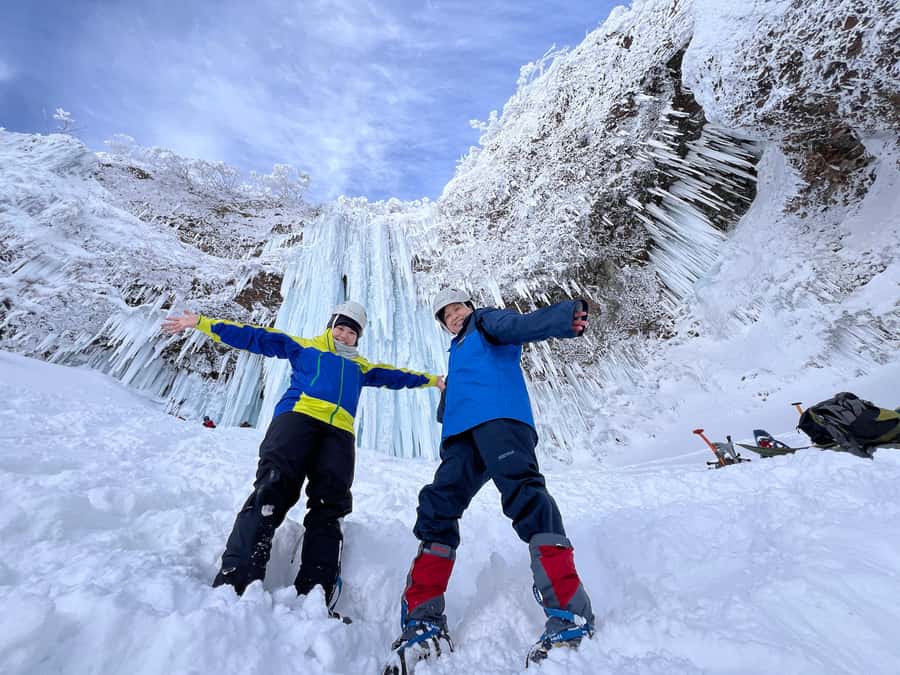
After the lift drop-off, you switch into crampons and start walking. Expect an hour of steady effort toward the ice garden. The surface can change—snow over ice, ice patches, and stretches where your stride needs to shorten so you don’t lose balance.
The route is designed around steep and slippery realities. That’s why the tour is aimed at people with snowshoe or winter trekking experience. The tour data explicitly flags that beginners are better off booking a separate “Ice monster Snow Hiking” course instead.
If you’re unsure about your comfort level, be honest with yourself. This trek requires more than sightseeing interest. You need to carry a backpack and keep walking under your own power for more than 4 hours total, including steep ascents and descents.
Senninzawa Ice Garden: lunch next to frost-covered water
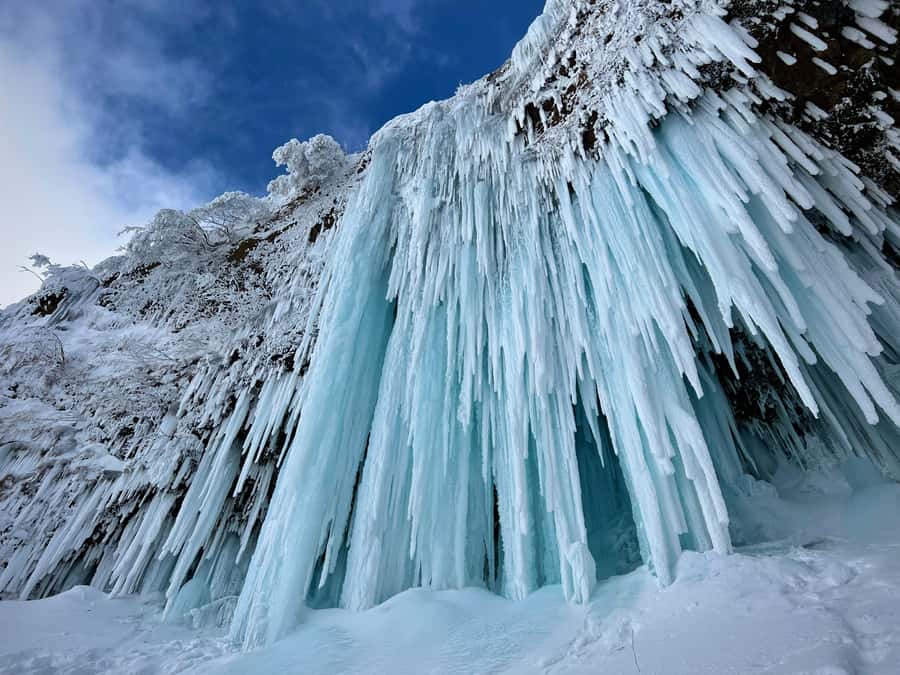
When you arrive at Senninzawa Ice Garden, the atmosphere shifts. The frozen environment is what you came for: white space, frost details, and that “icefall monster” feeling that makes ordinary winter hiking seem boring.
This is also when you slow down for lunch. The guide provides hot water for meal prep, so you can bring something warm-fast—instant noodles are a natural fit. Pack something you actually enjoy. Lunch here isn’t a restaurant meal; it’s a warm break that helps your body recover so you can climb back up afterward.
Another small but meaningful touch: the guide takes photos during the tour and gives you the data for free on the same day. That’s a big deal in a place where your hands might be cold and your focus might be on your footing. You get to keep trekking without constantly stopping for every shot.
Returning up and back down: snowshoes, steep climbing, and that optional butt-sled moment
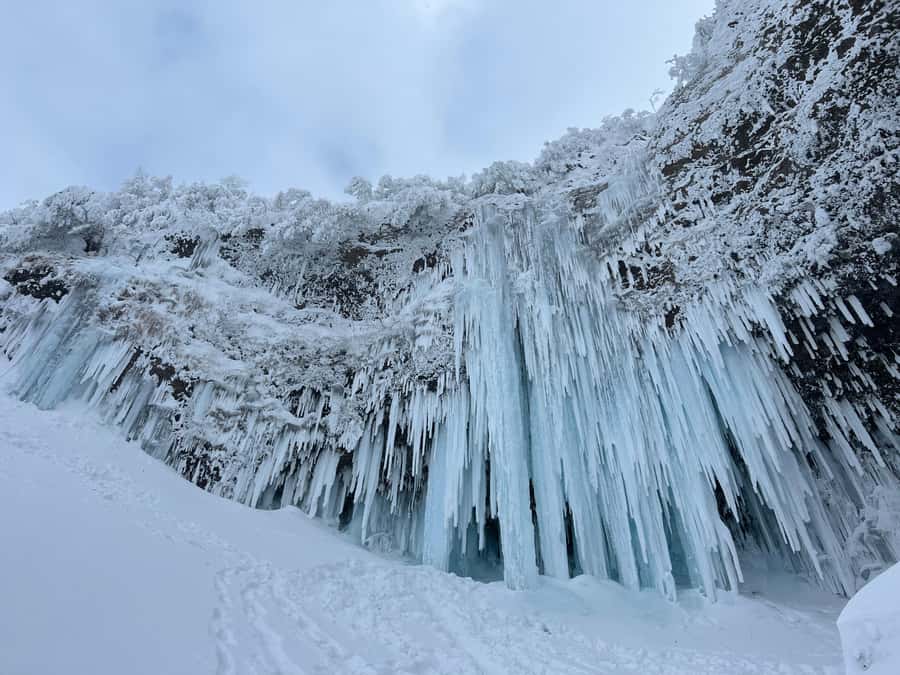
After lunch, you climb back up the steep slope. Then you change into snowshoes. This part is crucial: you’re switching traction tools because the snow conditions change from ice-focused crampon walking to a softer, fluffier surface.
The return is where the trek feels like both work and fun. You can walk on the new snow, and yes, the tour even hints at sliding on your buttocks for the playful, controlled way to descend when conditions allow. The practical point is that this descent style is part of how the area’s snow feels underfoot—slippery enough to be memorable, but guided enough that you’re not guessing alone.
Even better, you can walk down to the ski resort without using the lift. That’s one less “wait for transport” moment and more time outside. It also means you’ll end the day with that solid winter-hike satisfaction.
Price and value: what $129 buys you in real terms
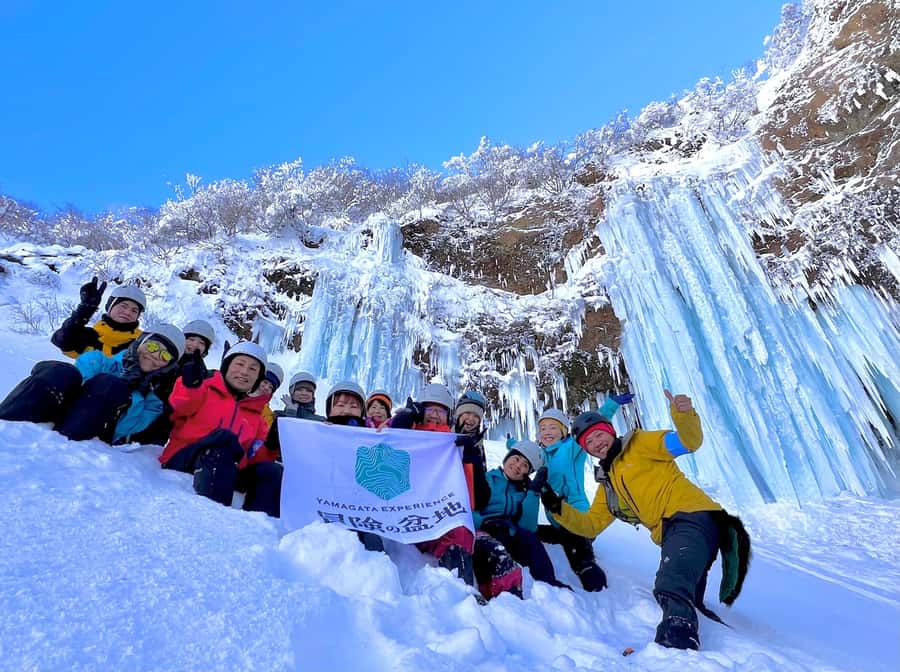
$129 for a 5-hour, small-group trek sounds straightforward until you break down what’s included. You’re not just paying for a guide.
Included items cover the big cost drivers and risk reducers:
- Guide fee and insurance
- Gear rental: snowshoe, stocks, light crampons, helmet, beacon
- Lift fee
- Hot water for meal preparation
- A tent-type portable toilet brought along
- Photos: free photo data on the day
That’s also why the value feels solid if you’re visiting Yamagata and don’t already own winter traction gear. Buying or renting crampons and snowshoes separately can quickly add up, and this tour bundles it into one scheduled, guided experience.
One extra practical note on costs: parking fees can apply on weekends and holidays (1,000 JPY), while weekdays are free. If you’re driving, this affects your total day budget. If you’re using a shuttle (limited free options from Akayu Onsen, JR Kaminoyama Onsen Station, and Zao Bohira pension lodgings), plan on confirming availability when you book.
Weather reality: why this trek can still be fun in bad conditions
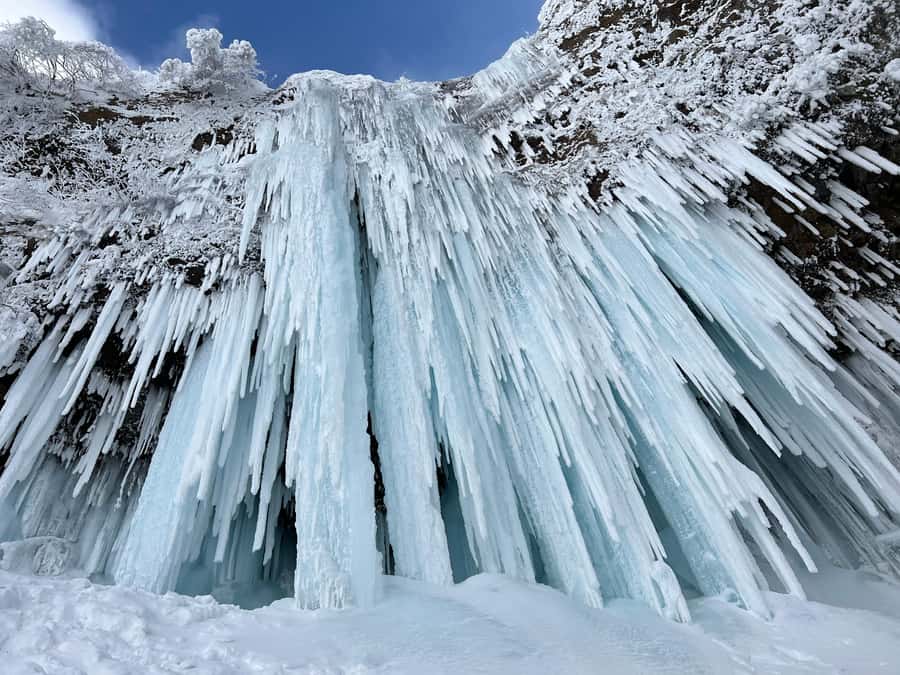
Winter treks live or die on weather. The good news here is that the tour is run with real-world conditions in mind. One review notes that even with harsh weather, the group managed to have an enjoyable time together. That tells me the guiding approach is built for discomfort: they keep the plan moving, manage safety on slick surfaces, and focus on making the experience work even when the day isn’t perfect.
That means you should treat conditions as part of the experience, not a reason to bail unless you’re truly not prepared. Bring the items listed—sunglasses, hat, gloves, warm shoes, snow clothing, and a daypack. If you show up properly dressed, you’re far more likely to enjoy the ice world rather than just endure it.
Who should book, and who should choose the beginner course instead
This is where you should make your decision fast and honest.
This Hyobaku icefall snow trek is best for:
- People with snowshoe or winter trekking experience
- Walkers who can carry a backpack and handle more than 4 hours of walking
- Anyone comfortable with steep ascents and descents
- Visitors who want guided access to Hyobaku and Senninzawa Ice Garden, not just a scenic viewpoint
It may not be the right match for:
- Children under 10
- Pregnant women
- People with heart problems or low fitness level
- Anyone who lacks proper winter clothing or equipment (the tour may refuse entry if your clothing isn’t suitable)
If you’re new to winter traction walking, there’s an alternative course called “Ice monster Snow Hiking” designed for beginners. That’s your signal: this specific trek expects you to already know your winter hiking basics.
What to bring so you can focus on icefall, not cold
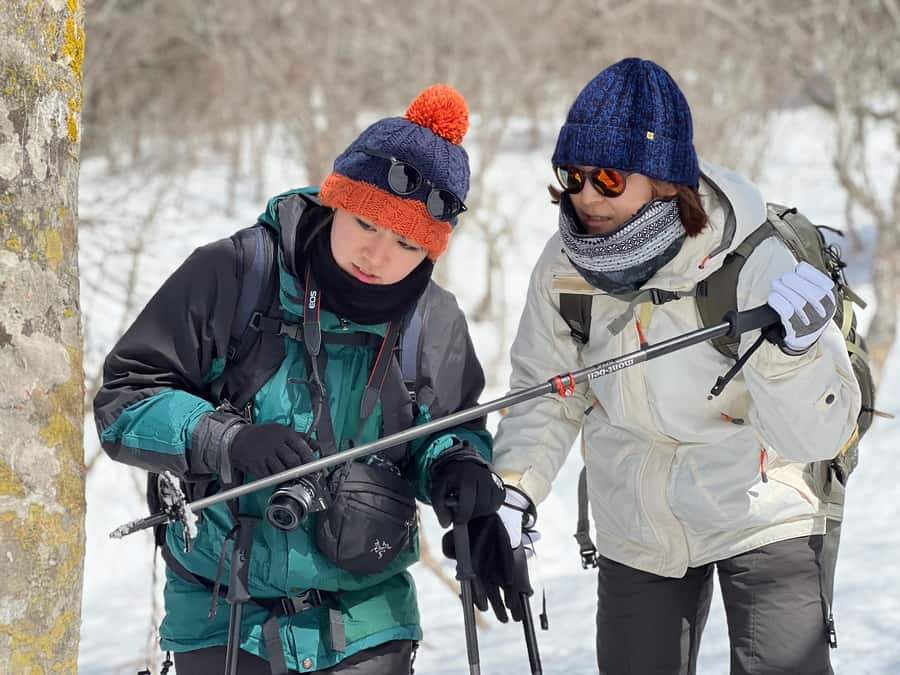
Here’s the practical checklist that keeps your day comfortable.
Bring:
- Sunglasses and a hat (bright snow can be brutal)
- Gloves and proper snow clothing
- Warm shoes
- A daypack
- Food and drinks
- Any trekking gear you already use
Because the guide provides hot water, you can pack something simple to warm up. The key is to bring items that work for your comfort, not just what looks right in pictures.
Also, no pets are allowed. If you’re traveling with one, plan separate arrangements for your animal companion.
Should you book this Hyobaku ice monster snow trek?
Book it if you want a guided, traction-based snow trek to Hyobaku icefall and Senninzawa Ice Garden, with real winter support included—gear, hot water, a portable toilet, and photo help. The small group size (up to 5) also makes a difference when the trail gets tricky.
Skip it (or choose the beginner course) if:
- You’re not ready for steep uphill/downhill walking
- You don’t have winter experience or you’re unsure about managing crampons and snowshoes
- You can’t comfortably walk for more than 4 hours under your own power
If you match the fitness and clothing requirements, this is the kind of winter experience that feels genuinely different from a standard day trip. It’s not just seeing ice—it’s walking through it, slowly enough to notice the details, and with the safety tools to make it enjoyable.
FAQ
How long is the Yamagata Icefall Ice Monster snow trekking tour?
The tour duration is 5 hours.
Where does the tour start?
You’ll meet your guide inside the building where the restaurant is located.
What gear is provided during the tour?
The tour provides rental gear including snowshoe, stocks (poles), light crampons, a helmet, and a beacon.
Is the tour suitable for beginners?
This trek is designed for participants with snowshoe or winter trekking experience. Beginners are recommended to join the separate Ice monster Snow Hiking course.
How fit do I need to be?
You should be able to carry a backpack and walk for more than 4 hours under your own power. The route includes steep ascents and descents.
What is provided for lunch or warm drinks?
Hot water is provided for meal preparation. You can bring items like instant noodles to make a warm meal.
Is there a toilet on the tour?
Yes. A tent-type portable toilet is brought.
Are pets allowed?
No, pets are not allowed.
Can I cancel and get a full refund?
You can cancel up to 24 hours in advance for a full refund.