REVIEW · KATHMANDU
Mardi Himal Trek
Book on Viator →Operated by Adventure Blossom Treks and Expedition Pvt.Ltd · Bookable on Viator
Quiet trails, huge Annapurna views. Mardi Himal is a short, newly explored Annapurna route that stays refreshingly secluded, so you feel like you’re hiking in a quieter pocket of Nepal. I especially love the way the path moves from deep rhododendron forest into open high-mountain country, and I love the clear big views toward Machapuchhre and the Mardi Himal peaks. The main catch is simple: you need decent mountain fitness and you’re putting a lot of faith in good weather.
I also like how personal the support feels. The guides stay engaged from the pickup point all the way through drop-off, and one name that comes up in past trips is Bashu dev Bagale—known for friendly, helpful guidance and good energy on the trail. On top of that, you get a solid set of basics covered with meals, so you’re not hunting for food every day.
One more thing to consider: bottled water and snacks are not included, and the trek operates with the understanding that weather has to cooperate. There’s also some odd-but-real logistics in the inclusions—snorkeling equipment is listed as included—so if you’re the kind of person who likes gear to match the scenery, you may want to ask the operator how they expect you to use it on this route.
In This Review
- Key things to know before you go
- Why Mardi Himal feels different in the Annapurna region
- Timing, pacing, and who this trek suits
- The trekking rhythm: rhododendron forests, hidden valleys, then altitude
- The Mardi Himal Base Camp goal: your quiet big-view moment
- Meals on the trail: what’s included, what to bring, and why it matters
- Guides and service: why this feels personal from pickup to drop-off
- Logistics without the headache: transportation and your 7:15 am start
- Price and value: what you get for $1,080 per person
- Weather, altitude, and your one real risk
- Should you book Mardi Himal with Adventure Blossom Treks?
- FAQ
- How long is the Mardi Himal Trek?
- Where is the trek located?
- What time does the experience start?
- Is this a private tour?
- What meals are included?
- Is bottled water included?
- Is snorkeling equipment included?
- What fitness level do I need?
- What happens if poor weather cancels the trek?
Key things to know before you go
- Secluded Annapurna trek: fewer people on the trail, with a strong off-the-beaten-track feel.
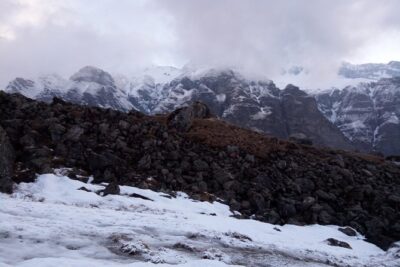
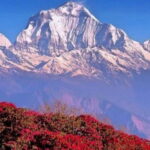
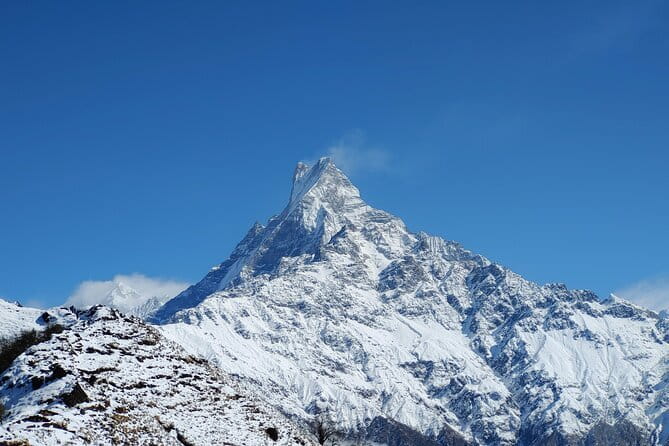
- Big scenery payoff: views of Mardi Himal, Machapuchhre, Hiunchuli, and Annapurna South after you climb out of the forest.
- Forest-to-alpine change at 3,310 m: rhododendron paths first, then rugged high-mountain terrain.
- Meals are built in: breakfast, lunch, and dinner during the trek (3 each), so your daily energy is handled.
- Private group experience: it’s only your group, with pickup offered and guides with you from start to finish.
- Weather matters: if conditions are poor, the plan may shift to a different date or a full refund.
Why Mardi Himal feels different in the Annapurna region
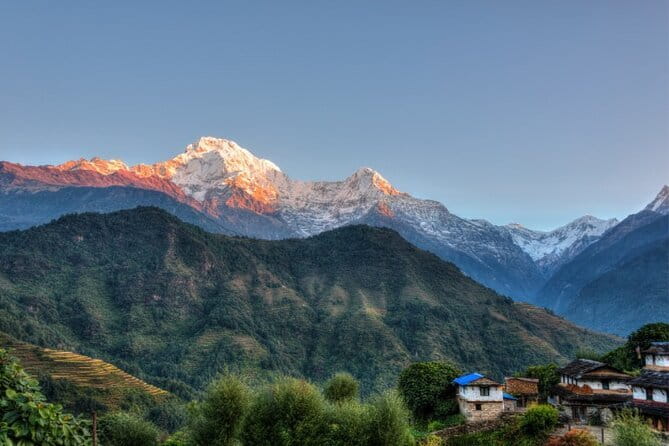
Most Annapurna treks are famous for good reason—big mountains, classic viewpoints, and a long history of visitors. Mardi Himal goes another direction. This is a shorter, newer route that many people simply don’t find, which is exactly why it feels calmer. You’ll walk through small, winding paths and get long stretches where the day belongs to you, not to a crowd.
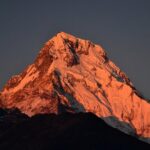
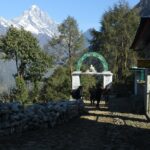
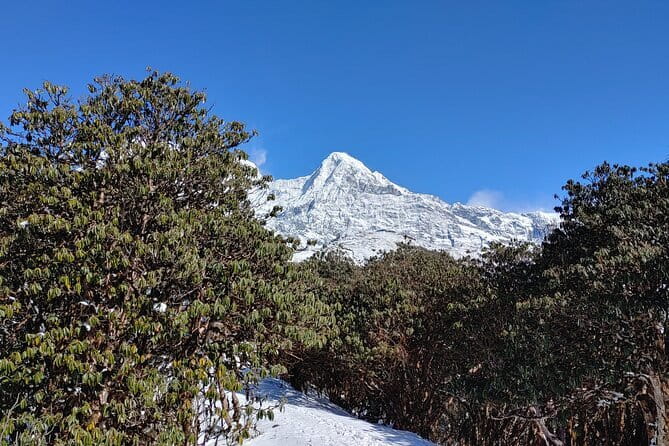
The scenery targets are also very specific. You’re trekking toward the foothills of Mardi Peak, with the striking presence of Machapuchhre (the fishtail mountain) showing up in the mix. As you gain altitude, the scenery shifts from forested trails and local life into rugged high-mountain territory, so each day starts to feel a little more dramatic.
You can also read our reviews of more tours and experiences in Kathmandu.
Timing, pacing, and who this trek suits
This trek runs about 10 days and is listed as moderate fitness. That’s a useful phrase, because it usually means you should be comfortable walking for long stretches, with daily elevation changes and a steady pace. It’s not described as an extreme expedition, but it’s still a Himalayan trek where you’ll be working your legs and lungs.
You’ll meet at 7:15 am, and there’s private transportation plus pickup offered. The practical value here is that you’re not piecing together rides with a bunch of strangers. Past participants also highlighted guides staying with the group from pickup through drop-off, which matters because it reduces the mental load when you’re already tired.
This is also a private tour/activity, so it’s only your group. If you’re traveling with family or friends and want control over your pace and questions, that’s a real advantage. If you want loud group energy and lots of random meetups, this format might feel quieter than you expect.
The trekking rhythm: rhododendron forests, hidden valleys, then altitude
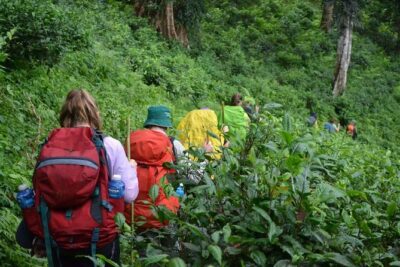
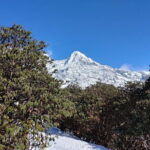
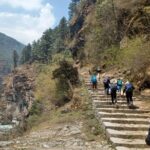
The core trekking story here is the route’s change in altitude and scenery. Early on, you’ll be moving through labyrinthine, small trail paths and deep rhododendron forests. It’s the kind of walking that feels shaded and intimate—especially on warmer days—because you’re not always exposed to the sun.
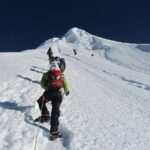
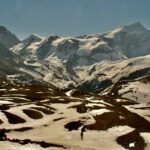
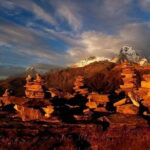
Then you climb out of the forest around 3,310 m. That moment is a turning point. The air feels different, the ground looks different, and the views start to open up fast. From there, the trek transitions into rugged high-mountain terrain with the mountains showing themselves more clearly: Mardi Himal, Machapuchhre, Hiunchuli, and Annapurna South.
Along the way, you’ll pass through the kinds of places that make this trek more than just a climb. Think hidden valleys, terraced farms, sparkling rivers, and local settlements where daily life is right there beside your trail. That’s the appeal for people who like authenticity—seeing how people live, not just collecting viewpoint photos.
One practical note: the trek is also described with possible wild animal and jungle safari style elements. You’re not guaranteed a specific animal sighting, but it tells you the region has wildlife and the operator may build in time depending on conditions and what your group wants.
The Mardi Himal Base Camp goal: your quiet big-view moment
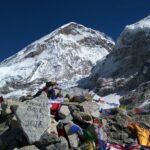
Your destination is Mardi Himal Base Camp, described at the foothills of Mardi Peak with the dramatic presence of Machapuchhre nearby. Base camp on a less-crowded route tends to feel more spacious and more personal. You’re not elbowing for a photo or waiting for a bottleneck to clear.
Past trekkers also pointed to the importance of a key viewpoint moment—reaching the top of the Mardi view point was described as the best part—because you work for it every day. That’s how this trek rewards effort: the highest effort days are also the clearest payoff days.
A word of realistic planning: mountain weather can change fast. Even if the route is the same, your views depend on visibility. If you arrive at a point and the clouds are in charge, you’ll have to roll with it. That’s why patience and flexibility are more valuable than speed.
Meals on the trail: what’s included, what to bring, and why it matters
The trekking package includes meals on the mountain: breakfast 3 times, lunch 3 times, and dinner 3 times during the trekking days. That matters more than it sounds. When food is handled for you, you’re less likely to under-eat on hard days, and you don’t spend your time negotiating meals in places where options can be limited.
What’s not included is bottled water and snacks. The operator notes you can use tap water if you want, but bottled mineral water needs to be purchased. In practice, you should plan to treat water you drink if you choose tap water, especially in rural trekking settings.
If you’re a snack person, plan ahead. Bring a few favorites for energy boosts between meals. It’s also smart to pack electrolytes if you’re the type who craves balance after long uphill stretches.
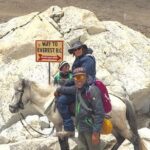
Guides and service: why this feels personal from pickup to drop-off
This trek is private, and the service emphasis is real: guides are part of the experience, and participants noted friendly behavior and helpful guidance. One of the most specific names mentioned is Bashu dev Bagale, and that sticks because it suggests the operator has real people leading the walk, not just a faceless booking.
I like experiences where the guide is not only about route logistics, but also about conversation and keeping you calm when the day feels tough. One past participant highlighted that guides chatted with them and shared time from pickup to drop-off. That’s the kind of human touch that makes a 10-day trek feel smoother, especially if you’re hiking with family.
You’ll also have flexibility with the experience description listing local traditional culture and local food as part of what you may encounter. That’s the value of a guided trek: you can ask questions when you see a settlement or a terraced farm and get context, not just pass by.
Finally, the trek notes service animals are allowed, and it’s near public transportation. That doesn’t mean it’s a city stroll, but it’s useful for planning if you’re trying to coordinate with onward travel.
Logistics without the headache: transportation and your 7:15 am start
Start time is 7:15 am, and you’ll get pickup offered. There’s also private transportation included, which is usually where trekking packages either shine or fall apart. Here, the selling point is that you’re not wrestling with public transit while your body is half awake and you’re thinking about altitude.
One review detail worth noting: people described pickup and then drop-off in Pokhara after the trek. That suggests your trek is paired with transfers through that area. You’ll want to confirm the exact pickup and drop-off points when you book, but the pattern is consistent.
The confirmation happens at booking time, and you’ll receive a mobile ticket. That’s small, but it helps: you show up with the right info and you don’t spend time chasing paperwork.
Price and value: what you get for $1,080 per person
At $1,080 per person for about 10 days, this isn’t a bare-bones budget trek. But it also isn’t just you paying for a trail map. The value is built around included meals and included private transportation, plus a guided private experience.
Here’s how to think about value in this package:
- You pay for daily food coverage (breakfast, lunch, dinner during the trek). If you’ve trekked before, you know how costly and time-consuming that can get when you’re handling it yourself.
- You pay for private transport and a smoother flow from pickup to drop-off.
- You pay for the operator’s work to handle the route planning in a way that keeps you moving toward base camp.
Your extra costs are mainly the predictable ones: bottled mineral water and snacks. Also, because cancellation is non-refundable, you’ll want to be confident about weather windows and your physical readiness.
There’s one quirky inclusion: snorkeling equipment. It’s listed as included, but this trek is clearly a mountain hiking itinerary. I can’t tell you how you’ll use it, only that it’s in the package description—so it’s worth asking before you go, especially if you dislike carrying unnecessary gear or you’re expecting a water activity.
Weather, altitude, and your one real risk
The experience is weather-dependent. If it gets canceled due to poor weather, you’ll be offered a different date or a full refund. That’s good protection.
What you should still do, as a traveler, is treat the trek like an altitude project, not a casual walk. The key elevation detail is that you exit the rhododendron forest at around 3,310 m. That means you’re moving into thinner-air territory sooner than some people expect, and the days can feel tougher even if the climb isn’t extreme on paper.
Bring a calm mindset. If clouds roll in, views can soften. If you’re tired, pace matters. If you follow a steady rhythm and let the guide set the plan, you’ll stack the odds in your favor.
Should you book Mardi Himal with Adventure Blossom Treks?
Book it if you want:
- A secluded Annapurna trek with fewer people and more quiet time
- A clear goal (Mardi Himal Base Camp) plus big view days
- A private setup with pickup offered and guides that actually stick with you from start to finish
- Meals handled daily during the trekking portion
Skip it if:
- You need an ultra-flexible schedule for shifting plans (this route depends on weather and has a strict cancellation stance)
- You’re not comfortable with moderate mountain trekking and the altitude shift around 3,310 m
- You dislike paying extra for snacks and bottled mineral water
If you’re the type who likes to hike and learn along the way—forest paths, terraced farms, local settlements—this trek fits well.
FAQ
How long is the Mardi Himal Trek?
It’s listed as about 10 days.
Where is the trek located?
It takes place in Nepal, in the Annapurna region, with logistics connected to Kathmandu and transfers offered.
What time does the experience start?
The start time is 7:15 am.
Is this a private tour?
Yes. It’s a private tour/activity, and only your group participates.
What meals are included?
Breakfast, lunch, and dinner are included during the trekking days (3 each).
Is bottled water included?
No. Bottled water is not included. Tap water is mentioned as an option, but mineral water needs to be purchased.
Is snorkeling equipment included?
Yes. Snorkeling equipment is included in the package.
What fitness level do I need?
The trek recommends a moderate physical fitness level.
What happens if poor weather cancels the trek?
If it’s canceled due to poor weather, you’ll be offered a different date or a full refund.