REVIEW · KATHMANDU
Ghorepani Poonhill Trek (6 Days)
Book on Viator →Operated by Sujan Ratna Shakya · Bookable on Viator
A mountain sunrise in Nepal can feel like a cheat code. This 6-day Ghorepani Poonhill trek pairs early views of Dhaulagiri, Annapurna, and Machhapuchhre with real village stops, from a cable-car temple hill to tea breaks along the way. Two things I really like: you get the classic Poon Hill sunrise moment, and you also spend time on-the-ground with village life rather than just walking past it.
The one thing to watch: the trek is short, but it’s still trekking—good weather matters, and early mornings mean you’ll want to sleep and pack smart.
If you’re lucky, the first true reward shows up fast: a clear-day view from the Manakamana hill, then a village start at Nayapul.
In This Review
- Key highlights you’ll feel from day one
- Manakamana before the mountains: a hilltop start that sets the mood
- Nayapul and its suspension bridge: the trek starts like a postcard
- Ulleri School and a tea break: a small stop that helps your pace
- Poon Hill sunrise: the moment most people dream about
- Ghandruk continuation and tea house nights: real trekking rhythm
- Pokhara reset day: Phewa Tal boat ride and lakeside atmosphere
- Transport, lodging, and meals: what the $616.78 price actually covers
- Guide energy makes the trek easier: Sujan Ratna Shakya’s style
- Fitness and weather reality check for this 6-day plan
- Price and logistics: value when you want fewer unknowns
- Should you book the Ghorepani Poonhill Trek (6 Days)?
- FAQ
- How long is the Ghorepani Poonhill Trek?
- Does the trip include pickup in Kathmandu?
- What type of trek is it?
- Where can you see the sunrise and what mountains are mentioned?
- How do you get between Kathmandu and Pokhara?
- Is a boat ride included in Pokhara?
- Are meals included?
- Are trek permits included?
- Does the trip depend on weather?
- What is not included in the price?
Key highlights you’ll feel from day one
- Cable-car Manakamana temple: A quick 12-minute ride to a hilltop shrine and a Himalaya view on clear days
- Nayapul’s old suspension bridge: A simple photo stop with a real village feel
- Ulleri School tea break: A short stop that helps you recharge before the next stretch
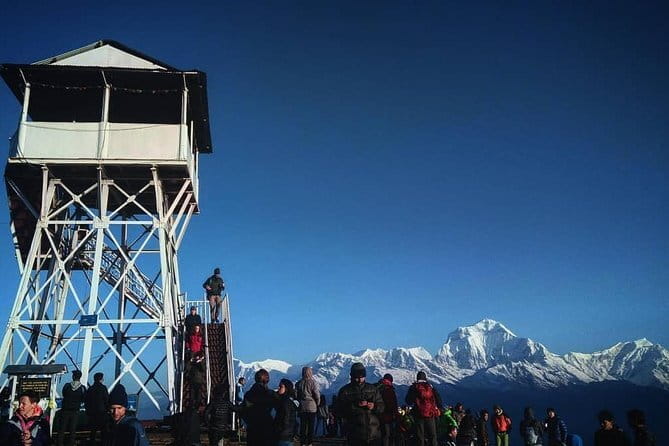
- Poon Hill at sunrise: Big-name peaks like Dhaulagiri (8167 m) and Annapurna (8091 m) when visibility is good
- Ghandruk continuation: A memorable walking day that keeps the route moving toward Pokhara
- Phewa Tal boat ride in Pokhara: One hour on the lake, plus a temple in the middle for photos
Manakamana before the mountains: a hilltop start that sets the mood
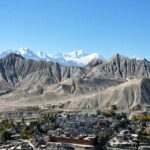
Day 1 begins with a Hindu temple dedicated to Goddess Manakamana, set on top of a hill. The practical win here is time: there’s a 12-minute cable car ride, so you don’t lose half a day climbing just to reach viewpoints. On a clear day, you can look out and spot magnificent Himalaya views from the top. Even if visibility isn’t perfect, this is still a meaningful cultural stop and a good way to shift from city time into mountain time.
What you should love about this kind of start is that it eases you into Nepal. You’re not thrown straight into steep trekking hours. You get a little rhythm first: travel, cable car, temple atmosphere, and that first taste of high-altitude scenery. It also helps if you’re someone who likes structure—your day has a clear anchor point.
Possible drawback: if the weather is foggy, you may not get the view you’re hoping for. Since this whole trip depends on clear skies for the best mountain moments later, it’s smart to treat Day 1 as a bonus rather than a guarantee.
You can also read our reviews of more tours and experiences in Kathmandu.
Nayapul and its suspension bridge: the trek starts like a postcard
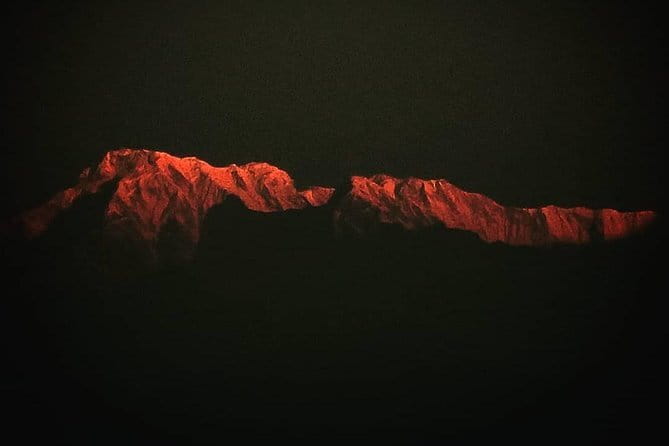
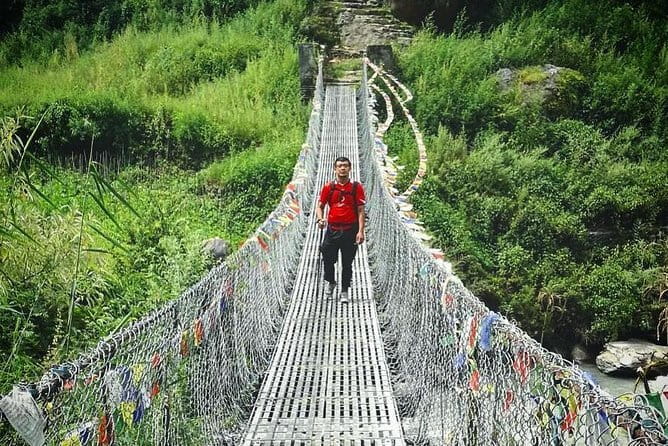
On Day 2, you head to Nayapul, the trekking starting point. The highlight listed here is an old suspension bridge at Nayapul. It’s compact—about 30 minutes—but it’s a great “stand on the trail” moment. You’re close to that classic Himalayan village look: narrow paths, river energy nearby, and the sense that people truly live along these routes.
This matters more than you might think. Early on, the bridge is the first place where you feel the trek is not just a workout. It’s a travel route locals use. And because it’s a short stop, you don’t burn energy before you’ve even started climbing.
Practical tip: keep your camera handy. This isn’t a long stop, and the light can change fast once you move onward.
Ulleri School and a tea break: a small stop that helps your pace
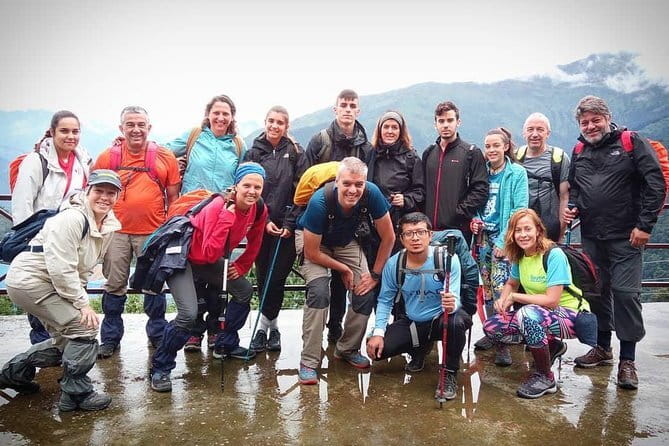
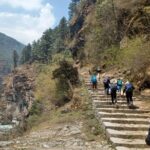
Day 3 includes Ulleri School, a village stop on the way to Ghorepani. The schedule gives you about 15 minutes, which sounds tiny—yet it’s exactly the kind of timing that helps trekking feel manageable. A short tea break can reset your legs and your mood. It’s also a chance to see daily life beyond the main sights.
If you tend to rush, this kind of planned pause is useful. You’ll spend less time forcing your pace and more time letting the day unfold. You’ll also be less likely to show up at the next leg feeling drained, because you’ve taken a small break when you still had energy to spare.
One consideration: tea houses and village stops can mean variable conditions. You might find simple facilities, so go in expecting basic comfort and focus on the experience rather than amenities.
Poon Hill sunrise: the moment most people dream about
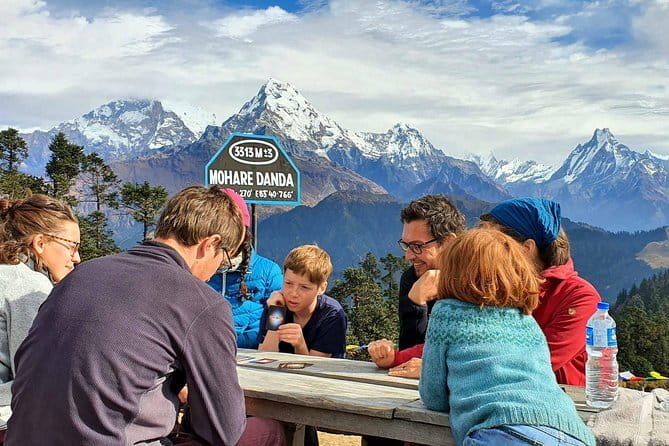
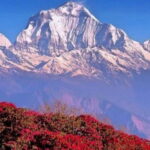
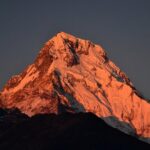
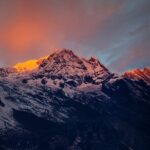
Day 4 is the big visual payoff. It starts early with a sunrise excursion to Poon Hill, known for show-stopping views of the highest mountains on a clear day. The peaks mentioned include Mt. Dhaulagiri (8167 m), Mt. Annapurna (8091 m), and Mt. Machhapuchhre or Fishtail (6993 m). If visibility is good, this is the part of the trip where the hours of walking start to feel totally worth it.
Here’s why this stop is worth planning for: sunrise views often depend on timing and light. The early start is not optional if you want the cleanest shot. It’s also one of the best chances during the week to catch crisp mountain visibility, since mornings usually have less haze.
After Poon Hill, you continue onward to Ghandruk. The walking day is listed at about 8 hours, which is a meaningful day even though this trek is described as short. The “short trek” label is about number of days—not that it’s easy.
Practical note: dress for cold mornings. Even in warmer months, sunrise hours can feel chilly, especially once you stop moving.
Ghandruk continuation and tea house nights: real trekking rhythm
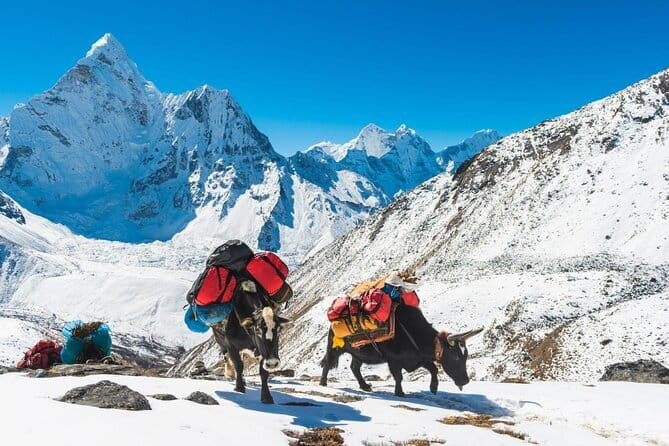
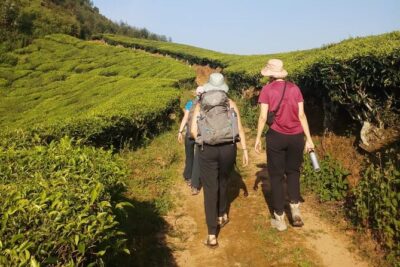
Your Day 4 onward walking keeps the route grounded. The trek continues after Poon Hill, and you’ll reach Ghandruk. This is a key reason people like this itinerary: you’re not just doing a sunrise hit and then leaving. You’re still on foot, working through village terrain that feels lived-in rather than staged.
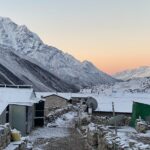
Also, you’ll be staying in tea houses during the trek portion (three nights). That’s one of the more authentic parts of this kind of route. Tea houses are simple places to eat, rest, and warm up between walking hours. You’ll generally trade luxury for atmosphere and location—often exactly where you want to be after spending the day on trails.
What you should watch: tea house comfort can vary day to day. You might find basic rooms and limited showers, and you’ll want to keep your routine simple—warm layers, quick reset, early bedtime.
Pokhara reset day: Phewa Tal boat ride and lakeside atmosphere
Day 5 shifts the trip mood. You visit Phewa Tal, a beautiful lake in the heart of Pokhara. You get about 1 hour, and the boat ride is included. There’s also a temple at the middle of the lake, which is ideal for photography.
This part works well as a decompression day. After trekking hours and early mornings, the lake gives you a different pace: slower viewing, photos from the water, and a chance to feel human again. Even if you’re tired, you can enjoy the boat ride without “earning” every second.
Practical advice: bring a light layer even on lake days. Wind on water can cool things down.
The itinerary also notes that lunch/dinner in Pokhara isn’t included, and there are no guided sightseeing tours or entrance fees covered in Pokhara. So treat Day 5 as flexible time: eat something you like, walk around at your own speed, and don’t feel obligated to turn it into a long tour marathon.
Transport, lodging, and meals: what the $616.78 price actually covers
At $616.78 per person, this trip is best understood as a package that reduces stress and handles the heavy logistics. You get:
- Kathmandu–Pokhara–Kathmandu transfers by AC tourist bus
- 2 nights in a 3-star hotel in Pokhara
- 3 nights in tea houses
- Pokhara–Nayapul–Pokhara transfers
- All trek permits
- English speaking trek guide and porter
- Breakfast (5), lunch (4), dinner (4)
- 1 hour boat rider over Phewa Lake
That meal count matters. It’s not every meal every day, but enough is covered that you’re not constantly searching. The plan also clearly separates what’s included versus not included in Pokhara—so you won’t be surprised when you’re on your own for meals there.
What’s not included: travel insurance, rescue/emergency coverage, personal expenses, drinks, tips, and the Nepal entry visa fee, plus any airfare/airport tax. If you’re calculating total trip cost, this is where you’ll want to budget extra so you don’t get short.
Also note: because it’s a private tour/activity, it’s just your group. That usually helps with pace and coordination—especially around early morning timing.
Guide energy makes the trek easier: Sujan Ratna Shakya’s style
This is where the experience earns a lot of its high marks. Your provider is Sujan Ratna Shakya, and the guidance described around him is strongly consistent: professional, attentive, and focused on both culture and practical trekking support.
The biggest practical advantage is communication. Sujan is noted as speaking English and also Spanish well. That matters because trekking isn’t just about walking. It’s about understanding what you’re seeing, knowing how the route works, and getting clarity when conditions change (especially around weather and sunrise timing).
Another highly praised element is storytelling. The approach blends village life and Nepal culture with trekking logistics. In practice, that turns some of the “waiting around for the view” time into something meaningful. It also keeps the group engaged when you’re moving slower than your ideal pace.
There’s also a strong emphasis on teamwork. Your porter is part of the trek support, and that combination—guide plus porter—helps keep you moving comfortably. You still walk, but the load feels more realistic.
Bottom line: if you care about having your trek explained instead of just “managed,” this kind of guiding makes a real difference.
Fitness and weather reality check for this 6-day plan
The trip is described as a short trek and fit for all types of trekkers. That’s encouraging, but it still comes with two real considerations:
1) Sunrise needs clear weather. The trip requires good weather. On bad visibility days, you may not get the mountain views you came for. There’s also an option of a different date or a full refund if the trek is canceled due to poor weather.
2) One long walking day. Day 4 is listed at about 8 hours, and you’re continuing toward Ghandruk after Poon Hill. That’s not a casual stroll, even if the overall trek is only six days.
How to prepare:
- Start with a comfortable walking routine before you arrive.
- Pack layers for early morning cold.
- Keep your expectation realistic: you’re chasing views, not controlling clouds.
If you’re the type who gets stressed by time changes, this is also where a guide helps. A sunrise excursion is timed tightly, and having an experienced coordinator reduces uncertainty.
Price and logistics: value when you want fewer unknowns
Let’s talk value without hand-waving. This package is priced at $616.78, and it includes a lot of the practical stuff that often costs extra when you book pieces separately: permits, guide + porter, transport by AC tourist bus, hotel and tea house nights, and most meals. The included Phewa Tal boat ride is a nice add too.
Where you’ll want to add cost yourself:
- Tips for guide, porter, and driver
- Nepal entry visa fee
- Travel insurance and any emergency/rescue arrangements
- Drinks and personal expenses
- Lunch/dinner in Pokhara
- Any sightseeing tours or entrance fees in Pokhara
If you prefer set schedules and you want someone to handle permits and transport, this is a strong value. If you’re an ultra-budget DIY trekk er who already knows the route and likes customizing meals and lodging, you might find better deals by building it yourself—but that takes work and planning.
Should you book the Ghorepani Poonhill Trek (6 Days)?
Book it if you want:
- A classic Himalayan sunrise with a structured plan
- A trek that’s short enough to fit a holiday, but still includes real walking time
- A guide like Sujan Ratna Shakya who supports both culture and trekking, and communicates well (including Spanish)
- Comfort and simplicity: hotel nights in Pokhara, tea house nights during the trek, and most meals handled
Skip it or reconsider if:
- You’re only interested in a view day and don’t want to commit to an 8-hour walking day
- You’re traveling at a time where weather is often unreliable for you (you’ll still be able to enjoy the villages, but sunrise visibility is the headline)
- You strongly dislike early mornings
If you like clear plans, local interactions, and a sunrise that actually has a shot at delivering, this is one of the more sensible ways to do the Ghorepani–Poon Hill area.
FAQ
How long is the Ghorepani Poonhill Trek?
It runs about 6 days.
Does the trip include pickup in Kathmandu?
Pickup is offered.
What type of trek is it?
It’s described as a short trek and fit for all types of trekkers.
Where can you see the sunrise and what mountains are mentioned?
You’ll do an early morning sunrise excursion to Poon Hill, with views of peaks like Mt. Dhaulagiri (8167 m), Mt. Annapurna (8091 m), and Mt. Machhapuchhre or Fishtail (6993 m) on a clear day.
How do you get between Kathmandu and Pokhara?
Transfers are included by AC tourist bus: Kathmandu–Pokhara–Kathmandu.
Is a boat ride included in Pokhara?
Yes. A 1-hour boat ride is included on Phewa Tal, including time for photos near the temple in the middle of the lake.
Are meals included?
Yes. Breakfast is included (5), lunch is included (4), and dinner is included (4).
Are trek permits included?
All trek permits are included.
Does the trip depend on weather?
Yes. The experience requires good weather. If it’s canceled due to poor weather, you’ll be offered a different date or a full refund.
What is not included in the price?
Not included: lunch/dinner in Pokhara, guided sightseeing tours and entrance fees in Pokhara, travel insurance and rescue/emergency coverage, personal expenses and drinks, Nepal entry visa fee, airfare/airport tax, and tips.