REVIEW · KATHMANDU
Langtang Valley Trek
Book on Viator →Operated by Accessible Adventure Pvt. Ltd · Bookable on Viator
One high-altitude trip. One down-to-earth valley. The Langtang Valley Trek pairs a scenic drive into the region with days of trekking through villages, farms, and forest, then finishes with sunrise viewing options over the Langtang ranges. I love how the route feels practical and well-paced: riverside lunch stops, gradual ascents, and time to settle into each lodge rather than rushing for photos. I also like that the group stays small (max 15) and support is real, with a guide and porters included so you’re not lugging everything yourself.
There’s one trade-off to consider: the travel days are long and a bit rough. Day 2 includes a 6 to 8 hour bus/jeep drive with off-road segments, and portions of the trail are noted as landslide-prone, so you’ll want solid footwear and a steady pace.
In This Review
- Key highlights before you go
- Langtang’s Tibet-border vibe: a trek that still feels human
- Price and what $860 covers (and what it doesn’t)
- Day 1 in Kathmandu: a calm arrival day, not a forced sprint
- Day 2: the Syabrubesi drive that sets your expectations
- Day 3: first trekking day into Langtang National Park
- Day 4: earthquake history in the middle of the trail
- Day 5 to Kyangjin Gompa: monasteries under reconstruction and summit choices
- Day 6: returning via a different direction (same trail, new meaning)
- Day 7: Thulo Syabru drive back feeling—and optional extensions
- Day 8 and Day 9: the long road back and your flight buffer
- What the included gear really does for you
- Guides and safety: what stands out in real feedback
- How strenuous is it, and where do you need to plan carefully?
- Who this trek is best for
- Should you book the Langtang Valley Trek?
- FAQ
- How long is the Langtang Valley Trek?
- Where does the trek start and end?
- Is pickup or transport included?
- What kind of group size should I expect?
- What’s included in the price?
- What’s not included?
- Do I need to buy a sleeping bag or jacket?
- Are there optional hike choices during the trek?
- What fitness level is recommended?
- Is there cancellation flexibility?
Key highlights before you go
- Small group size (up to 15) helps the walk feel coordinated, not chaotic
- Guides like Shiva and Himal are repeatedly praised for attention, logistics, and cultural context
- Earthquake-rebuilt Langtang Village means you’ll see both loss and recovery in action
- Optional side hikes let you tailor effort, from Kyanjin Ri to Cherkuri-style viewpoints
- Included cold-weather kit (down jacket + seasonal sleeping bag) can save you money and hassle
Langtang’s Tibet-border vibe: a trek that still feels human
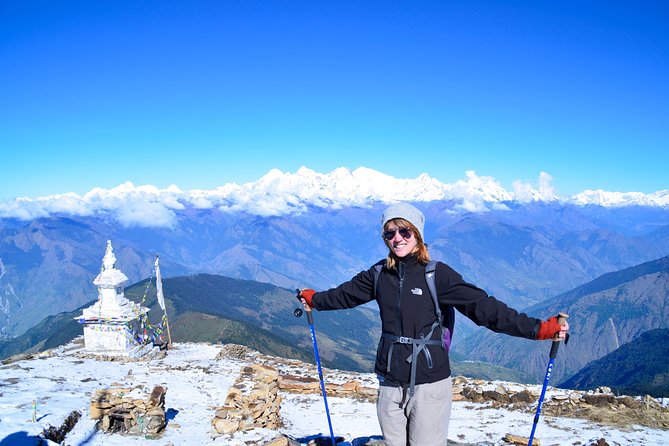
Langtang sits near the Tibetan border, and you can feel that influence in day-to-day culture and local habits. Even if you’re not chasing an “exclusively historical” experience, the valley’s trading-route past helps explain why the villages feel distinct from the more famous trekking hubs.
What I like about this is that the trek doesn’t feel like you’re walking through a theme park. The route passes through small communities, farmlands, tea houses, and monasteries under reconstruction—so you’re seeing real life, not just a checklist of viewpoints.
You can also read our reviews of more tours and experiences in Kathmandu.
Price and what $860 covers (and what it doesn’t)
At $860 per person, this is priced like a guided trek that wants to remove friction. Your money goes toward a high-experience guide, porters (1 porter for 2 people), their food and accommodation, and the gear package like down jacket and a seasonal sleeping bag. You’re also covered for the “admin parts” like permits, taxes, and required paperwork, which can otherwise turn into frustrating emails.
That said, it’s not a closed bundle. You’ll need to budget for the Nepal entry visa fee (available on arrival), international airfare, and travel/medical insurance (including helicopter rescue, if that’s part of your coverage needs). Drinks and personal expenses aren’t included, and the trek is built around tea houses, so expect to pay for most meals beyond the breakfasts explicitly listed.
Day 1 in Kathmandu: a calm arrival day, not a forced sprint
You land, handle visa and customs, then get met at the airport with a representative holding a sign with your name. After that, you transfer to your hotel and get free time for the rest of the day.
This is a smart start. Nepal trekking can be physically and mentally intense, so having the first day be about orientation and rest helps your next day (the long road to Syabrubesi) feel doable.
Day 2: the Syabrubesi drive that sets your expectations
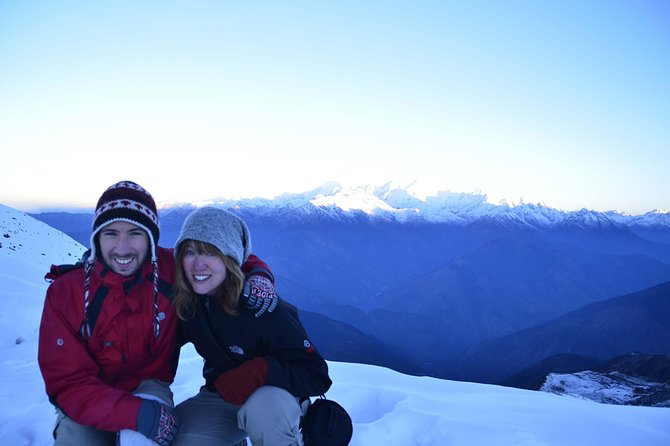
Today you move from Kathmandu to Syabrubesi by bus/jeep for about 6 to 8 hours. The drive includes off-road segments, but the trade is constant change: the Trisuli River, terrace farmlands, and mountain views like Ganesh Himal, plus the scenery gradually turning more village-remote as you cross Dhunche.
Once you reach Syabrubesi, you check into a local lodge, freshen up, and take a short stroll. There’s time to sample local bakery and cheese items and grab tea or coffee—small comfort details that matter when you’re about to start walking for real.
Day 3: first trekking day into Langtang National Park
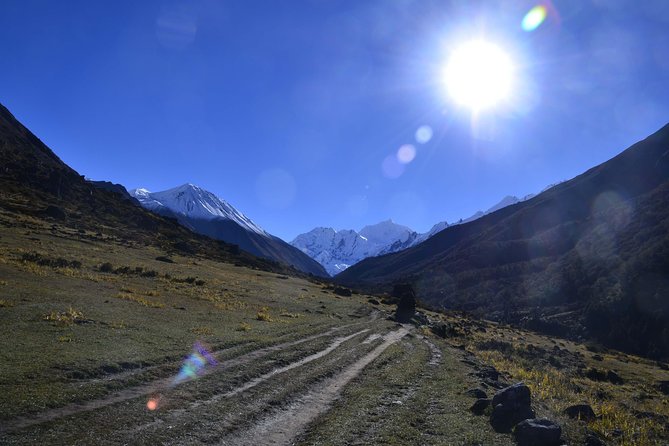
Your trek begins after early breakfast. You cross the Bhote Koshi River and then follow Langtang Khola as you work your way upward. The ascent is gradual, but you still need attention on the landslide-prone section—this isn’t a “casual stroll” day.
You’ll reach places like Bamboo, then lunch near the riverside (the plan calls out Ramche). From there, you push to Lama Hotel for the night.
This is also where the wildlife possibility becomes part of the day’s texture. The route notes that you could spot rare flora and fauna, including red pandas and langur monkeys. Even if you don’t see them, the forest-and-river setting makes the walk feel alive.
Day 4: earthquake history in the middle of the trail
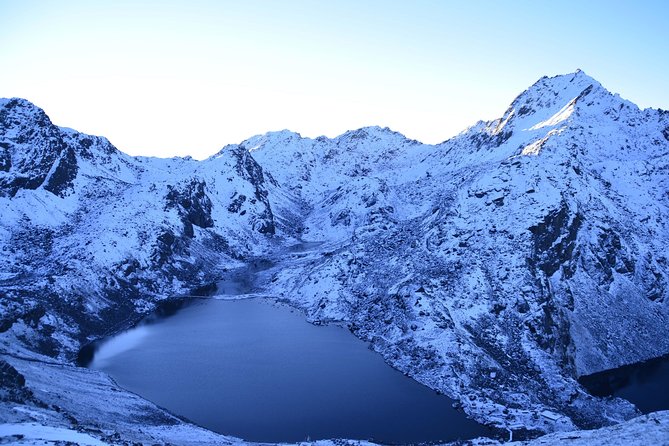
This day follows a route tied to the 2015 earthquake. Langtang Village was destroyed, and the valley is still working through rebuilding—yet tea houses are operating again, so you’re not only looking at ruins. You’ll spend time in Langtang Village, then walk a bit farther toward Mundu Village, ending the day there.
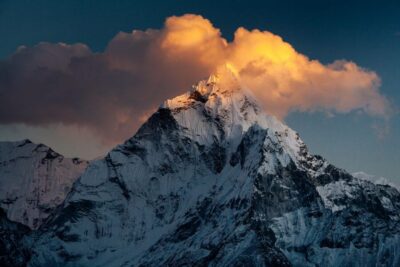
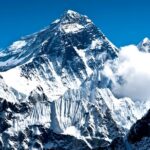
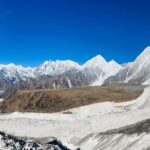
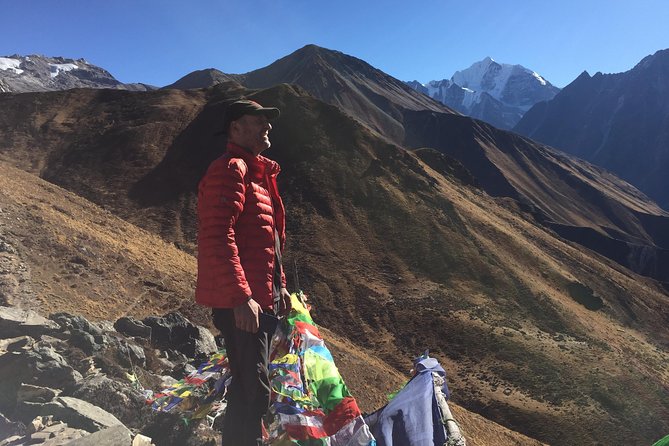
The views are part of the reward: from the route around mani stone walls, you can look toward Langtang Lirung, Changbu, and Kinshung Peak. I like that this day feels like a bridge between emotional geography and physical effort, because the walking isn’t just about distance—it’s about seeing what’s changed and what’s continuing.
Day 5 to Kyangjin Gompa: monasteries under reconstruction and summit choices
On Day 5 you head toward Kyangjin Gompa. The Mundu to Kyangjin Gompa stretch is described as about 2 hours of gradual ascend, crossing small streams over wooden bridges. Along the way, the area’s monastery is under reconstruction, and there used to be a cheese factory there that’s not in operation now—those details make the place feel grounded in everyday history rather than postcards.
The plan also gives you options that depend on how you feel:
- If you want an extra challenge, you can hike from Mundu to Kyangjin Ri (listed as 4300m / 14107ft) and return the same day.
- If you’d rather save energy, you can arrive at Kyangjin Gompa and plan your higher viewpoint for the next day.
This is where a good guide matters. If you’re unsure about altitude fatigue or just want a different pace, this itinerary structure lets you adjust without derailing the whole trip.
Day 6: returning via a different direction (same trail, new meaning)
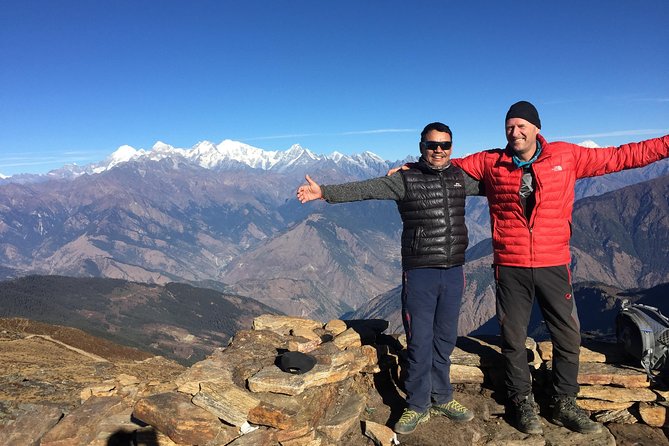
Day 6 is a descent back down along a route that overlaps with earlier days. The benefit of retracing steps is obvious: you’re not constantly searching for the next route logic. But the view and cultural feel shift when you change direction.
You’ll cross Ghodatablea, keep moving along the Langtang Khola river side, and then arrive at a tea house in Lama Hotel for the overnight stay.
One of the best parts of this day is mental. After a summit-style day or a big effort day, a “different perspective” return can be easier emotionally because you’re not constantly negotiating new terrain—you’re watching the same valley from a different angle.
Day 7: Thulo Syabru drive back feeling—and optional extensions
Today is the last walking day. From Lama Hotel you pass through Sherpa village of Sherpagaun and then the scenery trends greener with wider valleys and more settlements. The trail also brings you into cultural variety tied to Tamang people, and it notes route options that can extend the trek toward Gatlang (Tamang heritage trail) or toward a pilgrimage area like Gosaikunda via the Laurebina pass.
In this version of the plan, you’ll take the drive to Kathmandu tomorrow as part of the standard schedule.
This day’s value is that it slows down enough to let you notice how the valley changes by community—not just by altitude.
Day 8 and Day 9: the long road back and your flight buffer
Day 8 is a morning drive back from Syabrubesi to Kathmandu, and you’re given free time after checking in. It’s a recovery day by design.
Day 9 is airport transfer support: you head to Tribhuvan International Airport about 3 hours before your scheduled international flight, so you’re not stuck scrambling with bags and timing.
That buffer matters. Trekking days can mess with sleep and energy levels, so having the timing support reduces one more stress.
What the included gear really does for you
This trek includes cold-weather support: a down jacket, a four-season sleeping bag, a trekking duffel bag, and even a t-shirt plus a trekking map. The important fine print: the down jacket and sleeping bag are meant to be returned after completion.
For value, that’s a big deal. On a trek like this, you can easily spend real money trying to rent or buy winter layering. Here, the kit is already part of the deal, so you can pack lighter and focus on comfort and fit.
You also get a comprehensive medical kit and the paper permits. If you’ve ever tried to figure out trekking paperwork while on a time crunch, you’ll appreciate that this is handled.
Guides and safety: what stands out in real feedback
The strongest praise shows up around the human layer: guides who pay attention, keep logistics moving, and explain culture along the way. Names that keep appearing include Shiva and Himal, and one mention of Raj Kumar points to a team approach, not just one person doing everything.
A recurring theme is feeling safe and cared for—especially if someone isn’t feeling their best. In one account, the team helped with flexibility like shortening the trek or adjusting the itinerary to recover. That’s the difference between a rigid checklist trip and a trek that actually matches how your body is doing that day.
If you care about culture beyond the views, that also shows up. One guide is credited with explaining Nepalese culture and topics tied to Buddhism while walking.
How strenuous is it, and where do you need to plan carefully?
You should assume you’re going to work up a sweat. The itinerary includes gradual ascents, river crossings, bridges, and a mix of descending days too. Plus, one portion is noted as landslide prone, which means you’ll need steady footing and patience.
The tour asks for moderate physical fitness, and that matches the way the days are built: several hours of walking, with optional add-ons like Kyangjin Ri. If you’re tempted by those side hikes, be honest with your pacing. You can’t “out-will” altitude fatigue.
Also, remember that the hardest parts aren’t always the steepest parts. Long drives (like Day 2) can feel like a warm-up for the body’s endurance needs.
Who this trek is best for
This fits best if you want:
- a guided trek with strong support (guide + porters + gear included)
- a route that mixes villages, monasteries, and national-park walking
- the flexibility to choose between viewpoints like Kyangjin Ri versus saving energy
It may not be the best match if you hate long travel days. The Kathmandu–Syabrubesi road day is a big chunk of time, and it includes off-road segments.
Should you book the Langtang Valley Trek?
Yes—if you want a guided, small-group trek that treats logistics and comfort as part of the experience, not as afterthoughts. At $860, the included guide, porter support, and cold-weather gear are the key reasons it can feel like good value, especially if you’d otherwise need to rent or buy trekking essentials.
I’d hesitate only if you’re very sensitive to rough travel days or you don’t want to handle trail risk awareness on sections described as landslide prone. If that’s you, consider building your own flexibility into your expectations: ask for a pace that matches your comfort, and don’t force the optional higher hikes.
If your goal is to see Langtang’s mix of scenery, monastery culture, and a valley still rebuilding after the 2015 earthquake, this itinerary is a solid way to do it—without turning the whole trip into a stress test.
FAQ
How long is the Langtang Valley Trek?
The trip is listed as 9 days (approx.), including time in Kathmandu and the drive days between Kathmandu and Syabrubesi.
Where does the trek start and end?
It starts in Kathmandu, with trekking beginning after the drive to Syabrubesi, and it ends with a return to Kathmandu and transfer to Tribhuvan International Airport.
Is pickup or transport included?
Yes. The summary notes pickup offered, and the plan includes transfers such as Kathmandu to Syabrubesi and back, plus airport transfer support before your flight.
What kind of group size should I expect?
The tour has a maximum of 15 travelers.
What’s included in the price?
Included items list a guide and porters (with their food, accommodation, salary, equipment, and insurance), permits/paperwork, all applicable taxes and service charges, private transportation, and gear like a down jacket and sleeping bag plus a trekking map. It also explicitly includes breakfast (2).
What’s not included?
Not included are the Nepal entry visa fee, international airfare and airport taxes, travel/medical insurance, personal expenses, and most personal drinks and shopping. Tips are appreciated but not mandatory.
Do I need to buy a sleeping bag or jacket?
No. The tour provides a down jacket and a four-season sleeping bag, but you return them after the trip.
Are there optional hike choices during the trek?
Yes. The plan mentions optional hikes such as going from Mundu to Kyangjin Ri in the same day, and planning for viewpoint hikes around Kyangjin Ri and Cherkuri depending on how you feel.
What fitness level is recommended?
The tour states you should have moderate physical fitness.
Is there cancellation flexibility?
The policy provided says free cancellation is available up to 24 hours in advance for a full refund.