REVIEW · SA PA
SAPA: 2 DAY TREK MOUNTAIN & RICE FIELD WITH LALA HOMESTAY
Book on GetYourGuide →Operated by Sapa Natives Trekking. · Bookable on GetYourGuide
Sapa by day is pretty. Sapa by trail and homestay life feels real fast. This two-day route pairs Lala Homestay in Hau Thao village with guided trekking to valley views, bamboo areas, rice paddies, and even a waterfall visit.
I especially like the human side: you’re not just watching culture from a distance. You’ll share dinner with the family, try the local Happy Water game, and have time for simple activities like cooking and karaoke if you want them.
One thing to weigh: it’s a group trek with set times and walking distances, so you’ll want comfortable shoes and a good attitude about uneven paths.
In This Review
- Key points to know before you go
- Getting to the trails: Sapa Church and a proper village start
- Day 1: Dragon Mountain views, Hang Da lunch, and the trek to Lala Homestay
- Lala Homestay life in Hau Thao: dinner, cooking, and the Happy Water game
- Day 2: terrace rice fields, Mường Hoa river, Giang Ta Chai, and a waterfall stop
- What the price really buys you (and the 800,000 VND extra)
- How the route feels in real life: effort vs rewards
- Who should book this and who should skip it
- Packing and comfort tips that actually matter
- Should you book the Lala Homestay Sapa trek?
- FAQ
- What time does the tour start?
- Where does the tour end?
- What meals are included?
- Is Happy Water included, and what is it?
- How far do you trek each day?
- Will the waterfall always have water?
- Is there any extra payment on top of the listed price?
Key points to know before you go
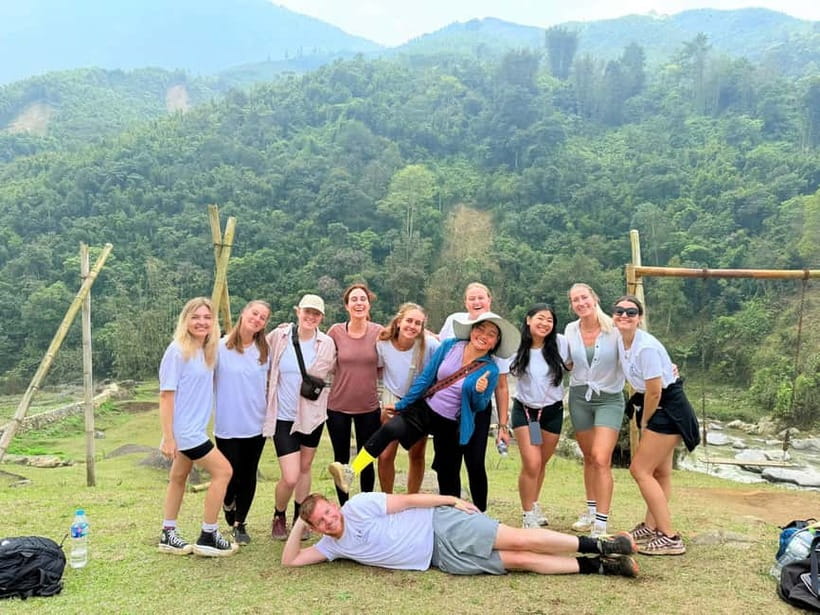
- Lala and Su guide you: both are local guides with long experience, so the route and pacing feel considered rather than random.
- Cozy homestay nights in Hau Thao: you sleep in a real village setting, not a hotel bubble.
- Two kinds of scenery: dramatic viewpoints plus softer walking through rice terraces and bamboo.
- Happy Water is part of the fun: you’ll do a local drinking game, and the night is built for laughs with the group.
- Waterfall depends on the season: you may see it without water at certain times.
- Meals are mostly handled: breakfasts and lunches/dinner are included, with drinks as your own choice.
Getting to the trails: Sapa Church and a proper village start
The day begins at Sapa Church, where your guide meets you at 9:00 AM. That early start matters here because mountain light and clearer paths can disappear as the day warms up and crowds thin out.
This is a group tour, so you’re moving at a shared pace. That can be a drawback if you prefer total freedom, but it’s also what keeps the experience flowing smoothly—especially when you’re walking between villages.
Your guide helps you get oriented, then you’re off toward views that make the uphill feel worth it. If you’re nervous about trekking, don’t be. The route is paced with breaks, and the scenery keeps coming in waves.
You can also read our reviews of more tours and experiences in Sa Pa.
Day 1: Dragon Mountain views, Hang Da lunch, and the trek to Lala Homestay
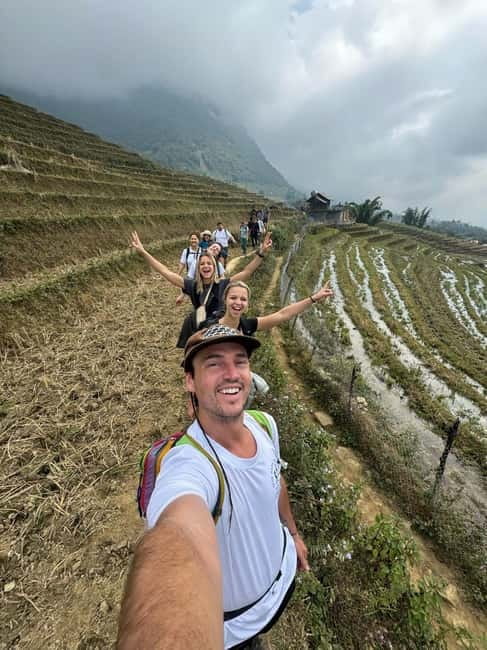
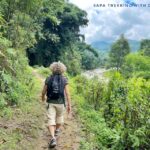
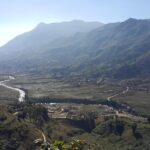
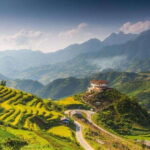
Day 1 is the longer day on foot, about 12 km. You start with trekking toward Dragon Mountain, which is where you get those wide panorama moments over Sapa’s valleys and mountains.
After that viewpoint portion, you head to Hang Da village and stop for lunch at a local restaurant. This meal is a big part of the value because it’s not a quick snack-stop; it’s food with a view and the chance to pause before the village-to-homestay walking.
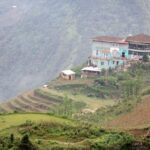
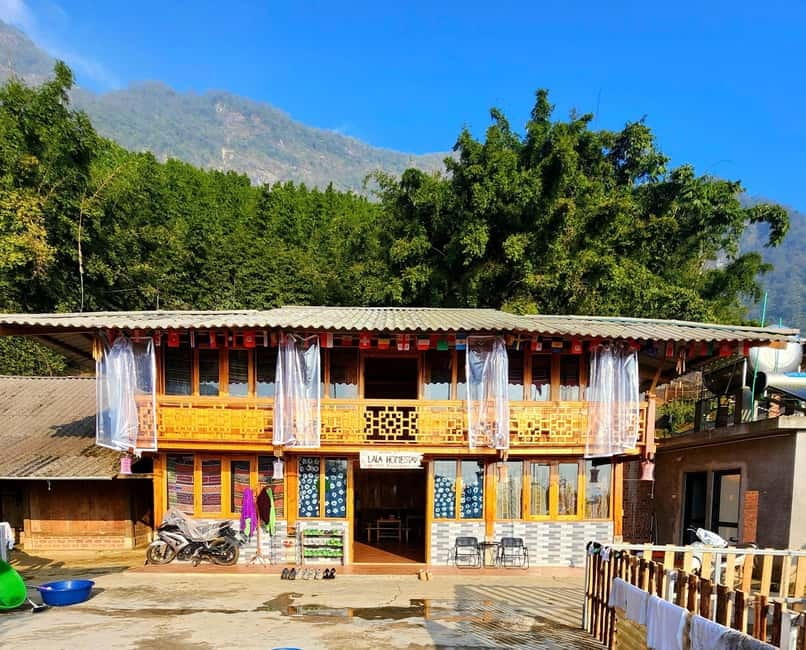
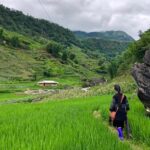
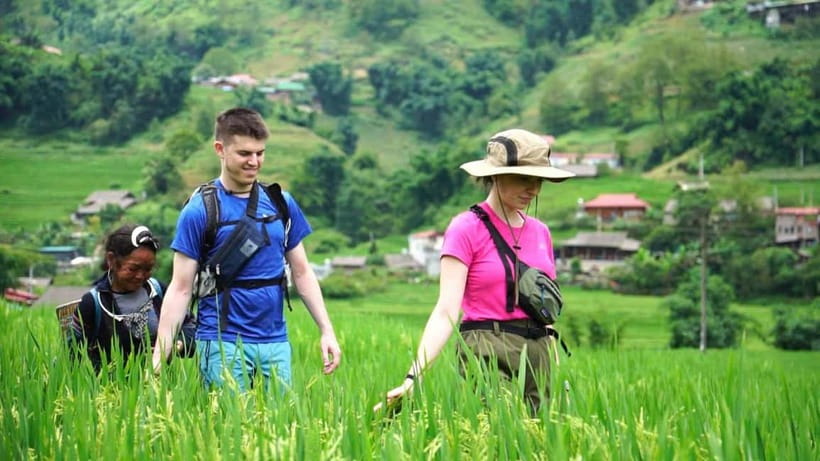
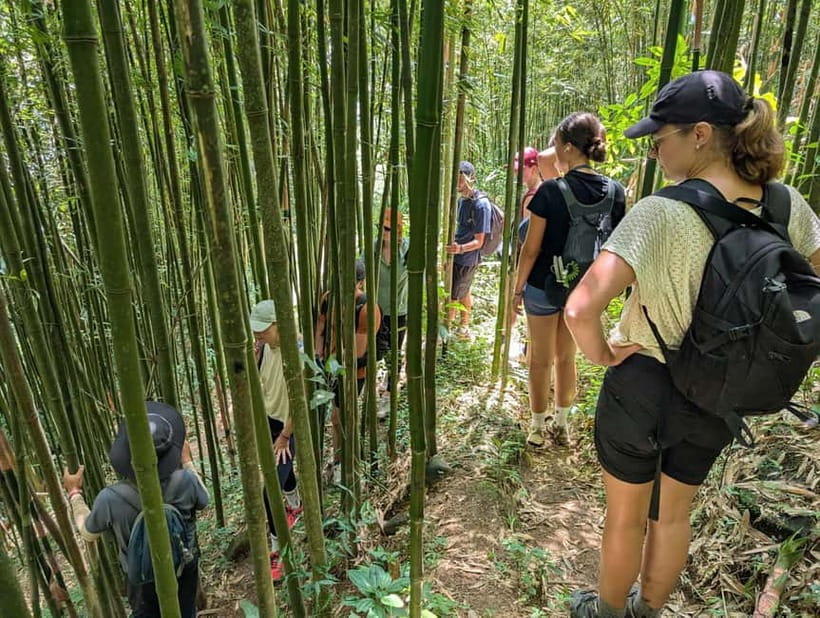
Then comes the in-between scenery that many day-trips skip: you walk through a small bamboo forest and around rice paddy fields before reaching Lala Homestay in Hau Thao village. You arrive around 3:30 PM, which gives you a real afternoon buffer to settle in.
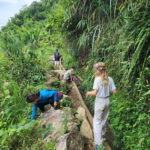
Practical reality check: that first day has more effort. Your legs will know it. Wear shoes you trust on slippery earth and uneven steps, and bring a hat so you’re not borrowing shade from locals all day.
Lala Homestay life in Hau Thao: dinner, cooking, and the Happy Water game
Once you arrive at Lala Homestay, the tour shifts from walking to living. This is where the experience becomes more than a route on a map.
You can rest, but the day is designed to keep you engaged without rushing you. Options you might join include a cooking class with the host and a local đá cầu game (the shuttle-kick style game many people in Vietnam learn young). Even if you just watch for a bit, you’ll get a feel for how daily life works here.
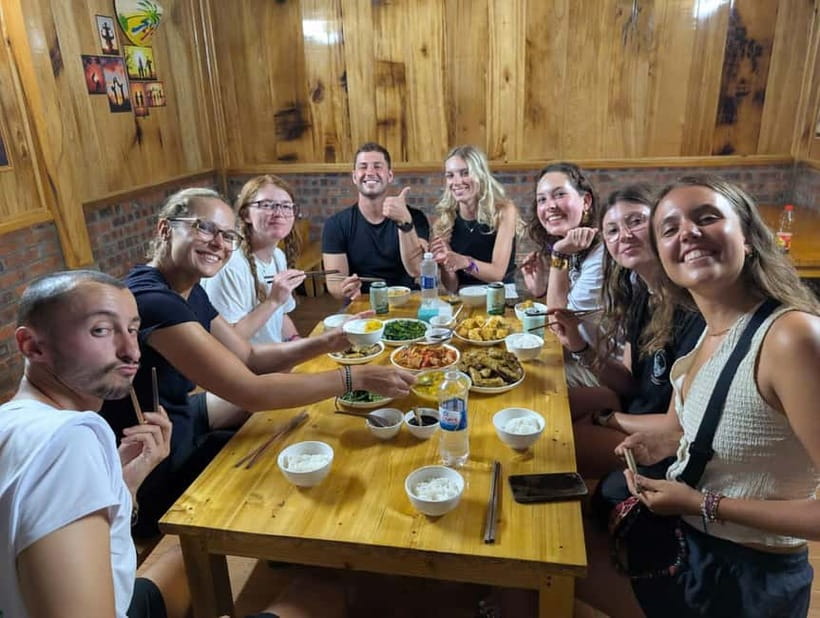
Dinner is shared with the family, and that’s usually the moment people remember. It’s not about fancy service. It’s about being welcomed, learning names and routines, and realizing culture is built into small moments—how food is served, how conversations happen, how laughter shows up quickly once the group relaxes.
Then there’s Happy Water, a local game built around drinking and group energy. If that doesn’t sound like your thing, you can still enjoy the social vibe. The night also includes a karaoke room if you want it, which can be wildly fun or just loud enough to remind you to drink water and pace yourself.
One balanced note: this is an interactive evening. If you’re uncomfortable with games involving alcohol, bring a thoughtful attitude. You can still participate in the social parts, but you should know your limits.
Day 2: terrace rice fields, Mường Hoa river, Giang Ta Chai, and a waterfall stop
Day 2 is shorter on paper, about 6 km, and that matters because it changes the mood. You walk out after breakfast around 8:30 AM, and the pace feels less like a grind and more like a nature-and-village stroll.
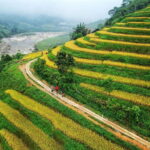
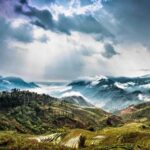
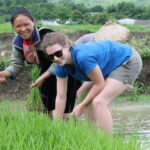
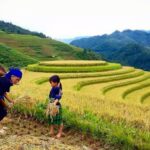
You start with some of the most photogenic scenery: terrace rice fields. The walking here is scenic and usually easier than the steepest stretches of Day 1, but terraces can still be slippery, so keep your footing careful.
Next you follow along the Mường Hoa river to visit Giang Ta Chai village. This is one of the stops that helps you understand how communities connect to the land—what people grow, how paths are arranged, and how the villages sit in relation to water.
Then you go to a waterfall area. Here’s the honest part: in some seasons the waterfall may have no water. Even then, the timing and the walk still matter, because you’re seeing the valley feel and the way locals move through the area—but if you’re chasing a big, roaring waterfall photo, check the season before you fall in love with an expectation.
After the waterfall stop, you return to the main road and have lunch. Then you head back to Sapa by car, mini van, or motorbike depending on group size.
The tour ends back in Sapa around 2:00 PM, which is great if you’ve got a bus to catch for your next stop.
What the price really buys you (and the 800,000 VND extra)
The advertised price is listed at $4.01 per person, but the important part is the additional payment required on completion: 800,000 VND for meals, accommodation, entrance tickets, and guide services for a full experience.
So what are you truly paying for? Think of it as two categories of value:
First, the included items cover the core day structure: 2 lunches, 1 breakfast, 1 dinner, a tour guide, and Happy Water. That’s already a lot of food and guidance costs handled for you, especially in a trekking setup where you’d otherwise spend time figuring out meals and transport.
Second, the extra payment fills in the parts you can’t really DIY easily on this kind of route: homestay accommodation and likely the smaller fees and ticket-type costs tied to visits and guide support. In other words, you’re paying for time-saving and local access, not just walking.
My practical advice: treat the base price as a starting figure and plan for the 800,000 VND so you don’t get surprised halfway through. If you’re budgeting tight, ask about what’s covered by the extra payment before you go.
Also note: drinks aren’t included, and you’ll want to plan on water and whatever else you prefer to sip.

How the route feels in real life: effort vs rewards
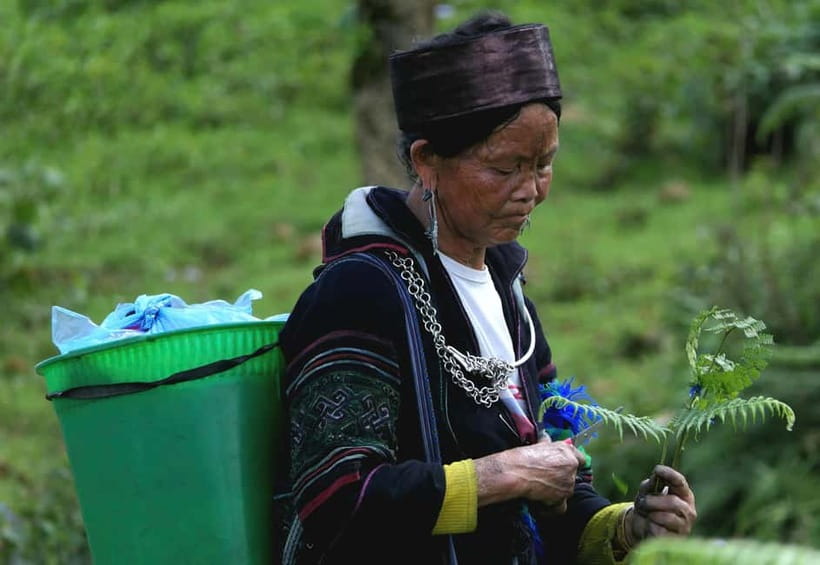
This trek is best described as moderately active. You’re not dealing with technical climbing, but you are walking meaningful distances across paths that can be uneven and wet.
Day 1 (around 12 km) is the workout. You’ll feel it in your calves and knees, especially after the bamboo and rice paddy stretches. Day 2 (around 6 km) gives you breathing room and lets you enjoy the villages and river setting without feeling like you’re constantly pushing uphill.
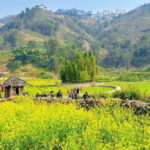
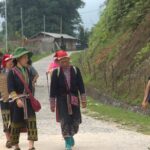
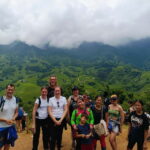
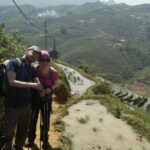
The reward is the mix: panoramic views from the mountain side, lunch in a village restaurant, then village trails that slow you down just enough to notice details—rice terraces, bamboo shadows, and the way trails connect one community to the next.
If you’re the type who enjoys talking to people and not just photographing them, you’ll get more out of this than you expect.
Who should book this and who should skip it
This fits best if you want:
- A homestay experience with local hosts in Hau Thao village
- A guide-led trek with enough structure to keep things smooth
- An evening that includes games, shared food, and karaoke if you’re in the mood
It may not fit if you:
- Want zero schedule pressure (this is a group tour with set meeting and end times)
- Are very sensitive to the idea of a drinking game like Happy Water
- Hate any trekking and prefer only light walking
Age limits are also clearly stated: it’s not suitable for babies under 1 year and not suitable for people over 95 years. If you’re outside the usual fitness range, check with the provider before committing.
Packing and comfort tips that actually matter
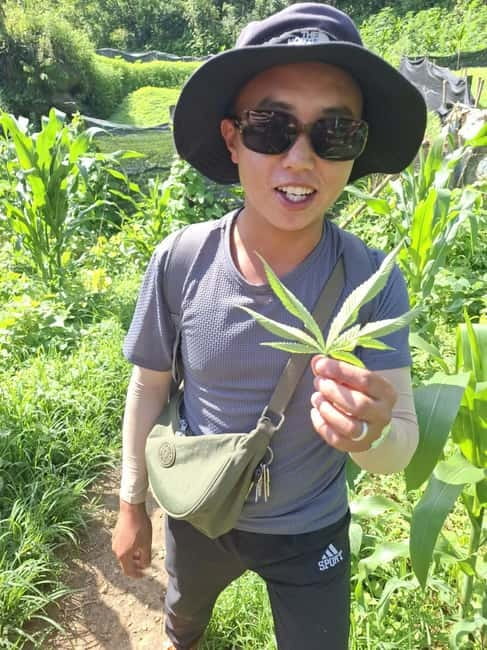
You’ll want to be ready for walking and changing weather. Bring:
- Comfortable walking shoes (this is the big one)
- A hat
- Sunscreen
- Water
- A camera if you want photos of terraces and viewpoints
Light layers help because Sapa weather can shift. Also plan for the fact that some stops involve dirt paths and stepping stones.
If you’re joining Happy Water, sip water during breaks. It’s easy to get carried away when the group energy rises and karaoke starts.
Finally, bring a respectful mindset for village life. This kind of trek works because you’re welcomed—so you’ll want to act like a guest.
Should you book the Lala Homestay Sapa trek?
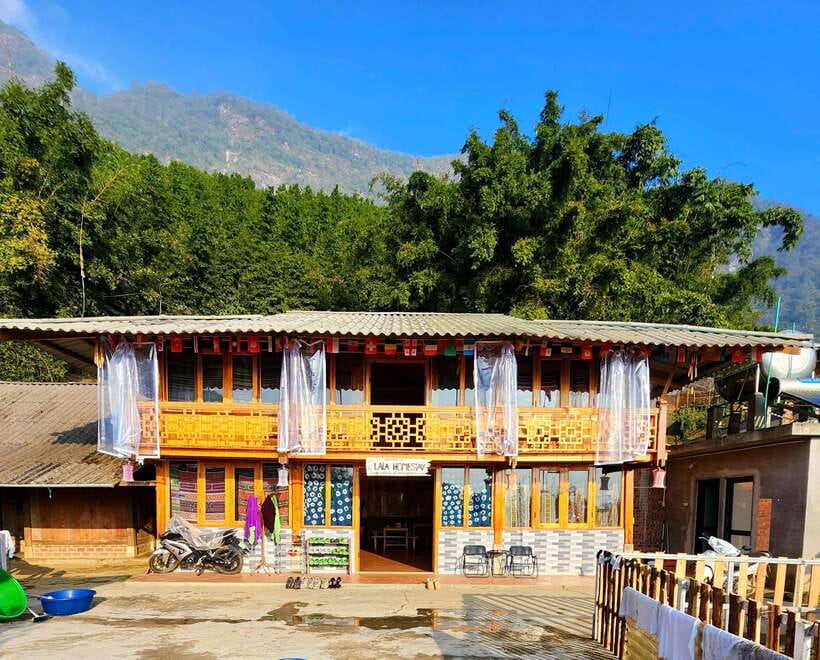
If your goal is genuine village time—plus mountain views—you should seriously consider booking this. The combination of Lala and Su guiding you, a real homestay in Hau Thao, and food that’s included on the key parts of both days makes it strong value for the effort you put in.
I’d book it if you’re excited by rice terraces, bamboo paths, village visits, and a fun evening like Happy Water. I’d think twice if you only want one kind of scenery (like big waterfalls every time) or if group games with alcohol are a hard no.
If you want a practical rule: book it when you’re okay being flexible about the waterfall season, and when you’re ready to trade “easy sightseeing” for a day-and-night experience that feels like Sapa lived in.
FAQ
What time does the tour start?
Your guide meets you at 9:00 AM at Sapa Church.
Where does the tour end?
The experience finishes back in Sapa Center around 2:00 PM on the second day, near the meeting point area.
What meals are included?
You get 2 lunches, 1 breakfast, and 1 dinner included.
Is Happy Water included, and what is it?
Happy Water is included. It’s part of a local game during the homestay evening.
How far do you trek each day?
Day 1 is about 12 km, and Day 2 is about 6 km.
Will the waterfall always have water?
Not always. In some seasons the waterfall may have no water.
Is there any extra payment on top of the listed price?
Yes. After completing the tour, an additional payment of 800,000 VND is required for meals, accommodation, entrance tickets, and guide services for the full experience.