REVIEW · KATHMANDU
From Kathmandu: 12-Day Everest Base Camp Guided Trekking
Book on GetYourGuide →Operated by Welcome Nepal Treks P.Ltd · Bookable on GetYourGuide
Cold air, huge mountains, clear purpose.
What makes this 12-day Everest Base Camp guided trekking trip feel real is the balance of solid planning and time at the right altitudes. You’ll fly into Lukla, walk through classic Khumbu scenery, and reach Everest Base Camp at 5,364m, with acclimatization built in at Namche Bazar and Dingboche. I also like the small-group setup (limited to 15), plus the fact you’re traveling with an experienced, English-speaking guide who helps you handle the logistics and the pace.
One possible drawback: the trek is tea house trekking, and nights can be tough in colder months. If you’re going in winter, plan for uncomfortable sleeping conditions and cold temperatures, because the high-altitude days don’t magically fix night-time reality.
In This Review
- Everest Base Camp: What You’re Really Buying for $1,002
- First Day: Kathmandu to Lukla and the Start into Khumbu
- Namche Bazar (Days 2–3): Altitude Acclimatization That Actually Helps
- Day 4 to Tyangboche (3,867m): Forest Steps Toward the Big Peaks
- Rhododendron Forest and the Imja Khola Crossing (Days 5): The Scenic Middle That Changes Everything
- Dingboche Acclimatization (Days 6): Don’t Rush the Mountain
- Dingboche to Lobuche (Day 7): Narrower Air, Bigger Sense of Purpose
- Everest Base Camp Day (Day 8): The Walk to Gorakshep and the Reward
- Kala Patthar and the Descent to Pheriche (Days 9): The View Chase That Makes the Trek Worth It
- Long Return Days (Days 10–11): Trading Mountain Drama for Real Travel Legs
- Day 12: The Lukla Flight Back to Kathmandu
- Guides and Teamwork: Why This Trip Feels Safer
- What Lodging Feels Like in Tea Houses (and What to Bring)
- Small Group Trekking (Up to 15): Better Rhythm, Less Chaos
- Price and Logistics: Where Costs Usually Hide on EBC Treks
- Who This Trek Is Best For (and Who Should Skip It)
- My Booking Decision: Should You Book This Everest Base Camp Trek?
- FAQ
- How long is the Everest Base Camp guided trekking?
- What language is the guide?
- Are meals during the trek included?
- What’s included for domestic flights and airport transfers?
- What lodging should I expect?
- Are permits included?
- What is the highest point on the itinerary?
Everest Base Camp: What You’re Really Buying for $1,002
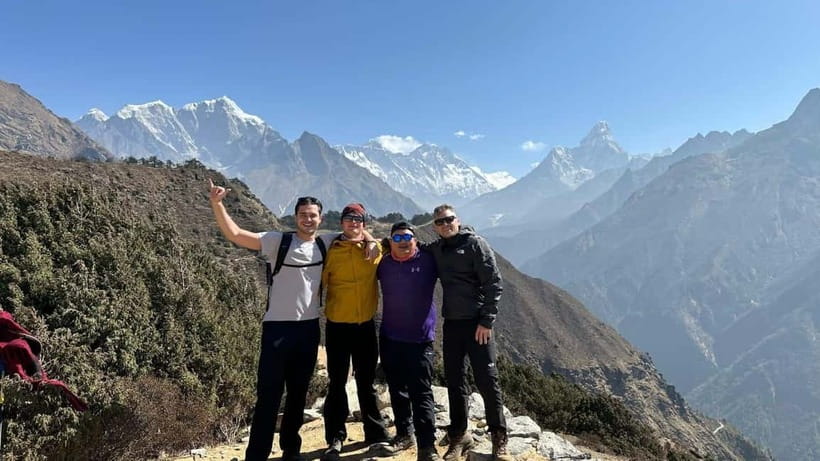
You’re paying for more than “a route.” You’re paying for how the trip is held together: permits, flights, guides, and lodging where you actually sleep—most of it built around the practical stuff that can make or break an EBC trek.
At $1,002 per person, the value makes sense if you want a guided experience without having to coordinate the details yourself. The essentials are included: domestic flights Kathmandu–Lukla and return, airport transfers in Kathmandu, Sagarmatha National Park entry and fees, and the TIMS card. You also get a guide package (guide salary/food/insurance and travel while working). That matters on Everest trek logistics, because small mistakes snowball quickly.
What’s not included is also important: meals during the trek aren’t part of the standard package, and hot showers and internet aren’t included. You’ll also want to budget for drinks. And if you’re hoping someone carries your bag for free, that’s not the default. Porters are available for an added cost (with a limit of one porter assisting up to 25 kg for two guests), so decide early whether you want to go lighter.
If you match the trip to your style—organized, guided, small-group, and okay with tea house basics—this price feels fair. If you want full-board luxury with warm sleeping and easy comfort, you’ll feel the limits fast.
First Day: Kathmandu to Lukla and the Start into Khumbu
Day 1 is all about switching worlds. You’ll be picked up in Kathmandu (also covering Bhaktapur and Lalitpur), then head to Tribhuvan International Airport for an early flight to Lukla. Lukla flights can be weather-dependent, and you should treat early starts and day-of flexibility as part of the deal.
Once you land in Lukla, you transfer to the trekking start point and hike to Phakding, staying in a tea house. This leg is usually your “wake-up walk”: not the hardest day, but it gets you moving and lets you settle your pack, shoes, and expectations. It’s also when you start noticing the human rhythm of Khumbu—tea houses, porters, shared trails, and the steady flow of people heading for Everest viewpoints.
Practical note: you’re not allowed luggage or large bags, so keep your system tight. The included approach—plus the optional loan of a jacket, sleeping bag, and duffle bag if required/requested—is designed for that reality.
You can also read our reviews of more tours and experiences in Kathmandu.
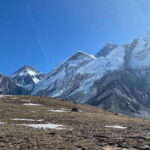
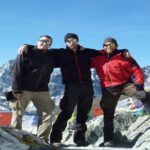
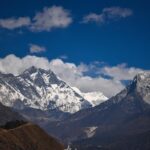
Namche Bazar (Days 2–3): Altitude Acclimatization That Actually Helps
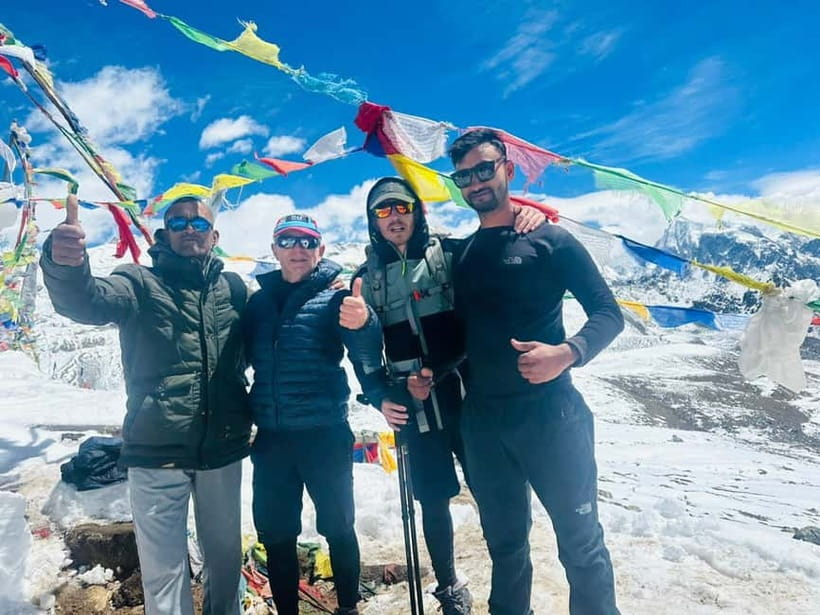
Day 2 brings you to Namche Bazar (3,440m). It’s a key hub in the Khumbu region: not just a place to sleep, but a place to reset. You’ll spend the night there in a tea house.
Then comes Day 3, a rest day for acclimatization in Namche. This is one of the biggest quality signals in this itinerary. EBC treks can feel like they’re “just hiking,” but your body needs time to adapt. Namche gives you that. You relax, adjust to altitude, and reduce the odds of feeling wrecked later.
This also tends to be when you start appreciating the guide’s role beyond “walking instructions.” A good guide helps you manage effort, clothing layers, hydration, and pacing so you don’t arrive at the next day already spent.
Day 4 to Tyangboche (3,867m): Forest Steps Toward the Big Peaks
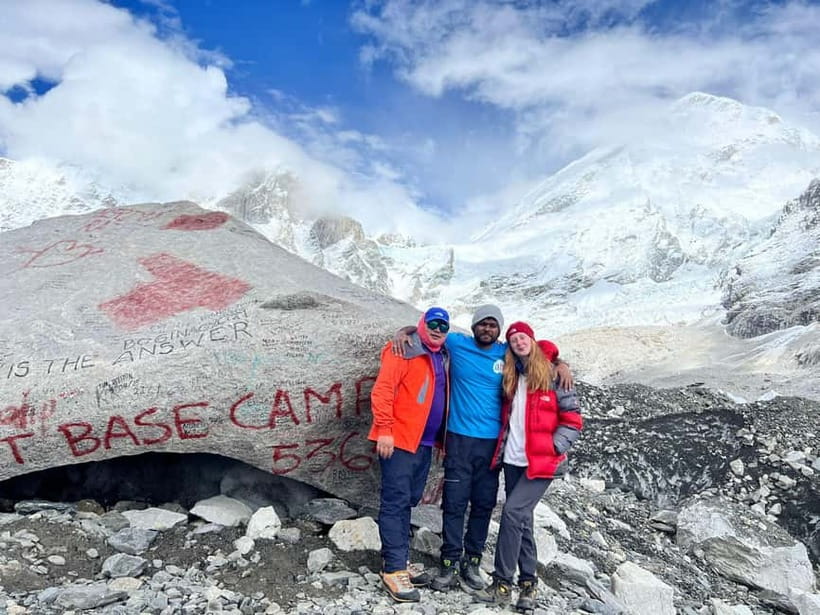
On Day 4, you’ll hike from Namche to Tyangboche (3,867m). Tyangboche sits at a spiritual and scenic crossroads in the Khumbu. Expect that classic feeling: one day you’re in a town-like trekking world, and the next you’re stepping into the approach zone where the mountain scale starts to mess with your sense of distance.
You’ll stay overnight in Tyangboche. Tea houses here tend to be busy during peak trekking seasons, but it still feels quieter than the trail traffic at lower elevations.
Rhododendron Forest and the Imja Khola Crossing (Days 5): The Scenic Middle That Changes Everything
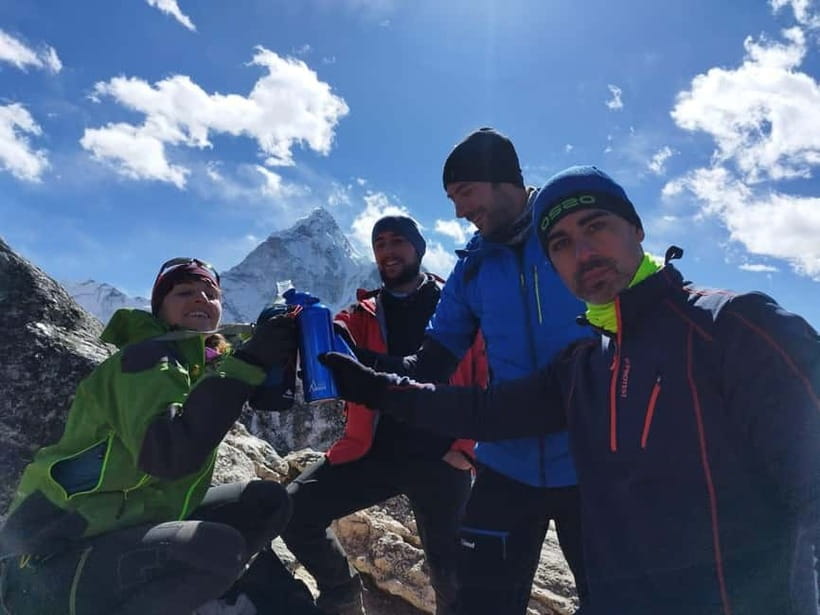
Day 5 is one of those days where the trail itself becomes the highlight. You leave Tyangboche and hike through a rhododendron forest, then cross a suspension bridge at Imja Khola. That bridge moment matters. It breaks up the monotony and gives you a quick physical and mental reset—plus it’s the kind of detail you remember later.
From there, you head toward Minlinggo, entering the Imjatse Valley beneath the major wall of peaks including Ama Dablam, Nuptse, and Lhotse. You’ll sleep in Dingboche (4,260m).
This segment is where the Everest trek stops feeling like a checklist and starts feeling like a real journey. The valley geography funnels your views upward, and the ridgelines around you start to look like they belong in a different planet.
Dingboche Acclimatization (Days 6): Don’t Rush the Mountain
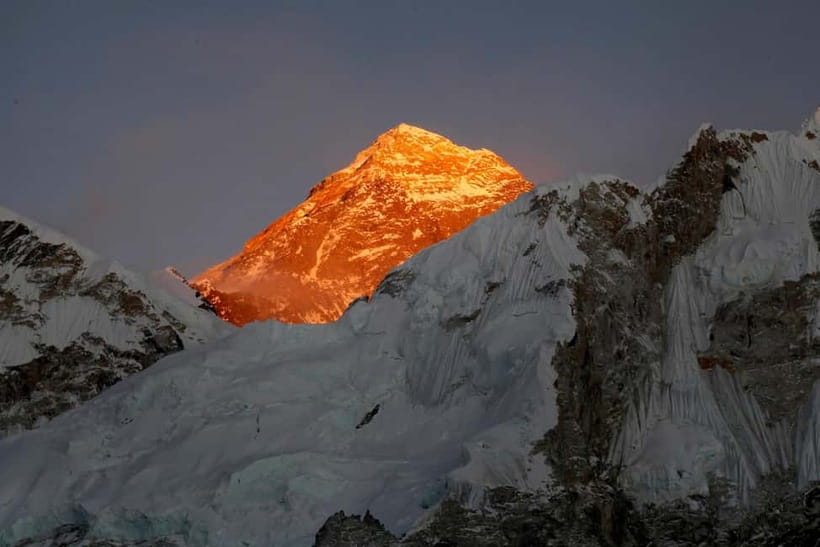
Day 6 is another acclimatization day with an overnight stay at a tea house lodge in Dingboche. This matters a lot for comfort later, especially once you start pushing higher toward Lobuche and then the EBC area.
Even if you’re fit, you’ll feel how altitude “changes the math.” A rest day isn’t wasted time here—it’s insurance.
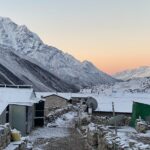
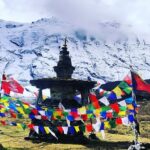
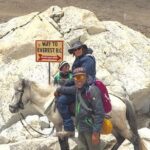
Dingboche to Lobuche (Day 7): Narrower Air, Bigger Sense of Purpose
Day 7 hikes toward Lobuche (4,930m). It’s about a 5.5-hour hike, with lunch stop in Dugla on the way, then arrival for the night.
This is the day where you start noticing that the terrain is less forgiving: the path can feel rockier, and your pace slows naturally. That’s not a failure—it’s altitude doing the driving.
I like that the itinerary doesn’t cram in multiple major elevation changes on top of each other here. It keeps you headed toward Everest Base Camp without turning the trek into a suffering contest.
Everest Base Camp Day (Day 8): The Walk to Gorakshep and the Reward
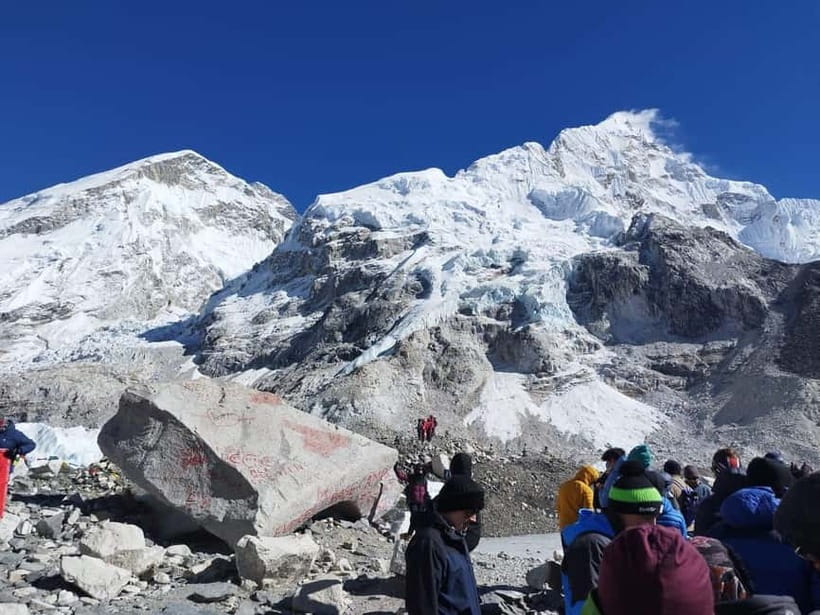
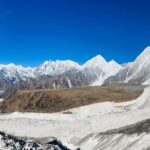
Day 8 is one of the most rewarding days: breakfast at Lobuche, then trekking to Everest Base Camp via Gorakshep. This includes climbing over rocky paths with great views of the Khumbu glacier.
You’ll visit Everest Base Camp at 5,364m. Then you continue to Gorakshep for the night.
If you’re wondering what to expect emotionally: it’s usually a mix. You’ll feel proud you reached the goal. You’ll also feel how high and exposed everything is. Base Camp can look both bigger than you imagined and smaller than you hoped, depending on cloud cover and weather. Either way, the experience lands because the trek built up the moment.
Kala Patthar and the Descent to Pheriche (Days 9): The View Chase That Makes the Trek Worth It
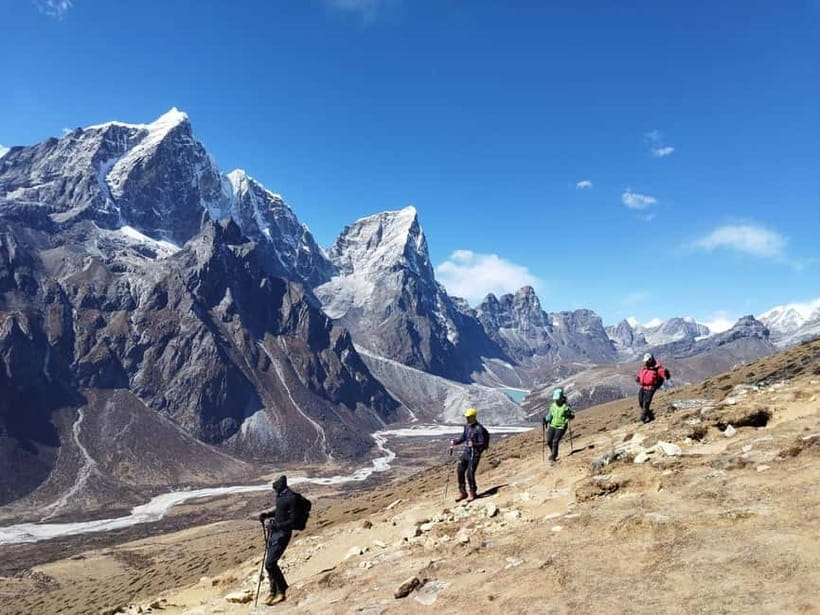
Day 9 is a two-stage victory: hike from Gorakshep to Kala Patthar (5,545m), then continue to Pheriche (4,243m) for your overnight tea house stay.
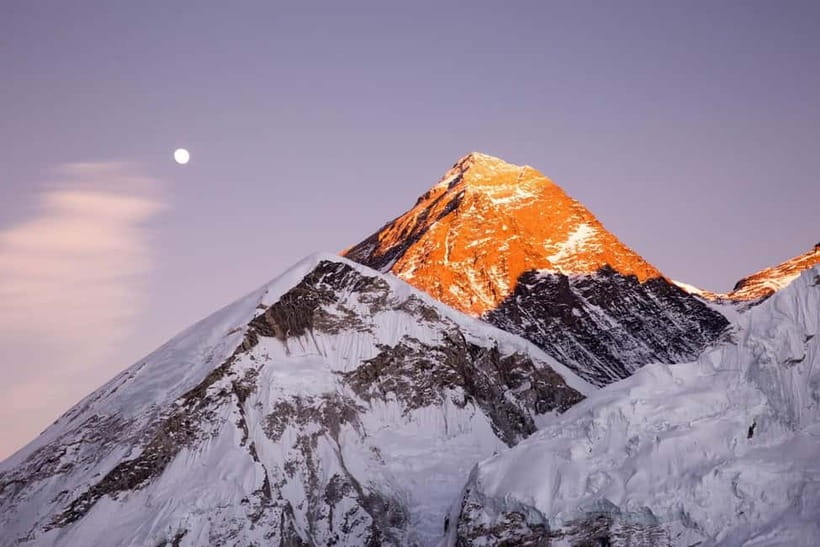
Kala Patthar is a classic Everest trek viewpoint, and in this itinerary it’s placed where it delivers payoff for the days of altitude gain. You’re going high again, but you’re also setting yourself up for an easier altitude drop afterward, which helps your body recover.
The ride down to Pheriche matters too. After the highest points, a descent is more than relief—it helps you absorb the experience instead of just surviving it.
Long Return Days (Days 10–11): Trading Mountain Drama for Real Travel Legs
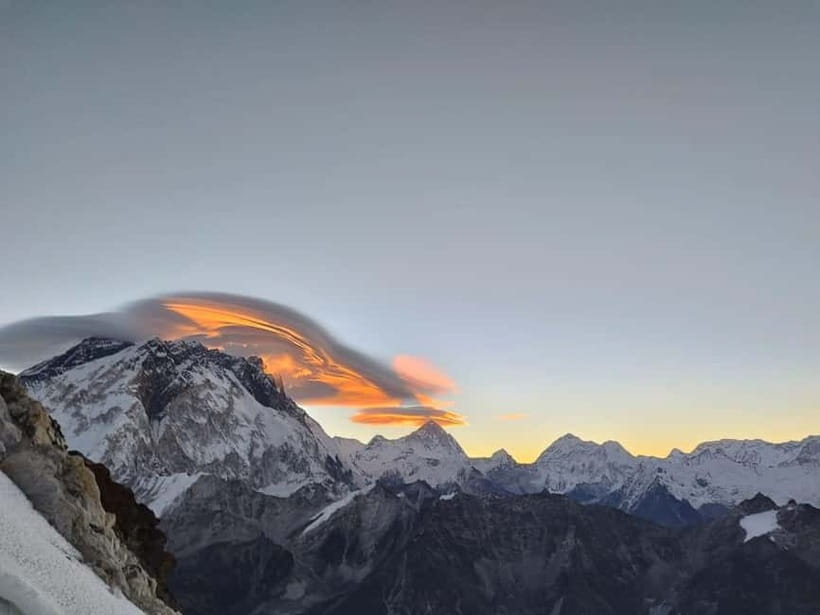
Day 10 starts the descent: hike from Pheriche to Tyangboche (3,867m), then continue trekking to Namche Bazaar (altitude around 3,440m) for the night.
Day 11 brings the return to Lukla from Namche, and another overnight in Lukla.
These are long legs in the sense that they’re “walking plus paying attention.” Your body will feel the change from high-altitude climbing to downhill steps and repeated effort. The guide’s role becomes very practical here: pacing, foot care, and making sure you don’t burn out before tomorrow’s flight.
Also keep in mind: because you’re flying back, you want to finish the trek with energy reserved for the day-of plan.
Day 12: The Lukla Flight Back to Kathmandu
On Day 12, you board an early morning scenic flight back to Kathmandu. Then you’ll be transferred to your hotel by the tour representative.
This day is about switching gears again: air, crowds, traffic, and heat. It’s a nice landing after days in cold layers and quiet trails. And it’s also the time to check in with your body—altitude trekking can linger in subtle ways.
Guides and Teamwork: Why This Trip Feels Safer
A lot of Everest trekking anxiety is really about uncertainty: pace, timing, and what happens when conditions shift. This itinerary is built to reduce that.
In real feedback tied to this experience, guides like Padam, Nishan, Rohan, and Adhish have been praised for being positive, attentive, and adjusting to the group. One review specifically called out feeling safe in a dangerous environment with Padam, and another highlighted quick professional switching when weather required a helicopter alternative. That kind of competence doesn’t guarantee perfect conditions, but it does mean you’re not making it up as you go.
Another detail I appreciate: the team structure includes a guide plus optional porter support. Even if you don’t hire a porter, the presence of an experienced guide changes how you manage the work.
What Lodging Feels Like in Tea Houses (and What to Bring)
You’ll stay in lodges/tea houses during the trek. This is not hotel comfort. It’s warm-ish human refuge in cold altitude zones. Expect simple rooms, shared realities, and the need to layer well.
Two practical packing reminders based on the trip info:
- Bring your passport (required for permits and internal flights).
- Avoid big luggage. Large bags aren’t allowed, so plan for a compact system.
Because the package may include a jacket, sleeping bag, and duffle bag if required/requested, you can travel lighter than you might otherwise. Still, plan to use layers smartly. One review noted that December nights are tough, and the daytime sights make up for it. That’s a realistic trade-off on EBC treks.
Small Group Trekking (Up to 15): Better Rhythm, Less Chaos
A group size limited to 15 participants is a meaningful feature. On Everest routes, trail flow can be busy. With a smaller group, the day tends to feel more manageable: you’re not getting stretched into a slow moving line, and your guide can actually monitor everyone.
It also means you’re more likely to get group dynamics that help rather than distract. For many people, that matters as much as views.
Price and Logistics: Where Costs Usually Hide on EBC Treks
If you’re budget-minded, here’s the honest way to think about costs.
Included that reduces stress:
- Flights Kathmandu–Lukla and return
- Permits (Sagarmatha National Park fees and TIMS card fees)
- Airport pickup/drop-off in Kathmandu areas
- Tea house lodge accommodation across the trek days
- Guide support with travel and insurance covered
Not included (where your daily spending can rise):
- Meals (standard breakfast/lunch/dinner during the trek aren’t included)
- Alcoholic and non-alcoholic drinks
- Hot showers and internet
- Porter service (optional at an additional cost)
So when evaluating the $1,002 price, treat it as “logistics organized + core essentials,” not “everything you eat and drink is covered.” If you plan simple meals and budget drinks, you’ll keep control. If you assume full-board convenience, you’ll feel surprised later.
Who This Trek Is Best For (and Who Should Skip It)
This is best for you if you:
- Want a guided, small-group Everest Base Camp experience
- Prefer acclimatization days rather than aggressive rushing
- Are okay with tea house basics and cold nights
- Have the stamina for several days of trekking at altitude
This is likely not a fit if you:
- Are pregnant
- Have heart problems
- Need wheelchair access
- Rely on hot showers, strong Wi-Fi, or fully included meals to feel comfortable
If you fall into any health concerns, talk to a medical professional before committing. Altitude is not something you gamble with.
My Booking Decision: Should You Book This Everest Base Camp Trek?
I’d book this trip if you want a structured Everest Base Camp trek with a clear plan, included permits, and a guide who helps you manage pace and altitude—especially with the built-in rest days at Namche Bazar and Dingboche.
I wouldn’t book it if you want easy comfort, included meals, or warm night conditions in winter-style cold. Also, if you’re the kind of traveler who hates planning around flight timing, recognize that Lukla flights depend on conditions and the trip is designed around getting you there and back.
If you do book, do two things early: pack for small-bag trekking and plan your meal budget. And yes—bring your passport.
FAQ
How long is the Everest Base Camp guided trekking?
It’s a 12-day trek, starting after a flight from Kathmandu to Lukla and ending with a return flight back to Kathmandu.
What language is the guide?
The live tour guide is available in English.
Are meals during the trek included?
No. Standard meals (breakfast, lunch, and dinner) during the trek are not included.
What’s included for domestic flights and airport transfers?
You get airport pickup and drop-off in Kathmandu, plus the return domestic flight between Kathmandu and Lukla.
What lodging should I expect?
You’ll stay in lodges/tea houses during the trek.
Are permits included?
Yes. The package includes the Sagarmatha National park entrance permit and fees, plus the TIMS card fees.
What is the highest point on the itinerary?
You’ll visit Kala Patthar at 5,545 meters, and also reach Everest Base Camp at 5,364 meters.