REVIEW · SRINAGAR
The Best Monsoon Trek: Kashmir Great Lakes
Book on Viator →Operated by Himalaya Shelter · Bookable on Viator
A week of mountain lakes starts with one drive. The Kashmir Great Lakes trek gives you classic alpine passes, high-meadow scenery, and a real camping rhythm through monsoon-season timing. It’s also a smart group trek because the logistics are handled end to end, from Srinagar into the hills.
What I like most is the way the timing can shape what you see. Early July can still show snow up high while the meadows are fresh and green, so you get that snow-in-the-background look with summer in the foreground. I also really appreciate the food and camp support—proper meals in a tent camp make the trekking days feel lighter, and the group size stays small.
One thing to consider: weather. In late July through August the mountains can turn wet fast, and you’re dealing with higher passes, so you’ll want to be ready for rain, wind, and slower days if conditions tighten up.
In This Review
- Key Things I’d Plan Around
- Kashmir Great Lakes in Monsoon Time: How Your Dates Really Change the Trek
- From Srinagar to Sonamarg: The River Drive That Sets the Tone
- Day 2: Nichinai Stream, Maple Meadow, and Your First Real Rhythm
- Day 3: Nichinai Pass (About 4,100m) and the Moment the Views Open Up
- Day 4: Vishansar to Gadsar—A Long Day Over the Trek’s High Point (4,210m)
- Day 5: Gadsar to Satsar—The “Relatively Easier” Day That Still Counts
- Day 6: Satsar to Gangabal via Zaj Pass (13,280 ft) and Weather Sense
- Day 7: Final Descent to Naranag and Back to Srinagar (5–7pm)
- Camps, Tents, and Meals: Why Comfort Here Isn’t a Luxury
- Guides, Support, and Safety on High-Mountain Weather Days
- Price and Value: Is $481 Worth It for a 7-Day Trek?
- Who This Trek Fits Best (and Who Should Rethink It)
- Should You Book the Kashmir Great Lakes Monsoon Trek?
- FAQ
- What is the duration of the Kashmir Great Lakes trek?
- Where does the trek start and end?
- What time do we meet in Srinagar?
- What meals are included?
- What type of accommodation is provided?
- Is there a porter option?
- Is a service animal allowed?
Key Things I’d Plan Around
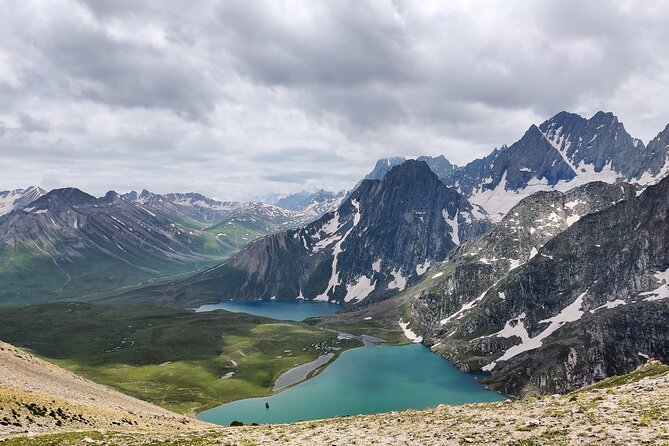
- Monsoon-season views change by week: early July = snow plus bloom; end of July = full meadows; late Aug = colder, wetter, flowers fading
- Pass days at real altitude: Nichinai Pass (~4,100m), Gadsar Pass (4,210m), plus Zaj Pass (13,280 ft)
- Long, serious day between Vishansar and Gadsar: plan for a tough 10-hour day with the highest point of the trek
- Tight camp comfort for the road: A-frame tents, dining + kitchen setup, toilet tent, mats and sleeping bags
- Small-group feel (max 11): easier pacing, easier communication, and more personal guide attention
- Food support you’ll notice: reports of hot soups, dals, rajma, pasta, and even trout dishes on the mountain
Kashmir Great Lakes in Monsoon Time: How Your Dates Really Change the Trek
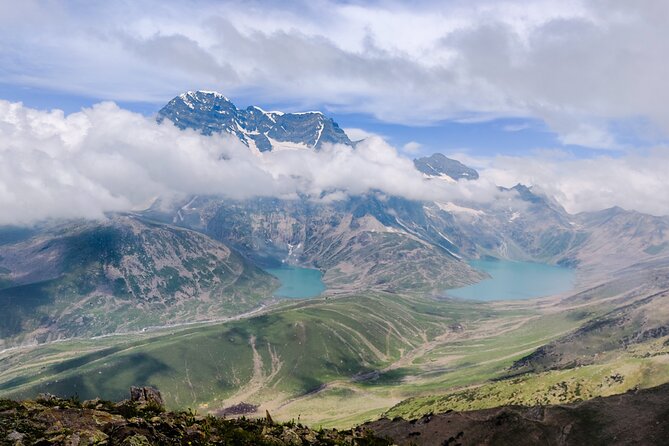
This trek is the same route on paper, but your experience can feel totally different depending on when you go. The biggest variable is what’s happening to snow and the meadows.
In early July, snow can still linger at higher altitudes while the lower areas are in fresh bloom. That combination matters because you’ll see both textures in the same day: white patches up high with soft green and flowers down low. By the end of July, the snow tends to melt away and the meadows go full-on green with the widest floral color range. That shift can make the trail feel more open and sunlit, and nights often feel more comfortable during camping.
By late August, the temperature starts dropping again. Flowers begin to wither as cold starts pushing into the alpine meadows. And this is also when rain can be more abrupt than you expect. The trek can still run into the second week of September, but after that you’re closer to the point where snow begins taking over higher reaches again.
If you want an easy call, pick early July for the snow-meets-summer look, or late July for meadows at their strongest. If you’re set on late August or early September, go in expecting heavier weather swings and bring mental patience for foggy, wet trail stretches.
You can also read our reviews of more tours and experiences in Srinagar.
From Srinagar to Sonamarg: The River Drive That Sets the Tone
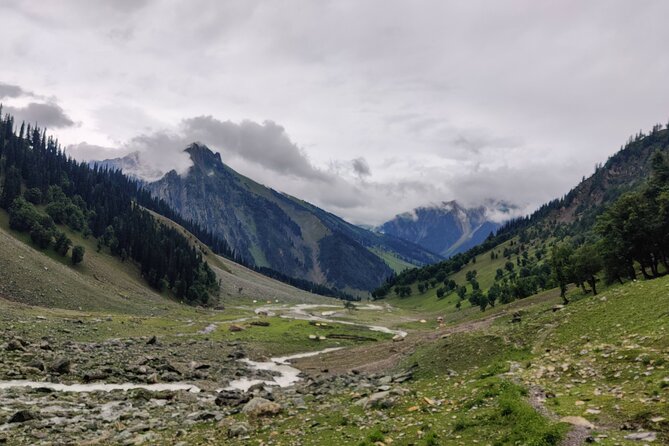
You start in Srinagar, with a meeting around 11:00am. The drive usually leaves later—around 1:00pm—and you reach Sonamarg by about 4:30pm.
This day isn’t “trekking,” but it’s not wasted time either. The route follows the Sind River, and after you cross at Wayil bridge, you’re on the true right side of the river. Along the way, you pass Anchar Lake, which gives you a first taste of the kind of mountain water scenes you’ll keep seeing.
Why this matters: getting oriented during the drive helps a lot once you start walking. You’ll also arrive with a clearer sense of the terrain type you’re heading into—valley travel first, then steeper trail country later. It makes day one of hiking easier because your body knows what kind of day is coming.
Day 2: Nichinai Stream, Maple Meadow, and Your First Real Rhythm
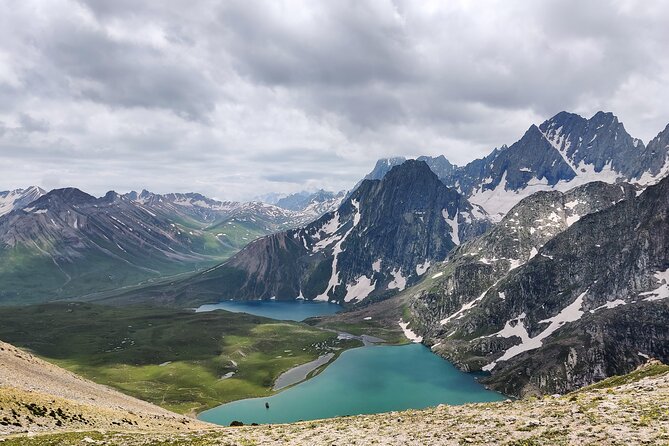
Day 2 begins at camp at Shitkadi. From here, the trek heads toward Nichinai camp, and you follow the Nichinai stream along the way. That’s a helpful pattern: having water nearby usually means steadier trail definition and frequent scenic breaks.
After about 1.5 km upstream, you reach a meadow dotted with maple trees. This is the kind of stop that changes your mood. A place like this reminds you you’re not just hiking to reach lakes—you’re moving through different pockets of vegetation and elevation.
The trekking time on this day is about 5 hours. It’s not a “free day,” but it’s also not the hardest pass day. Think of it as your body’s warm-up phase: learn the pacing, settle into your rhythm, and let your legs get used to altitude while the trail is still readable.
Day 3: Nichinai Pass (About 4,100m) and the Moment the Views Open Up
On day 3 you move from Nichinai camp toward Nichinai Pass, with the pass sitting around 4,100 meters. The climb takes a couple of hours at a moderate pace, and the trek time listed is about 4 hours overall for this section.
As you cross the pass, your experience usually flips from “walking beside streams and meadows” to “walking in big air.” Even if you don’t feel like you’re fighting for breath, you’ll notice the thinner air and the way your effort goes up. That’s normal here.
Practical tip: if you’re prone to going too fast early, this is the day to slow down. A steady pace makes a huge difference at pass altitudes, and it keeps you from arriving at viewpoints feeling wrecked.
This is also where early monsoon timing shows up. If you’re trekking in early July, snow patches can still appear higher up. If you’re going later in the season, the pass area can feel more fully melted and greener. Either way, Nichinai Pass is your first clear “you’re in the high country now” moment.
Day 4: Vishansar to Gadsar—A Long Day Over the Trek’s High Point (4,210m)
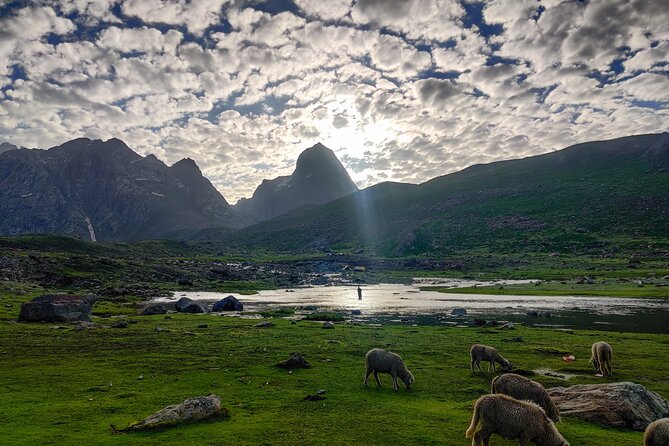
Day 4 is the one I’d mentally circle as the toughest. The trek from Vishansar to Gadsar is described as beautiful but demanding, and today crosses the high point of the trek at Gadsar Pass, around 4,210 meters.
This is a 10-hour day, which matters because it’s not just the altitude—you’re spending a lot of time moving on legs tired from earlier days. The trail from Vishansar to the pass continues upward, and the pass itself adds that steeper, more focused climbing feel that requires good pacing and attention with footing.
The monsoon factor also matters here. If rain hits hard, the trail can get slippery, and your time on the ground stretches. That’s where having a professional guide and sticking to their tempo really pays off. You’re not just trying to “reach a view”; you’re trying to manage energy and safety for the full day.
If you’re the type who gets frustrated when the trail slows, give yourself permission now: on days like this, slower is still successful. Arriving calm is better than arriving stressed.
Day 5: Gadsar to Satsar—The “Relatively Easier” Day That Still Counts
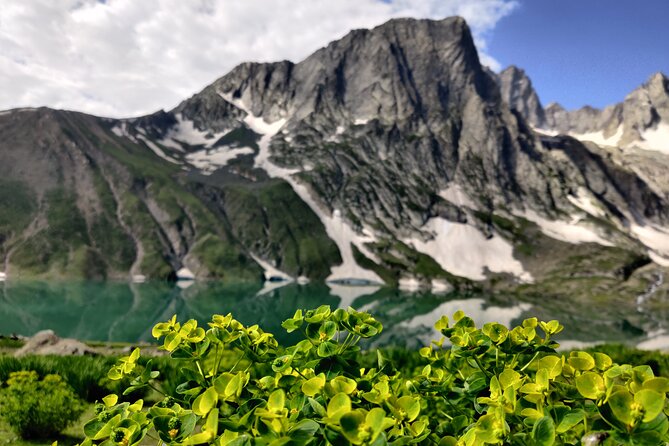
Day 5 goes from Gadsar to Satsar and is labeled as comparatively easier than the previous pass-heavy days. It starts with an initial steep hike of just over an hour. After that, the trail becomes more gradual and mostly level plain.
The trekking time is about 6 hours. That makes it a recovery day in comparison, but not an off switch. You’re still walking at altitude, and “mostly level” in mountains still means you’re on your feet for hours.
I like days like this because they help you reset mentally. You can focus on steady breathing, good foot placement, and enjoying the lake-country feel before the next pass day.
Day 6: Satsar to Gangabal via Zaj Pass (13,280 ft) and Weather Sense
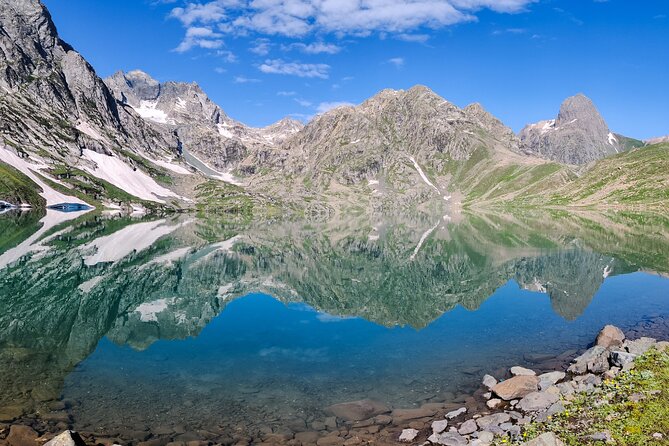
Day 6 heads from Satsar to Gangabal Lake. The trekking begins with an ascent to Zaj Pass, described as comparatively lower than the former passes. Still, it sits at 13,280 feet, which is no joke when you’re already a few days into the trek.
The pass climb takes about 2 hours. The key point is that it’s lower than the two major passes you already crossed, so the day can feel more manageable. But altitude fatigue is cumulative, so you’ll still feel it.
This is also a day where monsoon-season realism becomes important. If clouds roll in early or rain shows up unexpectedly, you might lose the sharpest views. In the mountains, that can happen even when the forecast looks fine.
In at least one account of the experience, bad weather meant incessant rain and gushing wind. That’s the reminder that your plan needs a weather buffer. The best move isn’t to fight the mountain; it’s to follow the guide, keep moving safely, and accept that some scenery will show up softened and misty rather than crisp and clear.
Day 7: Final Descent to Naranag and Back to Srinagar (5–7pm)
Your last day alternates minor ascents and descents for about the first half. After that, the route turns into a steep descent all the way to Naranag, finishing your trek.
Some accounts note the last day includes roughly 13 km of downhill walking, which is believable given the described profile. Downhill can be tricky: it taxes knees and makes your pace cautious, especially on wet days.
You reach Srinagar between 5 and 7pm, depending on when you start. This is also the point where your body finally has permission to slow down. If you’re the kind of traveler who enjoys quiet evenings, plan for an early night or a low-energy dinner after you get back.
Camps, Tents, and Meals: Why Comfort Here Isn’t a Luxury
This trek runs on camping, and the camp setup is part of the value. You get standard A-frame tents for 6 nights, with double occupancy. There’s also an on-site setup that includes a kitchen, dining area, and toilet tent. Portable seats and camping stools help you avoid that awkward, soaked-sitting-on-rocks situation.
You also get sleeping bag and mats, which is a big deal. It means you’re not stuck trying to improvise bedding in cold or wet conditions.
The meal plan is solid for a remote week: 6 breakfasts, 5 lunches, and 6 dinners. And the food quality shows up in the accounts—people highlight things like hot soups and hearty mains such as dals and rajma, plus pasta and even trout dishes mentioned from mountain cooking.
Why that matters: on trekking days, your appetite may be inconsistent. When the camp meals taste good and are reliably warm, you eat enough to recover. That’s what keeps you moving through pass fatigue without burning out early.
Guides, Support, and Safety on High-Mountain Weather Days
This is where I’d put most of my trust—because the trek’s biggest threat isn’t the distance on a map. It’s weather and conditions changing fast.
The trip uses a mountaineering-qualified, BMC-certified professional trek guide with a first aid kit. That matters in practical ways: someone is trained to read trail conditions and make calls when visibility or rain changes the safe route.
The guide names that stand out from accounts include Surendra Rana and Choudhary, with support also credited to people like Rishabh (and variations like Rishab/Rishabh in different notes). These aren’t just names on a website; they’re the people praised for being alert and vigilant when weather turned bad.
If you’re choosing a group trek because you want someone else to handle the hard decisions, this is that moment. It’s also why small-group pacing helps—when there are fewer people on trail, it’s easier to manage pace and keep everyone together.
Price and Value: Is $481 Worth It for a 7-Day Trek?
At $481 for about 7 days, the headline question is simple: does it include the right stuff?
Here’s what you do get:
- 6 nights of standard tent stay
- Qualified guide with first aid support
- Cooking and camp infrastructure (kitchen/dining/toilet setup)
- Sleeping bag and mats
- Meals: 6 breakfasts, 5 lunches, 6 dinners
- Transport support on Srinagar onwards
- All fees and taxes
- Mobile ticket
Then look at what you don’t get: personal expenses, tips, personal medicine, and the cost to reach Srinagar from your hometown. Also, a porter for personal luggage is not included, though you can add one for INR 500 per bag per day (for bags under 12 kg).
So the value comes down to this: you’re paying for a fully managed outdoor system—food, camp, guide, and entry fees—rather than buying individual pieces. For a monsoon trek where weather can change quickly, that kind of “put together” support can be worth more than the raw price tag.
Would you pay less if you organized it yourself? Possibly. But if you’re traveling with limited trekking experience or you don’t want to troubleshoot permits, camp logistics, and pass planning, this structure can be a smarter use of your time.
Who This Trek Fits Best (and Who Should Rethink It)
This trek is best for you if you have moderate physical fitness and you want a guided group experience in the Kashmir Great Lakes circuit. The listed maximum is 11 travelers, so you get a quieter feel than big commercial groups.
You’ll also like it if you want the full route feel: river drive to Sonamarg, stream-side walking, pass ascents at meaningful altitude, a tough day over Gadsar, and a long final descent back toward Naranag.
I’d rethink if you’re very sensitive to altitude or you hate rain uncertainty. Late monsoon timing can bring abrupt rainfall and wind, and you’ll still be doing high passes on a schedule that can’t magically stop for perfect weather.
Should You Book the Kashmir Great Lakes Monsoon Trek?
Book it if: you want a well-organized guided camping trek with real meal support, you can handle pass days at ~4,100m to 4,210m plus high terrain on day 6, and you understand that monsoon-season weather is part of the deal.
Pass on it if: you’re aiming for guaranteed sunshine and dry trails, or you’re not comfortable with a potentially tough weather week where the plan might slow down.
If you’re deciding between weeks, I’d use a simple rule: early July for the snow + bloom contrast, late July for full meadow beauty, and late August only if you’re okay with cold snaps and rain showing up fast.
If that sounds like your kind of mountain trip, this is a trek that can reward you with the kind of lake-and-pass memories you’ll still talk about long after your tent bags are stowed.
FAQ
What is the duration of the Kashmir Great Lakes trek?
It’s approximately 7 days.
Where does the trek start and end?
It starts in Srinagar and ends back at the meeting point (Srinagar). On the final day you arrive in Srinagar between 5 and 7pm.
What time do we meet in Srinagar?
Start time is listed as 11:00am.
What meals are included?
The trek includes 6 breakfasts, 5 lunches, and 6 dinners.
What type of accommodation is provided?
You get accommodation for 6 nights in a standard tent setup with double occupancy, including an A-shape tent and camp facilities like a kitchen, dining, and toilet tent.
Is there a porter option?
A porter to carry personal luggage is not included, but you can arrange one for INR 500 per bag (under 12 kg) per day.
Is a service animal allowed?
Yes, service animals are allowed.