Six days of winter hiking in Kashmir.
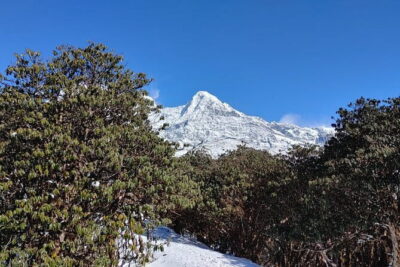
This trek is interesting because you’re not just walking through snow—you’re moving along the Naranag–Trunkhol–Gangabal route, where snow depth can run from about 1 foot in Naranag to roughly 6 feet at Trunkhol. I especially like that the trip handles the big logistics for you with forest huts and gypsy-hut camping, and I also like that the essential trekking gear is included so you’re not forced to buy a whole store’s worth of equipment.
You’ll start with an arrival pickup and a Srinagar overnight, then head into the mountains with porters who help with offloading your load. One possible drawback: winter on this route demands more than a casual stroll. The trail can be slightly steep, snow hardness matters, and you’ll still need to bring your own personal clothing and equipment to stay comfortable.
In This Review
- Key things that make this trek work in winter
- Entering Srinagar: Dal Lake overnight and a smooth handoff
- Gear strategy: what’s included (and what you still bring)
- Day 2: Naranag to Bodpathri—pine forest walking and a gypsy-hut camp
- Day 3: Bodpathri to Trunkhol—old trail choices that reduce slip risk
- Day 4: Trunkhol to Gangabal Lake and back—long day, smart pacing
- Day 5: Trunkhol back to Naranag—snow meadows, pine descent, and an earlier finish
- Day 6: Departure day from Srinagar
- Pickup, private transport, and porters: the quiet value
- Price and what you actually get for $389
- Winter reality check: who should go, and who should think twice
- The human side: guidance, coordination, and calm communication
- Should you book Kashmir Snow Trek?
- FAQ
- How long is the Kashmir Snow Trek?
- What time does the trek start?
- Where do you stay during the trek?
- What trekking gear is included?
- Is travel insurance included in the price?
- What fitness level do I need?
- Can I cancel for a full refund?
Key things that make this trek work in winter
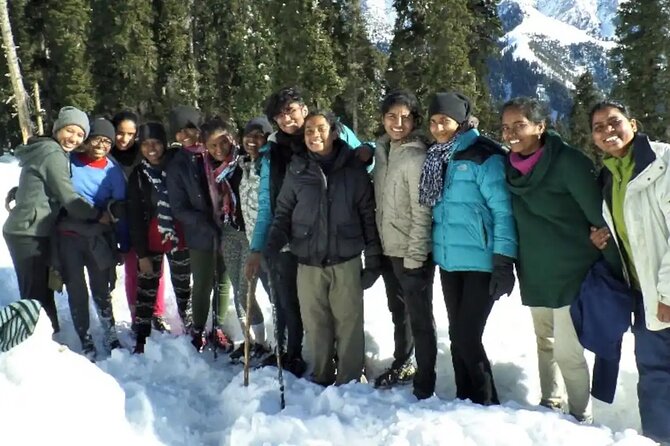
- A real snow-depth gradient: roughly 1 ft near Naranag, up to about 6 ft by Trunkhol
- Hut-based camping: forest huts at Trunkhol plus a gypsy hut at Bodpathri
- Gear included end-to-end: sleeping bags, mats, blankets, trekking poles, and climbing ropes
- Porters manage the heavy stuff: offloading is included, which helps your legs last longer
- Plans adapt to snow conditions: Day 4 pacing is adjusted based on hardness and depth
- Guides can be multilingual (and local): some families have been guided by people like Shakeel and Liyakat, with day-to-day coordination and a strong on-the-ground feel
Entering Srinagar: Dal Lake overnight and a smooth handoff
Your trek starts in Srinagar with a reception on arrival at the airport or bus station. The plan is practical: you’re transferred to Dal Lake for an overnight stay on a houseboat, then the next day begins the drive toward Naranag.
This matters because winter treks in high-altitude areas go better when you don’t spend your first day figuring out local transport. You get someone to meet you, guide you into the flow, and handle the transition from city life to mountain work.
You should also note the included Srinagar lodging setup: the tour lists Hotel Ash Vale for two nights with full board, while the itinerary calls for a houseboat night on Dal Lake after arrival. In plain terms, you’re covered for Srinagar accommodation either way—just expect a mix of comforting indoor meals and scenic downtime before the cold-hike routine begins.
You can also read our reviews of more tours and experiences in Srinagar.
Gear strategy: what’s included (and what you still bring)
Winter hiking gets expensive fast when you have to rent or buy everything. Here, the trekking package includes the big items that keep you functional in cold conditions:
- sleeping bags
- mats and blankets
- trekking poles
- climbing ropes
It also includes cooking support: utensils plus an LPG stove for camp cooking. That reduces the usual hassle of carrying extra weight or hunting for basic supplies once you’re in the mountains.
Still, you’re not completely hands-off. The tour explicitly doesn’t include personal clothing and equipment. So you’ll want to bring your own winter layers and traction-appropriate footwear comfort. If you’re unsure about what to pack, it’s worth asking the operator directly during booking, especially if this is your first snow trek.
One more practical note: the tour lists first aid as included. You’ll still want to be sensible—cold drains people, and being prepared is what keeps the trek enjoyable.
Day 2: Naranag to Bodpathri—pine forest walking and a gypsy-hut camp
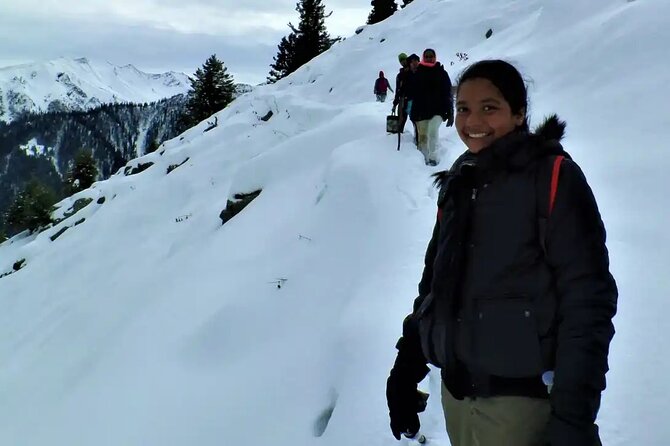
After breakfast in Srinagar, you drive toward Naranag, then start trekking with porters. The first trek section is described as slightly steep, and your route runs through a pine forest area called Butsheri.
That combination—snow plus pine forest—often feels like a different world. The pines break the wind, and the snow muffles sound, which makes steady walking feel less chaotic. You’ll also get your first taste of the snow-management reality: where the ground changes, your pace changes too.
By late in the day you reach Bodpathri and camp in a gypsy hut for the night. For hikers, this stop is more than a bed. It’s a buffer night. It lets your body adjust before the longer and more snow-sensitive crossing ahead.
Day 3: Bodpathri to Trunkhol—old trail choices that reduce slip risk
Day 3 is where the route gets more serious. You trek for about 5 hours and follow the old Gangabal trail that crosses Harigand peak to avoid slipping on snow.
That detail is worth highlighting. In winter, the safest line is not always the shortest one—it’s the one that matches snow conditions. Following an established route helps you avoid the temptation to take quick shortcuts on uncertain footing.
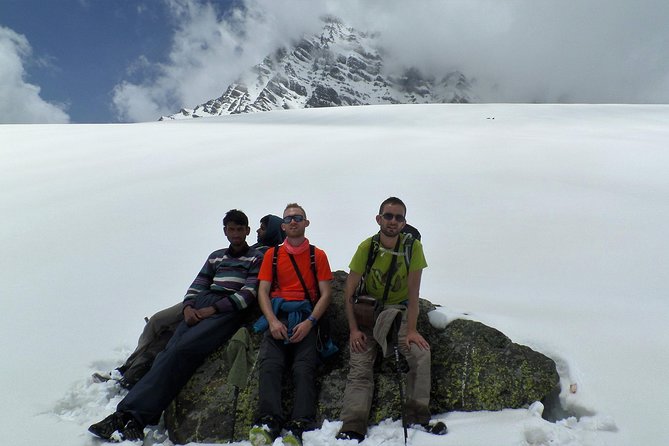
You end the day at Trunkhol, where you overnight in a forest hut. This is also where snow depth is listed as much heavier—up to about 6 feet at Trunkhol. So by Day 3, you’re moving from “winter hike” into “winter expedition” mode.
Day 4: Trunkhol to Gangabal Lake and back—long day, smart pacing
Day 4 is the big day trek: around 6 hours to reach Gangabal Lake, then you return to Trunkhol for the night. The plan mentions walking through ice fields and leaving the Trunkhol snow meadow area.
Here’s the key: the operator explicitly plans the day based on the snow depth and hardness. That doesn’t sound romantic, but it’s exactly what keeps a winter trek safe and enjoyable. Snow hardness affects grip, balance, and speed. If the snow is crusty, you might manage it differently than deep powder.
When you go for a day trek like this, you’ll feel it most in your lower body—legs and core working to stay stable. The good news is you’ll have a hut waiting at the end of the day, which reduces the stress of “what happens if we’re delayed.”
You’ll sleep back at Trunkhol Hut, so you’re not scrambling for a second overnight plan in harsh conditions.
Day 5: Trunkhol back to Naranag—snow meadows, pine descent, and an earlier finish
Day 5 is about getting back out smart. Trek time is listed as 7 hours, and the route goes from Trunkhol to Naranag through snow meadows and down via the pine forest of Bodpathri.
That long duration can sound intimidating, but it’s also a common winter advantage: once you’ve climbed and gained route knowledge, the return often feels more familiar. You’ll still be careful with footing, because descending on snow can be just as tiring as ascending—your quads do the complaining.
Once you reach Naranag village, the walking ends and you take the car back to Srinagar for an overnight stay.
From there, it’s a more relaxed end to the expedition: you’re back in town with warm meals and the chance to dry out gear.
Day 6: Departure day from Srinagar
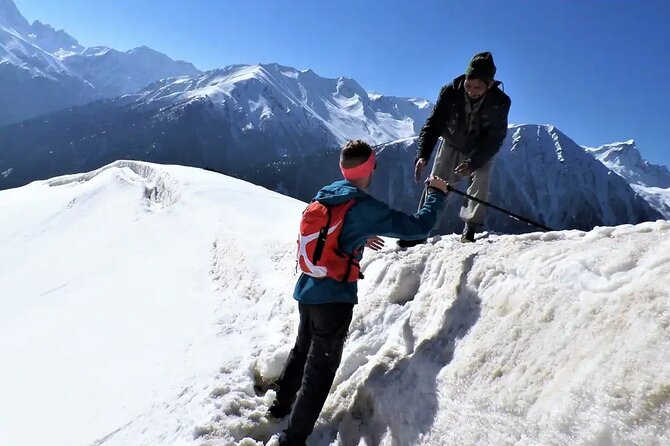
On the final day, your representative drops you at the airport or bus station. The start time is listed for 8:00 am at the meeting point, so you should plan for a morning rhythm instead of a late start.
If you’re connecting to another part of India after this, I’d treat Day 6 as your buffer day. Winter treks can run early or late depending on snow and walking conditions, so a morning drop helps keep travel schedules manageable.
Pickup, private transport, and porters: the quiet value
This is set up as a private tour/activity, meaning only your group participates. That tends to matter on a snow trek because pacing, breaks, and decision-making work better when the operator doesn’t juggle a big mixed group.
Private transportation is included, including transfers between Srinagar and the trailheads. That reduces the stress of coordinating rides yourself in winter.
Porters handle offloading, which sounds minor until you do the trek. Snow days are already heavy in your body. If someone else carries some of the load during the key parts, you keep more energy for your own balance and rhythm.
Price and what you actually get for $389
At $389 per person, this trek can feel like either a bargain or a lot—depending on how you compare it. Here’s the practical value math:
You’re paying for:
- Srinagar accommodation with full board (plus the itinerary’s houseboat night on arrival)
- multiple nights in mountain camping (forest hut and gypsy hut)
- private transport and transfers
- trekking gear including sleeping bag, mat, blankets, trekking poles, and climbing ropes
- cooking setup (utensils and an LPG stove)
- permits for trekking/wildlife
- first aid
- offloading by porters
What’s not included (and could add cost):
- travel insurance
- personal clothing and personal equipment
- tips
- optional trips/excursions
In other words, the price covers the whole skeleton of the expedition. For many hikers, the “hidden” cost on snow treks is gear and logistics. This package tries to remove that headache.
Winter reality check: who should go, and who should think twice
This trek asks for moderate physical fitness. That’s fair. You’re doing multiple days of uphill and down, plus snow and ice conditions.
You should think twice if:
- you’re uncomfortable with cold for long stretches
- you don’t have stable footing on uneven or icy ground
- you’re relying on the trip to supply personal winter clothing and footwear
If you are an active traveler—someone who can handle several hours of walking in winter weather—this is a strong choice.
The human side: guidance, coordination, and calm communication
Winter treks are partly logistics, and partly mindset. People have described the team as very organized, and they’ve highlighted guidance that feels hands-on. Names that appear in the experience feedback include Shakeel and Liyakat, and the pattern is clear: day-to-day coordination, clear guidance, and local know-how.
That’s useful for you because snow trekking isn’t just about strength. It’s about knowing when to move, how to move, and when to slow down.
Also, the tour notes that it may be operated by a multi-lingual guide, which can make a difference if you want explanations about route choices and pacing.
Should you book Kashmir Snow Trek?
Book it if you want a snow trek that’s built for hikers who still care about comfort basics. You get gear included, hut nights, permits handled, and a route that’s planned around snow depth and hardness—not just a fixed “walk no matter what” itinerary. The private setup also tends to make the experience feel more personal and less stressful.
I’d skip or pause if you hate cold conditions, or if you haven’t prepared personal winter clothing and equipment. Even with included gear, your comfort will depend on what you bring.
If you want a straight answer: this is a good pick for active people who want a real winter route (Naranag–Trunkhol–Gangabal) without having to build the expedition from scratch.
FAQ
How long is the Kashmir Snow Trek?
It’s listed as 6 days (approx.).
What time does the trek start?
The meeting point start time is 8:00 am.
Where do you stay during the trek?
You camp in a gypsy hut at Bodpathri and in forest huts at Trunkhol. In Srinagar, accommodation is listed as Hotel Ash Vale with full board, and the itinerary also includes an arrival overnight on a houseboat at Dal Lake.
What trekking gear is included?
Included trekking gear covers sleeping bags, mats, blankets, trekking poles, and climbing ropes.
Is travel insurance included in the price?
No. Travel insurance is not included.
What fitness level do I need?
The tour is for people with moderate physical fitness.
Can I cancel for a full refund?
You can cancel up to 24 hours in advance for a full refund. If you cancel less than 24 hours before the experience starts, the amount paid isn’t refunded.