REVIEW · KATHMANDU
Mardi Himal Trek
Book on Viator →Operated by Ace the Himalaya · Bookable on Viator
Mardi Himal keeps its distance from the crowds. This trek in Nepal’s Annapurna region is built for close mountain time with long stretches where you won’t be running into other hikers. I like the feel of the route because it stays quieter than the nearby Annapurna Base Camp trail, and I also like how the support team (guides such as Ishwor, Deepak Neupane, Rajan, and sherpas like Suka and Bizal) is part of what makes the experience feel safe and fun.
The best value move is the included logistics: you get airport and ground transfers, a licensed English-speaking guide, a porter (one for two clients), permits, and trekking gear support (down jacket and sleeping bag). You also get an Ace the Himalaya duffel/kit bag and a sun hat that are yours to keep.
One drawback to plan around: the trek can involve snow on ridges in winter and cold conditions above the tree line, so you’ll need to take weather and layering seriously even if the walking days are only about 4 to 7 hours.
In This Review
- Key things that make Mardi Himal different
- A quieter Mardi Himal trek: what you’re really signing up for
- Day 1: Kathmandu arrival, paperwork, and your trek kit
- Day 2: The Kathmandu to Pokhara drive that resets your trip
- Day 3: Kande to Australian Camp, plus your first real Himalayan payoff
- Day 4: Forest Camp via Deurali—oak, maple, rhododendron, and quiet trail vibes
- Day 5: Low Camp day—steeper climbing and the mountains getting personal
- Day 6: High Camp—above the tree line, earlier starts, colder air
- Day 7: Upper viewpoint to Mardi Himal Base Camp time, then back down smart
- Day 8: The long descent to Sidhing and a 4WD jeep exit
- Day 9: Back to Kathmandu and a cultural farewell
- Day 10: Airport drop and finishing on schedule
- Price and logistics: what $821.34 really buys you
- Guides, pacing, and porter support that makes the trek easier
- What to pack and how to stay comfortable on cold ridge days
- Who this Mardi Himal trek is best for
- Should you book Mardi Himal with Ace the Himalaya?
- FAQ
- Where do we meet at the start, and where do we end?
- What time does the experience start?
- Are airport transfers included?
- What gear does the trek include?
- Are meals included during the trek?
- How big is the group?
- Is a porter included?
- What if I need to cancel or the weather is poor?
Key things that make Mardi Himal different
- Fewer hikers on the route: it sits just south of the Annapurna Base Camp trail, so it’s often much quieter in the favorable seasons.
- Forest-to-alpine scenery in one trek: oak, maple, rhododendron trails shift into grassy ridges and cold higher camps.
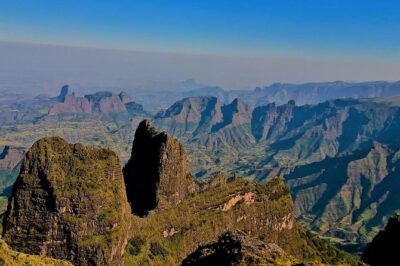
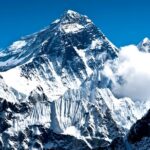
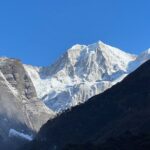
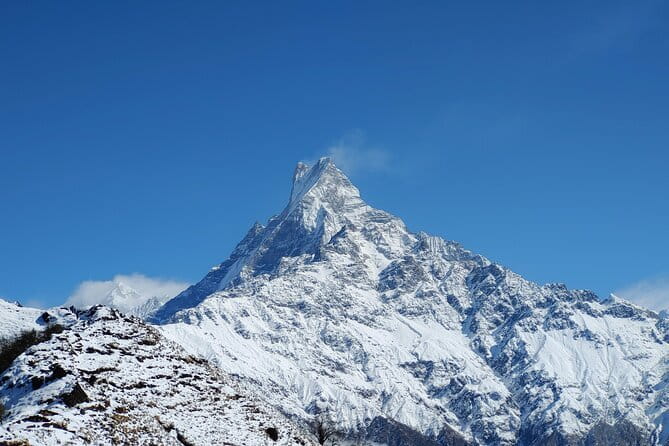
- Big mountain views without constant crowds: Machhapuchhre (Fishtail), Annapurna South, and the Annapurna Sanctuary are part of the reward cycle.
- A team that focuses on comfort and safety: guides mentioned in past trips include Ishwor, Ram, Krish, and Deepak Neupane, with sherpa support in the group.
- Gear support included: down jacket and sleeping bag are provided for the trek (returned at the end).
A quieter Mardi Himal trek: what you’re really signing up for
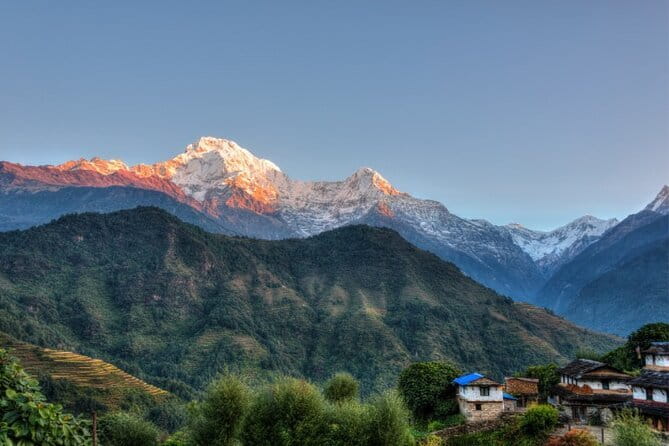
If you want Nepal trekking with fewer photo-bomb moments, Mardi Himal is one of the better bets in the Annapurna region. The route stays south of the Annapurna Base Camp corridor, and that position matters because you often won’t be sharing the trail with constant streams of tourists.
I also like the way the trek builds your viewing time. You don’t just reach a single viewpoint and leave; you gradually move through Base Camp areas and camp levels, so the mountains seem to get closer as you go. One traveler flow you’ll feel on the trail is that early forest walking turns into open ridge time, which changes the whole experience from shaded quiet to wide-sky panoramas.
Still, it’s not a couch-to-view program. The trek includes steep climbs and cold mornings, and your days can be long enough that you’ll want a moderate fitness base. If you know you handle uphill walking steadily and you don’t mind starting early, you’ll be in good shape for this one.
You can also read our reviews of more tours and experiences in Kathmandu.
Day 1: Kathmandu arrival, paperwork, and your trek kit
You land at Tribhuvan International Airport and meet an airport representative who will be holding a sign for Ace the Himalaya. From there, you’re transferred to a three-star hotel in Kathmandu in a private tourist vehicle.
This day also includes a pre-trek meeting. You’ll introduce yourself to your trek leader/guide, then you’ll want to ask questions while it’s still easy to get answers. You should bring your passport, three copies of passport-size photos, and a readable copy of your travel insurance policy. You’ll sign a legally binding trip form and a non-liability disclaimer, and you’ll receive the Ace the Himalaya duffel bag and cap.
The practical upside is that you get set up before the trail gets real. The small downside is that you’ll be doing admin on day one, so don’t schedule anything stressful right after arrival.
Day 2: The Kathmandu to Pokhara drive that resets your trip
Day two takes you from Kathmandu to Pokhara, about 200 km away, by tourist bus. Expect six to seven hours on the road, with plenty of scenery along the way, including rivers like the Trishuli and Marshyangdi and lots of smaller streams.
Once you arrive, you transfer to a hotel in Pokhara. This is a useful rest day in disguise. It helps you adjust from city life into trek life, and it gives you an easy launch point for the next morning’s jeep to the trailhead.
If you’re prone to feeling car-sick, this is one day to take seriously. The drive is part of the package, and Pokhara arrival usually sets the tone for the whole trek.
Day 3: Kande to Australian Camp, plus your first real Himalayan payoff
After breakfast, you head to Kande by jeep for about an hour. Then you start walking uphill on a trail that brings you to Australian Camp for an overnight stay.
The climb is about three hours, and the big win here is what you see when you get above the first layers of forest. On clear days, Australian Camp can give you an unobstructed view of the Annapurna range and highlights like Machhapuchhre and the Manaslu range, plus a view over green hills.
The drawback is weather dependence. When visibility drops, you still get a good trek day, but you’ll feel the difference immediately. If you want big views, treat clear-day timing as part of your planning mindset.
Day 4: Forest Camp via Deurali—oak, maple, rhododendron, and quiet trail vibes
Day four pushes you from higher base areas into the forest-to-ridge transition. You walk for around six to seven hours to reach Forest Camp.
The route includes a dip and climb pattern: it’s slightly downhill from Pothana (1950 m), then it ascends to Deurali (2100 m). After you reach Deurali, you look for the signboard pointing toward Forest Camp and follow that path.
This is also the day where the trail feels most “Nepal real” in a day-to-day way. Expect a quiet jungle feel with oak trees, maples, and rhododendrons. Then you keep moving until Forest Camp appears, which is when the day’s mood shifts again.
If you’re someone who gets cold easily, bring layers you can adjust quickly. Forest walking means shade and slower temperature swings.
Day 5: Low Camp day—steeper climbing and the mountains getting personal
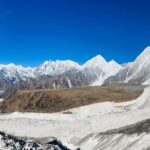
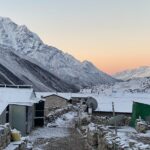
Day five is your move into higher terrain. After a steep climb for a few hours, you step out of the forest and onto a grassy ridge. Sometimes there’s snow on the ridge, so you’re walking in a more alpine atmosphere even before the highest camps.
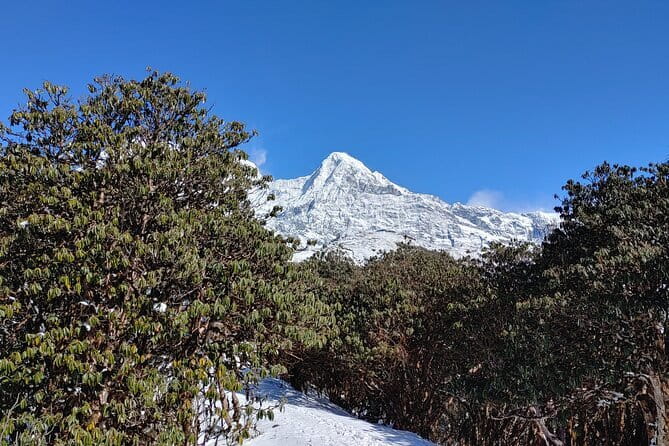
You’ll walk for about six to seven hours and reach Low Camp in the afternoon. This is a key acclimatization pattern day, because you’re not sprinting; you’re building altitude while still giving your body time to catch up. At Low Camp, you can sit with tea and take in close views of Annapurna South and Mt. Machhapuchhre.
The main consideration here is that the day is longer than it sounds on paper. It’s not a casual stroll, especially if the weather is chilly or you’re already tired from prior climbs.
Day 6: High Camp—above the tree line, earlier starts, colder air
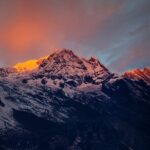
You wake up early for sunrise views through the mountains, then eat breakfast before continuing on. The trail involves grassy ridges with a cold-weather reality: in winter, ridges can be snow-filled.
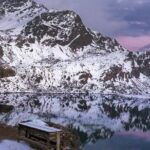
You’ll climb all day toward High Camp and walk for about four to five hours. The route goes above the tree line, so temperatures drop as you go. That matters because your comfort on the trail depends on how well you can manage cold, not how fast you walk.
You’ll reach High Camp and settle in. If you’re tempted to skip layers, don’t. Cold air isn’t just uncomfortable; it can make decision-making harder when you’re trying to pace yourself.
Day 7: Upper viewpoint to Mardi Himal Base Camp time, then back down smart
Today is the day you work for the bigger rewards. You start early and walk a few hours to reach the upper viewpoint or Mardi Himal Base Camp.
From here, you can see the Annapurna Sanctuary clearly, along with panoramic views of the south face of Mt. Annapurna, Himchuli, and Machhapuchhre (Mt. Fishtail). After spending a few hours taking in the views, you return to High Camp for breakfast.
Then you do a shorter descent: after lunch and resting, you walk down for about two hours to reach Low Camp.
This “view up, breakfast down” rhythm is a good design for comfort. It’s also a reminder that the trek’s hardest work isn’t just climbing; it’s knowing when to stop pushing and let your body recover.
Day 8: The long descent to Sidhing and a 4WD jeep exit
Day eight starts with a descent, which can feel like a victory lap until you realize it’s still physical work. There’s a drastic change in elevation as you drop toward Sidhing village.
After about five hours of walking, you reach Sidhing for lunch. Then you jump into a 4WD jeep back to Pokhara. This is one of the best “feel the difference” transitions in the whole trip. After days of trail rhythm, vehicle time feels like a reset button.
If you’re someone with sore knees, take the descent slowly. It’s tempting to move fast once you’re going downhill. Don’t. Your body will thank you later.
Day 9: Back to Kathmandu and a cultural farewell
You return to Kathmandu by tourist bus, about seven hours. Along the way, you get last glimpses of Himalayan scenery, then arrive at Kathmandu where your representative transfers you back to your hotel.
In the evening, there’s a farewell dinner at a traditional Nepali restaurant with cultural performances. This is a nice ending structure because it lets the trip close in a human way, not just as “and then we left the mountains.”
Day 10: Airport drop and finishing on schedule
Your final day is straightforward. You get dropped at Tribhuvan International Airport for your flight departure. The end time is flexible based on your travel plans, but the package is built to get you back with enough runway to connect onward.
Price and logistics: what $821.34 really buys you
At $821.34 per person for roughly 10 days, you’re paying for far more than a route on a map. This price bundles in the big cost and stress reducers: airport transfers, Kathmandu and Pokhara hotel nights, tourist bus transport between cities, and the trek-side ground vehicle routing.
It also includes a licensed English-speaking guide, permits, and guesthouse accommodation in twin-share/dormitory style for five nights. You also get meals during the trek period: breakfast (9), lunch (6), and dinner (6). That’s a meaningful value piece because it reduces daily decision fatigue on the trail.
One line item you should notice: the package lists airfare from Kathmandu to Lukla and back. The main day-by-day driving plan you’ll see is Kathmandu to Pokhara by bus and Pokhara to the trek area by jeep, so you should confirm how that domestic flight fits your specific departure plan before you go. Don’t worry—just verify the schedule so there are no surprises.
What you still need to budget for:
- Lunch and dinner in Kathmandu and Pokhara aren’t included
- Nepal entry visa and international airfare aren’t included
- Travel insurance (including emergency high-altitude rescue/evacuation) isn’t included
- Alcoholic and other drinks aren’t included
- Tips for guide and driver are expected
- Personal trekking equipment
In plain terms: the package is a solid “logistics first” deal. If you travel lightly and you bring your own personal gear, you’ll feel the value fast.
Guides, pacing, and porter support that makes the trek easier
A big reason this trek earns strong satisfaction is the human structure. The trek runs with a licensed English-speaking guide and one porter for two clients, which helps you avoid turning the trek into a full-time backpack competition. That’s especially helpful when temperatures drop at higher camps.
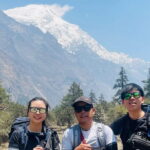
Past participants specifically called out guides such as Ishwor, Ramesh, Rajan, Ram, Krish, Deepak Neupane, and porters like Kismat for being patient and supportive. In practice, that usually means two things you’ll care about: your pace is more comfortable, and you don’t have to figure everything out alone when conditions shift.
You’ll still be doing the walking, of course. But when the team sets the day rhythm well, the mountains feel less like a test and more like a goal you reach together.
What to pack and how to stay comfortable on cold ridge days
The package provides a down jacket and sleeping bag for the trek (returned after), plus an Ace the Himalaya duffel/kit bag and a sun hat. That means you don’t need to source heavy winter gear before you arrive.
You still need personal trekking equipment, and the exact list isn’t provided here—so use your operator’s packing list and plan for cold. Based on the route details, you should treat snow possibility and above-tree-line cold as real, not theoretical. Ridge days can include snow in winter, and the temperature drops as you walk higher.
If you get cold hands or cold feet easily, pack accordingly. The biggest mistake people make on treks like this is assuming “not too high” means “not too cold.” High camp mornings can be honest work.
Who this Mardi Himal trek is best for
This trek fits best if you want a less crowded Annapurna-adjacent experience and you’re comfortable with a steady uphill rhythm. The tour notes a moderate physical fitness level, and walking is often in the 4 to 7 hour range depending on the day.
It’s a good match if you:
- Like being on quieter trails and want more space to enjoy scenery
- Prefer gradual viewpoint time over a single big push
- Appreciate a guided pace and porter support
- Want a trek that mixes forest walking with alpine ridge days
It might not be ideal if you:
- Struggle with early mornings and long descents
- Hate cold and don’t like layering
- Want a fully carefree trip with no responsibility around packing and tipping
Should you book Mardi Himal with Ace the Himalaya?
I’d book this if you want big Annapurna views with fewer crowds, and you care about solid logistics more than experimenting with independent travel. The included guide, porter system, permits, and meal structure are the kind of “quiet confidence” that makes a trek smoother.
I’d double-check before you commit if you have tight timing, low tolerance for cold, or you want to fully control your gear. Also confirm how that listed Kathmandu–Lukla–Kathmandu airfare fits your dates, since the visible ground travel plan is Kathmandu to Pokhara and jeep access to the trail area.
If you’re the type who likes your travel practical, your mornings early, and your mountain time uninterrupted, Mardi Himal is a strong pick.
FAQ
Where do we meet at the start, and where do we end?
You start at Tribhuvan International Airport in Kathmandu, and the trip ends back at the meeting point.
What time does the experience start?
The start time is listed as 8:00 am.
Are airport transfers included?
Yes. Airport transfers are included, and an airport representative meets you at Tribhuvan International Airport.
What gear does the trek include?
The package includes a down jacket and sleeping bag for the trek (to be returned). It also provides an Ace the Himalaya duffel/kit bag and a sun hat (yours to keep).
Are meals included during the trek?
Yes. Breakfast is included 9 times, lunch is included 6 times, and dinner is included 6 times. Lunch and dinner in Kathmandu and Pokhara are not included.
How big is the group?
This trek has a maximum of 15 travelers.
Is a porter included?
Yes. The tour includes 1 porter for two clients.
What if I need to cancel or the weather is poor?
Free cancellation is available up to 24 hours in advance for a full refund. If the experience is canceled due to poor weather, you’ll be offered a different date or a full refund.