REVIEW · KATHMANDU
Annapurna – Poon Hill Trek
Book on Viator →Operated by Happyland Treks · Bookable on Viator
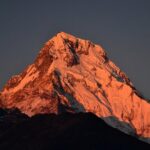
Sunrise at Poon Hill is worth the early start. This 9-day Annapurna trek is built around big mountain views—especially the early look from Poon Hill—with tea-house nights, included meals, and smooth transport from Kathmandu to Pokhara. I like how meals and permits are handled for you, and I also like the support level (an English-speaking guide plus porter help). One consideration: this is weather-dependent, and the early hikes mean you should be ready for cold mornings and a steady uphill pace.
The plan also keeps logistics practical for a short trek: Kathmandu and Pokhara get their own overnights, then you transition into the walking route through Ulleri, Ghorepani, Tadapani, and Ghandruk. If you prefer organized trip flow without micromanaging details, this format tends to fit well—especially as a private tour where your group stays together.
In This Review
- Key highlights to know before you go
- Why Poon Hill still feels like a smart trek
- A quick note on the one drawback
- Price and logistics: what $938 buys you
- What you’ll pay extra for
- Entering the trek: Kathmandu and Pokhara setup (Days 1–2)
- Day 1: Kathmandu Valley (arrival + hotel night)
- Day 2: Kathmandu to Pokhara by tourist bus (overnight in Pokhara)
- Trail plan, stop by stop (Days 3–7)
- Day 3: Pokhara to Ulleri, then start trekking (to Ulleri at ~2010m)
- Day 4: Ulleri to Ghorepani (~2874m)
- Day 5: Ghorepani → Poon Hill sunrise → Tadapani (~2630m)
- Day 6: Tadapani to Ghandruk (~1940m)
- Day 7: Ghandruk to Nayapul, then back to Pokhara
- Tea houses, meals, and what to expect in real life (Days 5–7)
- Comfortable… with a reality check
- Permits and the support system you’re buying
- A small human detail that matters
- Who should book this trek (and who should think twice)
- Should you book Happyland Treks for Annapurna Poon Hill?
- FAQ
- What time is the meeting point?
- Where is the meeting point in Kathmandu?
- Is pickup and drop-off included?
- Are permits included for the trek?
- What kind of accommodation and meals are included during the trek?
- Do I get porter support?
Key highlights to know before you go
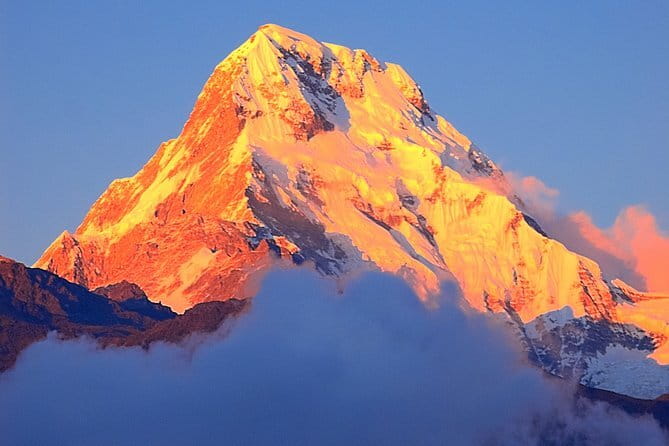
- Sunrise at Poon Hill (3210m area): the whole trek’s most dramatic moment, timed for early morning.
- Big view payoff in a short itinerary: you’re positioned for panorama days without going deep into long routes.
- Permits handled: TIMS card plus Annapurna Conservation Area trekking entry permit included.
- Tea-house trekking setup: nights during the trek are in tea houses, with standard meals included.
- Staff support included: English-speaking guide and porter service (1 porter between 2 people).
- All the main ground transport included: Kathmandu ⇄ Pokhara by tourist bus, plus private transfers around the trailhead.
Why Poon Hill still feels like a smart trek
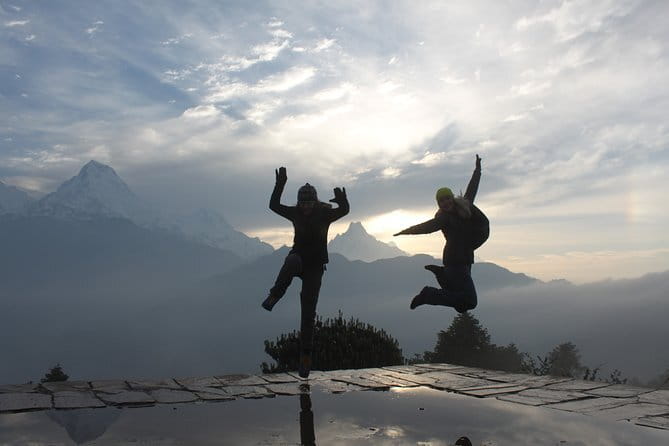
The Annapurna Poon Hill trek works because it’s short enough to do without losing your whole vacation to logistics, but still long enough to earn that feeling of being truly on the mountain. You get a classic rhythm: travel days to set up, several trekking days to acclimatize at a comfortable pace, and then a peak-view morning that’s the reason people talk about this route.
What I like most is the way the itinerary keeps the best views early and then rewards you again on the way down. On the big sunrise morning, you hike uphill, reach the viewpoint, then go back down for breakfast and continue toward Tadapani. That flow matters when you’re planning your energy—sunrise is intense, but the day isn’t only one long grind.
Another plus for real-world travel: the trek is offered as a private tour/activity, so it’s only your group participating. That usually means fewer awkward transitions and less waiting around.
You can also read our reviews of more tours and experiences in Kathmandu.
A quick note on the one drawback
The itinerary is built for mountain views, and mountain views are weather-dependent. If conditions are poor, your trek can be shifted or rescheduled. You should also be ready for cold early hours on the sunrise day.
Price and logistics: what $938 buys you
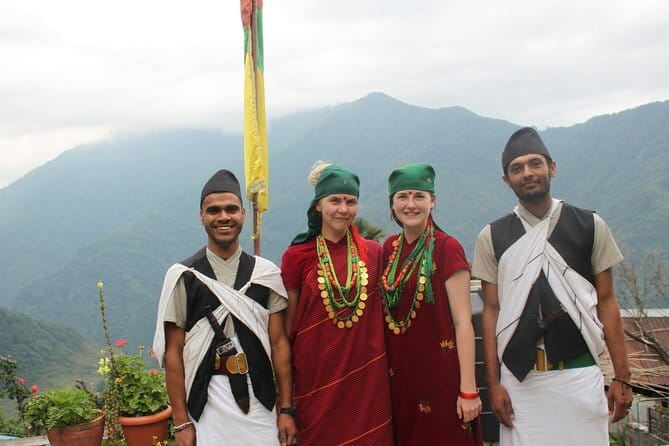
At $938 per person, this doesn’t feel like a bare-bones trek. You’re paying for a package that includes:
- Two nights in Kathmandu (with breakfast) and two nights in Pokhara (with breakfast)
- Ground transport: Kathmandu–Pokhara by tourist bus, plus Pokhara–Nayapul and Nayapul–Pokhara by private transport
- TIMS card and Annapurna Conservation Area permit
- All standard trekking meals (breakfast/lunch/dinner while on the trek) plus three cups of tea or coffee a day
- Tea-house accommodation during the trek
- An English-speaking guide, plus porter help (1 porter between 2 people)
- A medical kit, trip certificate, and even a company duffel bag and t-shirt
Why that value adds up: trekking on your own means you’d still have to solve permits, guide/porter coordination, and meal planning. Here, you’re also not juggling transport timing between Kathmandu, Pokhara, and the trailhead. For most people, those “hidden time costs” are where trips get stressful fast.
What you’ll pay extra for
The cost doesn’t include the obvious travel items like international airfare and Nepal entry visa fee, plus travel medical insurance and emergency evacuation coverage. It also excludes personal expenses—like alcoholic drinks, battery charging, hot showers, and water bottles/hot water/cold drinks.
Also expect tipping. The package doesn’t list amounts, but it does say tips for guide and porter are expected.
Entering the trek: Kathmandu and Pokhara setup (Days 1–2)
Day 1: Kathmandu Valley (arrival + hotel night)
You arrive in Kathmandu, transfer to your hotel, get ready for trekking, and sleep overnight. This is more important than it sounds: Kathmandu is where you shake off travel fatigue and get your gear organized before you go rural.
There’s no sightseeing pressure in the plan, just a clean reset day. You also have an airport pickup and drop included, so you’re not trying to figure out transport right after landing.
Day 2: Kathmandu to Pokhara by tourist bus (overnight in Pokhara)
Then it’s a bus ride to Pokhara. This is the classic starting rhythm for Annapurna treks because Pokhara is your staging area. At roughly 820m in Pokhara, you’re not thrown straight into big altitude changes.
If you’re the kind of person who likes a plan that gives you breathing room, you’ll probably appreciate this pacing. You’re not hiking on arrival day. You’re staging.
Trail plan, stop by stop (Days 3–7)
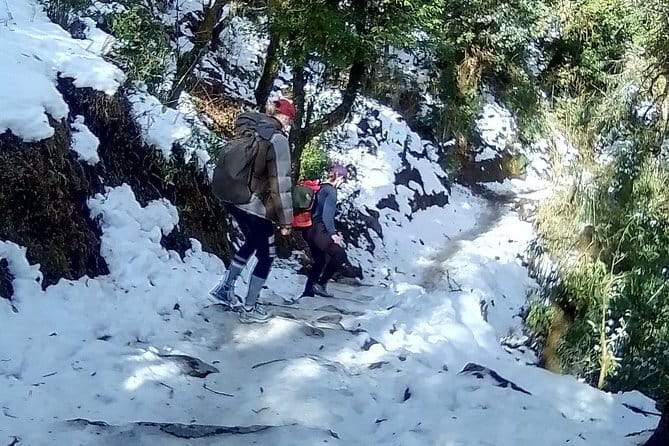
This is where the trek becomes the trek. Below is what each day generally feels like and why the stops matter.
Day 3: Pokhara to Ulleri, then start trekking (to Ulleri at ~2010m)
You travel from Pokhara to Nayapul by private transport (about 1.5 hours), then trek onward to Ulleri (around 2010m).
Why Ulleri works: it’s high enough to start giving you mountain views, but it’s also a good first walking day. You don’t jump to extreme altitude, and you’ll feel the gradual change in air and temperature.
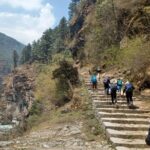
Practical note: your legs may feel it more than your lungs at first—stair-like paths can be more tiring than expected, especially if you’re not used to constant uphill.
Day 4: Ulleri to Ghorepani (~2874m)
Today’s trek takes you from Ulleri to Ghorepani (about 2874m). This is one of the key “build-up” stages because you’re moving closer to the sunrise area.
You’ll likely start to notice bigger mountain silhouettes with every day as the altitude rises. Ghorepani also becomes your base for the next morning’s push.
Day 5: Ghorepani → Poon Hill sunrise → Tadapani (~2630m)
This is the headline day. You set out early, hike uphill to Poon Hill at around 3210m, and aim for the sunrise views.
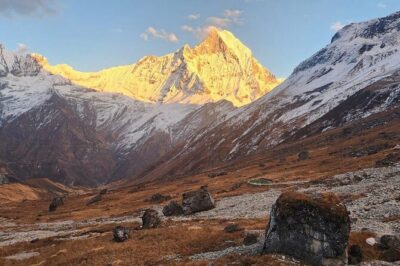
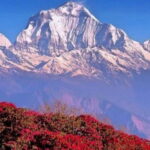
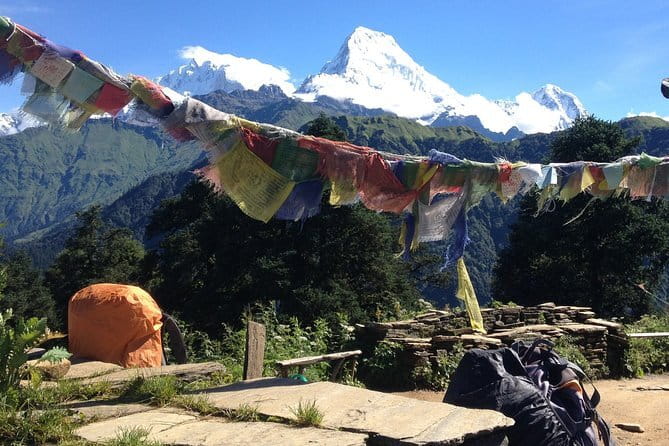
On a clear morning, this viewpoint is about wide panorama and named peaks. The route specifically highlights sightlines including Mt. Dhaulagiri (8167m) and Mt. Machhapuchhre (6993m), plus the Annapurna range backdrop.
After you enjoy the sunrise view, you go downhill to Ghorepani for breakfast, then continue the trek onward to Tadapani (around 2630m).
Why this structure is smart: you get the best moment first, then you still have a full trekking day afterward. It keeps the day from feeling like a single short outing, but it doesn’t force you to stay at maximum altitude all day.
Day 6: Tadapani to Ghandruk (~1940m)
Today is a downshift from Tadapani (2630m area) to Ghandruk (about 1940m). That’s a meaningful recovery in altitude terms.
Ghandruk is also a cultural stop on many Annapurna treks, and the route puts you there as part of the rhythm: climb up for views, then come down to spend a night in a lower village area before your final transfer.
Day 7: Ghandruk to Nayapul, then back to Pokhara
You trek from Ghandruk down to Nayapul (around 1070m). Then you transfer by private transport back to Pokhara (820m), wrapping up the walking portion.
That day-by-day altitude pattern is one reason short treks can feel manageable: you still go up for the big moments, but you don’t spend every day at the highest elevations.
Tea houses, meals, and what to expect in real life (Days 5–7)
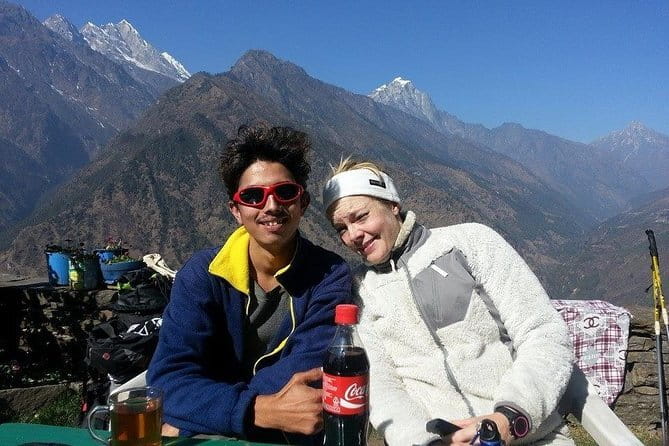
During the trek, you stay in tea houses, and standard meals are included while you’re walking. That usually means you’ll have predictable food options in the dining area and less decision fatigue.
The package also includes three cups of tea or coffee a day. On mountain mornings, that’s not a minor detail—it’s one of those small comforts that can keep morale up before the long view-chasing starts.
Comfortable… with a reality check
Tea-house lodging is not hotel luxury. You’re trading modern standards for location, warmth, and simplicity. One review detail you should factor in: hot showers may not be available everywhere (one stop reportedly lacked hot showers).
So if hot water is a must for you, plan mentally for the fact that you may have at least one night that’s more basic than others.
Permits and the support system you’re buying
This trek includes the two big official items you don’t want to hunt down last-minute:
- TIMS Card (Trekkers Information Management System)
- Annapurna Conservation Area trekking entry permit
On the ground, your English-speaking guide handles the route flow, and porter service reduces how much you carry. The package specifies porter support as 1 porter between 2 people basic, which is a solid help for keeping pack weight reasonable on uphill days.
You also get a medical kit included, plus staff accommodation support and insurance/medicine coverage for the team (as listed in the inclusions).
A small human detail that matters
The trekking experience often becomes what happens between the checklists: timing, pacing, and the small fixes when conditions change. One guide name you might hear associated with this operator is Bimal, praised for attention to details and organized support. You can’t guarantee any specific guide assignment, but it’s a good sign that individuals get recognized for how they handle the details.
Who should book this trek (and who should think twice)
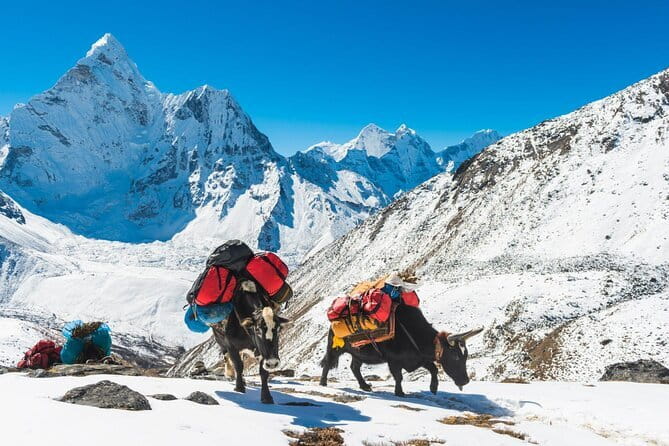
This is a strong fit if:
- You want the classic Annapurna view payoff in about 9 days
- You like structured planning with transport and permits handled
- You’re okay with tea-house lodging and cold morning starts
- You want sunrise views as a clear goal, not a vague hope
You might think twice if:
- You’re not ready for an early start (the meeting time is 6:00 am, and the sunrise hike happens very early)
- You need guaranteed hot showers every night
- You have very limited flexibility for weather delays
Should you book Happyland Treks for Annapurna Poon Hill?
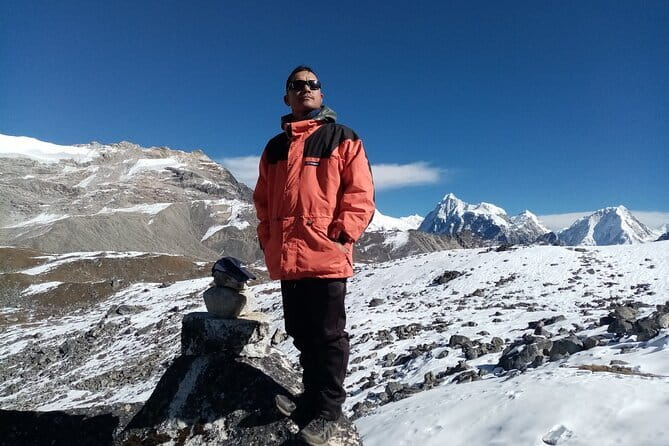
If your goal is a short trek that still feels real—views, villages, and a memorable sunrise—this package is worth serious consideration. The strongest reasons to book are the practical ones: meals included while trekking, permits handled, and support that keeps you from wrestling logistics while you’re focused on the trail.
My main advice for decision-making: treat this as an active trip with early mornings, not a casual stroll. If you can handle that—and you’re excited by the idea of standing at the Poon Hill area as the day turns on—then you’ll likely feel like you got good value for what’s included.
FAQ
What time is the meeting point?
The start time is listed as 6:00 am, with the meeting/ ticket redemption point at Happyland Treks in Kathmandu.
Where is the meeting point in Kathmandu?
The ticket redemption point is Happyland Treks, Paknajol Marg, Kathmandu 44600, Nepal.
Is pickup and drop-off included?
Yes. Airport pick up and drop are included by car/van/bus.
Are permits included for the trek?
Yes. You get a TIMS card and an Annapurna conservation area trekking entry permit included.
What kind of accommodation and meals are included during the trek?
You’ll have tea house accommodation during the trek, plus standard meals (breakfast, lunch, and dinner) and three cups of tea or coffee per day.
Do I get porter support?
Yes. Porter service is included as 1 porter between 2 people (basic arrangement). Tips are expected separately.