This trek has a rare calm to it. I love how the Manaslu Circuit stays less crowded and more remote, yet still uses teahouses so you do not need tents or food carried on your back. The trailhead is reachable overland, and the route keeps turning up serious Himalayan views as you work your way toward Larke-La Pass.
The other thing I like is the on-the-ground leadership: you get a professional, government-licensed guide, and one guide named Ganesh has been singled out for being very knowledgeable and attentive. One consideration before you budget: the package covers a lot for the mountains, but Kathmandu meals and drinks during trekking are not included.
In This Review
- Key things that make this Manaslu Circuit trek special
- Manaslu Circuit Trek: a quieter Nepal trek with real purpose
- Larke-La Pass is the headline (and the views are the payoff)
- Teahouses make it affordable and keep the pack sane
- Permits and restricted-area paperwork: the part you should not ignore
- Day 1–3: Kathmandu to Machhakhola, then your first climbing rhythm
- Day 4–6: Budhi Gandaki valley, Namrung, pine forest, and Shyala sunrise
- Day 7–9: Manaslu Base Camp day, Birendra Taal, and Samdo approach
- Day 10–12: Dharamsala/Larkya Base Camp to Bimthang and Tilche descent
- Day 13–14: Tilche farmlands, Marsyangdi Valley exit, and back to Kathmandu
- Price and logistics: what you’re really paying for at $227
- Food, gear, and day-to-day comfort you should expect
- Who should book this Manaslu Circuit trek (and who should pause)
- Should you book this Manaslu Circuit Trek with The Great Adventure?
- FAQ
- FAQ
- How long is the Manaslu Circuit trek in this package?
- Where does the trek start and end?
- Is a trekking guide included?
- Are permits included for the Manaslu region?
- Do I sleep in tents on this trek?
- What meals are included during the trek?
- Does the package include trekking gear?
- How big is the group?
Key things that make this Manaslu Circuit trek special
- Teahouses at every stage mean lighter packing and an easier logistics day
- Larke-La Pass is the big earned achievement, paired with morning high-mountain views
- Licensed guide + restricted area permits keep the trip on the right side of the rules
- Overland transfers cut out the flight stress and get you into the trek rhythm fast
- Small group size (max 25) usually means less crowding at viewpoints and tea breaks
Manaslu Circuit Trek: a quieter Nepal trek with real purpose
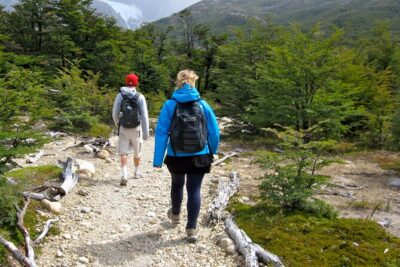
The Manaslu Circuit is one of those treks that feels like it is still doing its own thing. The route is described as isolated and less domesticated than the mega-popular trails, but you are not roughing it like an expedition. Teahouses sit at the stop points along the way, so the experience is more about walking, views, and village life than survival planning.
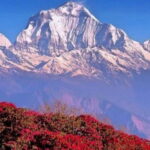
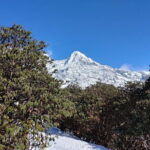
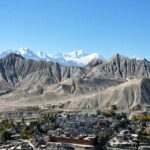
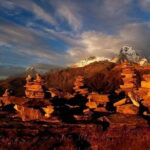
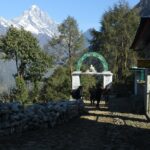
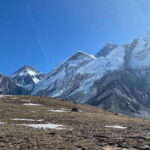
You also get a satisfying variety of scenery without needing technical climbing. You’ll pass terraced areas, cross river valleys, and climb ridgelines that open up sky-sized mountain views. The mountains you can look for include Mt. Himalchuli, Manaslu itself, Mt. Chamar, Ganesh Himal II, and other peaks that show up as you gain elevation.
If you like the idea of “meaningful hiking” instead of “tick-the-box tourism,” this trek’s structure supports that. You wake up, trek, sleep in a teahouse, repeat. It’s simple, and that simplicity keeps you focused on the best part: the high country getting closer day by day.
You can also read our reviews of more tours and experiences in Kathmandu.
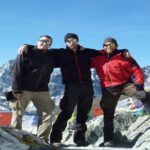
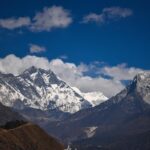
Larke-La Pass is the headline (and the views are the payoff)
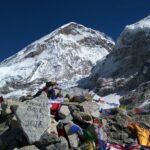
Most people remember two things from Manaslu Circuit trekking: the approach and the passage over Larke-La Pass. Larke-La Pass is the main achievement on this route, and it is usually where your effort turns into a long, clear payoff.
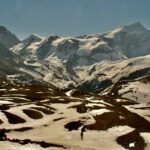
On the high days, the trek gives you multiple chances for dramatic mountain sightlines. You’ll spend time around Manaslu Base Camp and then move through Birendra Lake and onward toward Samdo. Later, you’ll face the big pass push, with early views of Larkya Peak (6249m) described as spectacular. You also get close-up looks at peaks around Samdo and the pass approach area, including Gyala Peak (5,973m) and a summit listed around 6,3635m near Samdo.
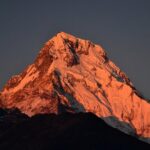
This is also a trek where “morning light” matters. Sunrise views are mentioned on the way up from Shyala, with Manaslu’s top changing colors into gold. Even if clouds show up, the rhythm of starting early and watching the sky shift is part of why this trek is so compelling.
Teahouses make it affordable and keep the pack sane
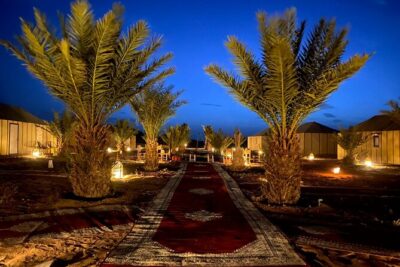
One reason the Manaslu Circuit can feel more accessible than people expect is that the teahouses reduce what you must carry. Instead of planning tent sites and hauling cooking supplies, you rely on basic lodging at the stop points. That can cut your overall load fast, which matters a lot on multi-day circuits.
This tour includes 13 nights of mountain teahouse accommodation, plus scheduled meals. Breakfast is included for each trek day, and lunch is included daily as well, while dinner is covered for the mountain nights (13 dinners). That means fewer “where do we eat tonight?” decisions, especially once you’re far from the bigger settlements.
Gear also gets handled for you to a degree. The package lists necessary equipment like a sleeping bag and down jacket. That’s a big deal if you are traveling light or if buying gear in Kathmandu would feel like wasted expense.
Still, you should plan for the fact that teahouses are basic by design. Meals are there, but choices may be limited. Treat the food as fuel and the conversation as a bonus, not as a restaurant experience.
Permits and restricted-area paperwork: the part you should not ignore
Manaslu is a regulated trekking region, and this tour includes the key permissions: Manaslu & Annapurna conservation area permits and a restricted area permit. For you, that matters because those permits are not optional paperwork in this kind of region; they’re part of how access is controlled.
The itinerary also stays inside the structure of an organized program with an experienced guide. That combination is what keeps your days smoother. You do not want to be the person trying to figure out rules and timing when you’re already tired at altitude.
There’s a practical side to this, too: conservation-area permits and restricted access typically come with guidelines that affect routes and timings. When those are handled in advance, you spend more energy walking and less energy managing admin.
Day 1–3: Kathmandu to Machhakhola, then your first climbing rhythm
You start in Kathmandu, then move overland toward the trekking start area. The early transfer includes a scenic bus journey, following major roads along the Trisuli River and eventually reaching the first trek stop around Machhakhola. Expect a long travel day, but also the benefit of easing into Nepal gradually instead of landing and immediately jumping into thin air.
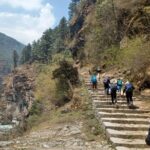
Day 2 picks up with a trek day that begins after breakfast at Machhakhola. You head toward small villages and reach Jagat, with the day shaped by classic river-valley hiking—short climbs, downs, and repeated starts and stops at teahouses.
By Day 3, you’re crossing a checkpoint area and stepping into a more dramatic feel. The day includes a waterfall scene plus a steep climb over a ridge to reach Deng. This is where you begin to notice how quickly your legs “learn” the pattern: uphill grind, payoff views at ridge lines, then a slower descent to your next stop.
Practical tip for these early days: pace yourself like you’re saving fuel for Larke-La Pass later. The early days can trick you into going fast because the scenery looks rewarding at every turn.
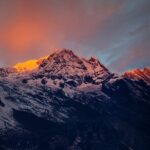
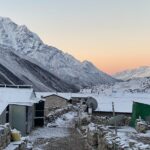
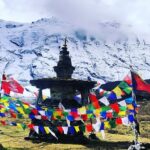
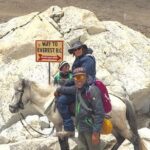
Day 4–6: Budhi Gandaki valley, Namrung, pine forest, and Shyala sunrise
From Deng you move through Namrung, and the walking becomes very valley-driven. Day 4 includes crossing the Budhi Gandaki and hiking along the Budhi Gandaki valley, with a steep-feeling trail up the corridor toward the next villages.
Day 5 brings Shyala as the key destination, and there’s a different flavor to the day. You’ll pass through pine forest after Namrung, with a climb that pushes your legs but also rewards you as the valley opens up. The route mentions getting close to a big Lhi mo structure on the way, which signals how these trails often weave in local religious landmarks along the hiking line.
Day 6 is where you get a standout moment tied to timing: sunrise is highlighted around Shyala with Manaslu shifting colors. You then head toward Pung Gyen Gompa, do a side trip, and finish at Samagaun for an overnight teahouse stay.
This chunk of days works well if you like a mix of effort and payoff. It’s not just “walk until tired.” You get daily reasons to look up and stop.
Day 7–9: Manaslu Base Camp day, Birendra Taal, and Samdo approach
Day 7 is your Manaslu Base Camp push. The first hour is almost flat while you take in Manaslu Himal views, then the steep climb starts. The day is built for that classic high-country arc: you walk from village life into harsher terrain, and eventually the base camp becomes the reason you’ve been moving.
After your time at base camp, you return back to Sama Gaon (Samagaun) for lunch and a village culture stop. This gives you a softer landing after the intensity, and it’s a good moment to reset before the next “high-country” transitions.
Day 8 takes you to Birendra Taal and onward toward Samdo. The route includes a very old monastery and a Tibetan cultural library near Samagaun, plus a lake approach that feels like a real “journey day.” Birendra Lake becomes a mental checkpoint: you are clearly into the upper world now.
Day 9 is about building toward the pass approach. You head toward Layung La with close views of peaks around the Samdo area and other dramatic high-mountain scenery. This is a day for early starts and steady breathing, because the effort is physical and your legs have already been doing work.
Day 10–12: Dharamsala/Larkya Base Camp to Bimthang and Tilche descent
Day 10 moves you toward Dharamsala / Larkya Base Camp. The hike is described as 4–5 hours, with a descent that follows grassy terrain and crosses the Budhi Gandaki. This is a useful “in-between” day: you’re still gaining altitude-related stamina, but you’re not doing the full hard pass day yet.
Day 11 is the real deal: an early start to hike steep trails to Larkya La Pass. The path can be windy at times and rocky, but morning views of Larke Peak (6249m) are noted as spectacular. After you spend time at the top, you descend to Bimthang, with views of Nimjung, Himlung, and Kanguru mentioned on the way down.
Day 12 heads from Bimthang to Tilche in about 6–7 hours, starting with a descent. This day matters because it shifts your focus from “peak effort” to “recovery pace.” You get breakfast with views of Mt. Manaslu, then spend the afternoon moving into the next valley rhythm.
Day 13–14: Tilche farmlands, Marsyangdi Valley exit, and back to Kathmandu
Day 13 is a transition day. You hike through farmlands near Tilche, cross to the east bank of the river, and gradually descend toward the Marsyangdi Valley. The goal here is not a dramatic summit view; it’s moving out of the high country cleanly and setting up your road transfer.
Then you reach Dharapani, and from there you take a sharing jeep to Besisahar. The drive takes around 3–4 hours and includes waterfalls and lush scenery along the roads by the way.
Day 14 brings you back to Kathmandu by sharing minibus, following the Marsyangdi and Trishuli river banks. This final day is about comfort after days of hiking. You trade boots for seats and let your body notice the difference.
Price and logistics: what you’re really paying for at $227
At $227 per person, the value here comes from what’s bundled for the mountain days. You’re paying for:
- Licensed trekking guide for the full 14 days
- Teahouse accommodation for 13 nights
- Conservation and restricted area permits
- Sleeping bag and down jacket listed as necessary equipment
- Scheduled meals (breakfast included daily; lunch included; dinner included for mountain nights)
- Local transport pieces between trekking and road transfer points
What is not included is also clear, and you should budget for it:
- All meals in Kathmandu
- Drinks during trekking (hard and soft)
- Personal travel insurance
- International airfare and visa costs/taxes
If you want a practical way to think about this price: this is a “logistics-heavy trek” package. Most of the expensive hassle—permits, guides, basic lodging, and core gear—is handled. You keep control over only your Kathmandu spending and your mountain drink choices.
Also note the group limit: max 25 travelers. That’s small enough to keep things social without feeling like a moving crowd.
Food, gear, and day-to-day comfort you should expect
Inside the mountains, plan around teahouse basics and simple meal routines. The tour includes breakfast, lunch, and dinner coverage for the trekking/mountain days. Still, you should expect food to be centered on what teahouses can reliably cook with limited supply, not on dietary menus.
Gear-wise, you’ll have a sleeping bag and down jacket included. That should reduce the temptation to buy or rent gear in Kathmandu and helps you travel lighter. You’ll also have a first-aid kit included from the trekking company, plus emergency support tied to travel insurance.
One practical note: the tour is listed for moderate physical fitness. That does not mean easy walking. It means you can do sustained hiking with climbs, descents, and altitude exposure as long as you pace well and keep your expectations realistic.
Who should book this Manaslu Circuit trek (and who should pause)
This trek fits you if you want a classic Nepal tea-house circuit with fewer crowds and a real high-point achievement. You’ll likely enjoy it most if you:
- Like steady multi-day hiking more than short adrenaline bursts
- Want real mountain time, especially around base camp and the Larke-La Pass day
- Prefer guided structure with permits handled
You might pause if you strongly dislike long overland travel days before and after trekking. Day 1 starts with bus travel, and the exit includes jeep and minibus drives back to Kathmandu. It’s part of the deal with an overland-accessible route.
You should also be honest about costs beyond the package. Drinks in the mountains and Kathmandu meals can add up faster than you’d think on a 14-day trip.
Should you book this Manaslu Circuit Trek with The Great Adventure?
If you want Manaslu without turning the trip into an expedition, this package makes sense. The mix of teahouse lodging, licensed guidance, and permits included is what keeps the experience practical at a budget-friendly price point.
Book it if your goal is a well-run circuit trek where the big days feel earned: base camp time, lake and monastery stops, and the pass push with early light on high peaks. Just remember to plan your Kathmandu meals and mountain drink budget, bring your own travel insurance, and be ready for long road days at the start and finish.
FAQ
FAQ
How long is the Manaslu Circuit trek in this package?
It runs for about 14 days, including 13 nights in mountain teahouses.
Where does the trek start and end?
You start in Kathmandu and finish back in Kathmandu. The route includes overland travel to the trek start area and then road transfers back through Besisahar.
Is a trekking guide included?
Yes. A professional trekking guide with a government license is included for the full duration.
Are permits included for the Manaslu region?
Yes. The package includes Manaslu & Annapurna conservation area permits and a restricted area permit.
Do I sleep in tents on this trek?
No. You stay in mountain teahouses at the stop points, so you do not need to carry tents and food like a tented expedition.
What meals are included during the trek?
Breakfast is included for 14 days, lunch is included for 14 days, and dinner is included for 13 days. Meals in Kathmandu are not included.
Does the package include trekking gear?
It lists necessary equipment such as a sleeping bag and a down jacket.
How big is the group?
The trek has a maximum of 25 travelers.